Source Roofing Cold Rolled Iron Coil for construction, roofing, and manufacturing
Compare 30 Roofing Cold Rolled Iron Coil options from verified suppliers. View specifications including thickness, coating, and hardness to find the right material for construction, roofing, and manufacturing projects; compare the available evidence and request quotations based on your requirements.
Updated
Key considerations
Products List


High Quality ASTM/Cold Rolled Galvanized Steel Coil for Metal Iron Roofing Sheet Price
$400.00 - $850.00
MOQ: 25 Tons


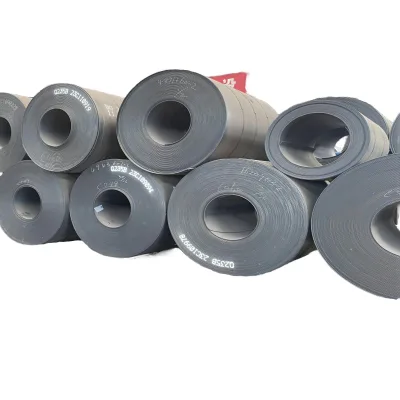
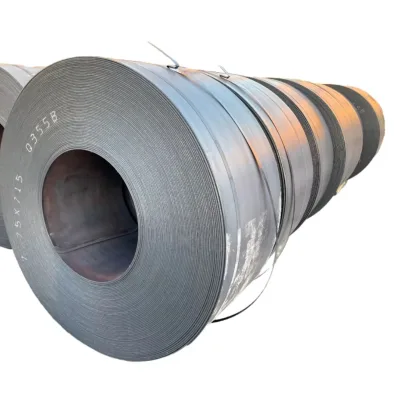

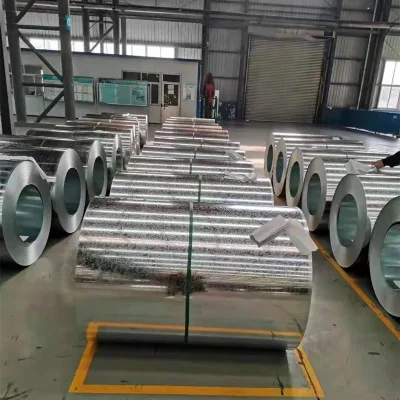

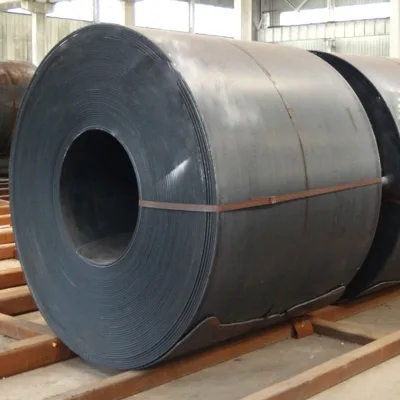

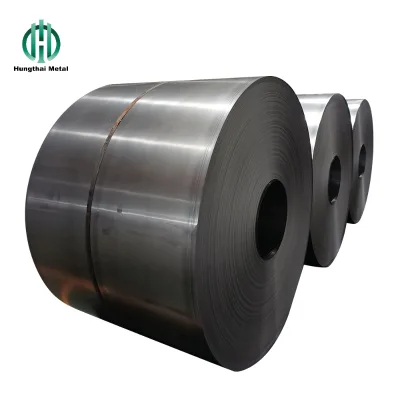
CR Cold Rolled Coil Steel Sheet in Coil Factory Flat Steel Iron COILS Q195 Q215 Q235
$537.9431 - $579.323
MOQ: 25 tons


Premium Cold-Rolled Color Steel Roofing Sheet Coil for Global Distribution
$500.00 - $600.00
MOQ: 1 Tons


Comprehensive Sourcing Guide
Roofing Cold Rolled Iron Coil Sourcing Guide
Procuring roofing cold rolled iron coils requires a precise understanding of the specific metallurgical properties that ensure structural integrity under weather exposure. Buyers must distinguish between cold-rolled and hot-rolled variants, as the cold-rolled process typically yields a smoother surface finish and tighter dimensional tolerances essential for modern roofing applications. The observed market data indicates a primary focus on galvanized steel coils with zinc coatings ranging from 40 to 275 grams per square meter, which directly influences the corrosion resistance and lifespan of the final roof assembly.
When evaluating listings, procurement teams should verify that the base panel materials align with specific project requirements, such as Dx51d, Dx52D, or CGCC grades. The availability of customization options allows for tailored solutions, yet buyers must confirm that the selected hardness levels, observed between Hrb55 and Hrb90, meet the bending and forming demands of the intended installation method. Understanding these material baselines prevents the selection of coils that may fail during the roll-forming process or lack the necessary ductility for complex roof geometries.
Product Scope and Observed Listing Signals
The current market inventory for roofing cold rolled iron coils demonstrates a significant variance in physical dimensions, with thicknesses observed between 0.12mm and 4.00mm and widths spanning from 30mm to 1500mm. This broad range suggests that suppliers cater to diverse construction needs, from lightweight residential panels to heavy-duty industrial cladding. Buyers must carefully match these dimensional specifications to their design blueprints, as coils outside the required thickness or width parameters may necessitate costly secondary processing or result in material waste during fabrication.
Listing signals also reveal variations in surface treatments and spangle patterns, including options for zero, minimum, regular, or big spangle finishes. These surface characteristics are critical for aesthetic consistency and paint adhesion in pre-coated roofing systems. Additionally, the presence of stock availability indicates that immediate delivery is possible for standard configurations, whereas custom orders may require longer lead times. Procurement teams should prioritize suppliers who explicitly confirm stock status to mitigate project delays associated with waiting for new production runs.
Technical Specifications to Verify
Technical verification must begin with the coil weight and internal diameter, as these factors dictate handling logistics and compatibility with existing roll-forming machinery. Observed coil weights typically range from 2 to 10 tons, with specific listings noting 3 to 8 tons, while coil IDs are standardized between 508mm and 610mm. Ensuring that the supplier's coil dimensions match the buyer's equipment specifications is a fundamental step to avoid mechanical failures during the uncoiling and feeding processes.
Further technical due diligence involves scrutinizing the coating application and surface treatment details, such as chromated, skin-pass, oiled, or dry finishes. The zinc coating weight, observed between 40 and 275G/M2, is a primary determinant of corrosion protection, while paint thickness on coated variants may range from 12 to 30 microns on the front side. Buyers should request mill test reports that explicitly confirm these coating weights and surface treatments to ensure the product meets the environmental durability standards required for the specific geographic location of the construction project.
Compliance and Safety Documentation
Compliance verification is paramount when sourcing steel coils, as the industry relies heavily on adherence to international and regional standards. The observed product listings frequently reference standards such as AISI, ASTM, BS, DIN, GB, and JIS, indicating a global supply chain that must navigate multiple regulatory frameworks. Procurement teams must ensure that the specific steel grade and manufacturing process comply with the local building codes and safety regulations of the destination country, as non-compliant materials can lead to project rejection or legal liabilities.
Safety documentation also encompasses certification records, with ISO and SGS certifications appearing as common indicators of quality management system adherence. Some listings further mention CE, Pvoc, and ISO9001 certificates, which serve as evidence that the manufacturer has undergone rigorous third-party audits. Buyers should not assume these certifications apply to every batch without verification; instead, they must request current, valid certificates for the specific production lot to confirm that the steel meets the declared safety and quality benchmarks before finalizing the purchase order.
Cost Drivers and Commercial Terms
Cost structures for roofing cold rolled iron coils are heavily influenced by raw material fluctuations, coating weights, and the complexity of surface treatments. The observed price range of 400 to 1200 USD reflects these variables, with higher costs associated with thicker gauges, heavier zinc coatings, and specialized color finishes. Buyers should analyze the total cost of ownership rather than just the unit price, considering that a lower-cost coil with insufficient zinc coating may incur higher maintenance and replacement costs over the lifecycle of the roof.
Commercial terms, including Minimum Order Quantities (MOQ) and delivery timelines, vary significantly across suppliers, with observed MOQs ranging from 1 unit to 3000 tons. Some suppliers offer free samples to facilitate testing, while others enforce strict MOQs of 25 tons or more, which can impact cash flow and inventory management strategies. Additionally, delivery times can range from immediate stock availability to within seven days for standard orders, but custom specifications may extend these periods. Negotiating favorable payment terms and clear delivery schedules is essential to align procurement with project cash flow and construction schedules.
Supplier Qualification and Quality Control
Supplier qualification requires a rigorous assessment of manufacturing capabilities, specifically regarding their ability to maintain consistent product attributes across large production runs. Buyers should verify that the supplier utilizes cold-rolled techniques for the specified grades and possesses the infrastructure to handle the full range of observed thicknesses and widths. The presence of processing services like welding and cutting indicates a value-added capability, but the core quality of the base steel remains the primary factor in supplier selection.
Quality control protocols must be explicitly defined in the purchase agreement, including requirements for third-party inspection and testing. Given the observed variations in hardness and spangle patterns, buyers should mandate pre-shipment inspections to ensure that the delivered coils match the agreed-upon specifications. The use of standard export seaworthy packaging is common, but specific packing requirements should be detailed to prevent damage during transit. Establishing a clear quality assurance framework helps mitigate the risk of receiving substandard materials that could compromise the structural integrity of the roofing system.
Long-Term Procurement Checks
Establishing a long-term procurement strategy involves regular audits of supplier performance and continuous monitoring of market trends affecting steel prices and availability. Buyers should maintain a database of supplier certifications and test results to ensure ongoing compliance with evolving industry standards. Periodic re-verification of the supplier's ability to meet the specific technical requirements, such as the 0.12mm to 4.00mm thickness range and the 40-275G/M2 zinc coating, ensures that the supply chain remains robust against quality drifts over time.
Furthermore, long-term checks should include an evaluation of the supplier's responsiveness to customization requests and their ability to adapt to changing project demands. The availability of free samples and the flexibility in packing options, such as mill standard or export standard packages, are indicators of a supplier's commitment to customer satisfaction. By maintaining open communication channels and conducting regular performance reviews, procurement teams can build a resilient supply chain that supports the consistent delivery of high-quality roofing cold rolled iron coils for future projects.
FAQs
What thickness and width options are available for Roofing Cold Rolled Iron Coil?
Roofing Cold Rolled Iron Coil is available in thicknesses ranging from 0.12mm to 4.00mm and widths from 30mm to 1500mm. These dimensions allow for versatile applications in construction. The coils are stocked and ready for immediate shipment, ensuring that buyers can select the precise size required for their specific roofing projects without long waiting periods.
Can I customize the surface treatment and zinc coating for this steel coil?
Yes, customization is available for surface treatment and zinc coating. The zinc coating ranges from 40 to 275G/M2, providing varying levels of corrosion resistance. Surface options include chromated, skin-pass, oiled, or dry finishes. Buyers can specify these details to meet particular environmental requirements or aesthetic preferences for their roofing installations.
Which certifications and standards apply to this Roofing Cold Rolled Iron Coil?
This Roofing Cold Rolled Iron Coil complies with multiple international standards including AISI, ASTM, BS, DIN, GB, and JIS. It holds ISO and SGS certifications, ensuring quality and reliability. These credentials verify that the material meets rigorous industry benchmarks for structural integrity and performance, making it suitable for global construction projects requiring certified steel products.
What is the minimum order quantity and lead time for this product?
The minimum order quantity varies, with some listings indicating an MOQ of 25 tons, while others allow for lower quantities. Delivery time is typically within 7 days for stocked items. This rapid turnaround supports urgent construction needs. Buyers should confirm specific MOQ requirements with suppliers, as policies may differ based on the specific grade and customization requested.
What base materials and hardness levels are offered for this steel coil?
Base materials include Dx51d, Dx52D, Dx53D, CGCC, SGCC, and Sgch. Hardness levels range from Hrb55 to Hrb90, with some options offering MID Hardness. These material grades ensure durability and formability for roofing applications. The variety allows engineers to select the optimal balance of strength and flexibility for different structural demands and environmental conditions.
How is the Roofing Cold Rolled Iron Coil packaged for export?
The coil is packaged in mill standard export seaworthy packages or convention standard packing. This ensures protection during transit and handling. The packaging is designed to prevent damage from moisture and physical impact. Coil weights typically range from 2 to 10 tons, facilitating efficient loading and unloading at destination ports while maintaining product integrity throughout the supply chain.