China Mainland Ferrosilicon Suppliers and Manufacturers
Source 11 verified China Mainland Ferrosilicon suppliers from Gansu and Henan. Compare ISO 9001 certified factories with response times under 14 hours, lead times up to 23 days, and prices from $830 to $1490. Request quotes for FeSi 45% to 75% lump alloys today.
Updated
Suppliers List

Gansu Mingruige Trading Co., Ltd.
- Trading Company,Manufacturer/Factory
- China Gansu
- Lead time23 days
- Avg. response≤ 14h
Main productsFerro Silicon, Rare Ferro Silicon Magnesium, Semi Coke, Metallurgical Coke/Foundry Coke, Natural Graphite, Carburizer, Silicon Slag, Silicon Metal, Microsilica/Silica Fume, Silicon Carbide
Main marketsSouth America,Mid East,North America,Southeast Asia,Eastern Asia,Western Europe,Africa


China Factory Direct Sale Ferro Silicon 70%-75% for Iron Casting Ferrosilicon
$1180.00 - $1200.00
MOQ: 27 Tons

Anyang Rongheng Metallurgical Refractory Co., Ltd.
- Trading Company
- Henan, China
- Lead time0 days
- Avg. response≤ 4h
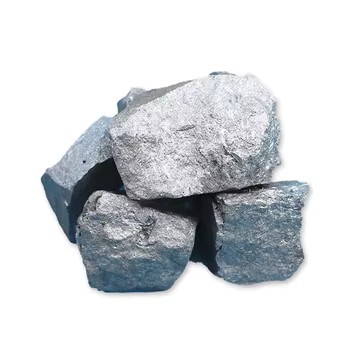
$1150.00
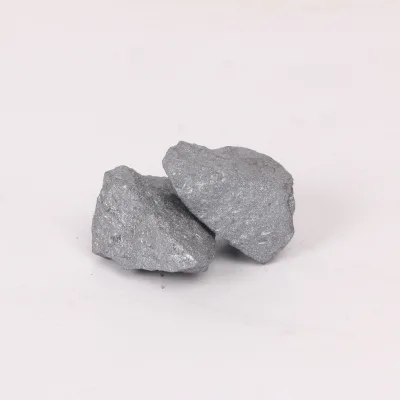
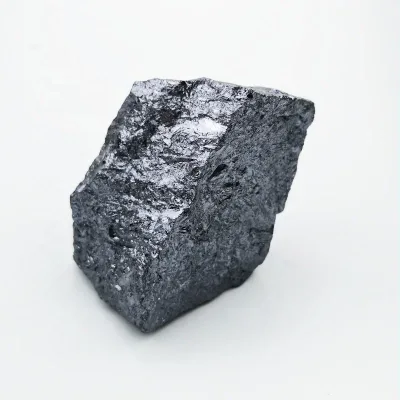
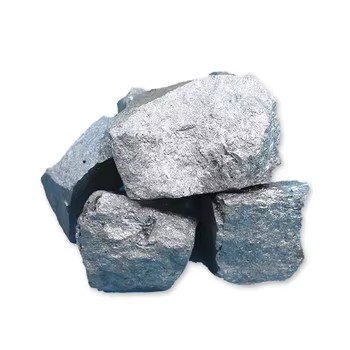

Inner Mongolia Pusheng Iron &Steel Co., Ltd.
- Verified by SGS
- Trading Company,Manufacturer/Factory
- China InnerMongolia
- Lead time15 days
- Avg. response≤ 11h
Main productsFerromanganese, Ferrochrome, Ferrosilicon, Manganese Lump, Silicon Metal, Ferromolybdenum, Ferrotitanium, Ferrotungsten
Main marketsSouth America,Eastern Europe,Mid East,North America,Southeast Asia,Eastern Asia,Oceania,Western Europe,Africa


Ferrosilicon 72 From Inner Mongolia Hot Selling Ferro Alloy Ferro Silicon
$1050.00 - $1150.00
MOQ: 25 Tons

FeSi Price/ Ferro Silicon 75 Chinese High Quality Factory Ferrosilicon
$1200.00 - $1500.00
MOQ: 25 Tons


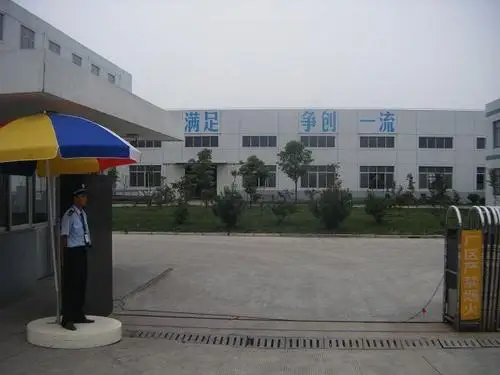
Hebei Xuhui Import & Export Co., Ltd.
- Trading Company
- Hebei, China
- Lead time0 days
- Avg. response≤ 4h
Main productsFoundry Coke, Calcined Petroleum Coke, Semi Coke, Alloys
Main marketsMid East(35.00%), Southeast Asia(35.00%), South Asia(15.00%), Eastern Europe(15.00%)
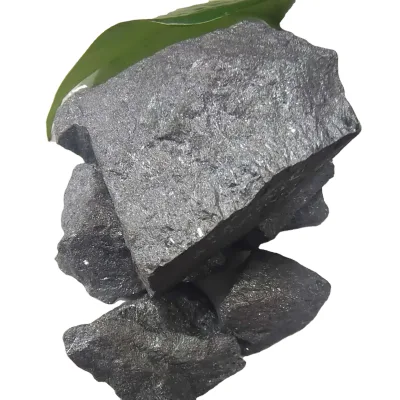
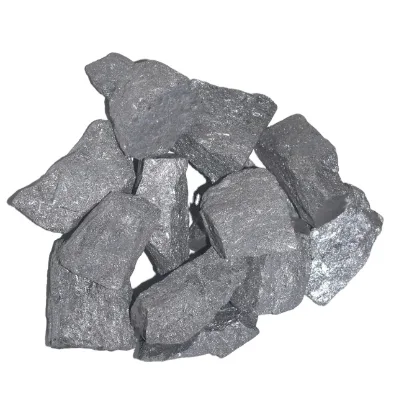
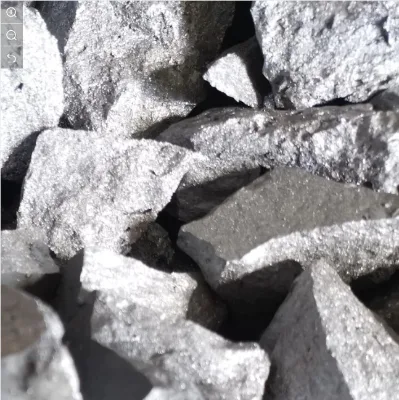
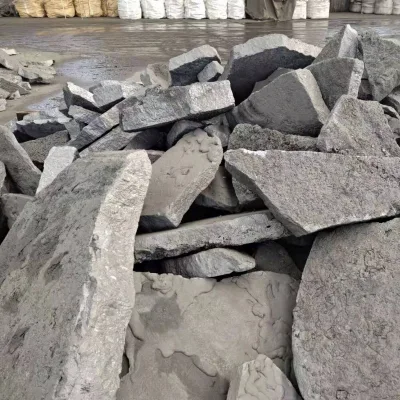
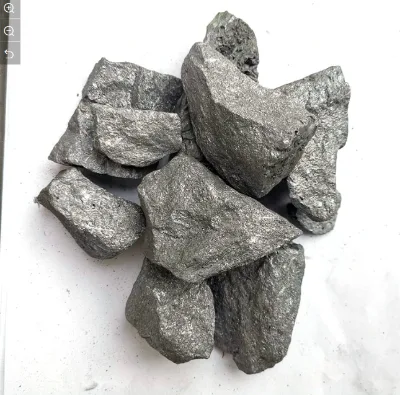
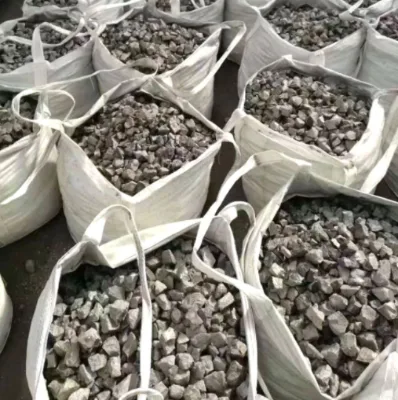
Large Supply High Quality Ferrosilicon 75 Powder Ferrosilicon 72 Particles Fe Si Zr Ferro Silicon
$1000.00 - $1100.00
MOQ: 25 tons
Hainan Flag Mountain Import And Export Trading Co., Ltd.
- Trading Company
- Henan, China
- Lead time5 days
- Avg. response≤ 11h
Main productschromium metal,silicon metal,ferrochrome,electrolytic manganese,magnesium ingot
Main marketsNorth America(20.00%), South America(10.00%), Eastern Asia(10.00%), Southeast Asia(9.00%), Mid East(8.00%), Central America(6.00%), Western Europe(6.00%), Oceania(6.00%), Southern Europe(6.00%), Eastern Europe(5.00%), Africa(5.00%), Northern Europe(3.00%), Domestic Market(3.00%), South Asia(3.00%)
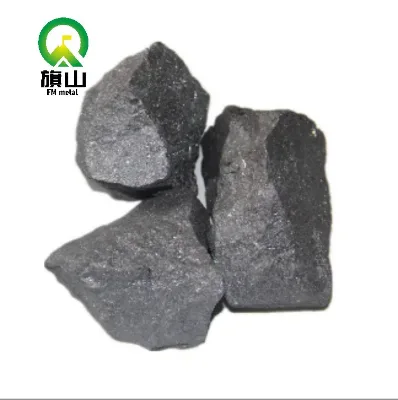
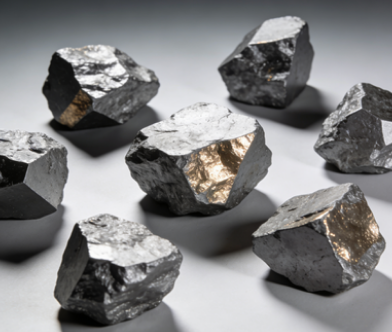
High Purity Ferrosilicon 75 Fesi72 Chinese Factory Manufactured Ferro Silicon Metal Product
$1042.5026
MOQ: 1 Minimum
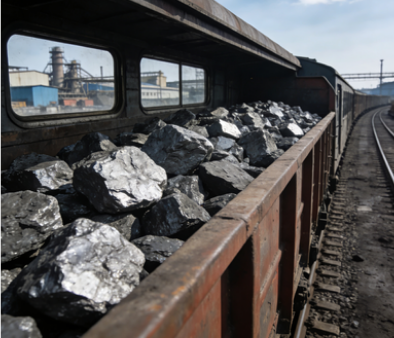
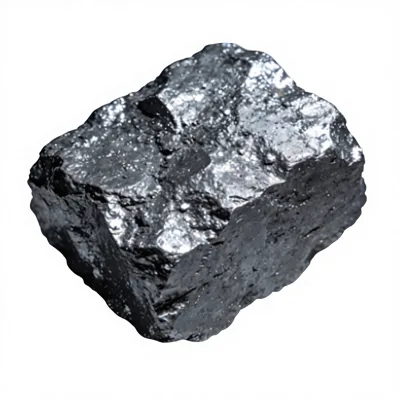
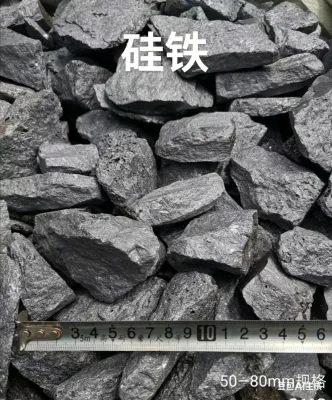
High-Purity Ferrosilicon Nitride (FeSiN) for Advanced Refractory Applications
$1028.1858
MOQ: 1 Minimum

HAINAN YAOJIUZHOU IMPORT AND EXPORT CO., LTD.
- Verified by TUVRHEINLAND
- Trading Company
- China Hainan
- Lead time15 days
- Avg. response≤ 3h
Main productsSilicon Metal, Ferro Chrome Alloy, Ferro Manganese Alloy, Silicon Carbide, Silicon Manganese Alloy, Graphitized Petroleum Coke, Calcium Silicon Alloy, Ferro Silicon
Main marketsSouth America

China Export Wholesale Price Ferrosilicon Ferro Silicon 75/ Ferro Silicon FeSi
$1000.00 - $1250.00
MOQ: 20 Tons

FeSi Ferro Silicon 75 High Temperature Stability Preferred by Metallurgical Industry Ferrosilicon
$1000.00 - $1250.00
MOQ: 20 Tons

Ferro Silicon FeSi70 Alloy Silicon Content 65%-75% Made to Order Ferrosilicon
$1000.00 - $1250.00
MOQ: 20 Tons

The Factory Customized Low Carbon Gray Ferro Silicon 70/ FeSi/ Ferrosilicon
$1000.00 - $1250.00
MOQ: 20 Tons

The Factory Supply Premium Gray 65%70%72% FeSi Ferro Silicon 75 Lump/ Ferrosilicon
$1000.00 - $1250.00
MOQ: 20 Tons

Ferrosilicon The Manufacturer Customized Good Price FeSi 65 Ferro Silicon
$1000.00 - $1250.00
MOQ: 20 Tons
Hebei Ganghong Energy Tech Co., Ltd.
- Trading Company
- Hebei, China
- Lead time0 days
- Avg. response≤ 5h
Main productsfoundry coke,met coke,petroleum coke,CAC,GPC
Main marketsSoutheast Asia(90.00%), Mid East(5.00%)
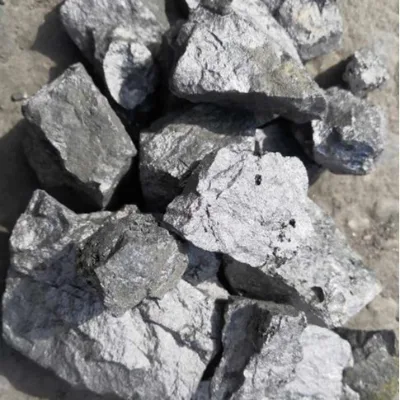
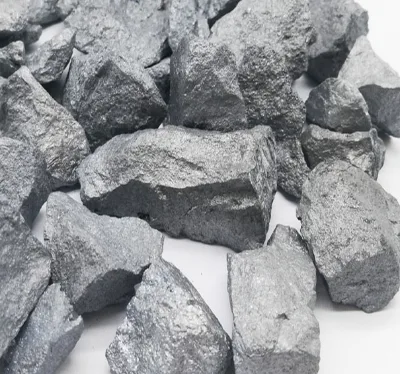
Factory Supply Ferrosilicon for Deoxidizer 72/75 Ferrosilicon Alloy
$929.8373 - $1136.4678
MOQ: 20 tons
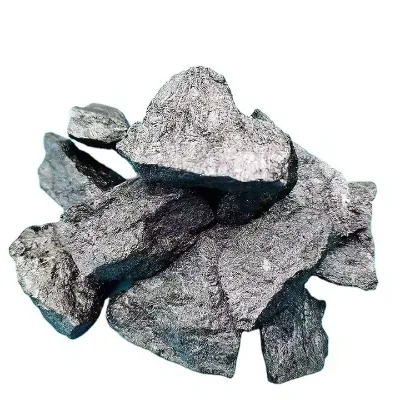
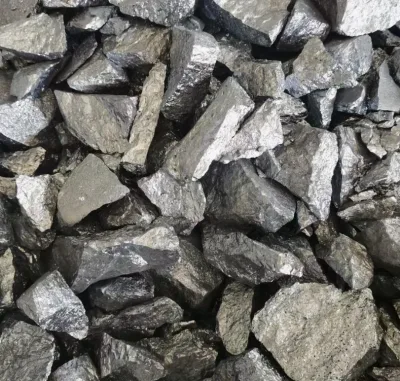
Ferrosilicon Ferroalloys Metallurgical Charge
$900.00 - $1100.00
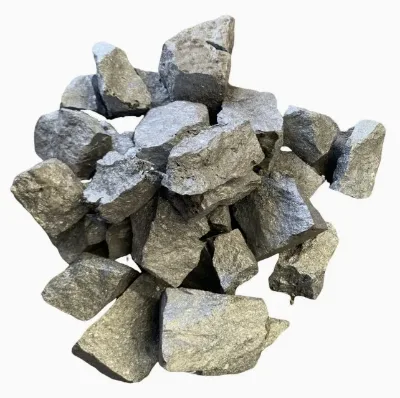
Ferrosilicon75/72 Ferroalloys Metallurgy Steelmaking Carbon Enhancement Iron Enhancement
$1020.4665 - $1224.5598
MOQ: 20 tons
Lingshou Jiaqi Mineral Processing Factory
- Manufacturer
- Hebei, China
- Lead time10 days
- Avg. response≤ 2h
Main productsTourmaline Powder/Ball,Diatomite,Gypsum Powder,Hydrated Lime,Ceramic Ball
Main marketsEastern Asia(50.00%), Africa(20.00%), Southeast Asia(20.00%), Eastern Europe(10.00%)
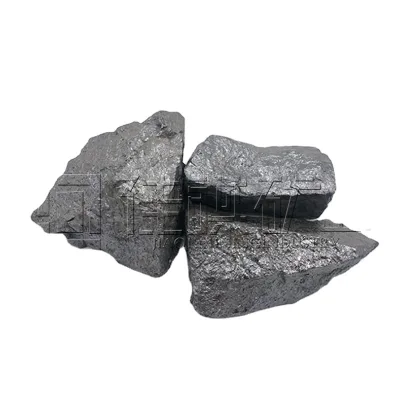
$1900.00 - $2200.00
MOQ: 1 tons
Shandong Jinqi Chemical Co., Ltd.
- Verified by SGS Group
- Trading Company
- Lead time10 days
- Avg. response≤ 7h
Main productsPVC Resin, MDI, Caustic Soda, Paraffin Wax, Calcium Carbide
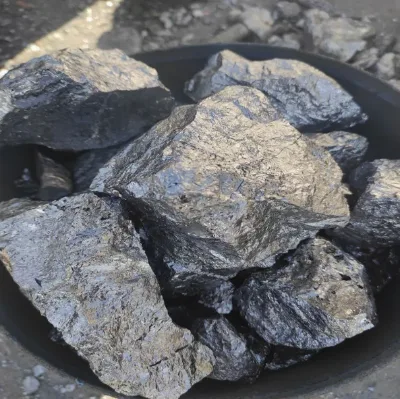
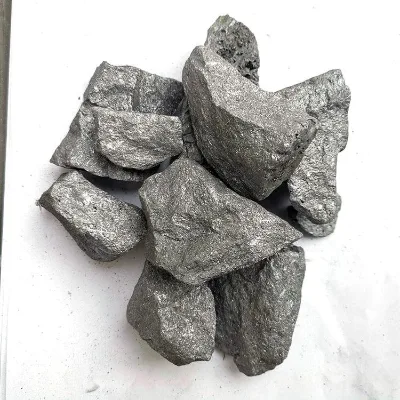
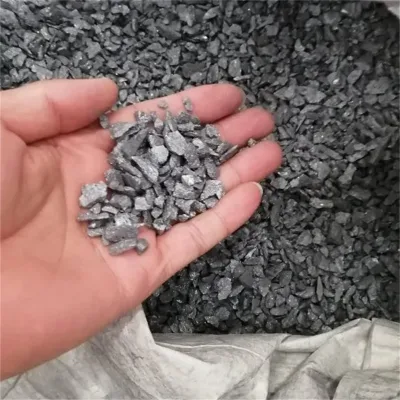
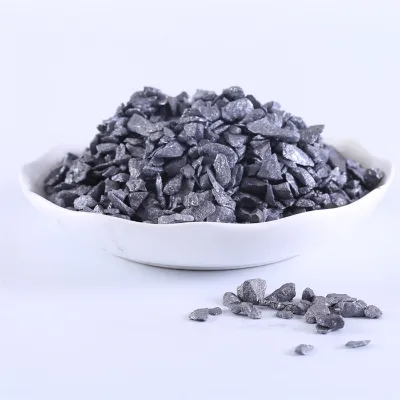
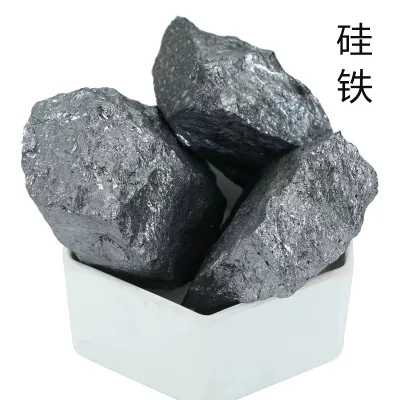
Ferrosilicon Ferro Silicon 72/75 FeSi Used in Stainless Steel Casting Process
$1000.00
MOQ: 25 Minimum
$800.00 - $1000.00
MOQ: 20 tons
Anyang Houcheng New Material Co., Ltd.
- Trading Company
- Henan Province, China
- Lead time0 days
- Avg. response≤ 1h
Main productsMetallic silicon,ferrosilicon,silicon carbide,Silicon carbon alloy,ferromanganese
Main marketsNorth America(30.00%), Southeast Asia(30.00%), Mid East(15.00%), Central America(15.00%), Eastern Asia(10.00%)
Shijiazhuang Yandong Mineral Products Co., Ltd.
- Trading Company
- Hebei, China
- Lead time0 days
- Avg. response≤ 2h
Main productszeolite,volcanic rock,Pumice,Calcium powder,Graphite
Main marketsEastern Asia(50.00%), South Asia(30.00%), Northern Europe(10.00%), Mid East(10.00%)
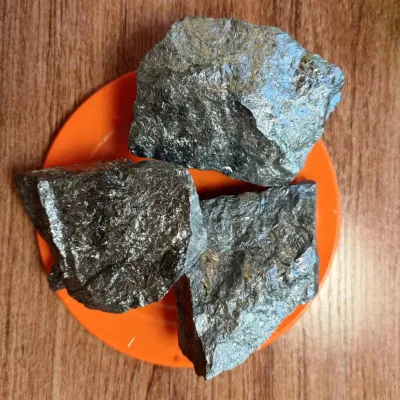
Comprehensive Sourcing Guide
China Mainland Ferrosilicon Supplier Concentration and Factory Types
Current data indicates that verified suppliers for China Mainland Ferrosilicon are concentrated in specific provinces, with Gansu and Henan emerging as distinct operational hubs. Fact records confirm a presence in Gansu, where manufacturers and trading companies offer a diverse range of metallurgical products including Ferro Silicon, Rare Ferro Silicon Magnesium, and Silicon Metal. This concentration suggests a regional cluster where raw material access and processing infrastructure support large-scale production. In contrast, other verified entries point to Henan, where trading companies facilitate the movement of ferrosilicon alloys, often acting as intermediaries between production facilities and international buyers. The distinction between a manufacturer and a trading company is critical, as the former typically controls the production line while the latter manages logistics and sales.
The supplier landscape includes both direct manufacturers and trading entities, each offering different value propositions. Some entities list themselves as manufacturers with OEM capabilities, suggesting they can customize product specifications such as carbon content or particle size. Others operate strictly as trading companies, leveraging their network to source from various factories. The main products listed across these verified profiles consistently include Ferro Silicon, Silicon Carbide, and various alloy forms, indicating a specialized market focus. Buyers should note that while some suppliers claim to be manufacturers, the actual production capacity and facility ownership must be verified through direct inquiry. The presence of ISO 9001 and GMP certifications in some profiles provides a baseline for quality management systems, though these should be cross-referenced with current audit reports.
How to Verify China Mainland Ferrosilicon Suppliers
Verification begins with scrutinizing the specific attributes provided in supplier profiles, such as response times and lead times, which serve as proxies for operational efficiency. Data shows response times varying significantly, with some suppliers responding within 4 hours while others take over 13 hours. A faster response time often correlates with a more active sales team and better communication channels, which is vital for resolving technical queries regarding alloy grades. Similarly, lead times are a critical metric; while some profiles indicate a lead time of 23 days, others show zero days, which may imply stock availability or a specific logistical arrangement. Buyers must treat these numbers as initial indicators rather than guarantees, as actual delivery depends on order volume and current production schedules.
Beyond operational metrics, buyers must validate the authenticity of certifications and product specifications. Profiles list ISO 9001 and GMP certifications, but these claims require independent verification to ensure they are current and applicable to the specific ferrosilicon products being sourced. The product evidence section reveals detailed attributes like color, carbon content, and standard grades (e.g., Fesi 45%, 65%, 75%), which must match the buyer's technical requirements. It is essential to request recent test reports or mill certificates that confirm the chemical composition, particularly for critical elements like silicon and carbon content. Additionally, the presence of a brand name or specific model numbers in the product data can help trace the origin of the goods, ensuring that the supplier is not merely rebranding generic materials.
What to Compare Across China Mainland Ferrosilicon Suppliers
When evaluating multiple suppliers, the primary comparison points should include pricing structures, minimum order quantities, and payment terms. Price data reveals a wide range, with some listings showing minimum prices around 830 USD and others reaching up to 1490 USD. This variance often reflects differences in alloy purity, such as 45% versus 75% silicon content, or variations in packaging and logistics. Buyers must compare the price per ton against the specific grade and standard, ensuring that the cost includes all necessary components like packaging and inland freight. Minimum order quantities also vary, with some suppliers requiring as little as 1 ton while others set thresholds at 27 tons. Understanding these MOQs is crucial for aligning the order size with inventory needs and cash flow constraints.
Response speed and customization capabilities are equally important factors in the comparison process. Suppliers with faster response times, such as those under 5 hours, may offer better support for urgent orders or technical adjustments. Customization options, including specific particle sizes like 10-100mm or unique packing methods like Jumbo Bags versus P.P. Bags, allow buyers to tailor the product to their specific metallurgical processes. Payment terms also differ, with some suppliers accepting LC at Sight or T/T, while others may have stricter requirements. Buyers should create a comparison matrix that weighs these factors against the total landed cost, considering that a lower unit price might be offset by higher shipping costs or stricter payment conditions.
Common China Mainland Ferrosilicon Sourcing Risks
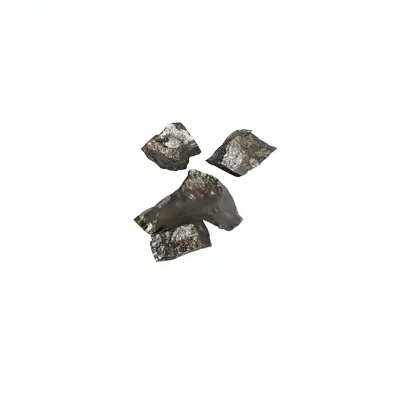
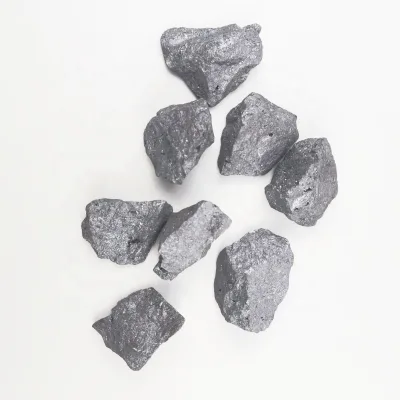
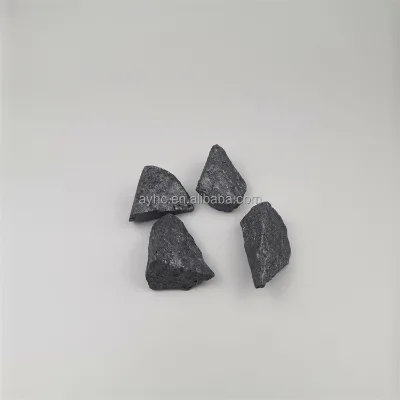
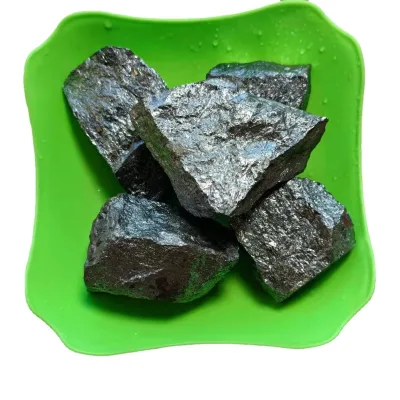
One significant risk involves the discrepancy between advertised product standards and actual delivered quality. While profiles list standards such as Fesi 45% or 75%, the actual chemical composition can fluctuate based on the production batch. Without rigorous third-party inspection, buyers risk receiving material that does not meet the required specifications for steelmaking or casting applications. This is particularly relevant for alloys where carbon content and impurity levels are critical. The variation in product attributes, such as color ranging from black to gray, further underscores the need for strict quality control measures before shipment. Relying solely on the supplier's self-reported data without independent verification can lead to production delays or defective end products.
Another risk stems from inconsistent lead times and logistical delays. While some suppliers claim a lead time of zero days, others indicate 23 days, creating uncertainty in supply chain planning. This inconsistency can be exacerbated by external factors such as raw material shortages or regulatory changes in the manufacturing regions. Additionally, the reliance on trading companies introduces an extra layer of complexity, as the actual production facility may be unknown or distant from the trading office. Buyers must account for potential delays in communication and documentation, which can affect the overall timeline. Mitigating these risks requires clear contractual terms regarding delivery schedules and penalties for non-compliance, ensuring that the supplier is held accountable for meeting agreed-upon timelines.
China Mainland Ferrosilicon Regional Sourcing and Logistics
Regional sourcing strategies should focus on the specific provinces where verified suppliers are located, such as Gansu and Henan. Gansu appears to be a hub for manufacturers with direct access to raw materials, potentially offering more competitive pricing for bulk orders. In contrast, Henan-based trading companies may offer more flexible logistics solutions, leveraging their proximity to major transportation networks. Understanding the geographic distribution of suppliers helps buyers optimize shipping routes and reduce freight costs. For instance, sourcing from Gansu might involve longer inland transport to coastal ports, while Henan-based suppliers could be closer to key export hubs. This regional insight allows for more accurate estimation of total logistics costs and delivery times.
Logistics planning must also consider the specific packaging requirements and handling instructions for ferrosilicon. Product data indicates various packaging options, including 1mt Jumbo Bags and P.P. Bags, which affect how the material is loaded and transported. Proper packaging is essential to prevent contamination and ensure the material arrives in good condition. Buyers should verify that the supplier uses durable packaging suitable for long-distance shipping, especially if the destination involves multiple handling points. Additionally, the choice of shipping method, whether by sea or rail, will impact the overall cost and transit time. Coordinating with the supplier to align packaging and shipping methods with the buyer's logistics network can streamline the entire supply chain process.
China Mainland Ferrosilicon Commercial Terms and Order Planning
Commercial terms and order planning are pivotal for ensuring a smooth transaction and minimizing financial risk. Payment terms vary among suppliers, with options like LC at Sight and T/T being common. Buyers should negotiate terms that balance risk and cash flow, such as partial payments upon order confirmation and the remainder upon shipment. Understanding the specific payment conditions is crucial, as some suppliers may require full payment upfront, while others offer more flexible arrangements. Additionally, the minimum order quantity (MOQ) plays a significant role in order planning, as it dictates the smallest viable order size. Buyers must align their production schedules with these MOQs to avoid overstocking or underutilizing capacity.
Order planning also involves anticipating lead times and potential delays. While some suppliers list lead times as zero days, others indicate 23 days, requiring careful scheduling to meet production deadlines. Buyers should build buffer time into their plans to account for potential delays in production or shipping. Furthermore, the availability of customization options, such as specific particle sizes or alloy grades, should be factored into the planning process. Clear communication with the supplier regarding these requirements ensures that the final product meets the buyer's specifications. By carefully managing commercial terms and order planning, buyers can mitigate risks and ensure a reliable supply of high-quality ferrosilicon for their operations.
FAQs
What is the price range for ferrosilicon from China?
Ferrosilicon prices from China typically range from $830 to $1490 per metric ton. The cost varies based on silicon content, with FeSi 45% starting around $830 and FeSi 75% reaching up to $1490. Buyers should verify specific quotes for their required alloy grade and volume.
What are the common specifications for lump ferrosilicon?
Common specifications include silicon content levels of 45%, 65%, 72%, and 75%. The product is available in lump form with sizes ranging from 10 to 100mm. Carbon content can be low or medium, and customization is available to meet specific metallurgical requirements for steelmaking.
What is the minimum order quantity for ferrosilicon?
Minimum order quantities vary by supplier, with some requiring as little as 1 ton while others set the threshold at 27 tons. Most suppliers offer durable ton bags or jumbo bags for packaging. Buyers should confirm the exact MOQ with the supplier before placing an order.
Where are ferrosilicon suppliers located in China?
Ferrosilicon suppliers are primarily located in regions such as Gansu and Henan provinces. These areas are key manufacturing hubs for ferroalloys. Buyers can source directly from factories or trading companies based in these locations to ensure reliable supply chains for their industrial needs.
What certifications do ferrosilicon suppliers hold?
Many suppliers hold ISO 9001 and GMP certifications to ensure quality management standards. These credentials indicate adherence to international production and safety protocols. Buyers should request valid certification documents to verify compliance before finalizing procurement agreements for industrial alloy materials.
How long does it take to deliver ferrosilicon?
Lead times for ferrosilicon delivery typically average around 23 days. Some suppliers may offer faster turnaround times depending on stock availability. Buyers should confirm the exact lead time with the supplier to align with their production schedules and ensure timely delivery of materials.
What payment terms are accepted for ferrosilicon orders?
Common payment terms include T/T and L/C at sight. These methods provide security for both buyers and sellers in international trade. Buyers should discuss specific payment arrangements with the supplier to ensure they align with their financial processes and risk management strategies.