Find Rosewood Veneer for Flooring, Cabinetry, and Wall Panels
Source 30 verified listings for Rosewood Veneer suitable for indoor and outdoor applications. Buyers can compare specifications like thickness, moisture content, and formaldehyde emission standards across models such as Rosewood-1610C and ATL-318S to match project needs.
Key considerations
Products List

$0.80 - $2.05
MOQ: 160 Square Meters


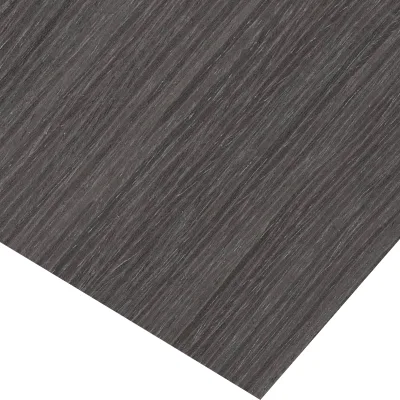
Rosewood Wood Veneer Engineered Veneer Reconstituted Veneer for Plywood Door
$0.80 - $2.05
MOQ: 160 Square Meters


$1.98 - $2.11
MOQ: 10000 Square Meters

$1.98 - $2.11
MOQ: 10000 Square meter

$1.98 - $2.11
MOQ: 10000 Square meter

$1.98 - $2.11
MOQ: 10000 Square meter




Comprehensive Sourcing Guide
Strategic Sourcing Guide for Rosewood Veneer Procurement
Navigating the global market for Rosewood Veneer requires a disciplined approach that balances aesthetic requirements with rigorous technical and compliance verification. Buyers entering this sector must distinguish between engineered solutions and natural material variations, as the supply chain for high-end decorative veneers is complex. The following guide outlines the critical parameters for sourcing, ensuring that procurement decisions are grounded in verifiable product attributes rather than marketing assertions.
Technical Specifications and Material Variations
The foundation of a successful Rosewood Veneer procurement lies in understanding the specific technical definitions of the material. In the current market, "rosewood" often refers to a specific aesthetic finish rather than a single botanical species, appearing in both natural and engineered forms. Buyers must carefully evaluate the distinction between Natural Wood Veneer and Engineered Wood Veneer, as these categories dictate the structural integrity and application suitability of the final product.
Data indicates that Rosewood Veneer products are available in specific thicknesses tailored for different structural needs. For instance, specific product lines offer thicknesses ranging from 0.4mm to 4.0mm, with 1.7mm and 2.0mm variants also present in the market. These dimensions are critical for applications such as flooring superstratum or decorative paneling. The apparent specific weight of these materials typically falls between 0.61kg and 0.8kg per cubic meter, a density range that influences handling and shipping logistics.
Dimensional consistency is another vital technical factor. Standardized sheet sizes are frequently observed, with common dimensions including 640mm by 2150mm, 640mm by 2500mm, and larger formats extending to 3000mm in length. For specialized flooring applications, strip dimensions such as 900mm by 125mm or 1900mm by 190mm are utilized. The moisture content of the veneer is a critical quality indicator, with acceptable ranges typically falling between 9% and 11%. Deviations from this range can lead to warping or delamination during the manufacturing process.
| Attribute Category | Observed Specifications | Application Context |
|---|---|---|
| Thickness | 0.4mm, 1.7mm, 2.0mm, 4.0mm | Flooring top layers, decorative panels |
| Sheet Dimensions | 640x2150mm, 640x2500mm, 640x3000mm | Wall cladding, cabinetry |
| Strip Dimensions | 900x125mm, 1900x190mm | Flooring superstratum |
| Density | 0.61 - 0.8 kg/m³ | Structural load calculations |
| Moisture Content | 9% - 11% | Stability and glue adhesion |
Compliance and Certification Verification
Compliance with environmental and safety standards is non-negotiable in the modern veneer industry. Buyers must verify that suppliers can provide documentation for specific certifications rather than relying on general claims. The market data highlights the presence of ISOCARB certification and FSC (Forest Stewardship Council) certification as key indicators of responsible sourcing. While FSC is a widely recognized standard for sustainable forestry, the specific presence of ISOCARB suggests a focus on carbon footprint management or specific regional compliance protocols.
Formaldehyde emission standards are equally critical, particularly for indoor applications. The observed data points to compliance with Grade AA and Grade A emission standards. These grades indicate the level of volatile organic compounds (VOCs) released by the product. For projects requiring strict indoor air quality control, verifying that the product meets Grade AA is advisable. However, buyers should note that not every listed product may satisfy the highest grade; verification of the specific batch or model is required.
Additionally, the origin of the material plays a role in compliance. Products originating from China, specifically regions like Zhejiang and Hei Long Jiang, are common in the supply chain. Buyers should ensure that the origin matches the regulatory requirements of their destination market, as different jurisdictions have varying import standards regarding wood treatment and chemical usage.
Cost Drivers and Pricing Dynamics
The pricing structure for Rosewood Veneer is influenced by a complex interplay of material type, thickness, and customization requirements. The observed price range in the market is exceptionally broad, spanning from $0.20 to $170,000 USD. This variance is not indicative of a single product category but rather reflects the difference between raw material samples, standard decorative sheets, and specialized, high-volume industrial orders.
Several factors drive these costs. First, the distinction between natural and engineered veneer significantly impacts price. Natural wood veneer, which involves the slicing of solid logs, generally commands a higher price point due to the scarcity of the raw material and the labor-intensive processing. Engineered veneer, often produced from MDF or other composite substrates, offers a more cost-effective alternative with consistent grain patterns.
Customization is another major cost driver. The availability of customization options allows buyers to specify unique dimensions, finishes, or surface treatments. However, custom orders typically incur higher unit costs and may require higher Minimum Order Quantities (MOQ). The observed MOQ range spans from 1 unit to 10,000 units. Small orders allow for flexibility but often come with a premium per unit, while large-volume orders can leverage economies of scale to reduce costs.
Typical Applications and Usage Scenarios
Rosewood Veneer is versatile, finding application in both indoor and outdoor environments, though the specific product formulation must match the intended use. For indoor applications, the material is frequently used for decorative paneling, cabinetry, and high-end furniture. The specific product models, such as "Rosewood-1610C" or "ATL-318S," are often designed for these interior settings where environmental conditions are controlled.
In the flooring sector, Rosewood Veneer serves as a critical component for the top layer or superstratum. Products labeled as "Flooring Toplayer Veneer" or "Oakwood Lamella Veneer" (often used in conjunction with rosewood aesthetics) are engineered to withstand foot traffic and mechanical stress. The thickness of the veneer in these applications is crucial; a 4.0mm thickness might be selected for heavy-duty flooring, while a 0.4mm veneer might be used for overlay applications where cost and weight are primary concerns.
Outdoor usage requires specific attention to the veneer type and finishing. While some products are rated for outdoor use, the exposure to moisture and UV radiation necessitates robust surface finishing and potentially different adhesive systems. Buyers must verify that the specific product model is explicitly rated for outdoor exposure before specifying it for exterior cladding or decking applications.
Supplier Evaluation and Origin Analysis
Evaluating suppliers for Rosewood Veneer requires a focus on their ability to provide consistent quality and reliable logistics. The supply chain is heavily concentrated in China, with specific manufacturing hubs identified in Zhejiang and Hei Long Jiang provinces. When assessing potential partners, buyers should prioritize suppliers who can demonstrate a clear understanding of the specific product models they offer, such as the "ATL-Engineered Veneer" or "HS540" series.
Packaging standards are a key indicator of supplier professionalism. The industry standard for export is the use of wooden pallets, often described as "Standard Export Packing by Wood Pallet." Some suppliers may also offer carton packaging for smaller or more delicate orders. The consistency of packaging ensures that the veneer arrives without damage, which is critical given the fragile nature of thin wood sheets.
Buyers should also investigate the supplier's capacity for customization. The ability to produce "Customized" orders suggests a flexible manufacturing process. However, this flexibility must be balanced against the supplier's ability to maintain quality control. A supplier that offers extensive customization but lacks rigorous testing protocols may pose a risk to the buyer's project timeline and budget.
Quality Control and Long-Term Procurement
Implementing a robust quality control (QC) regime is essential for mitigating risks in Rosewood Veneer procurement. The surface finishing process, such as "Section" finishing, must be inspected for uniformity and defect-free surfaces. Buyers should request samples that match the exact specifications of the intended order, including thickness, grain pattern, and color consistency.
Long-term procurement considerations involve establishing a relationship with suppliers who can guarantee consistency over time. The variability in natural wood means that maintaining a consistent look across multiple production batches can be challenging. Suppliers who utilize engineered wood veneer may offer better consistency, while those specializing in natural veneer must demonstrate a robust grading and sorting process.
Furthermore, buyers should consider the lifecycle of the product. Veneer used in flooring or high-traffic areas must maintain its structural integrity over years of use. Verifying the moisture content stability and the durability of the surface finish is crucial. Buyers should also plan for the lead times associated with custom orders, as the production of specialized veneer can take longer than standard stock items.
Strategic Recommendations for Buyers
To navigate the complexities of the Rosewood Veneer market effectively, buyers should adopt a data-driven approach. Start by defining the exact technical requirements, including thickness, dimensions, and moisture content, before engaging with suppliers. Verify certifications such as FSC and ISOCARB, and confirm formaldehyde emission grades (Grade A or AA) based on the intended application environment.
When comparing suppliers, do not rely solely on price. The wide price range indicates significant differences in product quality and origin. Instead, focus on the supplier's ability to meet specific standards, their packaging protocols, and their track record with similar product models. For large projects, leverage the potential for bulk ordering to negotiate better terms, but ensure that the Minimum Order Quantity aligns with the project's actual needs.
Finally, maintain a clear distinction between natural and engineered options. If consistency and cost-efficiency are paramount, engineered veneer may be the superior choice. If the project demands the unique character of natural wood, ensure that the supplier has the capacity to source and process high-quality natural logs. By adhering to these guidelines, buyers can secure high-quality Rosewood Veneer that meets both aesthetic and functional requirements while minimizing procurement risks.
FAQs
What certifications are available for Rosewood Veneer?
Available certifications include FSC and ISOCARB for responsible sourcing and carbon management. Buyers should verify specific model compliance, as not every listed product satisfies the highest grade standards.
Which formaldehyde emission standards apply to indoor use?
Products meet Grade AA and Grade A formaldehyde emission standards for indoor applications. Verification of the specific batch is required as not all listed items satisfy the highest grade for strict air quality control.
Can I find customized Rosewood Veneer options?
Customization is available for dimensions and finishes to meet specific project needs. Custom orders typically require higher minimum order quantities and may incur different unit costs compared to standard stock items.
What are the standard dimensions for Rosewood Veneer sheets?
Standard sheet sizes include 640mm by 2150mm, 2500mm, and 3000mm lengths. Specialized flooring applications may use strip dimensions like 900mm by 125mm or 1900mm by 190mm.
Where are Rosewood Veneer products typically manufactured?
Products originate primarily from China, with specific hubs in Zhejiang and Hei Long Jiang provinces. Buyers must ensure the origin matches the regulatory requirements of their destination market for import compliance.
What is the typical moisture content for this veneer?
The acceptable moisture content range is typically between 9% and 11%. Deviations from this range can lead to warping or delamination during the manufacturing and installation process.
How is Rosewood Veneer packaged for export?
Standard export packing utilizes wooden pallets to ensure safe transport of fragile sheets. Some suppliers may offer carton packaging for smaller or more delicate orders depending on the specific product model.