Find Rosemount 3095 Multivariable Transmitter for Oil Gas and Water
Source 30 available Rosemount 3095 multivariable transmitter units from verified suppliers. Buyers can compare specifications including pressure ranges, communication protocols, and materials of construction to select the right device for industrial process control applications.
Key considerations
Products List


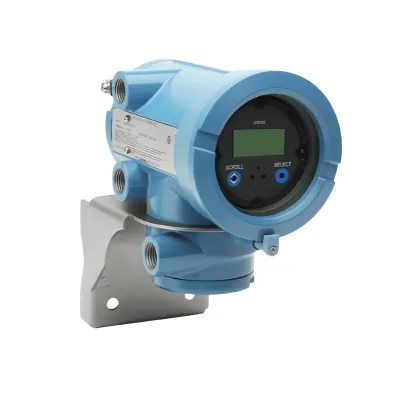
Rosemounte Micro Motion 1700 Single Variable Field Mount Flow Transmitter
$330.00 - $420.00
MOQ: 1 pieces
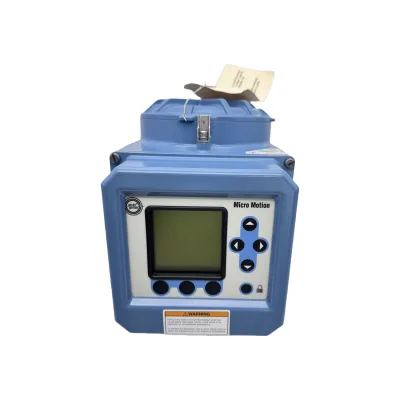
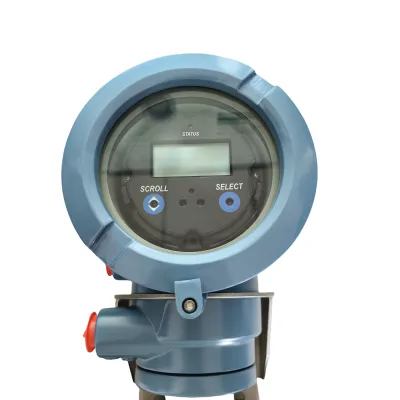
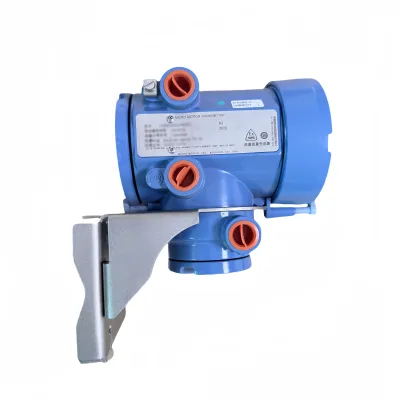
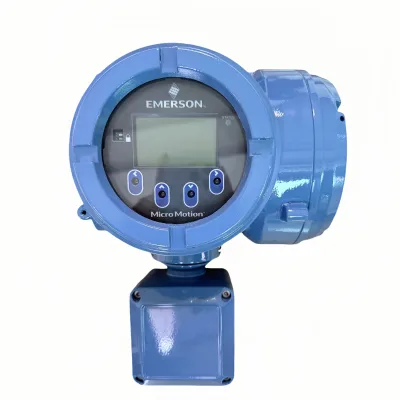


Original Rosemount 3051 Pressure Transmitter with Fieldbus (FF) Protocol
$514.29 - $1071.42
MOQ: 1 Pieces


Original Rosemount 3051d Pressure Transmitter for Pressure Flow and Level
$514.29 - $1071.42
MOQ: 1 Pieces

Rosemount Original 3051tg Pressure Transmitter with Stainless Steel Housing
$500.00 - $1000.00
MOQ: 1 Pieces


Advanced Rosemount 3051tg Pressure Transmitter with Gold-Plated Diaphragm
$750.00 - $950.00
MOQ: 1 Pieces


Comprehensive Sourcing Guide
Strategic Sourcing Guide for Rosemount 3095 Multivariable Transmitters
Procuring industrial instrumentation, specifically the Rosemount 3095 multivariable transmitter, requires a disciplined approach that balances technical precision with supply chain reliability. The Rosemount 3095 is widely recognized in the process industries for its ability to measure multiple process variables, such as pressure, temperature, and flow, simultaneously. While the specific keyword often points to advanced multivariable capabilities, the procurement landscape for such devices involves navigating a complex array of specifications, certifications, and supplier capabilities. This guide provides a comprehensive framework for buyers to evaluate potential sources, ensuring that the selected equipment meets rigorous operational standards without relying on unverified claims.
Technical Specifications and Configuration Verification
The first critical step in sourcing a multivariable transmitter is the precise verification of technical specifications. The device must be evaluated against the specific process requirements of the application. Based on available market data for similar high-end transmitters, buyers should expect a wide range of pressure capabilities. For instance, some units in this category offer a pressure range extending from 0 to 1.5 kPa for low-pressure applications, while others support ranges up to 2000 Psi Differential or 2000 Psig Gage. The ability to handle a rangeability of up to 150:1 is a common high-performance attribute that ensures accuracy across varying process loads.
Communication protocols are equally vital for integration into existing control systems. The standard interface for these devices often includes 4-20 mA DC with HART protocol support, allowing for two-way digital communication. However, buyers must be vigilant, as some listings may reference alternative or non-standard protocols. It is essential to confirm that the specific unit ordered supports the required HART version and that the wiring configuration, such as a four-wire setup, matches the plant's infrastructure. Furthermore, the power supply requirements typically fall within a 12 to 36 VDC range, but this must be verified against the specific model number, such as the Rosemount 3051 or 4088 series, which often share similar architectural designs.
The materials of construction are a decisive factor in the longevity and safety of the installation. The wetted parts of the transmitter are frequently constructed from 316L Stainless Steel (Sst) and Silicone, providing resistance to corrosion and chemical attack. The case itself is often made of stainless steel, offering robust protection in harsh environments. When evaluating a potential supplier, request detailed material certificates to ensure the 316L grade is authentic and that the silicone diaphragms are suitable for the specific measuring medium, which may include steam or other aggressive fluids.
Compliance, Certification, and Regulatory Standards
Navigating the regulatory landscape is a non-negotiable aspect of industrial procurement. The Rosemount 3095 and its equivalents must comply with international safety and quality standards. A primary certification to look for is the CE mark, which indicates conformity with health, safety, and environmental protection standards for products sold within the European Economic Area. Buyers should explicitly request the CE documentation for the specific batch or model being purchased.
In addition to CE, other certifications may be relevant depending on the region and industry. For example, devices intended for use in hazardous locations often require specific explosion-proof ratings, though these details must be verified on a case-by-case basis. The accuracy of the device is another critical compliance metric. High-precision transmitters in this class often boast an accuracy of 0.04% or 0.1% of the span, but these figures are model-dependent. Buyers must ensure that the accuracy grade claimed by the supplier matches the actual performance data sheet for the specific model number, such as the 3051s or 4088B1P12G4R2F121ABAD2E2.
Environmental and structural standards also play a role. The IP rating, which defines the ingress protection against dust and water, is a key specification. While some units may claim an IP rating suitable for wet environments, the exact rating must be confirmed against the product datasheet. Additionally, the standard packaging and shipping dimensions, often cited as 403020 in certain contexts, should be verified to ensure compatibility with logistics planning. It is important to note that "Standard" or "According to Customer Requirements" are common packing descriptors, and the buyer must specify their needs clearly to avoid logistical mismatches.
Cost Drivers and Pricing Dynamics
Understanding the cost structure of multivariable transmitters is essential for budgeting and negotiation. The observed price range for such devices in the market can vary significantly, spanning from approximately $20 to over $4,300 USD. This wide disparity is driven by several factors, including the specific model number, the complexity of the configuration, the materials of construction, and the level of customization required.
The base price of a standard transmitter is often lower, but the cost escalates with the addition of specialized features. For instance, a unit configured for high-pressure applications with 316L stainless steel wetted parts will command a higher price than a standard gauge pressure unit. Customization options, such as OEM or ODM support, also add to the cost. Buyers should be aware that "Original 100%" units, which are guaranteed to be genuine manufacturer products, typically carry a premium compared to generic or rebranded alternatives.
Furthermore, the supply ability of the manufacturer influences pricing. A supplier with a capacity of 1000 pieces per month may offer more competitive pricing for large orders due to economies of scale, whereas a supplier with limited capacity might charge a premium for expedited or small-batch orders. The minimum order quantity (MOQ) is another cost driver; while some suppliers may offer an MOQ of 1 unit, others might require larger commitments to unlock lower unit prices. Buyers should analyze the total cost of ownership, including shipping, installation, and maintenance, rather than focusing solely on the unit price.
Typical Applications and Operational Context
The Rosemount 3095 multivariable transmitter is designed for a diverse array of industrial applications where precise measurement of multiple process variables is critical. One of the primary use cases is in steam systems, where the transmitter measures pressure, temperature, and flow to calculate mass flow accurately. The ability to measure steam as the measuring medium is a specific capability that must be verified, as not all transmitters are rated for high-temperature steam applications.
In the oil and gas sector, these transmitters are often used for custody transfer and process control, where high accuracy and reliability are paramount. The differential pressure capability, ranging up to 2000 Psi, makes them suitable for flow measurement in pipelines and tanks. Additionally, the gauge pressure and absolute pressure options allow for versatile use in atmospheric and vacuum applications. The device's ability to handle a wide range of pressure types, including sealed pressure, further expands its applicability in complex process environments.
The display capabilities, such as an LCD digital display, are particularly useful in field applications where operators need to monitor readings directly at the sensor. This feature reduces the need for separate handheld communicators in routine checks. However, the specific application requirements must be matched against the device's specifications, such as the IP rating and the operating temperature range, to ensure long-term reliability.
Supplier Evaluation and Quality Assurance
Selecting the right supplier is as important as selecting the right product. Buyers should evaluate suppliers based on their ability to provide genuine products, their technical support capabilities, and their track record in the industry. The "Condition: Original 100%" attribute is a strong indicator of authenticity, but it should be backed by verifiable documentation. Suppliers claiming to offer OEM and ODM support demonstrate flexibility, but buyers must ensure that the customization does not compromise the integrity of the device.
Quality control is a critical component of the supplier evaluation process. Buyers should inquire about the testing procedures used by the supplier to ensure the devices meet the specified accuracy and performance standards. For example, verifying that the accuracy grade of 0.1G or 0.04 is achieved through calibrated testing is essential. The warranty period, often cited as 1 year, is another key factor. A robust warranty indicates the supplier's confidence in the product's quality and their commitment to after-sales support.
Geographic origin is another consideration. While many products originate from China, including specific regions like Shanxi, or the United States, the origin should not be the sole determinant of quality. Instead, buyers should focus on the supplier's quality management systems and their adherence to international standards. The "Place of Origin" listed as the United States or China should be cross-referenced with the manufacturer's official distribution channels to avoid counterfeit products.
Long-Term Procurement and Maintenance Considerations
Sourcing a multivariable transmitter is not a one-time transaction but part of a long-term relationship with the supplier. Buyers should consider the availability of spare parts, the ease of maintenance, and the potential for future upgrades. The communication protocol, such as HART, should be compatible with future control system upgrades to ensure the device remains relevant as technology evolves.
The supply ability of the supplier, such as 1000 pieces per month, is a good indicator of their capacity to fulfill repeat orders. However, buyers should also assess the lead times for custom configurations or emergency replacements. A supplier with a reliable logistics network and a clear policy on packaging, whether standard cartons or custom requirements, will minimize downtime during the procurement process.
Finally, buyers should maintain a detailed record of the specifications, certifications, and test results for each unit purchased. This documentation is crucial for troubleshooting, regulatory compliance audits, and future procurement decisions. By maintaining a disciplined approach to sourcing, buyers can ensure that their investment in multivariable transmitters delivers consistent performance and value over the long term.
Comparative Analysis of Key Specifications
To facilitate decision-making, the following table summarizes key specifications observed in the market for Rosemount 3095 and similar multivariable transmitters. This comparison highlights the variability in attributes and underscores the need for precise verification.
| Specification Category | Observed Attribute | Verification Requirement |
|---|---|---|
| Pressure Range | 0~1.5 kPa to 2000 Psi | Confirm specific range for application |
| Communication | 4-20 mA HART | Verify HART version and protocol |
| Materials | 316L Sst / Silicone | Request material certificates |
| Accuracy | 0.04% to 0.1G | Validate with calibration data |
| Power Supply | 12~36 VDC | Check plant voltage compatibility |
| Origin | China (Shanxi) or USA | Verify manufacturer authorization |
| Warranty | 1 Year | Confirm terms and conditions |
| IP Rating | IP (varies) | Confirm specific rating for environment |
This table serves as a checklist for buyers to ensure that all critical parameters are addressed during the sourcing process. By adhering to these guidelines, buyers can navigate the complexities of the industrial instrumentation market with confidence, securing high-quality multivariable transmitters that meet their operational needs.
FAQs
What communication protocols are supported by these transmitters?
The devices support 4-20 mA DC with HART protocol for two-way digital communication. Some listings also reference alternative interfaces like RS232, but HART remains the standard for integration into existing control systems.
Which materials are used for the wetted parts of the unit?
Wetted parts are frequently constructed from 316L Stainless Steel and Silicone to resist corrosion. The case itself is often made of stainless steel, ensuring robust protection in harsh industrial environments.
Can the transmitter measure steam as the measuring medium?
Yes, specific units are rated to measure steam as the measuring medium. This capability is critical for applications in steam systems where pressure, temperature, and flow must be calculated accurately.
What is the typical accuracy grade for these pressure transmitters?
High-precision models often boast an accuracy grade of 0.04% or 0.1% of the span. Buyers must verify that the claimed accuracy matches the actual performance data sheet for the specific model number.
How does the pressure range vary across different models?
Ranges vary significantly, from 0 to 1.5 kPa for low-pressure applications up to 2000 Psi Differential. Some units also support ranges up to 2000 Psig Gage with a rangeability of up to 150:1.
What certifications should I look for in a certified unit?
A primary certification to look for is the CE mark, indicating conformity with European safety standards. Buyers should explicitly request CE documentation for the specific batch or model being purchased.