Source Rotatable Kitchen Chopsticks Holder for Utensil Storage
Find 30 Rotatable Kitchen Chopsticks Holder options from verified suppliers. Compare features like rotating bases, material choices including plastic and bamboo, and customization services to streamline your procurement process.
Key considerations
Products List






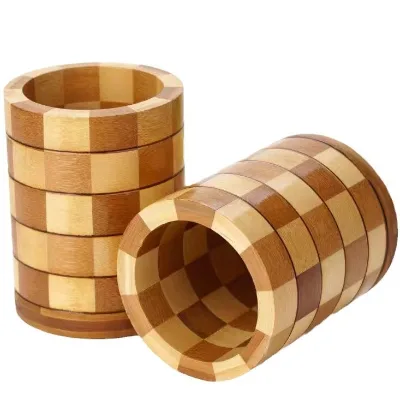
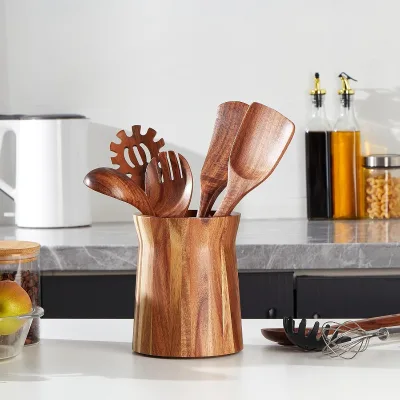


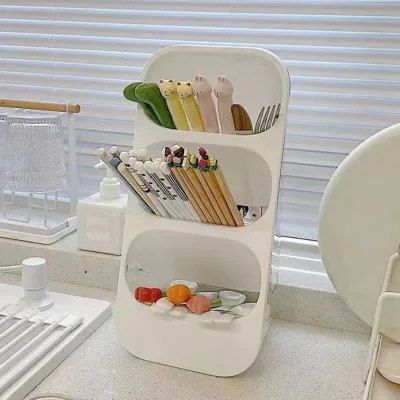


Comprehensive Sourcing Guide
Rotatable Kitchen Chopsticks Holder Sourcing Guide
Sourcing rotatable kitchen chopsticks holders requires a careful balance between functional utility, material durability, and aesthetic integration into modern kitchen environments. These utensil organizers are designed to maximize counter space while providing easy access to frequently used tools such as knives, spoons, and chopsticks. The rotating mechanism is a critical feature that distinguishes these products from static holders, allowing users to access items from multiple angles without cluttering the workspace. Buyers must evaluate the stability of the rotation mechanism, as a wobbly base can lead to product failure and customer dissatisfaction. Additionally, the design must accommodate various utensil sizes, ensuring that larger items like chef’s knives do not destabilize the unit when the base is turned.
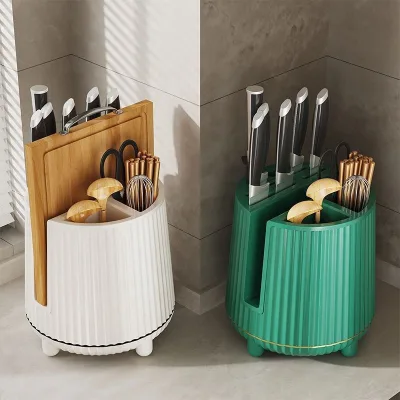
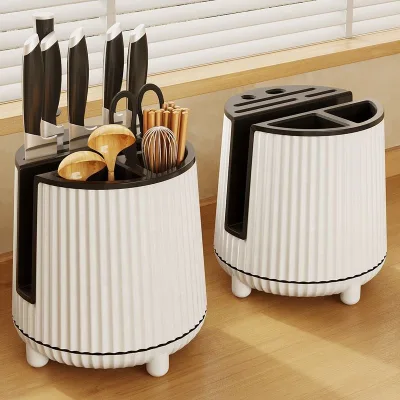
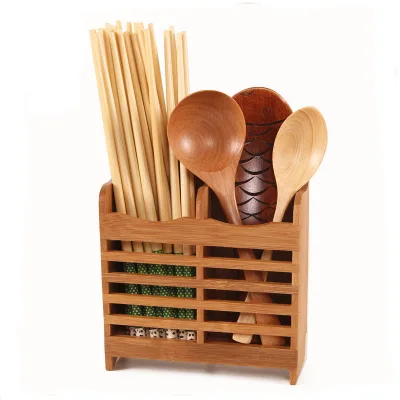
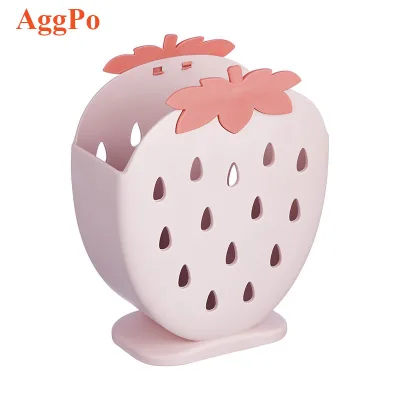
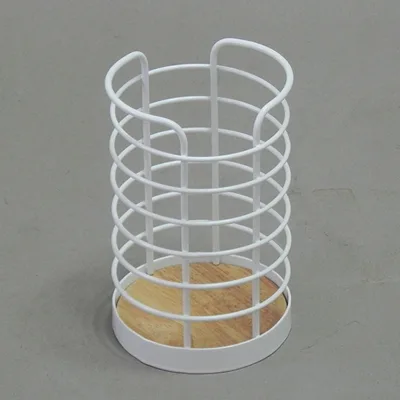
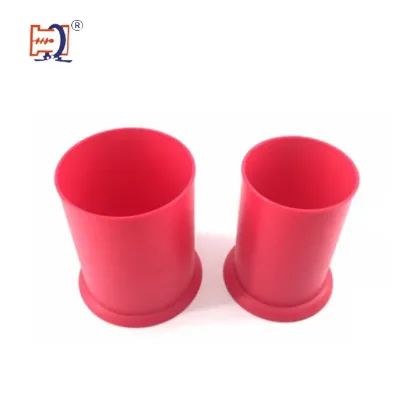
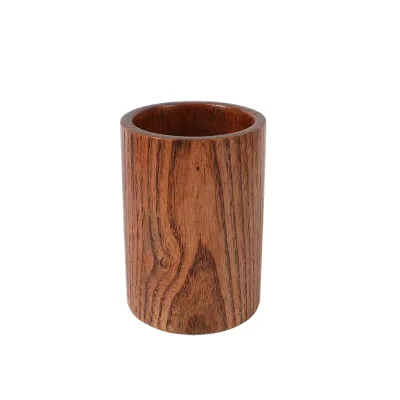
The procurement landscape for these items is diverse, with manufacturers offering solutions ranging from simple plastic models to more complex bamboo or composite designs. Observations from current market listings indicate a wide range of product attributes, including cylindrical and rectangular shapes, as well as materials such as PP plastic and bamboo. Some models feature additional functionalities like drawers or hanging hooks, catering to specific kitchen layouts and storage needs. Buyers should focus on verifying the specific use case for their target market, whether it is for home consumers, hospitality sectors, or commercial restaurants, as this will dictate the required durability and design complexity. Understanding these nuances is essential for selecting suppliers who can deliver products that meet both functional and aesthetic expectations.
Product Scope and Observed Listing Signals
Current market data reveals a broad spectrum of product variations, with observed price points ranging from $0.01 to $9 USD and minimum order quantities (MOQs) spanning from 2 to 150,000 pieces. This wide variance suggests that the category includes both low-cost, high-volume promotional items and higher-quality, specialized units for premium markets. The observed product names often highlight key features such as "Rotatable," "Space-Saving," and "Multi-storage area," indicating that buyers should prioritize listings that explicitly detail these functional benefits. It is crucial to note that not all listed products share the same specifications; for instance, some are described as having a holding capacity of 17 pieces, while others may have different capacities or structural designs. Buyers must carefully cross-reference these signals with their specific volume and quality requirements to avoid mismatches in procurement.
Material composition is another significant signal, with listings indicating the use of PP plastic, bamboo, and other materials. The presence of attributes like "Eco-Friendly" and "Durable" suggests a market trend toward sustainable and long-lasting products, which can be a strong selling point for environmentally conscious consumers. However, buyers should verify these claims through supplier documentation rather than relying solely on listing titles. The observed styles range from "Classic" to more modern designs, with color options including white, orange, green, and their upgraded variants. These aesthetic details are important for buyers targeting specific interior design trends or brand identities. Additionally, the observation of "Customized Logo" acceptance indicates that many suppliers offer OEM services, allowing buyers to brand the products for retail distribution.
Technical Specifications to Verify
When evaluating technical specifications, buyers must prioritize the physical dimensions and structural integrity of the rotatable holder. Observed sizes include specific measurements such as 19.8*21.5cm for the product itself, with single package sizes reaching up to 44X30X23 cm. These dimensions are critical for calculating shipping costs and ensuring the product fits within standard retail packaging constraints. The shape of the holder, whether cylindrical or rectangular, impacts its footprint and stability on kitchen counters. Buyers should request detailed CAD drawings or 3D models to verify the internal structure, particularly the bearing mechanism that enables rotation. A robust bearing is essential to prevent wobbling and ensure smooth operation over time, which is a common point of failure in lower-quality units.
Material thickness and surface finish are also key technical factors that influence durability and user experience. Listings mention techniques such as "Blocks & Roll Bags" and surface finishes like "GLOSSY" or "Chrome," which affect both the aesthetic appeal and the ease of cleaning. For plastic models, the grade of PP material used can determine resistance to heat, stains, and breakage. Buyers should verify that the material is food-safe and resistant to common kitchen chemicals. Additionally, the holding capacity, observed at 17 pieces for some models, should be validated against the actual size and weight of the utensils the product is intended to hold. Overloading the holder can compromise the rotation mechanism, so verifying the weight limit and structural reinforcement is essential for long-term performance.
Compliance and Safety Documentation
Compliance with food contact safety standards is non-negotiable for kitchen utensil holders, even though they do not directly touch food. Buyers must ensure that suppliers provide documentation confirming that the materials used, such as PP plastic or bamboo, are free from harmful substances like BPA, phthalates, or heavy metals. For plastic components, verification of FDA or EU food contact compliance is essential to ensure that the material does not leach chemicals into the environment or onto utensils. Bamboo products should be checked for the use of safe adhesives and finishes, as some low-quality bamboo items may contain formaldehyde or other volatile organic compounds. Buyers should request material safety data sheets (MSDS) and test reports from accredited laboratories to verify these claims.
In addition to material safety, buyers should verify that the products meet general product safety standards for durability and stability. This includes testing for structural integrity under load and resistance to tipping. For products with rotating mechanisms, testing should ensure that the mechanism does not pinch fingers or pose a hazard to children. Buyers should also check for compliance with labeling requirements, including country of origin markings and care instructions. The observed "QC: 100% quality check before shipment" is a positive indicator, but buyers should still request samples to perform their own quality assessments. Ensuring that the supplier has a robust quality control process in place is critical to maintaining consistency across large orders and minimizing the risk of defective products reaching the market.
Cost Drivers and Commercial Terms
The cost of rotatable kitchen chopsticks holders is influenced by several factors, including material choice, manufacturing complexity, and order volume. Observed MOQs range from 2 to 150,000 pieces, indicating that suppliers are flexible in their production capabilities. Lower MOQs may come with higher per-unit costs due to setup fees and smaller production runs, while larger orders can benefit from economies of scale. Buyers should negotiate pricing based on their expected volume, keeping in mind that customizations such as logo printing or unique color schemes may incur additional charges. The observed price range of $0.01 to $9 USD reflects this variability, with lower prices typically associated with simpler, mass-produced plastic models and higher prices for more complex or premium materials.
Commercial terms such as sample time and shipment time are also critical considerations for procurement planning. Observed sample times of 3-7 days allow buyers to quickly evaluate product quality before committing to large orders. Shipment times of 15-30 days after down payment are standard, but buyers should confirm these timelines with their chosen supplier to avoid delays. Payment terms, such as the requirement for a down payment, should be clearly defined in the contract to protect both parties. Buyers should also consider the cost of packaging, as observed packaging options include Opp Bag/box and standard carton packing. Efficient packaging can reduce shipping costs and minimize damage during transit, so negotiating packaging specifications is an important part of the commercial negotiation process.
Supplier Qualification and Quality Control
Supplier qualification is a vital step in ensuring the reliability of the supply chain for rotatable kitchen chopsticks holders. Buyers should verify the supplier’s production capabilities, including their factory size, equipment, and workforce. The observed place of origin, such as Shandong and Zhejiang in China, indicates regions with established manufacturing hubs for kitchenware. Buyers should request factory audits or third-party verification reports to assess the supplier’s operational standards and ethical practices. Additionally, checking the supplier’s history and reputation in the market can provide insights into their reliability and customer service quality. Suppliers who accept OEM/ODM services demonstrate flexibility and capability to meet custom requirements, which is a positive sign for buyers seeking branded products.
Quality control processes should be rigorously evaluated to ensure consistent product quality. The observed "QC: 100% quality check before shipment" is a strong indicator of a supplier’s commitment to quality, but buyers should also inquire about their internal QC procedures. This includes in-process inspections, final random inspections, and testing for specific defects such as cracks, misalignments, or faulty rotation mechanisms. Buyers should request a detailed quality control plan from the supplier, outlining the steps taken to ensure product consistency. Additionally, establishing clear acceptance criteria and rejection protocols in the contract can help manage quality issues effectively. Regular communication with the supplier and periodic quality audits can further enhance the reliability of the supply chain and ensure that products meet the buyer’s standards.
Long-Term Procurement Checks
Long-term procurement success depends on continuous monitoring of supplier performance and market trends. Buyers should establish key performance indicators (KPIs) to track supplier reliability, including on-time delivery rates, product quality metrics, and responsiveness to issues. Regular reviews of these KPIs can help identify potential problems early and allow for corrective actions. Additionally, staying informed about changes in material costs, regulatory requirements, and consumer preferences is essential for maintaining a competitive edge. Buyers should periodically reassess their supplier base to ensure they are working with the most capable and cost-effective partners. Building strong relationships with suppliers through open communication and mutual respect can lead to better pricing, priority production, and collaborative innovation.
Sustainability and innovation are increasingly important factors in the kitchenware market. Buyers should encourage suppliers to adopt eco-friendly practices and materials, such as using recycled plastics or sustainably sourced bamboo. This not only aligns with consumer trends but also helps mitigate regulatory risks associated with environmental regulations. Buyers should also explore opportunities for product innovation, such as developing new designs or features that enhance user experience. By fostering a culture of continuous improvement and innovation, buyers can ensure that their product offerings remain relevant and competitive in the long term. Regularly updating product specifications and designs based on customer feedback and market analysis is a key strategy for maintaining market leadership and driving growth.
FAQs
What is the holding capacity of the Rotatable Kitchen Chopsticks Holder?
The product holds 17 pieces of cutlery based on the observed specifications. This capacity is designed for efficient storage in kitchen environments while maintaining a compact footprint.
Can I customize the logo on the Rotatable Kitchen Chopsticks Holder?
Yes, customized logos are accepted for this product. Buyers can request branding options to align the storage unit with their specific business identity or promotional needs.
What is the minimum order quantity for the Rotatable Kitchen Chopsticks Holder?
The minimum order quantity is 2 pieces for this item. This low threshold allows buyers to test the product quality before committing to larger bulk orders.
How long does it take to ship the Rotatable Kitchen Chopsticks Holder?
Shipment takes 15 to 30 days after the down payment is received. This timeline accounts for production and logistics from the origin locations in China.
What material is used to make the Rotatable Kitchen Chopsticks Holder?
The holder is constructed from durable plastic, specifically PP material. This ensures the product is eco-friendly, easy to install, and suitable for daily kitchen use.
Which dimensions are available for the Rotatable Kitchen Chopsticks Holder?
The standard size is 19.8 by 21.5 cm with a single package size of 44 by 30 by 23 cm. These dimensions support space-saving designs for various kitchen layouts.