Source Rotatable Bottom Phone Grip Holder for Dashboard, Cup Holder, Windshield
Explore 30 options for the Rotatable Bottom Phone Grip Holder designed for secure mounting in cars. Buyers can compare features like magnetic strength, adjustable angles, and mounting types across various models from Chinese manufacturers.
Key considerations
Products List


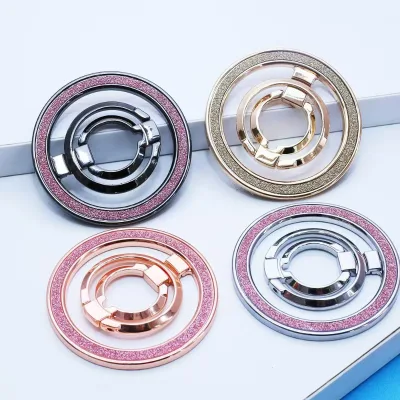

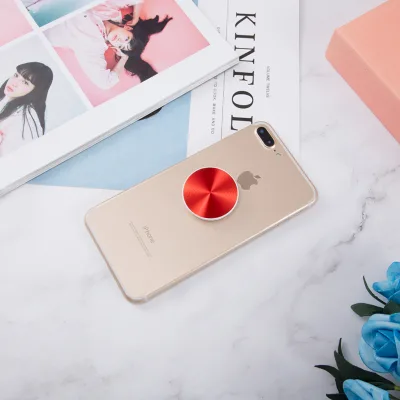
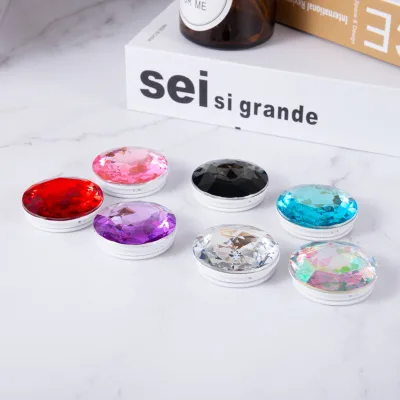
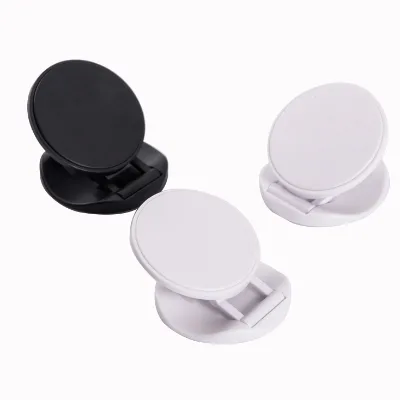

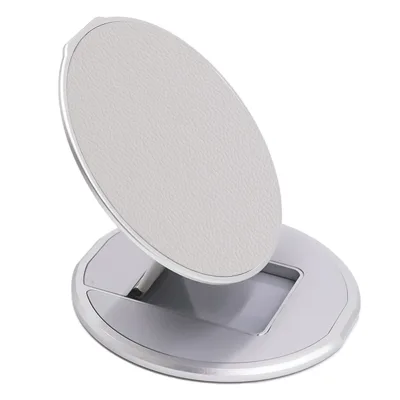
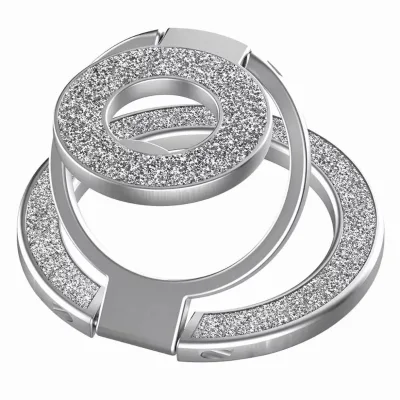


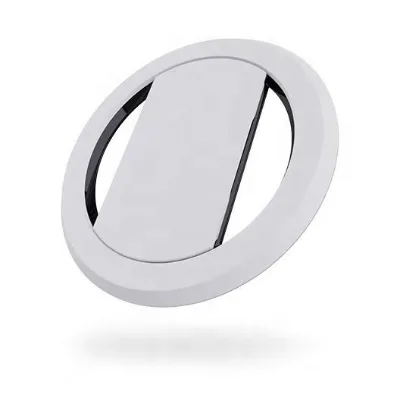
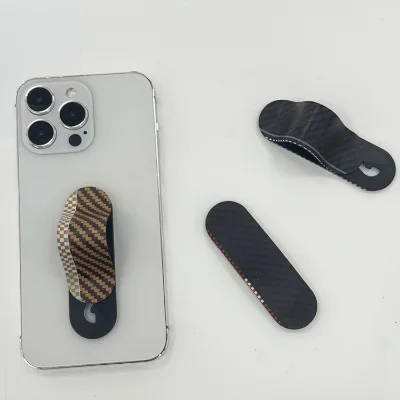


Mobile Phone Mount Holder with Plastic+ Silicone Stand Mobile Phone Holder
$2.19 - $2.38
MOQ: 100 Pieces

Comprehensive Sourcing Guide
Strategic Sourcing Guide for Rotatable Bottom Phone Grip Holders
Understanding the Technical Architecture and Functional Variants
The core keyword "Rotatable Bottom Phone Grip Holder" describes a specific class of mobile accessories designed to enhance device stability and usability through a pivotable mounting mechanism. In the B2B procurement landscape, these items are often categorized under broader headings such as "Car Adapter," "Clip," or "Magnetic" types, yet their defining characteristic remains the ability to rotate, typically offering 360-degree flexibility. The observed product data indicates that these holders frequently utilize a "Permanent Magnetic Materials (Rbfeb)" composition, ensuring a secure bond between the grip base and the mobile device or a corresponding metal plate. This magnetic connectivity is often paired with a "360 Rotating" attribute, allowing users to adjust the viewing angle dynamically without compromising the structural integrity of the mount.
The mechanical design of these holders often incorporates a "Non-Slip Design" to prevent the device from sliding during vehicle maneuvers or when the user is handling the grip. The "Bearing" capacity observed in specific listings reaches up to 4kg, a critical specification for buyers sourcing heavy-duty solutions or those targeting markets with larger, heavier smartphones. The "Bottom" aspect of the grip holder implies a specific mounting orientation, often designed to be attached to the lower portion of a phone case or the device itself, acting as a handle or a secondary anchor point. The "Installation" method is frequently described as "Stick-on," utilizing adhesive pads or "Sticky pad" technology, which eliminates the need for tools and allows for "One Hand" operation during application. This ease of operation is a primary selling point, aligning with the "Design Purpose" of "Driving Safely" by minimizing driver distraction.
Material Composition and Durability Standards
Selecting the right material is paramount for ensuring the longevity and safety of the grip holder. The supply chain data reveals a diverse range of materials used in construction, including "Aluminum," "ABS," "Acrylic," "Carbon fiber," "Metal," "PET," and "Silicone." Aluminum and Metal components are often chosen for their structural rigidity and premium aesthetic, while ABS and PET provide cost-effective durability for high-volume orders. Silicone is frequently utilized in the grip surface to enhance friction and prevent slipping, contributing to the "Non-slip" attribute. Some products feature "Braided" elements, likely referring to the cable or strap components if the grip includes a lanyard or tether, adding to the "With strap" feature set.
The "Quality Guarantee" section of the product data highlights the use of "RoHS Compliant Raw Material," a critical standard for buyers targeting European and North American markets. RoHS compliance ensures that the materials used do not contain restricted hazardous substances, which is essential for environmental and safety regulations. Furthermore, the "prod_standard" for certain high-end variants lists "SGS TUV," indicating that the products have undergone third-party testing for quality and safety. Buyers must verify that the specific material composition of the grip holder matches the intended application environment. For instance, "Matte/anti-glare" finishes are observed in some listings, which are beneficial for reducing screen reflections in bright driving conditions, while "Washable" attributes suggest that the materials can be cleaned without degrading the adhesive or structural properties.
Compliance, Certification, and Regulatory Verification
In the B2B sector, compliance is not merely a suggestion but a prerequisite for market access. The provided facts explicitly mention "RoHS Compliant Raw Material" and "SGS TUV" standards. When sourcing rotatable bottom phone grip holders, buyers must demand documentation proving that the manufacturer adheres to these standards. The "RoHS" directive is particularly relevant for electronics and accessories that may contain small amounts of conductive materials or adhesives. Buyers should request a test report from a recognized laboratory like SGS or TUV to confirm that the finished product meets the required limits for lead, mercury, cadmium, and other restricted substances.
Beyond material safety, the "Warranty" period is a significant indicator of supplier confidence. The data shows a "1 Year" warranty offered on certain models, which serves as a benchmark for buyers to negotiate terms. A standard warranty period suggests that the manufacturer expects the product to perform without failure for at least twelve months under normal use conditions. Additionally, the "Factory: Yes" attribute confirms that the supplier is a direct manufacturer rather than a trading company, which can simplify communication regarding compliance issues and quality control protocols. Buyers should verify if the factory holds ISO certifications or other industry-specific accreditations that are not explicitly listed in the general product data but are standard for reputable manufacturing hubs like "Shenzhen Guangdong China."
Cost Drivers and Economic Parameters
The economic landscape for sourcing these holders is defined by a wide range of variables. The observed listed price range in USD spans from 0.1 to 8.8, reflecting the disparity between basic adhesive grips and more complex magnetic or multi-functional units. This variation is driven by several factors, including the complexity of the "360 Degree Flexible Rotation" mechanism, the quality of the "Permanent Magnetic Materials," and the choice of materials such as "Carbon fiber" versus standard "ABS." The "MOQ range" of 2 to 1000 units offers flexibility for buyers of all sizes, from small startups to large retailers. The "Small Orders: Accepted" attribute is particularly valuable for buyers testing the market or those with fluctuating demand, allowing them to mitigate inventory risk.
Cost is also influenced by the "Customization: Available" status. Buyers seeking branded packaging, such as the "Gift Box" mentioned in the data, or specific colorways to match a brand identity, should expect a higher unit cost due to the setup and tooling fees associated with customization. The "prod_packing" of a "Gift Box" suggests a premium presentation, which can justify a higher price point in retail environments. Conversely, bulk orders with minimal packaging will likely fall toward the lower end of the price spectrum. Buyers must also consider the "Weight" of the product, listed as 55g for specific models, as this impacts shipping costs, especially for air freight. The "Model Number" variations, such as "YYS-640-#7354" or "NB-2333MH-1," indicate that different configurations may have distinct cost structures based on the specific features included, such as "Wireless Charging" compatibility or "Holder Only" versus "with Charge" functionality.
Typical Applications and Mounting Versatility
The versatility of rotatable bottom phone grip holders is evident in the extensive list of "Mounting Location" options. While the core keyword focuses on a "bottom" grip, the data indicates that these products are often designed for multiple "Applicable Place in Car" locations, including "Dashboard," "Instrument Panel," "Air vent," "Cup Holder," "CD slot," "Cigarette lighter," "Handlebar," "Headrest," and "Windshield." This multi-location capability is achieved through various "Mounting Type" mechanisms such as "Clamp," "Clip," "Grip," "Magnet," "Suction cup," and "Sticky pad." The "Magnet" mounting type is particularly prominent, aligning with the "Magnetic" feature observed across many listings.
The "Application" scope extends beyond automotive use to "Home/Office" environments, suggesting that these grips are versatile tools for general device handling. The "Type" classification includes "Car Charger," "Phone Holder," "Neck holder," "Selfie stick," "Tripod," and "Wall holder," indicating that the rotatable bottom grip can be part of a larger ecosystem of accessories. For example, a "Selfie stick" application would require a robust "Bearing" capacity and a secure "Magnet" connection to prevent the phone from falling during use. The "360 Protection" feature mentioned in the data suggests that some models offer enhanced stability, protecting the device from drops or impacts. Buyers should match the specific mounting location and type to the end-user's primary use case. For instance, a "Cup Holder" mount requires a different "Grip" mechanism than a "Dashboard" "Stick-on" installation.
Supplier Evaluation and Quality Control Protocols
Evaluating suppliers for rotatable bottom phone grip holders requires a rigorous assessment of their manufacturing capabilities and quality control systems. The "Factory: Yes" attribute confirms direct manufacturing, which is a positive indicator for quality control. Buyers should verify the "prod_origin," with "Shenzhen Guangdong China" being a prominent hub for electronics and mobile accessories. This region is known for its supply chain efficiency but requires careful vetting to ensure consistent quality. The "Brand Name" variations, ranging from specific names like "Geluo" and "Miracle Heart" to generic "OEM/ODM/Kingstonee" and "OEM" labels, indicate that many suppliers offer private labeling services.
Quality control should focus on the mechanical integrity of the "360 Rotating" joint and the strength of the adhesive or magnetic bond. The "Easy to Operate" claim of "No Tools Needed" must be validated through physical testing to ensure that the installation process is truly user-friendly. Buyers should request samples to test the "Bearing" capacity, ensuring it meets the 4kg specification or higher if required for heavy devices. The "Warranty" period of 1 year should be backed by a clear return and replacement policy. Additionally, the "Customization" availability should be confirmed with a detailed timeline and cost breakdown. Suppliers offering "OEM/ODM" services should demonstrate the ability to maintain brand consistency while adhering to the "RoHS Compliant" and "SGS TUV" standards.
Long-Term Procurement and Strategic Considerations
For long-term procurement, buyers must consider the scalability and adaptability of the supply chain. The "Small Orders: Accepted" policy provides a low-risk entry point, but as demand grows, buyers should negotiate better pricing tiers and lead times. The "Model Number" diversity suggests that the product line is extensive, allowing buyers to diversify their offerings without relying on a single SKU. The "With strap" and "Braided" features indicate a trend toward more durable and user-friendly designs, which buyers should monitor for future product development.
The "Design Purpose" of "Driving Safely" is a powerful marketing angle that should be leveraged in all B2B communications. Buyers should ensure that their marketing materials accurately reflect the "Non-Slip Design" and "360 Degree Flexible Rotation" capabilities. The "Application" in "Home/Office" settings offers an additional revenue stream, allowing buyers to target a broader market. Finally, the "Quality Guarantee" and "Warranty" terms should be integrated into the buyer's own service level agreements to build trust with end consumers. By focusing on these strategic elements, buyers can build a sustainable and profitable supply chain for rotatable bottom phone grip holders.
FAQs
How can I verify the material quality of rotatable bottom phone grip holders?
Verify material quality by checking for RoHS compliant raw materials and SGS TUV standards. The products often use Aluminum, ABS, or Silicone, ensuring durability and safety for both car and home use without hazardous substances.
What mounting types are available for rotatable bottom phone grip holders?
Available mounting types include Clamp, Clip, Grip, Magnet, Suction cup, and Sticky pad. These options allow installation on various locations like the dashboard, air vent, cup holder, or windshield for versatile device stability.
Can suppliers accept small orders for rotatable bottom phone grip holders?
Yes, suppliers accept small orders with an MOQ range starting from 2 units up to 1000. This flexibility allows buyers to test the market or fulfill immediate needs without committing to large inventory volumes initially.
Which certifications ensure the safety of rotatable bottom phone grip holders?
Safety is ensured through RoHS compliant raw materials and SGS TUV product standards. These certifications confirm that the items meet international regulations regarding restricted hazardous substances and general quality assurance for mobile accessories.
How does the bearing capacity affect Rotatable Bottom Phone Grip Holder performance?
The bearing capacity supports up to 4kg, ensuring heavy smartphones remain secure during use. This high load capacity prevents the device from slipping or falling, even when the holder is rotated or subjected to vehicle movement.
What customization options exist for rotatable bottom phone grip holders?
Customization is available for branding, packaging, and specific design features like Gift Box packaging. Buyers can request OEM or ODM services to align the product with their brand identity while maintaining quality standards.
Where are rotatable bottom phone grip holders typically manufactured?
These holders are typically manufactured in Shenzhen, Guangdong, China. This region is a known hub for electronics and mobile accessories, offering efficient supply chains and direct factory access for verified production capabilities.