Source Rotating Pink Music Box for New Year, Birthday, and Baby Gifts
Compare 30 Rotating Pink Music Box options from suppliers in Shandong, China. Buyers can evaluate materials like plastic or wood, clockwork or battery power, and various shapes including animals or rectangles for home decoration and handicrafts.
Key considerations
Products List
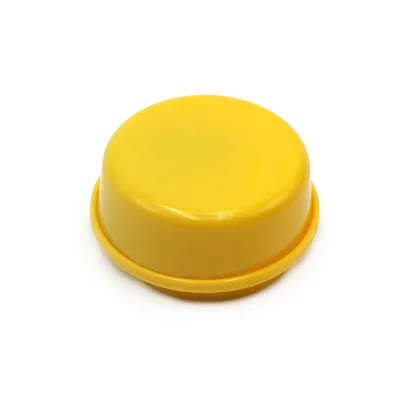
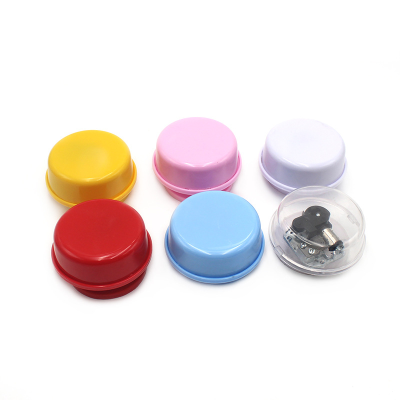
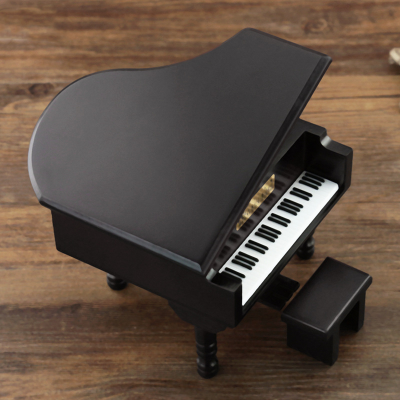
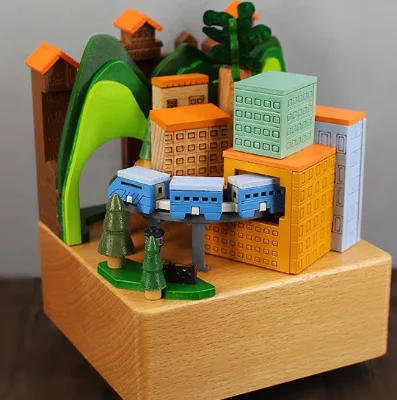
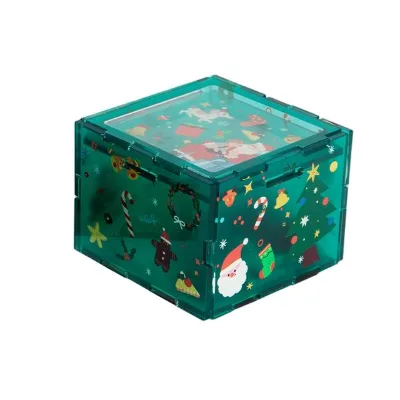
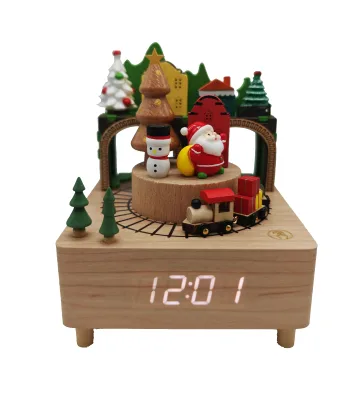
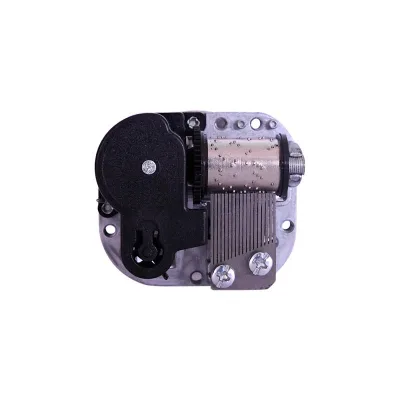
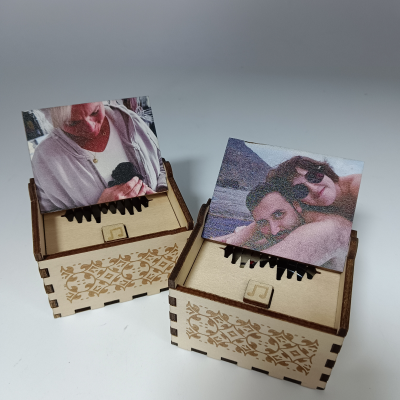
New Function Battery Operated Voice Record Music Gift Happy New Year Musical Box
$2.02 - $2.59
MOQ: 200 pieces
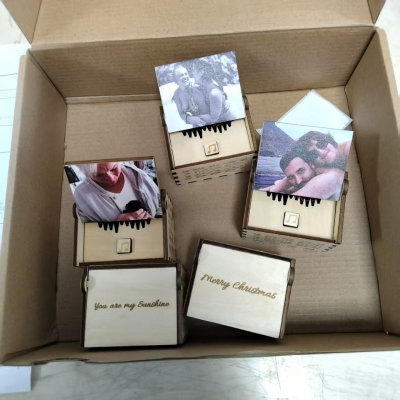
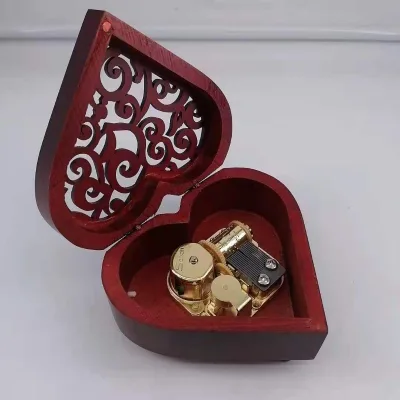


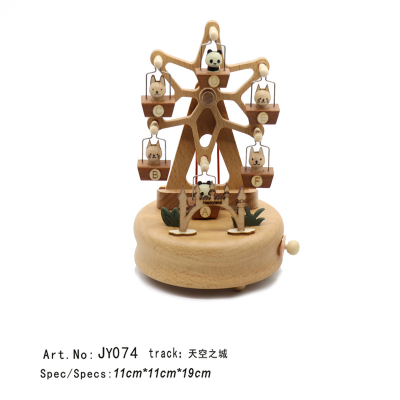
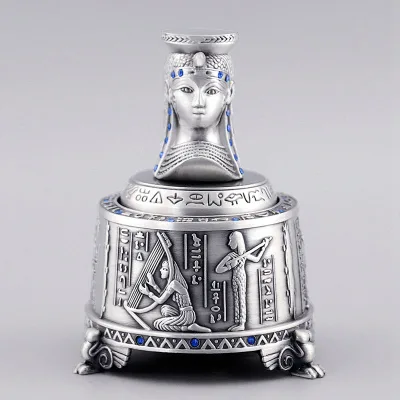
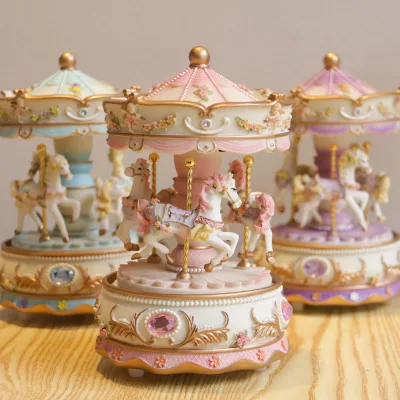
Cleopatra Rotating Music Box Classical and Retro Metal Music Box Creative Small Gifts
$10.26 - $10.71
MOQ: 100 pieces


Comprehensive Sourcing Guide
Sourcing Strategy for Rotating Pink Music Boxes
Understanding Product Variants and Core Specifications
When sourcing a Rotating Pink Music Box, buyers must first navigate the significant variance in product definitions found in current market listings. The term "Rotating Pink Music Box" describes a functional category that encompasses several distinct physical configurations. Based on observed market data, the core product attributes vary widely in material composition, mechanical drive systems, and dimensional specifications. One common variant is constructed primarily from plastic, featuring a circular pattern and an animal-shaped design. This specific iteration often lists a single package size of approximately 6.54 cm by 5.79 cm by 2.81 cm, with a gross weight of 0.017 kg per unit. The color palette for this plastic version includes pink alongside yellow, white, blue, and red, catering to a broad demographic including children and teens.
In contrast, another prevalent category involves a hybrid construction of wood, plastic, and velvet. These units are often marketed with a "luxury" or "fashionable" style and may feature a rectangular shape. The dimensions for this larger variant can reach up to 11.8 cm by 13 cm by 8.6 cm, with an additional component size of 4.5 cm by 2.5 cm by 3 cm. The single package size for these heavier units is recorded at 15.34 cm by 16.9 cm by 11.18 cm, with a gross weight of 0.650 kg. The "rotating" feature is explicitly listed as a key attribute for these wooden and plastic combinations, distinguishing them from static models. Buyers must carefully distinguish between these physical descriptions, as the "pink" color option is available in both the small plastic animal models and the larger luxury wooden variants, but the internal mechanics and packaging requirements differ drastically.
Mechanical Drive Systems and Operational Parameters
A critical technical differentiator in the music box market is the power source required to operate the rotation and sound mechanism. The supplied data indicates a bifurcation in technology: clockwork mechanisms and battery-powered systems. The clockwork variant is characterized by a manual winding mechanism, often associated with the plastic animal-shaped models. These units typically offer a sound duration of 30 seconds or 60 seconds, depending on the specific model number, such as QL or QL-01. The "Ask me" designation for play power in some listings suggests that the specific winding mechanism or duration may require direct negotiation with the supplier to confirm the exact operational cycle.
Conversely, battery-powered models are associated with the larger, luxury-style boxes. These units often feature a "rotating" function that is motorized, requiring an external power source. The specifications for these models list the play power explicitly as "Battery," which implies the need for ongoing maintenance or replacement of power cells. The sound duration for battery-operated units is noted as 60 seconds in some contexts, while others list "Customized" music options. This distinction is vital for procurement planning; clockwork models are self-contained and require no consumables, whereas battery models introduce a recurring cost and potential failure point related to power management. Buyers should verify the specific power requirements for the pink rotating model they select, as the mechanical complexity of a motorized rotation system differs significantly from a simple wind-up cylinder.
Material Composition and Design Aesthetics
The material selection for a Rotating Pink Music Box directly influences its perceived value, durability, and target market. The market data reveals two primary material clusters. The first cluster consists of 100% plastic construction, often branded with an "OEM" designation. These products are designed with a "Simple Modern" or "Modern" design style and feature a "Circular" pattern. The shape is frequently described as "Animal," appealing to a younger demographic or those seeking a playful aesthetic. The second cluster utilizes a composite of "Wooden + Plastic + Velvet." This combination suggests a higher-end positioning, aligning with "Luxury" and "Fashionable" design styles. The inclusion of velvet often implies a soft-touch interior or a decorative lining, enhancing the unboxing experience.
The color specifications are equally diverse. While the core keyword focuses on "pink," the available inventory lists a wide spectrum including white, yellow, blue, red, black, and silver. Some luxury models offer "Black+Silver" or "Black+Gold" finishes, indicating that the "pink" option might be a specific SKU within a broader color family. The "Pattern" attribute ranges from "Circular" to "Life" and "Ladder Belt," suggesting that the visual design of the rotating element or the box exterior varies significantly. Buyers must ensure that the "pink" color requested is compatible with the specific material and design style they intend to procure, as a plastic animal model will have a different finish and texture compared to a velvet-lined wooden box.
Compliance, Certification, and Safety Verification
Safety compliance is a paramount consideration, particularly when the target audience includes children, as indicated by the "Child/Teen" attribute and occasions like "New Baby" and "Back to School." The supplied data references the EN71 standard, though it is categorized as low-confidence background information. This means that while EN71 is a relevant European safety standard for toys, buyers cannot assume every listed product automatically satisfies this certification without explicit verification from the supplier. The "OEM" branding suggests that many products are manufactured for private label, which often requires the buyer to ensure that the final product meets the safety regulations of the destination market.
Buyers should explicitly request test reports for the specific model they intend to purchase. The material composition, especially the use of plastics and potential coatings on wooden items, necessitates checks for hazardous substances. For battery-operated models, electrical safety standards are also relevant. The "Eco-Friendly" feature listed for some luxury models indicates a potential marketing angle, but this claim requires substantiation through material safety data sheets or third-party environmental certifications. Since the data does not confirm specific test results or certification status for all items, the procurement strategy must include a pre-shipment inspection or a request for valid compliance documentation before finalizing the order.
Cost Drivers and Pricing Dynamics
The pricing for rotating pink music boxes is influenced by a complex interplay of material costs, mechanical complexity, and packaging requirements. The observed price range in the market spans from $0.65 to $19.38 USD, reflecting the vast difference between a simple plastic wind-up toy and a luxury wooden music box with velvet lining. The lower end of the spectrum typically corresponds to the plastic, animal-shaped models with a single package size of roughly 6.5 cm. The higher end aligns with the larger, multi-material units that include velvet and motorized rotation.
The Minimum Order Quantity (MOQ) is another significant cost driver. The data shows an MOQ range from 1 to 5,000 pieces, with a specific high-confidence fact noting an MOQ of 500 pieces for certain models. This variability allows buyers to scale their orders based on budget and storage capacity. However, the "Selling Units" attribute often lists "Single item," which may indicate that the MOQ applies to the specific SKU configuration rather than the general product type. Buyers should be aware that customizing the music, color, or packaging may incur additional setup costs or increase the MOQ threshold. The "Fast delivery" feature mentioned in some listings suggests that logistics speed may also impact the final landed cost, particularly for urgent orders.
Supplier Evaluation and Quality Control Protocols
Evaluating suppliers for rotating pink music boxes requires a focus on their ability to manage the specific technical attributes identified in the product data. Since the place of origin is consistently listed as "Shandong, China," buyers should expect a concentration of manufacturing capabilities in this region. The presence of OEM branding indicates that many suppliers are capable of private label manufacturing, which is essential for buyers looking to brand the product. However, the lack of specific supplier names in the data necessitates a rigorous vetting process.
Quality control should focus on the mechanical reliability of the rotation and sound mechanisms. For clockwork models, the consistency of the winding and the duration of the sound (30s vs. 60s) must be verified. For battery models, the stability of the motor and the battery compartment design are critical. The "Single gross weight" and "Package size per batch" data provide benchmarks for checking shipping accuracy and packaging integrity. Buyers should request samples that match the exact specifications of the target SKU, including the specific color (pink) and material (plastic or wood/velvet). The "Feature" attributes like "Rotating" and "Fashionable" should be physically demonstrated in the sample to ensure the marketing claims align with the physical product.
Long-Term Procurement and Application Strategy
The long-term viability of sourcing rotating pink music boxes depends on aligning the product with specific market occasions and usage scenarios. The data lists occasions such as "New Year," "Chinese New Year," "Birthday," and "Back to School," indicating that these products are often purchased as gifts or seasonal items. The "Music" attribute, which includes "A variety of music options" and "Customized" tracks, suggests that these boxes can be tailored for specific events, adding value for the end consumer.
For a sustainable procurement strategy, buyers should consider the lifecycle of the product. Plastic models are generally durable and cost-effective for high-volume, low-margin sales, while wooden models with velvet lining command higher margins but may require more careful handling during shipping due to their larger size and weight. The "Home Decoration Handicrafts" feature positions some of these items as decorative pieces rather than just toys, expanding the potential customer base to interior design enthusiasts. Buyers should plan for inventory management that accounts for the different packaging sizes and weights, as the logistics costs for the larger wooden boxes will be significantly higher than for the compact plastic units. By understanding these nuances, buyers can optimize their supply chain to meet the diverse demands of the Rotating Pink Music Box market.
FAQs
What materials are used for rotating pink music boxes?
Rotating pink music boxes are made from plastic or a combination of wood, plastic, and velvet. The plastic models feature animal shapes, while the luxury variants include velvet lining and rectangular designs.
How do I power the rotation mechanism on these boxes?
The rotation mechanism operates via either clockwork or battery power. Clockwork models rely on manual winding for sound, whereas battery-powered units require external power cells to drive the motorized rotation.
Which package sizes should I expect for these items?
Package sizes vary significantly based on the model type. Small plastic units measure approximately 6.54 by 5.79 by 2.81 cm, while larger luxury wooden boxes can reach up to 15.34 by 16.9 by 11.18 cm.
Can I customize the music played by these boxes?
Yes, customized music options are available for many models. Buyers can select from a variety of music tracks or request specific customizations to suit different occasions like birthdays or New Year celebrations.
What is the typical minimum order quantity for these products?
The minimum order quantity ranges from 1 to 5000 pieces depending on the supplier. Specific models often list an MOQ of 500 pieces, though single-item selling units are also available for testing.
Where are these music boxes typically manufactured?
These products originate from Shandong, China. The manufacturing hub in this region supports OEM branding and offers various design styles ranging from simple modern to luxury finishes.