Source Rotating OTG USB Flash Drive for Phones, Tablets, PCs
Compare 30 Rotating OTG USB Flash Drive options from Shenzhen suppliers. Buyers can review capacities, materials, and customization features for mobile and PC storage needs.
Key considerations
Products List


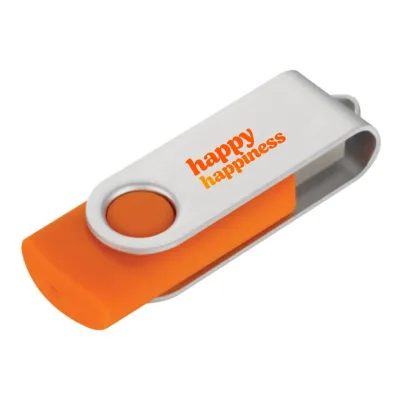


Promotional OTG USB-C Drive Custom Logo Dual-Port Flash Drive for Phone & PC
$90.00 - $98.00
MOQ: 2 Pieces


Comprehensive Sourcing Guide
Strategic Sourcing Guide for Rotating OTG USB Flash Drives
Understanding the Rotating OTG USB Flash Drive Market
The rotating OTG (On-The-Go) USB flash drive represents a specialized segment within the broader portable storage market, designed to bridge the gap between traditional computer peripherals and modern mobile ecosystems. The core functionality of these devices lies in their dual-interface capability, allowing users to transfer data between computers and mobile devices such as smartphones and tablets without the need for additional cables or adapters. The "rotating" design is a critical mechanical feature that serves a dual purpose: it protects the USB connector from physical damage when not in use and provides a compact, ergonomic form factor that is easy to carry.
When sourcing these devices, buyers must recognize that the term "rotating" often implies a specific mechanical housing, typically constructed from materials like metal, plastic, wood, or leather, as observed in various product listings. The interface types vary, with common configurations including USB 2.0 and USB 3.0, though some listings also reference USB 1.0 compatibility. The OTG functionality is a distinct attribute, often categorized separately from standard "pen USB" or "stick" drives. It is essential to verify that the specific model selected explicitly supports OTG protocols, as not all rotating drives possess this mobile connectivity feature. The market offers a wide range of storage capacities, from 1GB to 64GB, allowing procurement teams to select the exact volume required for their specific use cases, whether for high-capacity media storage or lightweight document transfer.
Technical Specifications and Interface Compatibility
Evaluating the technical specifications of a Rotating OTG USB Flash Drive requires a granular look at interface standards, data transmission speeds, and physical construction. The interface type is a primary determinant of performance. While many standard drives operate on USB 2.0, the rotating OTG variants often support a broader range, including USB 3.0 and USB 1.0. Buyers should verify the specific interface version supported by the model, as this directly impacts data transfer rates. Observed performance metrics indicate read speeds ranging from 10 to 15 MB/s and write speeds between 3 and 8 MB/s. These figures are typical for USB 2.0 implementations; however, if a buyer requires higher throughput for large file transfers, they must confirm the presence of USB 3.0 support, which is often listed as a distinct capability in product specifications.
The physical construction of the drive is equally critical for durability and user experience. The rotating mechanism must be robust enough to withstand repeated opening and closing without loosening or breaking. Materials used in the casing vary significantly, with metal, plastic, wood, and leather being common options. Metal casings generally offer superior protection and heat dissipation, while plastic options provide a lighter weight, often around 15g per piece. Wooden and leather casings are frequently chosen for aesthetic appeal and branding opportunities, though they may require different handling during the manufacturing process. The shape is consistently described as a "stick" or "pen" style, which is standard for this form factor.
| Feature Category | Common Specifications | Verification Requirement |
|---|---|---|
| Interface Type | USB 2.0, USB 3.0, USB 1.0 | Confirm OTG support and version |
| Storage Capacity | 1GB, 2GB, 4GB, 8GB, 16GB, 32GB, 64GB | Verify exact capacity and availability |
| Read Speed | 10-15 MB/S | Test actual transfer rates in target environment |
| Write Speed | 3-8 MB/S | Confirm consistency across different file sizes |
| Material | Metal, Plastic, Wood, Leather | Assess durability and aesthetic fit |
| Weight | Approx. 15g/PCS | Verify weight for shipping and handling |
Compliance, Certification, and Security Standards
Navigating the compliance landscape for electronic components is a non-negotiable aspect of B2B procurement. Rotating OTG USB drives must adhere to international safety and environmental standards to be sold in major markets. The most frequently cited certifications in the supply chain include CE (Conformité Européenne), RoHS (Restriction of Hazardous Substances), FCC (Federal Communications Commission), and SGS (Société Générale de Surveillance). These certifications indicate that the product meets specific requirements regarding electromagnetic compatibility, hazardous substance limitations, and general safety.
Buyers must be vigilant regarding the specific certification status of the supplier. While some listings mention CE, RoHS, FCC, and SGS together, others may only list a subset. It is crucial to request valid, up-to-date certification documents for the specific batch being ordered, rather than relying on general claims. The presence of these certifications is particularly important for products intended for the European Union (CE, RoHS) and North American markets (FCC). Additionally, some suppliers may reference FSC (Forest Stewardship Council) certification, which is relevant if the drive casing is made from wood. However, this is often a background attribute and should be verified as a specific requirement if eco-friendly materials are a priority.
Security is another critical consideration. Unlike enterprise-grade storage solutions, many consumer-grade rotating OTG drives do not support advanced security checks or hardware encryption. Procurement teams should explicitly verify whether the device supports any form of data protection. If the intended use case involves sensitive corporate data, the lack of a security check feature in standard models may necessitate the use of software-based encryption on the host device or the selection of a specialized secure drive model. The warranty period is another indicator of manufacturer confidence, with a standard offering of one year being common in the market.
Cost Drivers and Pricing Dynamics
The pricing of rotating OTG USB flash drives is influenced by a complex interplay of factors, including storage capacity, material composition, customization level, and order volume. The observed price range in the market spans from $0.30 to $98.00 USD, reflecting the vast diversity in product quality and specifications. The lower end of the spectrum typically corresponds to basic plastic models with lower storage capacities (e.g., 1GB or 2GB) and minimal customization. Conversely, the higher price points are associated with premium materials like metal or leather, higher capacities (32GB or 64GB), and extensive branding services.
Customization is a significant cost driver. Many suppliers offer logo printing services, such as laser printing or laser engraving, often at no additional cost for the printing itself, but this may be bundled with a minimum order quantity (MOQ). The MOQ can vary widely, ranging from 1 unit for samples to 500 units for bulk production. Buyers should be aware that while the unit price decreases with volume, the total cost of ownership includes setup fees, tooling costs for custom molds, and the logistics of managing larger inventory.
Payment terms also play a role in the financial planning of a procurement project. Sample payments are often processed through platforms like PayPal, which provides a layer of security for initial orders. For bulk orders, standard trade terms such as T/T (Telegraphic Transfer) or L/C (Letter of Credit) are common. Lead times are another variable, with typical production windows ranging from 2 to 5 days for standard models, though this can extend based on the complexity of customization and current factory capacity.
Typical Applications and Use Cases
Rotating OTG USB flash drives serve a variety of applications across different industries, driven by their portability and dual-interface capability. In the corporate sector, these drives are frequently used for data transfer between desktop computers and mobile devices, facilitating quick access to presentations, documents, and media files on the go. The rotating mechanism ensures that the connector remains protected during transport, reducing the risk of damage in pockets or bags.
The creative and promotional sectors also utilize these drives extensively. The ability to customize the casing material and apply laser-engraved logos makes them ideal for corporate gifts, trade show giveaways, and marketing campaigns. Materials like wood and leather allow for a premium feel that aligns with high-end branding strategies. In the educational sector, these drives are used for distributing learning materials to students who may not have access to traditional computers, leveraging the OTG feature to connect directly to tablets or smartphones.
Furthermore, the "creative" aspect of these drives, often highlighted in product descriptions, suggests that they are designed to stand out visually. This makes them suitable for retail environments where the product itself acts as a marketing tool. The universal compatibility of these devices ensures they can be used across various operating systems, including Windows, macOS, Android, and iOS, making them a versatile solution for diverse user bases.
Supplier Evaluation and Quality Control
Selecting the right supplier is paramount to ensuring the quality and reliability of rotating OTG USB flash drives. Buyers should prioritize suppliers with a proven track record in manufacturing electronic storage devices, particularly those located in established manufacturing hubs like Guangdong and Shenzhen, China. These regions are known for their robust supply chains and expertise in consumer electronics production.
Quality control measures should be a central part of the supplier evaluation process. Buyers must verify that the supplier adheres to strict production standards, such as CE, RoHS, FCC, and SGS. It is advisable to request pre-shipment inspections to ensure that the products meet the agreed-upon specifications regarding capacity, speed, and physical durability. The warranty period, typically one year, should be clearly defined in the contract, outlining the terms for repairs or replacements in case of defects.
When evaluating suppliers, buyers should also consider their ability to handle customization requests. The availability of laser printing and engraving services, along with various packaging options like retail blister packs, bag packages, and gift boxes, indicates a supplier's flexibility. The packaging method is crucial for protecting the product during transit and enhancing the unboxing experience for the end-user. Additionally, the supplier's delivery capabilities, including partnerships with major logistics providers like DHL, UPS, FedEx, and TNT, ensure that orders are shipped efficiently and reliably.
Long-Term Procurement Considerations
Sourcing rotating OTG USB flash drives is not merely a transactional activity but a strategic decision that impacts long-term operational efficiency and brand reputation. Buyers should consider the scalability of their supplier's production capabilities to ensure they can meet future demand without compromising quality. The ability to adjust order volumes and lead times is essential for managing inventory levels and responding to market fluctuations.
Sustainability is becoming an increasingly important factor in procurement decisions. Buyers should inquire about the environmental impact of the materials used, particularly if wood or leather is involved. Certifications like FSC can provide assurance that the materials are sourced responsibly. Furthermore, the longevity of the product, indicated by the warranty and build quality, reduces the frequency of replacement and minimizes electronic waste.
Finally, maintaining a strong relationship with the supplier is key to long-term success. Open communication regarding technical specifications, customization needs, and quality expectations fosters trust and ensures that both parties are aligned. By focusing on these strategic considerations, buyers can secure a reliable supply of high-quality rotating OTG USB flash drives that meet their specific business needs and contribute to their overall operational success.
FAQs
What materials are used for rotating OTG USB flash drives?
These drives are constructed from metal, plastic, wood, or leather. The casing material varies by model, with metal offering durability and wood or leather providing aesthetic branding options for corporate gifts.
Which storage capacities are available for these USB drives?
Available capacities range from 1GB up to 64GB. Specific models may list 2GB, 4GB, 8GB, 16GB, 32GB, or 64GB, allowing buyers to select the exact volume needed for their data transfer requirements.
How fast is the data transfer speed for these devices?
Read speeds typically range from 10 to 15 MB/s while write speeds are between 3 and 8 MB/s. These performance metrics are standard for USB 2.0 implementations found in most rotating OTG models.
Can I customize the logo on the rotating USB drive?
Yes, logo customization is available via laser printing or laser engraving. Suppliers often offer these services free of charge, though specific minimum order quantities may apply for bulk production runs.
What certifications do these USB drives typically hold?
Common certifications include CE, RoHS, FCC, and SGS. These standards verify compliance with international safety and environmental regulations, ensuring the product is suitable for sale in major global markets.
What is the lead time for ordering these USB drives?
Production lead times generally range from 2 to 5 days depending on the specific model and customization needs. Some standard configurations may be ready in 2 to 3 days for faster delivery.
Which interface types are supported by rotating OTG drives?
These devices support USB 2.0 and USB 1.0 interfaces, with some models also listing USB 3.0 compatibility. The OTG function allows direct connection to mobile devices like smartphones and tablets without adapters.