Source Rubber Flooring Track Sprayer for hardware, wood, and plastic
Find 30 Rubber Flooring Track Sprayer units from verified Chinese manufacturers. Compare specifications like 120L volume, 10.5kW power, and 12-15kg/min output for hardware, wood, and plastic coating applications; compare the available evidence and request quotations based on your requirements.
Updated
Key considerations
Products List


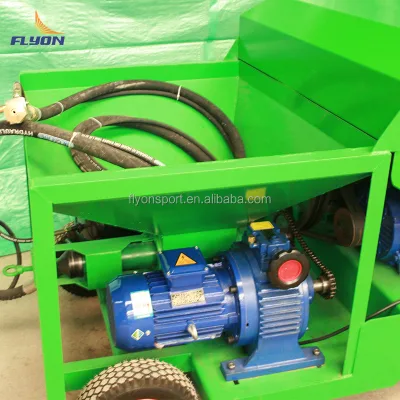
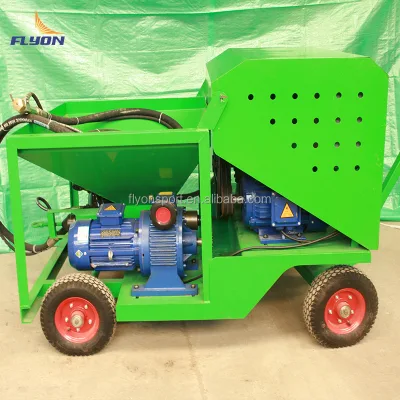
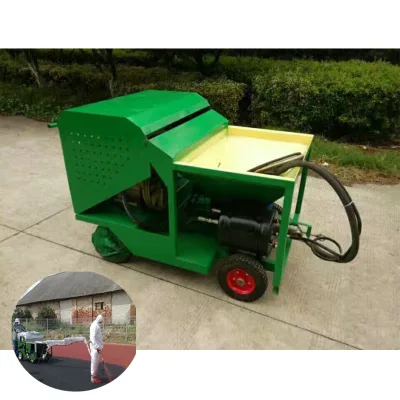
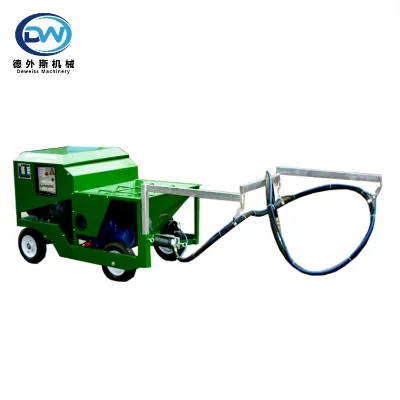
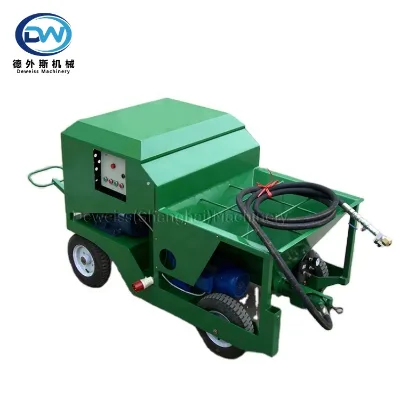
Rubber Running Track Sprayer Machine for Spray Coating Running Track Spraying Machine
$3000.00 - $5000.00
MOQ: 1 set


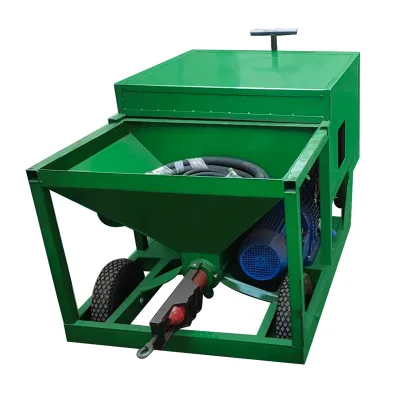
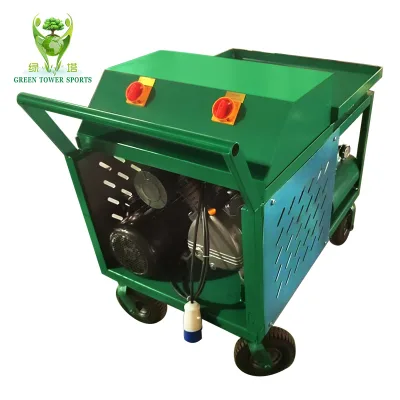
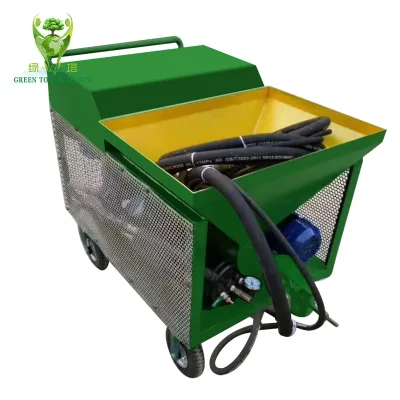
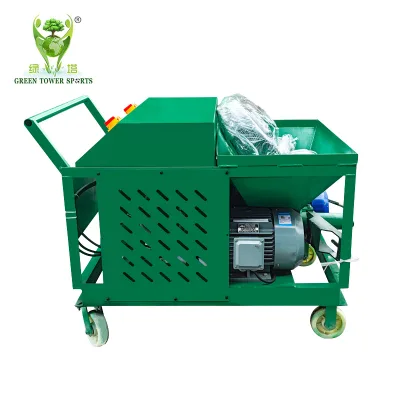
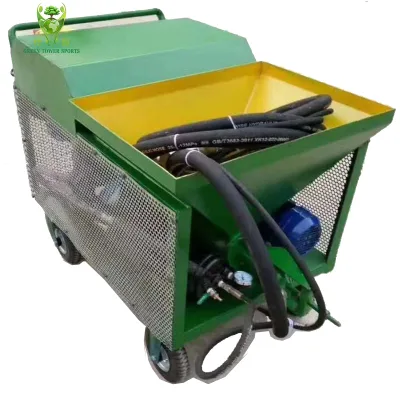
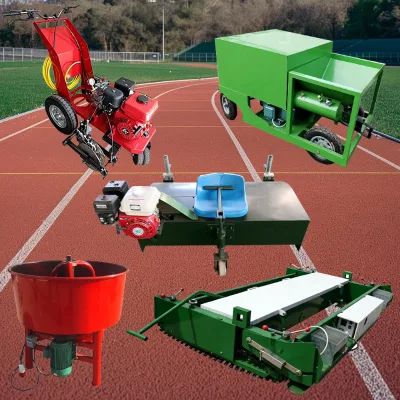


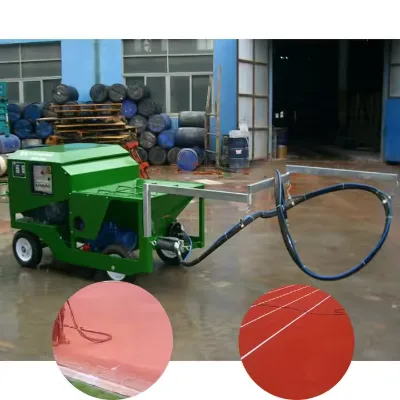
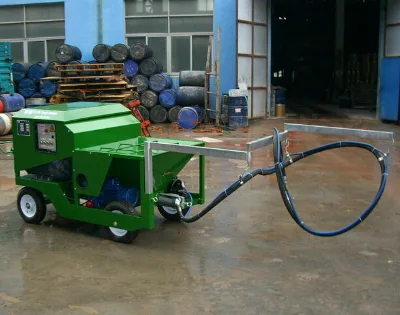
Hot Selling Spraying Machine Sprayer for Running Tracks Equipments and Spraying The Paints
$1617.00 - $1654.00
MOQ: 1 Pieces
Comprehensive Sourcing Guide
Rubber Flooring Track Sprayer Sourcing Guide
Procuring specialized coating equipment for rubber flooring tracks requires a clear understanding of the distinct machinery types available in the current market. The observed product landscape includes electrostatic spraying equipment, automatic spray coating tracks, and high-performance low-pressure spray units. Buyers must distinguish between general-purpose paint cement sprayers and dedicated track paving systems, as their operational parameters and output capacities vary significantly. This guide focuses on the technical and commercial nuances of sourcing these machines, ensuring that procurement teams align their specific application needs with the correct equipment classification.
The sourcing process involves evaluating multiple variables, including power consumption, air discharge capacity, and spraying output rates. Observed listings indicate a wide range of specifications, from 10.5kw power units to 9.7kw models, with varying air compressor configurations. Understanding these technical differences is critical for determining compatibility with existing facility infrastructure. Furthermore, the distinction between palletized shipping and wooden box packaging impacts logistics planning and cost estimation. This guide provides a structured approach to navigating these complexities, helping buyers make informed decisions based on verified product attributes rather than generic marketing claims.
Product Scope and Observed Listing Signals
The current market offers a diverse array of spraying equipment, primarily categorized by their method type and application focus. Observed listings highlight automatic electrostatic spraying equipment and high-performance low-pressure spray systems, both designed for hardware, wood, plastic, and porcelain applications. Some units are explicitly labeled as spray coating tracks with a paving capacity of 100 to 500 square meters per hour, indicating their suitability for large-scale flooring projects. Buyers should note that while some machines are branded for sports applications, others are general-purpose industrial sprayers, requiring careful verification of the intended use case to avoid mismatched procurement.
Packing and origin details provide additional context for the scope of supply. Most observed units originate from China, with specific mentions of Anhui and Guangdong provinces, suggesting a concentrated manufacturing hub for this technology. Packaging methods vary, including fumigated pallets for sea freight and standard wooden box packaging, which directly influences handling requirements and potential damage risks during transit. The presence of customization options suggests that suppliers may offer tailored solutions for specific track dimensions or material types. Buyers should leverage these signals to narrow down their search to suppliers who demonstrate flexibility and a clear understanding of track-specific coating requirements.
Technical Specifications to Verify
When evaluating technical specifications, power consumption and air pressure requirements are primary considerations for facility integration. Observed models list power ratings of 10.5kw and 9.7kw, with air pressure requirements around 0.8MPa. Buyers must verify that their facility’s electrical and pneumatic infrastructure can support these loads without requiring extensive upgrades. Additionally, the air discharge capacity, often cited as 1 cubic meter per minute, is crucial for maintaining consistent spray quality. Understanding the relationship between power, air pressure, and output ensures that the selected machine can operate efficiently within the existing plant environment, preventing bottlenecks or operational failures during high-volume production runs.
Spraying output and physical dimensions are equally critical for assessing productivity and spatial fit. Observed spraying outputs range from 10 to 15 kilograms per minute, with some units specifying a volume of 120 liters. These metrics directly impact the speed of track coating operations and the frequency of refilling required during shifts. Physical dimensions, such as 1820x1000x1150mm or 1600x900x900mm, determine the machine’s footprint and maneuverability within the coating area. Buyers should cross-reference these specifications with their track layout to ensure adequate clearance for operation and maintenance. Verifying these details prevents costly mismatches between equipment capabilities and project demands.
Compliance and Safety Documentation
Certification status is a fundamental requirement for ensuring that spraying equipment meets international safety and environmental standards. Observed listings frequently mention CE, ISO, RoHS, and REACH certifications, which are essential for importing machinery into many global markets. Buyers must request valid certification documents to verify that the equipment complies with local regulations regarding electrical safety and chemical emissions. These certifications not only facilitate customs clearance but also provide assurance that the manufacturer adheres to rigorous quality management systems. Ignoring this step can lead to regulatory hurdles, fines, or the rejection of non-compliant machinery at the destination port.
Warranty and after-sales support are vital components of the compliance and risk management framework. Most observed suppliers offer a one-year warranty and video technical support, which are critical for troubleshooting operational issues without immediate on-site assistance. Buyers should clarify the scope of the warranty, including coverage for parts and labor, and verify the availability of spare parts in their region. Additionally, understanding the delivery time, which ranges from 7 to 20 days, helps in planning installation schedules. Robust after-sales service ensures minimal downtime and sustained performance, making it a key factor in the overall value proposition of the equipment.
Cost Drivers and Commercial Terms
The observed price range of 579 to 5000 USD reflects significant variation based on machine complexity, capacity, and included features. Buyers should analyze this range to understand the cost implications of different specifications, such as higher spraying output or advanced electrostatic technology. While the minimum order quantity is consistently listed as 1, allowing for flexible procurement, the total cost of ownership includes shipping, insurance, and potential customs duties. Understanding these cost drivers helps in budgeting accurately and comparing quotes from different suppliers on a like-for-like basis. It is essential to request detailed breakdowns to identify any hidden fees or exclusions that could impact the final investment.
Commercial terms, including delivery time and packaging, also influence the overall cost structure. Lead times of 7 to 20 days require careful coordination with project schedules to avoid delays. Packaging methods, such as fumigated pallets or wooden boxes, affect freight costs and handling requirements. Buyers should negotiate terms that align with their logistical capabilities and risk tolerance. Additionally, exploring customization options may incur additional costs but can provide long-term benefits by ensuring the equipment is tailored to specific track requirements. Transparent communication about these terms helps in establishing realistic expectations and avoiding disputes during the procurement process.
Supplier Qualification and Quality Control
Supplier qualification begins with verifying the manufacturer’s origin and production capabilities. Observed listings indicate origins in China, specifically Anhui and Guangdong, regions known for industrial manufacturing. Buyers should conduct due diligence to confirm the supplier’s legitimacy, including checking business licenses and production facilities. Quality control processes, such as pre-shipment inspections and factory audits, are essential to ensure that the equipment meets the specified technical standards. Engaging with suppliers who provide comprehensive documentation and transparent communication demonstrates a commitment to quality and reliability. This step reduces the risk of receiving substandard machinery that fails to perform as expected.
Evaluating the supplier’s after-sales service infrastructure is crucial for long-term operational success. The availability of video technical support and a one-year warranty are positive indicators, but buyers should also assess the responsiveness and expertise of the support team. Inquiring about the availability of local service partners or training programs can enhance the buyer’s ability to maintain and operate the equipment effectively. Additionally, checking for customer reviews or references from previous buyers provides insights into the supplier’s reputation and reliability. A qualified supplier not only delivers high-quality machinery but also provides the necessary support to ensure sustained performance and customer satisfaction.
Long-Term Procurement Checks
Long-term procurement success depends on establishing a robust framework for ongoing supplier evaluation and performance monitoring. Buyers should implement regular check-ins to assess the supplier’s ability to meet delivery timelines and maintain product quality. Tracking key performance indicators, such as defect rates and response times to technical issues, provides objective data for supplier management. Additionally, staying informed about industry trends and technological advancements ensures that the procurement strategy remains aligned with evolving market demands. This proactive approach helps in identifying potential risks early and implementing corrective actions to mitigate their impact on operations.
Continuous improvement in the procurement process involves reviewing and updating specifications based on operational feedback. Buyers should document lessons learned from initial deployments, including any adjustments needed for power requirements, air pressure, or maintenance routines. Sharing this information with the supplier can lead to product improvements and better alignment with user needs. Furthermore, exploring opportunities for bulk purchasing or long-term contracts may offer cost savings and priority service. By maintaining a strategic focus on supplier relationships and operational efficiency, buyers can maximize the value of their investment in Rubber Flooring Track Sprayer equipment.
FAQs
What customization options are available for the sprayer?
Customization is available for this electrostatic spraying equipment to meet specific production needs. The machine supports various coating types including paint and powder for different materials like wood, plastic, and porcelain. Buyers can request tailored configurations while maintaining the standard delivery time of 7 to 20 days from the manufacturer in China.
How long is the warranty period for the equipment?
The equipment comes with a one-year warranty period covering technical support and maintenance needs. This warranty ensures reliability for the high-performance low-pressure spray equipment used in hardware and porcelain applications. Buyers receive video technical support as part of the after-sales service provided by the supplier in Anhui, China.
What is the spraying output capacity per minute?
The spraying output capacity ranges from 10 to 15 kilograms per minute depending on the specific model configuration. This high output rate supports efficient coating operations for large-scale projects requiring consistent application. The machine utilizes an air discharge capacity of 1 cubic meter per minute to ensure optimal performance during continuous operation.
Which certifications does the sprayer hold for safety?
The sprayer holds CE, ISO, RoHS, and REACH certifications ensuring compliance with international safety and environmental standards. These certifications validate the quality of the electrostatic spraying equipment used for paint and powder coating applications. Buyers can rely on these documented standards when sourcing machinery for hardware, wood, or plastic processing facilities.
Can the machine be used for multiple material types?
Yes, the machine is designed for hardware, wood, plastic, porcelain, and general coating spraying equipment applications. It functions effectively as a spray wall ceiling machine for various industrial surfaces requiring uniform coverage. The automatic method type ensures consistent results across different material substrates without requiring manual intervention during the coating process.
What are the dimensions and weight of the unit?
The unit dimensions are approximately 1820 by 1000 by 1150 millimeters with a total weight of 550 kilograms. This substantial size accommodates the 120-liter volume and 10.5kw power requirements for heavy-duty industrial spraying tasks. The equipment is packed on a fumigate pallet by sea to ensure safe transport from the origin in China.
How is the equipment packaged for international shipping?
The equipment is packaged on a fumigate pallet by sea or in a wooden box packaging for added protection. This secure packing method ensures the 1820 by 1000 by 1100 millimeter unit arrives safely at the destination. The packaging standard of 2.86 cubic meters facilitates efficient loading and handling during global logistics operations from the supplier.