Source Rubber Magnet Holder for Home Decoration, Motors, and Industrial Use
Compare 30 Rubber Magnet Holder options from verified Chinese suppliers. Buyers can evaluate customized sizes, certifications like ISO and RoHS, and processing services for home decoration, industrial magnets, and motor applications; compare the available evidence and request quotations based on your requirements.
Updated
Key considerations
Products List


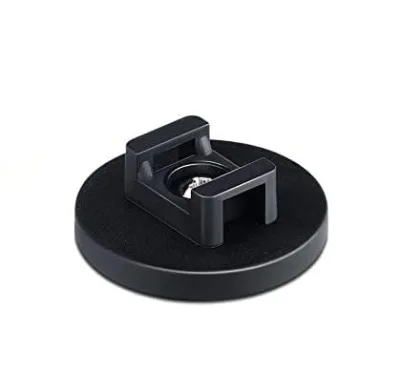
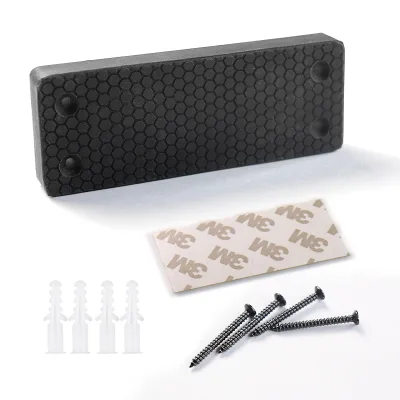
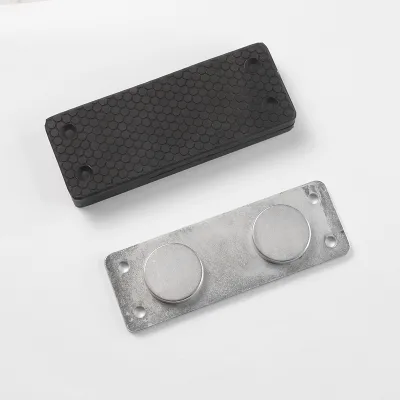
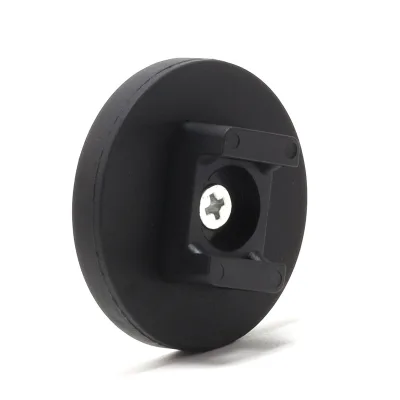
20 Years Experience Customised LOGO 35lbs Rubber Coated Magnet Military-Grade Magnet
$3.0879 - $7.2027
MOQ: 1 Minimum
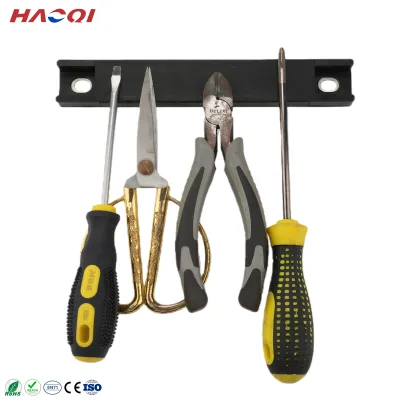
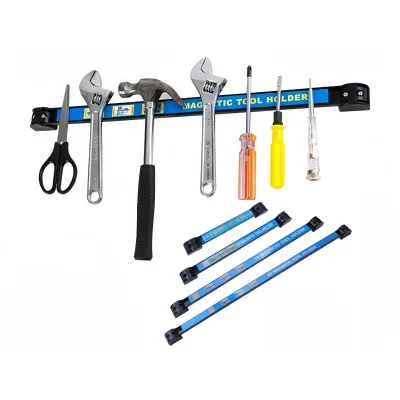


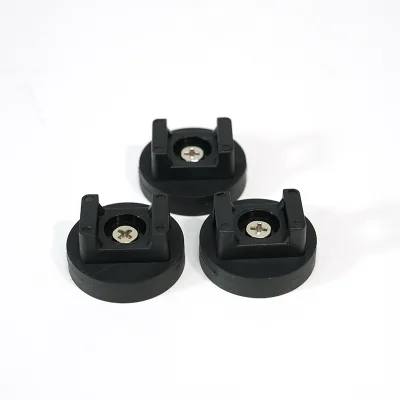

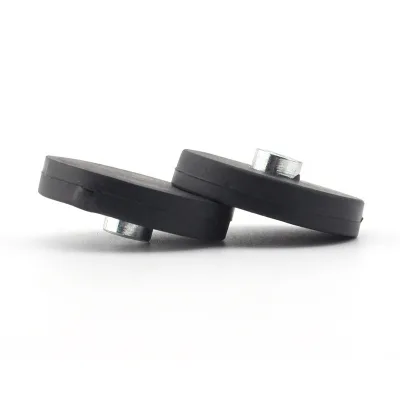
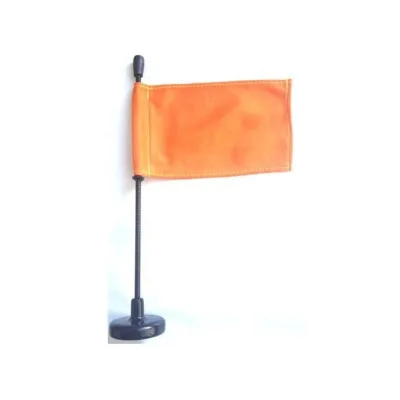
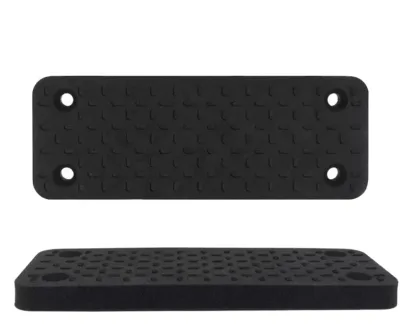
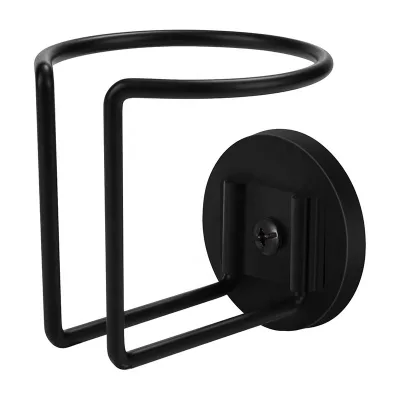
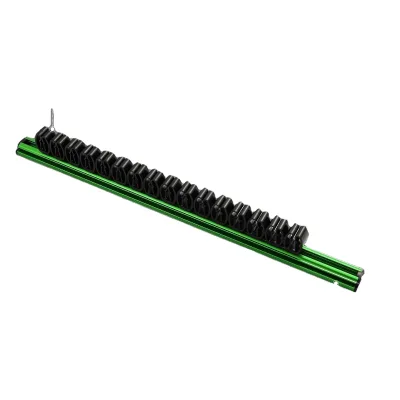
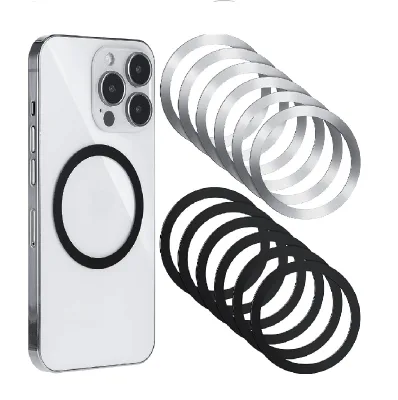
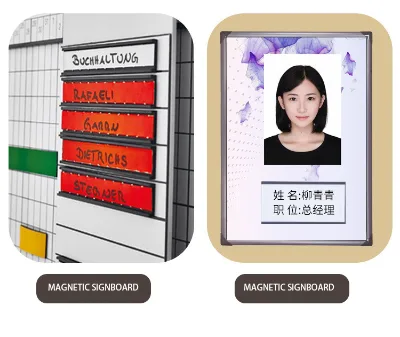


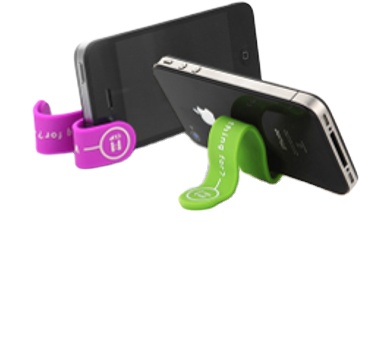
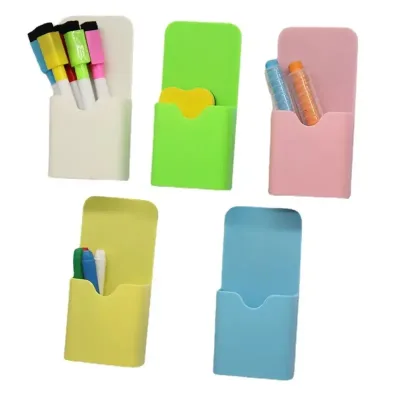
Industrial Magnet Pen Holder Soft Rubber Magnet with Smooth Surface for Easy Cleaning
$0.16 - $1.20
MOQ: 10 Minimum
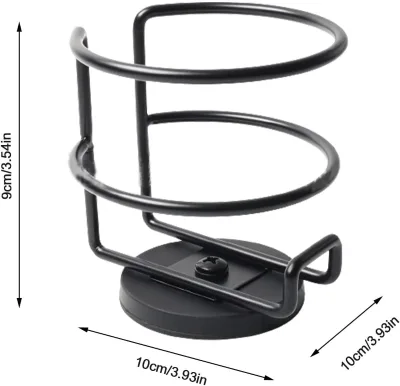
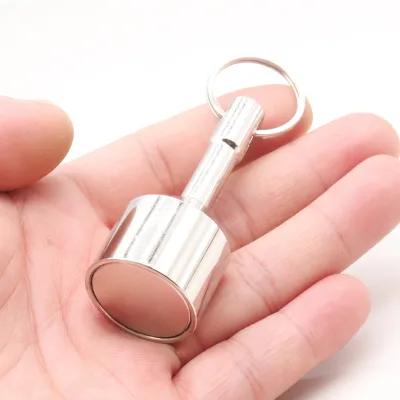
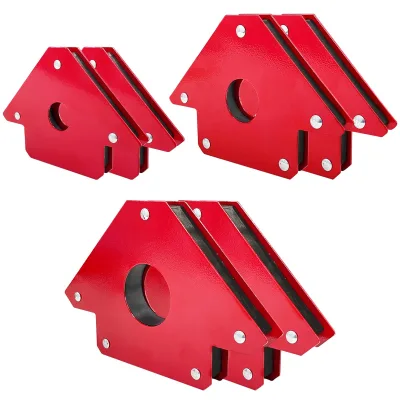


Comprehensive Sourcing Guide
Rubber Magnet Holder Sourcing Guide
Sourcing rubber magnet holders requires a nuanced understanding of material composition and structural design, as these components serve dual roles in both adhesion and organization. Buyers must distinguish between flexible rubber-based solutions and rigid permanent magnet assemblies, as the selection directly impacts installation flexibility and load-bearing capacity. The market offers a variety of forms, including coil shapes and custom-sized strips, which cater to diverse industrial and home decoration needs. Understanding these fundamental differences is the first step in defining precise procurement requirements and avoiding mismatches between supplier capabilities and operational demands.
Procurement teams should also evaluate the customization landscape, as many suppliers offer tailored solutions for specific mounting scenarios. Attributes such as two-sided magnetic properties and composite materials like ferrite powders mixed with polymers provide unique advantages in terms of cost-efficiency and ease of integration. By focusing on these material distinctions, buyers can better assess supplier quotes and ensure that the selected holders meet the mechanical and environmental constraints of their intended application, whether for securing cables or mounting tools in industrial settings.
Product Scope and Observed Listing Signals
The current market landscape for rubber magnet holders reveals a wide price range, typically spanning from $0.10 to $72.06 USD, reflecting significant variation in material quality, size, and packaging complexity. Minimum order quantities (MOQs) are equally diverse, ranging from single units for sampling purposes to bulk orders of up to 2,000 pieces, indicating that suppliers cater to both prototyping phases and large-scale industrial deployment. This variability allows buyers to scale their procurement efforts efficiently, starting with small test batches before committing to larger volumes, thereby mitigating initial investment risks while validating product performance in real-world conditions.
Observed listing signals also highlight the importance of packaging and logistics considerations in the total cost of ownership. Products are often packed in cartons, with specific single package dimensions and gross weights provided to aid in freight calculation and storage planning. For instance, some items are packaged with additional hardware such as screws and 3M tape, which adds value but also increases the single item weight and volume. Buyers must carefully review these logistical details to ensure that the supplier’s packaging standards align with their internal handling capabilities and that the quoted prices accurately reflect the complete delivered cost, including any necessary accessories for immediate installation.
Technical Specifications to Verify
When evaluating technical specifications, buyers must prioritize the verification of magnetic grade and material composition, as these factors dictate holding strength and durability. Common materials include sintered neodymium-iron-boron for high-strength applications and ferrite powders combined with polymers for flexible, cost-effective solutions. It is crucial to confirm the specific grade, such as N35-N54 for neodymium variants, to ensure the magnet meets the required pull force for the intended load. Additionally, verifying the shape, whether it is a pot/cup shape, coil, or custom form, ensures compatibility with the mounting surface and the objects being secured, preventing installation failures due to geometric mismatches.
Tolerance and dimensional accuracy are equally critical, especially for precision industrial applications where fitment is paramount. Buyers should request detailed drawings and confirm tolerance levels, which may vary, with some products offering a ±3% tolerance on dimensions. Customized sizes are frequently available, allowing for tailored solutions that fit specific equipment or space constraints. Furthermore, processing services such as bending, molding, punching, and rubber coating should be verified to ensure the holder can withstand mechanical stress and environmental factors. Confirming these technical details upfront prevents costly rework and ensures that the final product integrates seamlessly into the existing infrastructure.
Compliance and Safety Documentation
Compliance with international standards is non-negotiable for rubber magnet holders, particularly when they are used in consumer-facing or regulated industrial environments. Buyers must verify that suppliers hold relevant certifications such as ISO, CE, and RoHS, which indicate adherence to quality management systems and environmental safety regulations. Specific certifications like ISO9001 demonstrate a supplier’s commitment to consistent quality control processes, while RoHS compliance ensures that hazardous substances are minimized in the product composition. These certifications are essential for mitigating legal risks and ensuring that the products can be legally sold and used in target markets without regulatory hurdles.
Safety documentation should also include details on coatings and material safety, such as nickel plating for corrosion resistance or rubber coatings for enhanced grip and protection. Buyers should request test reports or declarations of conformity that explicitly state compliance with REACH and other relevant chemical regulations. This is particularly important for products that may come into direct contact with users or sensitive equipment. By rigorously reviewing these compliance documents, procurement teams can ensure that the rubber magnet holders not only perform well mechanically but also meet the stringent health and safety requirements of their end-users, thereby protecting brand reputation and avoiding potential liabilities.
Cost Drivers and Commercial Terms
Several key factors influence the final cost of rubber magnet holders, including material selection, customization complexity, and order volume. High-grade neodymium magnets are inherently more expensive than ferrite-based alternatives, and custom shapes or sizes often incur additional tooling and setup fees. Buyers should analyze the price breakdown to understand how much of the cost is attributed to raw materials versus processing services like molding or coating. Additionally, the inclusion of accessories such as screws, 3M tape, or specialized packaging can significantly impact the unit price, so it is essential to compare quotes on an apples-to-apples basis to avoid hidden costs.
Commercial terms, including lead times and payment conditions, also play a crucial role in the total procurement cost. Typical delivery times for customized orders may range from 22 to 30 days, which requires careful planning to align with production schedules. Buyers should negotiate clear terms regarding sample availability, which can often be provided within five days, allowing for rapid validation before mass production. Furthermore, understanding the supplier’s policy on logo customization and packaging changes is vital, as these services may affect both the lead time and the overall cost. Transparent communication about these commercial terms helps in building a reliable supply chain and avoiding unexpected delays or expenses.
Supplier Qualification and Quality Control
Supplier qualification is a critical step in ensuring the reliability and consistency of Rubber Magnet Holder supplies. Buyers should assess the supplier’s manufacturing capabilities, including their ability to handle processing services like bending, molding, and punching, which are often required for custom applications. Verifying the supplier’s origin, such as manufacturers based in Zhejiang, China, can provide insights into their supply chain efficiency and cost structure. Additionally, checking for OEM acceptance and the ability to customize logos ensures that the supplier can meet specific branding and product identity requirements, which is often essential for B2B buyers looking to integrate the products into their own brand portfolio.
Quality control measures must be rigorously evaluated to prevent defects and ensure long-term performance. Buyers should inquire about the supplier’s internal testing protocols, including checks for magnetic strength, dimensional accuracy, and coating integrity. Requesting samples before placing bulk orders is a standard practice that allows for physical inspection and functional testing. Furthermore, understanding the supplier’s return policy and warranty terms provides an additional layer of protection against quality issues. By establishing a robust qualification process that includes both technical and commercial assessments, buyers can build a partnership with suppliers who are committed to delivering high-quality, reliable rubber magnet holders.
Long-Term Procurement Checks
Long-term procurement success depends on establishing continuous monitoring mechanisms to track supplier performance and product quality over time. Buyers should implement regular audits or periodic reviews of supplier deliveries, focusing on metrics such as on-time delivery rates, defect percentages, and responsiveness to issues. This ongoing evaluation helps in identifying potential supply chain disruptions early and allows for proactive management of supplier relationships. Additionally, staying updated on changes in material standards or regulatory requirements ensures that the rubber magnet holders remain compliant and suitable for evolving market demands, preventing obsolescence and ensuring continued operational efficiency.
It is also advisable to diversify the supplier base to mitigate risks associated with single-source dependencies. Maintaining relationships with multiple qualified suppliers provides flexibility in negotiating terms and ensures continuity in case of unforeseen disruptions. Buyers should also consider the scalability of the supplier’s production capacity, especially if demand is expected to grow. Regularly reviewing the total cost of ownership, including logistics, handling, and potential rework costs, helps in making informed decisions that optimize procurement spend. By adopting a strategic, long-term approach to supplier management, buyers can secure a stable supply of high-quality rubber magnet holders that support their operational goals and business growth.
FAQs
What materials are used in rubber magnet holders?
Rubber magnet holders typically combine ferrite powders with polymer binders to create flexible magnetic strips. Some specialized designs integrate sintered neodymium-iron-boron magnets for higher strength. These composite materials allow for durable, flexible applications in home decoration and industrial settings while maintaining strong magnetic adhesion properties.
Can I customize the size of a Rubber Magnet Holder?
Yes, customization is available for rubber magnet holders to meet specific project requirements. Manufacturers offer customized magnet sizes and shapes, including coil forms or specific dimensions like 0.3mm x 19mm x 8M. This flexibility ensures the holder fits various industrial or decorative applications precisely without compromising magnetic performance.
What certifications do rubber magnet holders typically have?
Rubber magnet holders often carry ISO, CE, and RoHS certifications to ensure quality and safety standards. Some products also comply with ISO9001 for quality management and REACH regulations for chemical safety. These certifications verify that the materials and manufacturing processes meet international requirements for industrial and consumer use cases.
How long is the delivery time for rubber magnet holders?
The standard delivery time for rubber magnet holders ranges from 22 to 30 days after order confirmation. This lead time accounts for production, quality control, and packaging processes. Buyers should plan their procurement schedules accordingly to ensure timely receipt of goods for their industrial or commercial projects.
What is the minimum order quantity for rubber magnet holders?
The minimum order quantity for rubber magnet holders varies between 1 and 2000 units depending on the supplier and product type. This range accommodates both small sample orders and large-scale industrial procurement needs. Buyers can often request samples to test quality before committing to larger bulk orders.
Are rubber magnet holders suitable for industrial applications?
Yes, rubber magnet holders are suitable for various industrial applications including motor magnets and cable organization. They feature two-sided magnetic properties and can be coated with nickel for enhanced durability. Their robust construction supports heavy-duty use in manufacturing environments while providing reliable magnetic holding power.