Source Printable Rubber Magnet Sheet for Home, Industrial, and Motor Uses
Find 30 options for Printable Rubber Magnet Sheet tailored for home decoration, industrial applications, and motor systems. Compare isotropic and anisotropic types, custom sizes, and certifications like ISO and RoHS to select the right flexible magnetic sheets for your project.
Updated
Key considerations
Products List


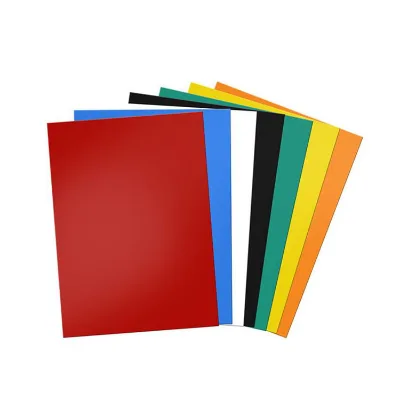
Soft Flexible Rubber Magnet Sheets, Rubber Magnet PVC Magnet Paper Printing
$0.10 - $30.00
MOQ: 1 Pieces


$1.00 - $15.00
MOQ: 2000 Meters


Comprehensive Sourcing Guide
Printable Rubber Magnet Sheet Sourcing Guide
Buyers evaluating printable rubber magnet sheets must first distinguish between isotropic and anisotropic magnetic properties, as the supplied data indicates both types are available in the market. Isotropic magnets offer uniform magnetization in all directions, making them suitable for general-purpose applications like home decoration and industrial magnets, whereas anisotropic variants provide stronger magnetic fields in a specific direction, often preferred for motor magnets or speaker applications. Understanding this fundamental difference is critical before selecting a supplier, as the performance characteristics directly impact the functionality of the final product in specific use cases.
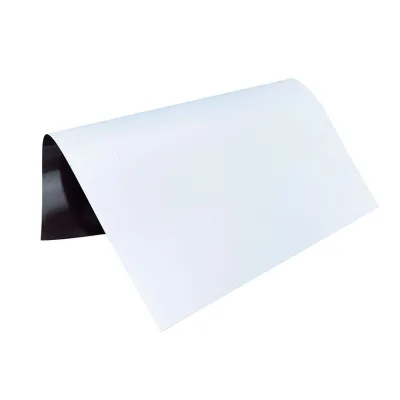
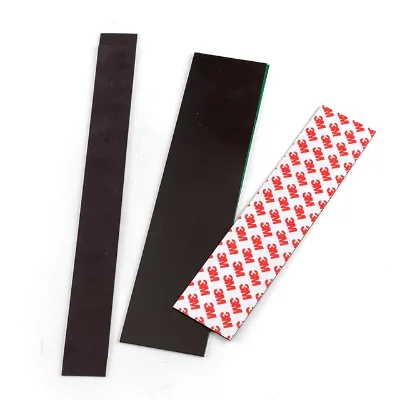
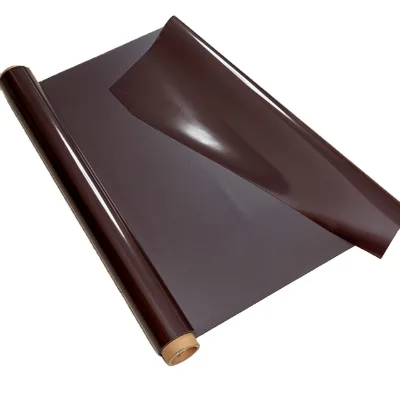
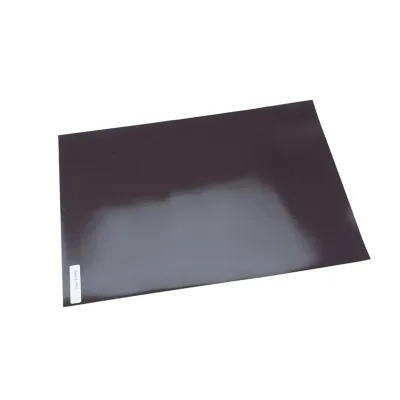
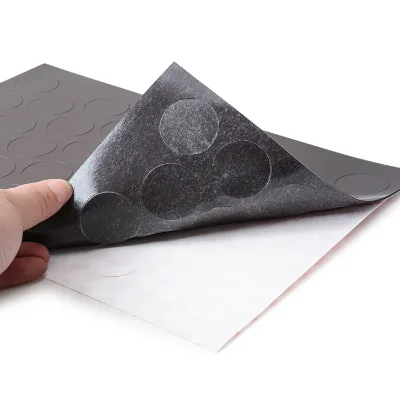
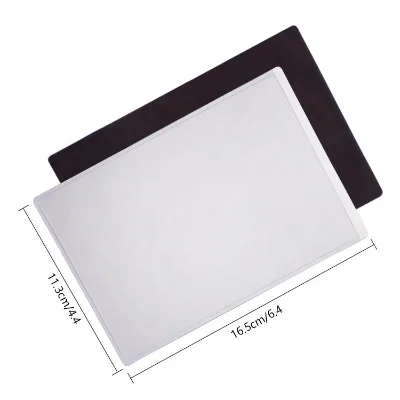
The physical form factor of these sheets varies significantly, ranging from standard A4 dimensions to custom-sized strips and flexible sheets designed for specific printing needs. Some listings explicitly mention "Sheet" or "Strip" shapes with customizable sizes, while others reference specific model numbers like GS0380 or MR-005 that imply distinct dimensional profiles. Procurement teams should verify whether the supplier can accommodate custom cutting and molding services to match exact project requirements, ensuring the magnetic sheet integrates seamlessly with the intended adhesive or mounting system without compromising structural integrity.
Product Scope and Observed Listing Signals
The market for printable rubber magnet sheets demonstrates a wide range of applications, including home decoration, industrial magnets, speaker magnets, and even jewelry or solenoid uses. Listings frequently highlight features such as single-sided or two-sided magnetism, with some products specifically designed for outdoor use or high-volume printing tasks like PV panels. Buyers should carefully review product descriptions to confirm that the magnetic sheet supports the intended printing process, whether it requires a glossy or matte coating, and ensure the material flexibility aligns with the curvature or flatness of the application surface.
Commercial signals in the supply chain indicate that customization is a standard offering, with many suppliers accepting OEM requests and providing samples for evaluation. The observed product range includes various packing methods, from individual cartons and boxes to palletized shipments for bulk orders, suggesting flexibility in logistics planning. However, the presence of diverse model numbers and standards, such as A4 or 210x297mm, implies that buyers must explicitly define their dimensional needs to avoid receiving non-compliant stock that may require additional processing or result in material waste.
Technical Specifications to Verify
When assessing technical specifications, the magnetization direction is a primary consideration, with options ranging from multi-pole magnetized configurations to standard single-pole orientations. The supplied data confirms the availability of both isotropic and anisotropic types, which dictates the magnetic strength and field distribution across the sheet. Buyers must verify the specific magnetization pattern required for their application, as a multi-pole design might be essential for complex motor or speaker assemblies, while a standard single-pole configuration may suffice for simple decorative or organizational uses.
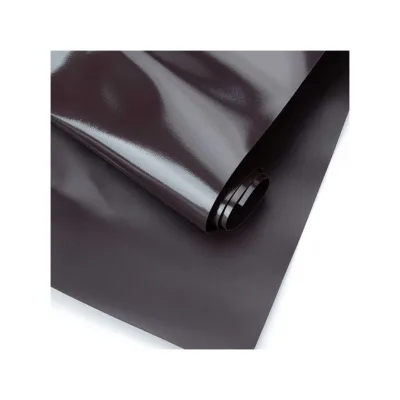
Material composition and processing capabilities are equally vital, as the core product is identified as a rubber magnet composite that often undergoes cutting and molding services. The surface finish, described as either glossy or matte, can significantly affect print quality and durability, particularly for outdoor or high-traffic environments. Procurement teams should request detailed technical data sheets that confirm the composite ratio, thickness tolerances, and the specific processing services available, ensuring the final product meets the mechanical and aesthetic requirements of the end-use scenario.
Compliance and Safety Documentation
Regulatory compliance is a non-negotiable aspect of sourcing rubber magnet sheets, with ISO, CE, and RoHS certifications appearing frequently in the available product data. These certifications indicate that the materials meet international standards for safety, environmental protection, and quality management, which is essential for exporting products to regulated markets. Buyers should explicitly request current certification documents from suppliers to verify that the rubber magnet sheets do not contain restricted substances and that the manufacturing process adheres to the declared quality standards.
In addition to general certifications, specific safety data sheets (MSDS) and other regulatory documents may be required depending on the destination market and the intended application of the magnets. Some listings mention MSDS and ISO9001, suggesting a higher level of quality assurance and material transparency. It is crucial for procurement teams to ensure that the supplier can provide these documents promptly, as they are often necessary for customs clearance and for demonstrating due diligence in product safety to end customers or regulatory bodies.
Cost Drivers and Commercial Terms
Pricing for printable rubber magnet sheets is influenced by several factors, including the complexity of customization, the volume of the order, and the specific material properties required. The observed price range in the market spans from very low unit costs to higher prices for specialized or custom-configured items, reflecting the variability in production complexity and material quality. Buyers should anticipate that custom sizes, unique magnetization patterns, or specialized coatings will incur additional costs compared to standard off-the-shelf products like A4 sheets.
Commercial terms such as Minimum Order Quantity (MOQ) and lead times vary significantly across suppliers, with observed MOQs ranging from single units to thousands of pieces. The supply chain also involves diverse shipping methods, including sea, air, and express delivery, which can impact the total landed cost and delivery schedule. Procurement teams must negotiate clear terms regarding payment schedules, packaging requirements, and shipping responsibilities to ensure that the total cost of ownership aligns with the project budget and timeline constraints.
Supplier Qualification and Quality Control
Supplier qualification should focus on verifying the origin of the products, as the data indicates manufacturing locations in regions like Zhejiang and Shanxi in China. Buyers must assess the supplier's production capacity and quality control systems to ensure consistent output, particularly when dealing with custom orders that require precise cutting and molding. The availability of samples is a positive indicator, allowing buyers to physically test the magnetic strength, printability, and durability before committing to a larger purchase.
Quality control processes should include rigorous testing of the magnetic properties and surface finish to prevent defects in the final application. Suppliers offering OEM services should demonstrate a robust framework for handling custom specifications, ensuring that the final product matches the agreed-upon standards and model numbers. Buyers should request evidence of past performance, such as case studies or references, to confirm that the supplier can consistently deliver high-quality rubber magnet sheets that meet the specific technical and aesthetic requirements of the project.
Long-Term Procurement Checks
Establishing a long-term partnership requires regular audits of the supplier's ability to maintain consistent quality and compliance over time. Buyers should implement a schedule for periodic re-verification of certifications and material safety data to ensure that the supplier continues to meet evolving regulatory standards and market expectations. This proactive approach helps mitigate the risk of supply chain disruptions and ensures that the product remains compliant with international safety and environmental regulations throughout the product lifecycle.
Continuous monitoring of supplier performance is essential for managing risks associated with customization and volume scaling. Buyers should track key performance indicators such as on-time delivery, defect rates, and responsiveness to quality issues to identify any potential problems early. By maintaining open communication and setting clear expectations for quality and service, procurement teams can foster a reliable supply chain that supports the long-term success of their products and minimizes the need for frequent supplier changes.
FAQs
What certifications are available for rubber magnet sheets?
Certifications such as ISO, CE, RoHS, and ISO9001 are available for these products. Some listings also mention MSDS compliance. These standards ensure the materials meet international safety and quality requirements for industrial and decorative applications.
Can I customize the size of the rubber magnet sheets?
Yes, customization is available for the size of the rubber magnet sheets. The product specifications indicate that customized magnet sizes can be provided to meet specific project requirements, allowing for flexible dimensions beyond standard formats.
What is the typical packaging method for these magnets?
Packaging options include cartons, boxes, pallets, and shipping by sea, express, or air. The specific packing method depends on the order volume and supplier logistics, ensuring safe transport for both small samples and bulk industrial orders.
Where are these rubber magnet sheets manufactured?
These rubber magnet sheets are manufactured in China, with specific origins noted in Zhejiang and Shanxi provinces. This location allows for efficient production and export, supporting global supply chains for various magnet applications and customization needs.
What types of magnets are included in this product line?
The product line includes isotropic and anisotropic magnets, with features like single-sided or two-sided magnetic properties. Applications range from home decoration and industrial use to motor and speaker magnets, offering versatile solutions for different technical requirements.
Is it possible to order samples before bulk purchase?
Samples are available for evaluation before committing to a bulk purchase. This allows buyers to verify the quality, magnetic strength, and customization options of the rubber magnet sheets, ensuring they meet the specific needs of their intended application.