Printable Rubber Magnet Sheet Suppliers and Manufacturers
Compare 17 verified suppliers of Printable Rubber Magnet Sheet based on location, lead time, and certifications. Review product attributes like ISO and RoHS standards, then request samples to verify customization options and pricing tiers; review the available evidence before requesting comparable quotations from suitable candidates.
Updated
Suppliers List

- Verified by TUVRHEINLAND
- Manufacturer/Factory
- China Zhejiang
- Lead time15 days
- Avg. response≤ 10h
Main productsNeodymium Magnet, Ferrite Magnet, Rubber Magnet, AlNiCo Magnet, Fridget Magnet, Keyring, Keychain, Magnet Sticker, Wood Magnet, Magnet Toy
Main marketsSouth America,Mid East,North America,Eastern Asia,Western Europe

Safecare Electro Products Co., Ltd.
- Trading Company
- China Anhui
- Lead time30 days
- Avg. response≤ 8h
Main productsFlexible Rubber Magnet, Neodymium Magnet, Magnetic Tape, Magnetic Strip, Rubber Magnet Sheet, Rubber Magnet Rolls, Ferrite Magnet
Main marketsSouth America,Africa,Southeast Asia/ Mideast,Europe,Australia,North America

Honesun Industrial Co., Limited
- Trading Company
- China Zhejiang
- Lead time23 days
- Avg. response≤ 12h
Main productsRubber Magnet, Cylinder Magnet, Magnet, Permanent Magnet, Neodymium Magnet, NdFeB Magnet, Magnetic Toy, Magnetic Ball, Magnetic Name Badge, Neocube
Main marketsSouth America,Eastern Europe,Mid East,North America,Southeast Asia,Eastern Asia,Oceania,Western Europe,Africa


Soft Magnetic Rubber Magnets, Eco-Friendly Protection Rubber Flexible Magnetic Sheet
$0.10 - $10.00
MOQ: 1 Pieces


Hefei Qizhi Electronic Technology Co., Ltd.
- Verified by TüVRheinland
- Trading Company
- Lead time10 days
- Avg. response≤ 2h
Main productsNdfeb Magnet, Rubber Magnet, Magnetic Component, Linear Actuator, Motor
Main marketsEastern Europe(14%), South America(13%), Southern Europe(13%)
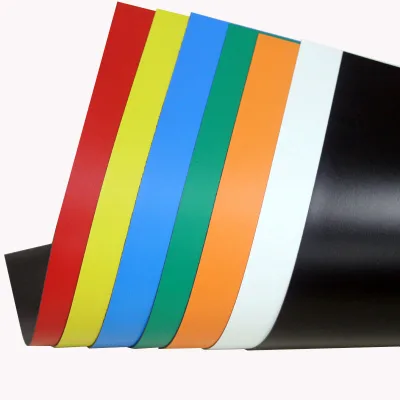
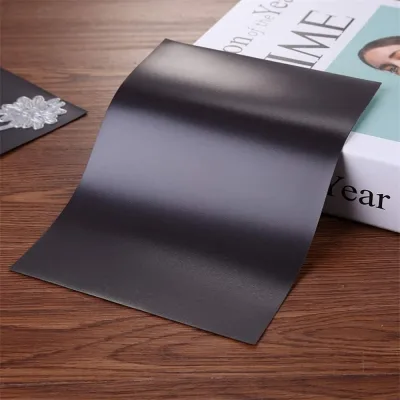
$0.3142 - $0.5236
MOQ: 10000 Minimum
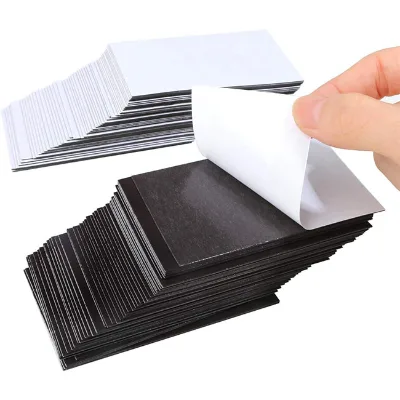
$0.20 - $0.50
MOQ: 10000 Minimum
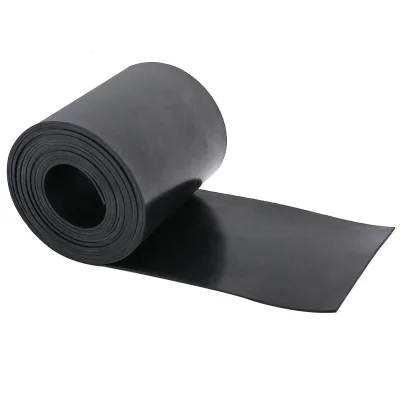
$0.02 - $0.20
MOQ: 1000 pieces
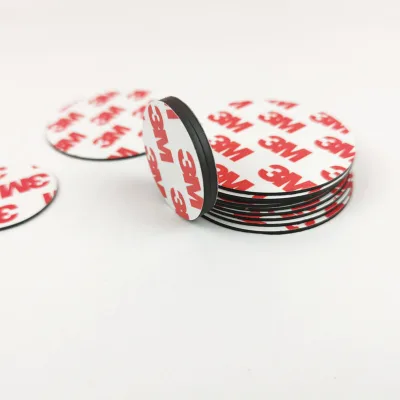
$0.0205 - $0.1027
MOQ: 5 Minimum
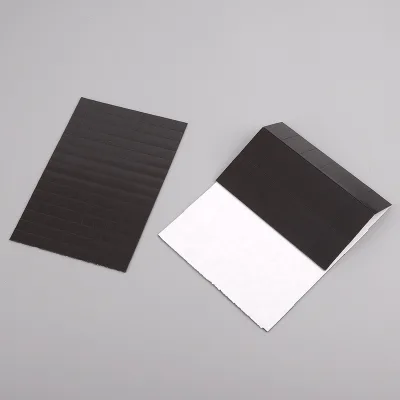
$0.01 - $0.02
MOQ: 10000 Minimum

Xiamen Yuxiang Magnetic Materials Technology Co., Ltd.
- Trading Company
- China Fujian
- Lead time23 days
- Avg. response≤ 6h
Main productsNdFeB Magnet, SmCo Magnet, AlNiCo Magnet, Ferrite Magnet, Rubber Magnet, Fridge Magnet, Magnetic Powder, Magnetic Compound, Magnetic Core, Magnetic Materials
Main marketsSouth America,Africa,Southeast Asia/ Mideast,East Asia(Japan/ South Korea),Europe,Australia,North America

Dongguan Magtoon Magnetic Products Co., Ltd.
- Manufacturer, Trading Company
- Guangdong, China
- Lead time15 days
- Avg. response≤ 3h
Main productsRubber magnets,Magnet strips,Fridge Magnet,Magnetic toys,Magnetic stationery
Main marketsDomestic Market(50.00%), Eastern Asia(30.00%), North America(10.00%), Eastern Europe(5.00%), Western Europe(5.00%)
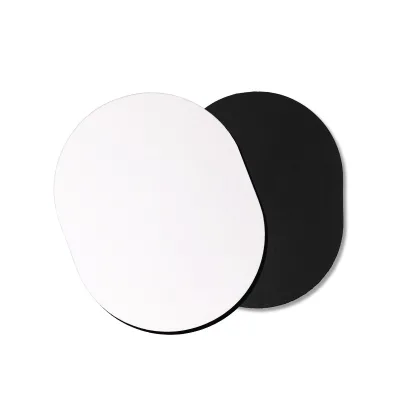
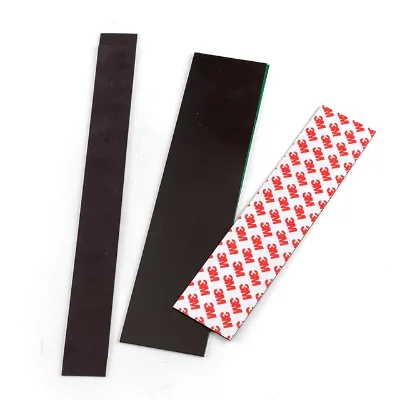
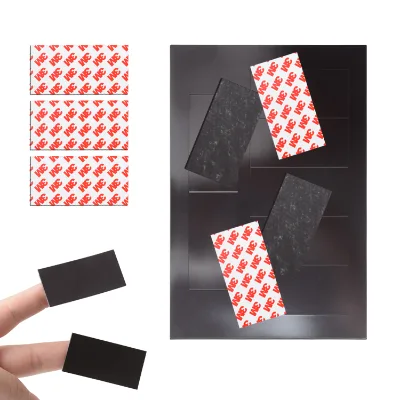
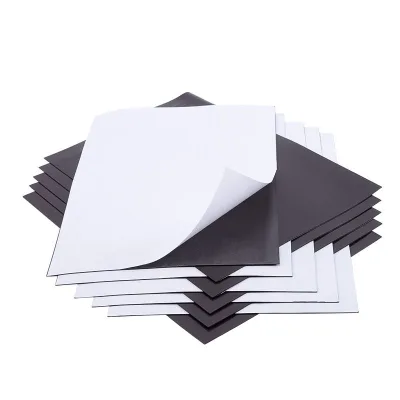
Double Sided Adhesive Flexible Rubber Magnetic Sheet
$2.00 - $3.44

Zhejiang Dongyang Gaoke Electromagnetic Equipment Co., Ltd.
- Manufacturer, Trading Company
- Zhejiang, China
- Lead time25 days
- Avg. response≤ 4h
Main productsRubber Magnetic Roll,Fridge Magnet,Extruded Magnetic Strip,Motor Magnetic Strip,Anisotropic Magnet
Main marketsEastern Asia(40.00%), Domestic Market(10.00%), North America(10.00%), Western Europe(8.00%), Central America(7.00%), Eastern Europe(5.00%), Southeast Asia(5.00%), South America(5.00%), South Asia(4.00%), Africa(2.00%), Oceania(2.00%), Southern Europe(2.00%)
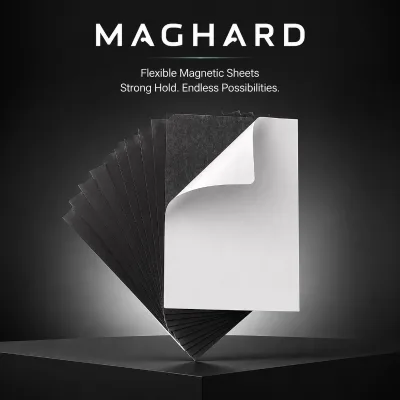
Dongguan Maghard Flexible Magnet Co., Ltd.
- Manufacturer, Trading Company
- Lead time旺季: "1 - 5000":31,"> 5000":"To be negotiated", 淡季: "1 - 5000":31,"> 5000":"To be negotiated"
- Avg. response≤ 7h
Main productsRubber Magnetic Sheets Strip Rolls, Magnetic Promotion Items, Fridge Magnet, Magnetic Toys, Magnetic Stationery Gifts
$47.2856 - $50.3838
MOQ: 20 rolls
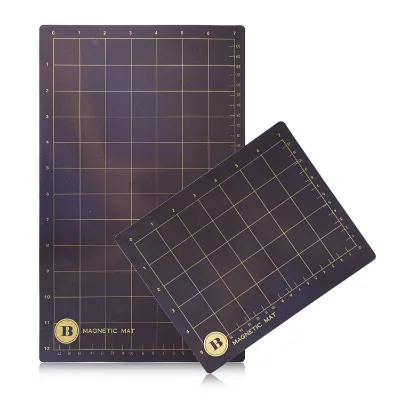
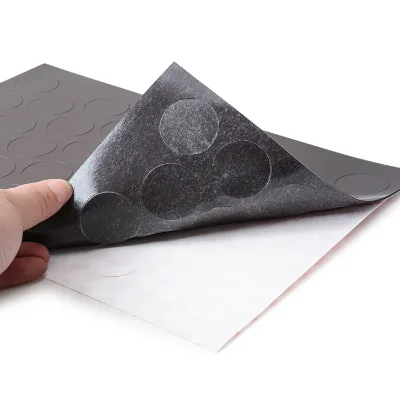
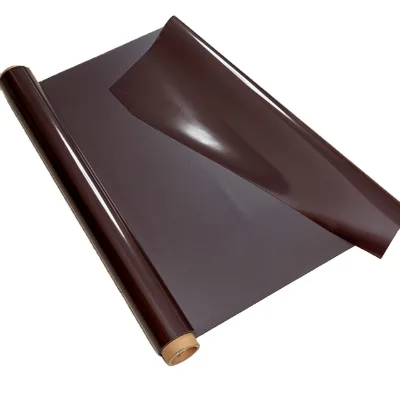
Free Sample Custom Strong Isotropic Rubber Adhesive Flexible Magnet Roll For Printing
$30.00 - $32.00
MOQ: 50 rolls
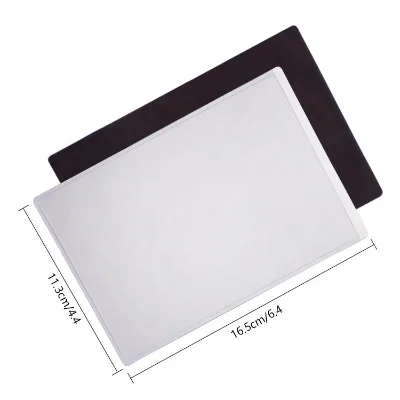
Customized Thin Flexible Rubber Magnet Sheet for Office Use Name Card or Fridge Magnets Use
$0.06 - $0.10
MOQ: 1200 pieces
Dongguan Maghard Flexible Magnet Co., Ltd.
- Verified by TüVRheinland
- Manufacturer, Trading Company
- Lead time15 days
- Avg. response≤ 6h
Main productsMagnetic Materials, Decorative Accents, Whiteboards, Magnetic Blocks, Other Educational Toys
Main marketsDomestic Market(20%), Eastern Europe(15%), Western Europe(15%)
Dongguan Meitian Technology Limited
- Verified by SGS Group
- Manufacturer, Trading Company
- Lead time10 days
- Avg. response≤ 3h
Main productsMagnet, Magnetic Materials, Neodymium Magnet, NdFeB Magnet, Permanent Magnet
Main marketsNorth America(25%), Mid East(15%), Northern Europe(10%)
Ningbo Hui Hesing Advanced Tech Material Co., Ltd.
- Manufacturer, Trading Company
- Zhejiang, China
- Lead time10 days
- Avg. response≤ 2h
Main productsNeodymium Magnet/,NdFeB/ Neodymium Magnet Assembly/ Pot Magnet/ Magnet Filter Bars
Main marketsNorth America(30.00%), Western Europe(20.00%), Eastern Europe(15.00%), Africa(15.00%), South America(10.00%), Southeast Asia(10.00%)

Guangzhou Quancheng Important And Export Co., Ltd.
- Trading Company, Distributor/Wholesaler
- Guangdong, China
- Lead time15 days
- Avg. response≤ 3h
Main productsmagnet,Sintered Ndfeb,Bonded Ndfeb,Flexible Ndfeb,Ferrite magnet
Main marketsNorth America(50.00%), Southern Europe(10.00%), Northern Europe(10.00%), Central America(10.00%), Western Europe(10.00%), Eastern Europe(10.00%)

Ciya Magnetics (Shanghai) Co.,Ltd
- Trading Company
- Shanghai, China
- Lead time10 days
- Avg. response≤ 2h
Main productsNeodymium magnet,NdFeB Magnet,Single pole magnet button,Magnetic Name Badge,Magnetic push pin
Main marketsDomestic Market(80.00%), North America(8.00%), Mid East(5.00%), Western Europe(4.00%), Northern Europe(3.00%)

Hangzhou Lingke Material Co., Ltd.
- Verified by SGS
- Manufacturer/Factory
- China Zhejiang
- Lead time23 days
- Avg. response≤ 4h
Main productsMagnet, Neodymium Magnet, Pot Magnet, AlNiCo Magnet, Hook Magnet, Magnetic Name Badge, Rubber Coated Magnet, Ferrite Magnet, Magnetic Bar, Rubber Magnet
Main marketsSouth America,Eastern Europe,Mid East,North America,Southeast Asia,Eastern Asia,Oceania,Western Europe,Africa

Zhejiang Dongyang Yongmin Rubber Plastic Magnet Co., Ltd.
- Manufacturer, Trading Company
- Zhejiang, China
- Lead time15 days
- Avg. response≤ 3h
Main productsRubber Magnetic Roll, Rubber Magnetic Sheet, Rubber Magnetic Strip, Ferrous Sheet, Neodymium Magnetic Strip
Main marketsDomestic Market(77.00%), Eastern Europe(8.00%), South America(6.00%), North America(2.00%), Western Europe(2.00%), Eastern Asia(2.00%), Southeast Asia(2.00%), Mid East(1.00%)
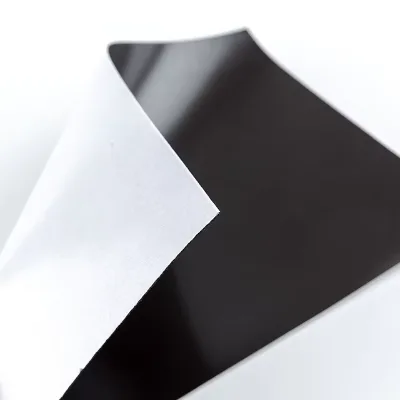
$0.08 - $3.00
MOQ: 1000 Minimum
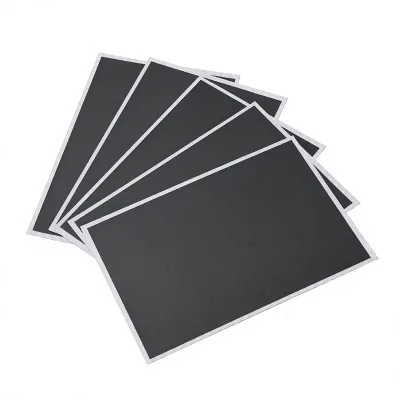
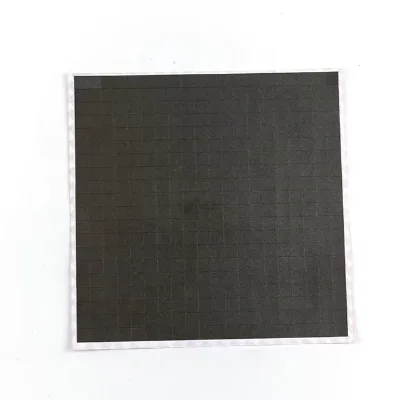
$0.2079 - $0.6208
MOQ: 1000 Minimum
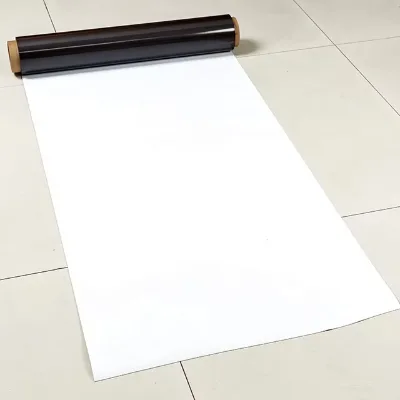
$30.7398 - $61.4796
MOQ: 50 Minimum
Dailymag Magnetic Technology (Ningbo) Limited
- Verified by TüVRheinland
- Manufacturer, Trading Company
- Lead time15 days
- Avg. response≤ 6h
Main productsMagnetic Tools, Linear Actuator, Sharps Container, Neodymium Magnets, Magnetic Assembles
Main marketsNorth America(35%), Western Europe(24%), South America(8%)
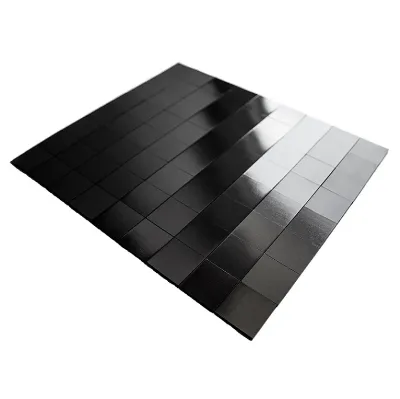
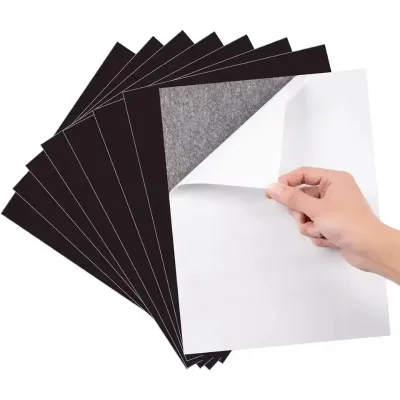
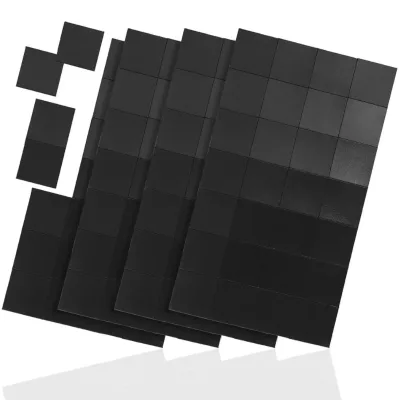
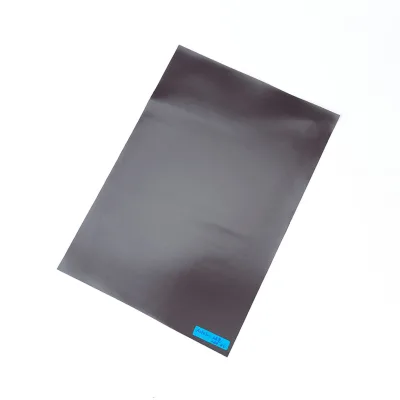
Hot Selling Durable and Flexible Die Cut A4 Size Magnetic Rubber Sheets For Refrigerator Magnets
$1.00 - $3.00
MOQ: 100 Minimum
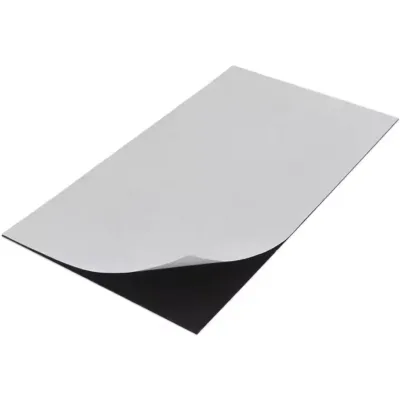
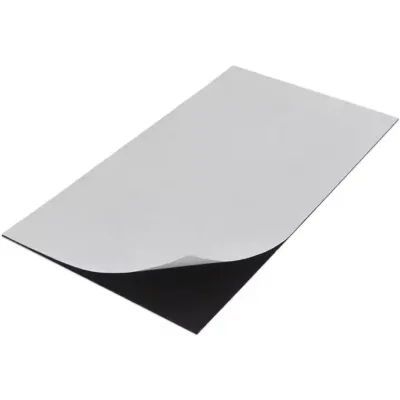
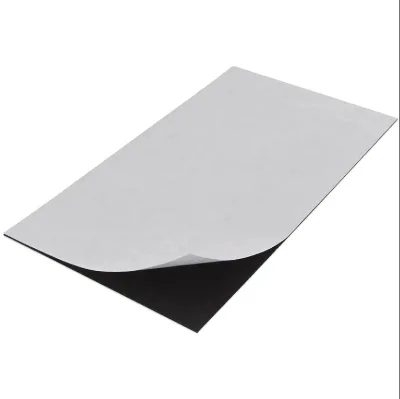

Xiamen Balin New Materials Co., Ltd.
- Verified by SGS
- Trading Company
- China Fujian
- Lead time30 days
- Avg. response≤ 1h
Main productsMagnet, Neodymium Magnet, Ferrite Magnet, Rubber Magnet, Magnetic Assembly, Ferrite Core, AlNiCo Magnet, SmCo Magnet, Magnetic Toy, Magnetic Materials
Main marketsDomestic,Europe,North America


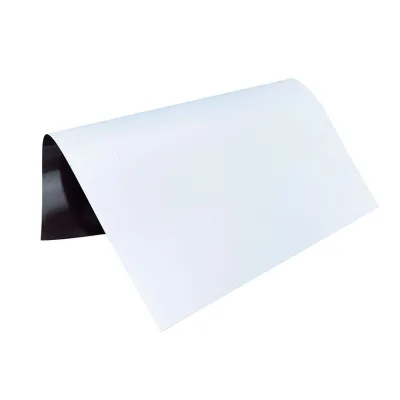
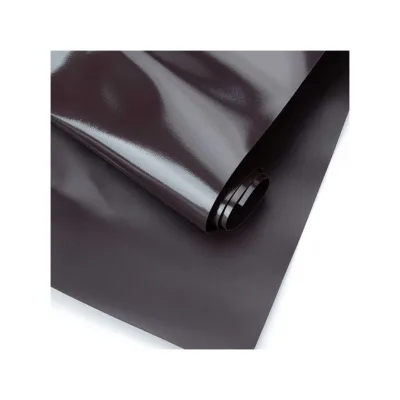
Uniform Magnetic Field Bendable Magnets Magnetic Sheet for Fridge Magnets
$0.10 - $10.00
MOQ: 10 Rolls


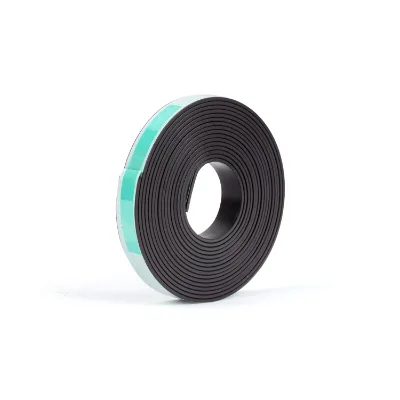
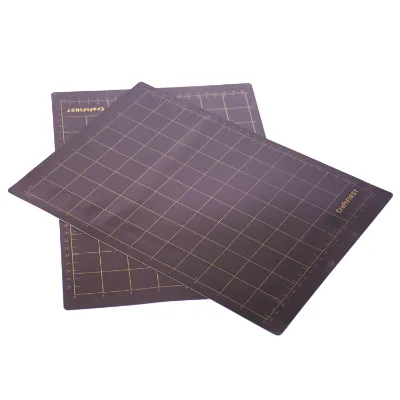
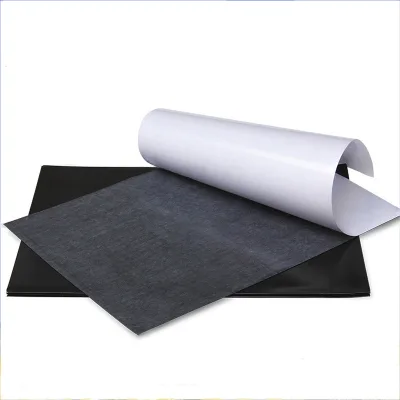
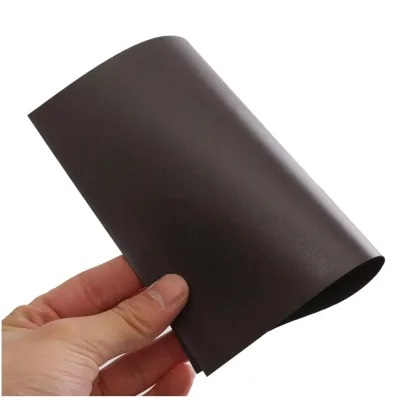

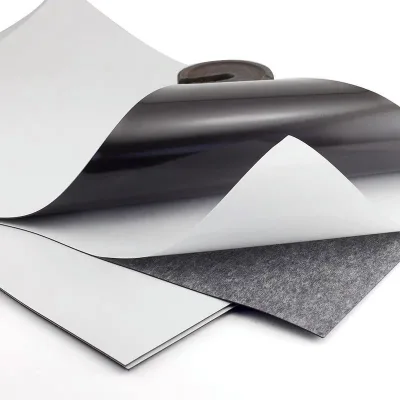
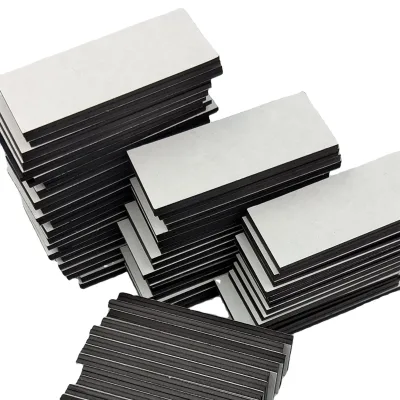
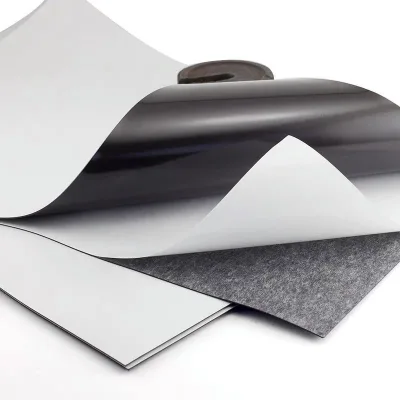
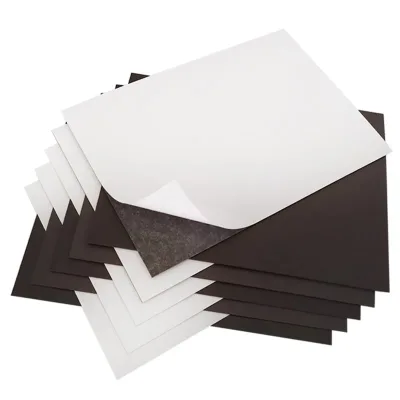



Comprehensive Sourcing Guide
Printable Rubber Magnet Sheet Supplier Concentration and Factory Types
The current supplier landscape for printable rubber magnet sheets reveals a distinct split between manufacturing entities and trading companies, each offering different value propositions for buyers seeking bulk or customized orders. Evidence indicates that manufacturers are primarily concentrated in specific industrial hubs, with one verified facility located in Zhejiang, China, operating as a Manufacturer/Factory. This entity lists a diverse range of magnetic products, including neodymium, ferrite, and rubber magnets, suggesting a robust production capability for isotropic and anisotropic magnetic materials. The presence of OEM and ODM capabilities in their profile highlights their ability to handle custom specifications, which is critical for buyers requiring specific sheet sizes, adhesive backing, or specialized magnetic orientations for printing applications. In contrast, other suppliers in the results are identified as Trading Companies, such as those based in Anhui, China. These entities often aggregate products from multiple sources, potentially offering a wider variety of stock items like A4 size sheets or flexible rolls without the need for extensive custom tooling. The distinction is vital because manufacturers typically provide deeper technical support for material properties, such as the difference between single-sided and two-sided magnetic features, while trading companies may offer faster access to standard off-the-shelf inventory. Buyers must carefully evaluate whether their project requires the customization flexibility of a factory or the logistical convenience of a trader, as this decision impacts lead times, minimum order quantities, and the ability to source complementary items like magnetic strips or rolls in a single shipment.
Understanding the company type also influences the verification process and the depth of quality assurance available. Manufacturers with system certifications such as ISO 9001, ISO 14001, and BSCI demonstrate a structured approach to quality management and environmental responsibility, which is often crucial for industrial applications or large-scale retail distribution. The Zhejiang-based manufacturer, for instance, holds TUVRHEINLAND verification, providing an additional layer of trust regarding their operational standards and product consistency. This verification is particularly relevant for buyers concerned with the safety and reliability of magnetic materials, especially when the end product involves consumer goods or home decoration items. Trading companies, on the other hand, may not display the same level of direct manufacturing certifications, as their role is primarily commercial. However, they might still offer products that meet specific standards, such as RoHS compliance, which is frequently cited in product attributes for rubber magnets. Buyers should recognize that a trading company’s ability to provide certified products depends on their supply chain relationships and their own quality control processes. Therefore, when assessing supplier types, it is essential to look beyond the company label and examine the specific certifications and verification badges associated with the products being offered. This approach ensures that the chosen supplier aligns with the buyer’s quality requirements, whether they are sourcing for industrial motors, home decoration, or specialized printing applications, and helps in building a reliable supply chain that can scale with demand.
How to Verify Printable Rubber Magnet Sheet Suppliers
Verifying the credibility and capability of suppliers for printable rubber magnet sheets requires a multi-layered approach that goes beyond surface-level profile information. The first step is to scrutinize the verification badges and system certifications displayed on the supplier’s page. For instance, the presence of TUVRHEINLAND verification on a manufacturer’s profile serves as a strong indicator of operational integrity and adherence to international standards. Buyers should prioritize suppliers who hold recognized certifications such as ISO 9001 for quality management, ISO 14001 for environmental management, and BSCI for social compliance. These certifications are not merely decorative; they reflect a supplier’s commitment to consistent production quality, ethical labor practices, and environmental responsibility, which are critical for long-term business relationships. Additionally, product-specific certifications like ISO, CE, and RoHS should be checked against the actual product listings. These certifications ensure that the rubber magnet sheets meet safety and environmental regulations, particularly important for products intended for consumer use or export to regions with strict regulatory requirements. Buyers should request copies of these certificates and verify their validity through the issuing bodies if necessary, ensuring that the certifications are current and applicable to the specific products being ordered.
Beyond certifications, buyers should assess the supplier’s responsiveness and communication efficiency, as these factors significantly impact the sourcing experience. The response time metric provides a quantitative measure of how quickly a supplier engages with inquiries. For example, a response time of 7.92 hours or 9.09 hours indicates a relatively prompt engagement, which is essential for resolving technical questions regarding magnetism direction, adhesive properties, or customization options. Slow response times can signal potential bottlenecks in communication, which may lead to delays in order processing or difficulty in addressing issues during production. Buyers should also examine the detailed product attributes to gauge the supplier’s technical expertise. Attributes such as "Customization: Available," "OEM: Acceptable," and specific details about magnetism direction (e.g., isotropic vs. anisotropic) demonstrate a supplier’s ability to handle complex requirements. Furthermore, checking for sample availability is crucial, as it allows buyers to physically evaluate the product quality, printability, and magnetic strength before committing to a large order. Suppliers that readily offer samples and provide detailed product specifications are more likely to be reliable partners. By combining verification of credentials with an assessment of communication speed and technical detail, buyers can effectively filter out unreliable suppliers and identify those that are capable of meeting their specific sourcing needs for printable rubber magnet sheets.
What to Compare Across Printable Rubber Magnet Sheet Suppliers
When evaluating multiple suppliers for printable rubber magnet sheets, buyers must systematically compare key operational and commercial metrics to identify the most suitable partner for their specific needs. One of the most critical factors is the lead time, which directly impacts inventory management and project timelines. Suppliers may offer varying lead times, such as 15 days or 30 days, depending on their production capacity and current order backlog. A shorter lead time, like 15 days, is advantageous for buyers with urgent requirements or those seeking to minimize inventory holding costs. However, buyers should also consider the reliability of these lead times and whether they are consistent across different product types, such as standard sheets versus customized rolls. Another essential metric is the Minimum Order Quantity (MOQ), which determines the financial commitment required to place an order. An MOQ of 1000 units, for instance, may be suitable for established businesses with steady demand, but it could be prohibitive for smaller buyers or those testing a new market. Buyers should compare MOQs across suppliers to find one that aligns with their sales volume and cash flow constraints. Additionally, the price range is a significant factor, with costs varying based on material quality, size, and customization options. Prices ranging from $0.10 to $5.00 per unit reflect the diversity in product specifications, and buyers should evaluate the cost-effectiveness of each option relative to the quality and features offered.
Beyond these quantitative metrics, buyers should also compare the range of main products and customization capabilities offered by each supplier. Suppliers that specialize in a broad range of magnetic products, including neodymium, ferrite, and rubber magnets, may offer better synergy for buyers who need multiple magnetic solutions. The ability to provide OEM and ODM services is another differentiator, allowing buyers to create unique products that stand out in the market. Buyers should also assess the supplier’s product attributes, such as the availability of different shapes (sheet, strip, roll), features (single-sided, two-sided magnetic), and applications (home decoration, industrial, motor). Suppliers that offer detailed customization options, such as customized magnet sizes and specific adhesive backing, provide greater flexibility for buyers with unique requirements. Furthermore, the response time can serve as a proxy for the supplier’s customer service quality, with faster responses indicating a more attentive and responsive team. By comparing these diverse factors, buyers can create a comprehensive evaluation matrix that highlights the strengths and weaknesses of each supplier. This structured comparison enables buyers to make informed decisions that balance cost, quality, lead time, and customization needs, ultimately leading to a more successful sourcing outcome for printable rubber magnet sheets.
Common Printable Rubber Magnet Sheet Sourcing Risks
Sourcing printable rubber magnet sheets involves several inherent risks that buyers must proactively manage to ensure a smooth procurement process. One significant risk is the variability in product quality, particularly regarding magnetic strength and consistency. Rubber magnets can vary in their isotropic or anisotropic properties, which affects their magnetic performance in different directions. Buyers who do not specify clear technical requirements may receive products that do not meet their application needs, such as insufficient magnetic force for industrial use or uneven magnetization for printing purposes. Another risk is the discrepancy between sample quality and bulk production. While samples may appear perfect, bulk orders might suffer from inconsistencies in thickness, adhesive backing, or color fidelity, which can impact the final print quality. This risk is heightened when working with trading companies that may source from multiple manufacturers, leading to potential variations in material batches. Buyers should mitigate this risk by requesting detailed specifications for bulk production and conducting rigorous quality checks upon receipt. Additionally, the risk of delayed shipments is prevalent, especially if suppliers have longer lead times or face production bottlenecks. A lead time of 30 days, for example, leaves little room for error, and any delays can disrupt the buyer’s supply chain. Buyers should establish clear communication channels and request regular updates on production status to monitor progress and address potential issues early.
Another critical risk is the lack of transparency regarding certifications and compliance standards. Suppliers may claim to meet certain standards, such as RoHS or ISO, without providing verifiable documentation. This can lead to compliance issues, particularly for buyers exporting to regions with strict regulatory requirements. Buyers must verify all certifications independently and ensure that the products meet the necessary safety and environmental standards. Furthermore, the risk of intellectual property infringement exists when working with suppliers that offer extensive customization services. Buyers should ensure that their designs and specifications are protected through appropriate legal agreements and that the supplier adheres to confidentiality clauses. The risk of price fluctuations is also a concern, as raw material costs for rubber and magnets can vary. Buyers should consider locking in prices through long-term contracts or purchasing in bulk to mitigate this risk. Additionally, the risk of poor customer service can arise if suppliers have slow response times or inadequate support structures. Buyers should assess the supplier’s responsiveness and willingness to address issues promptly, as poor communication can lead to unresolved problems and financial losses. By identifying and addressing these common risks, buyers can develop robust mitigation strategies that protect their interests and ensure a successful sourcing experience for printable rubber magnet sheets.
Printable Rubber Magnet Sheet Regional Sourcing and Logistics
Regional sourcing plays a pivotal role in determining the logistics, costs, and overall efficiency of procuring printable rubber magnet sheets. The current supplier results indicate a concentration of manufacturers in specific regions of China, such as Zhejiang and Anhui provinces. Zhejiang, in particular, is known for its robust manufacturing infrastructure and is home to verified suppliers with extensive capabilities in producing various types of magnets. Sourcing from this region can offer advantages in terms of production capacity and technical expertise, as manufacturers here often have established supply chains for raw materials like rubber and magnetic powders. However, buyers must also consider the logistical implications of sourcing from different regions. Proximity to major ports and transportation hubs can significantly impact shipping costs and lead times. For instance, suppliers in Zhejiang may have easier access to Shanghai Port, facilitating faster and more cost-effective export logistics. In contrast, suppliers in Anhui, while potentially offering competitive pricing, may have longer transit times to coastal ports, which could affect overall delivery schedules. Buyers should evaluate the geographic location of suppliers in the context of their own distribution networks to optimize logistics and minimize transportation costs.
Furthermore, regional sourcing influences the availability of specialized services and support. Manufacturers in established industrial clusters often benefit from a ecosystem of
FAQs
What certifications are available for rubber magnets?
Manufacturers in Zhejiang offer ISO, CE, and RoHS certifications for their rubber magnet products. Suppliers in Anhui typically provide RoHS compliance. These certifications ensure the materials meet international safety and environmental standards for industrial and home decoration applications.
What is the typical lead time for orders?
Lead times vary by supplier location and type. Zhejiang-based manufacturers generally require 15 days for production. Trading companies in Anhui may need up to 30 days. Buyers should confirm specific timelines with their chosen supplier before placing bulk orders.
What is the minimum order quantity for sheets?
The minimum order quantity is typically 1000 units for rubber magnet sheets. This MOQ applies to standard flexible and printable options. Buyers seeking smaller quantities should verify sample availability, as some suppliers offer samples for quality assessment before committing to larger volumes.
What is the price range for rubber magnets?
Prices for rubber magnet sheets range from $0.01 to $5.00 per unit depending on specifications. Basic flexible sheets start near $0.10, while specialized printable or adhesive options may cost up to $0.50. Bulk orders often secure lower rates within this bracket.
Are customization and OEM services available?
Yes, most suppliers accept OEM and ODM requests for rubber magnets. Customization options include specific sizes, shapes, and magnetic properties. Buyers can request customized magnet sizes and packaging to meet their unique branding or industrial application requirements effectively.
How quickly do suppliers respond to inquiries?
Response times vary among suppliers, averaging between 7.92 and 11.03 hours. Zhejiang manufacturers typically respond within 9.09 hours, while Anhui trading companies may take 7.92 hours. Prompt communication helps clarify technical details and negotiate terms efficiently during the sourcing process.