Source Stainless Steel Magnetic Parts Tray for Assembly, Repair, and Sorting
Compare 30 Stainless Steel Magnetic Parts Tray options from verified Chinese suppliers. Buyers can evaluate specifications like material composition, dimensions, and customization support for industrial and automotive applications. These trays feature stainless steel construction with ferrite magnets, offering universal fitment and OEM services for diverse manufacturing needs.
Updated
Key considerations
Products List
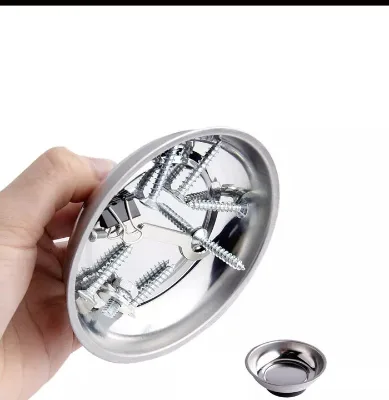
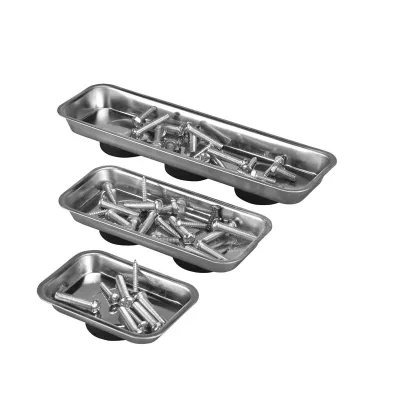
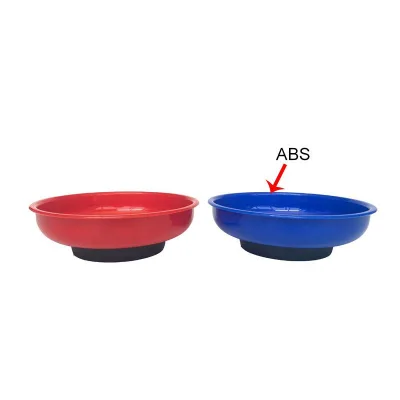




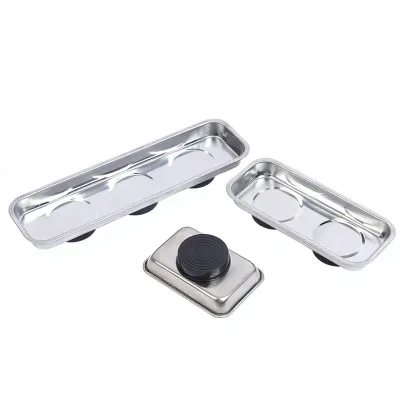
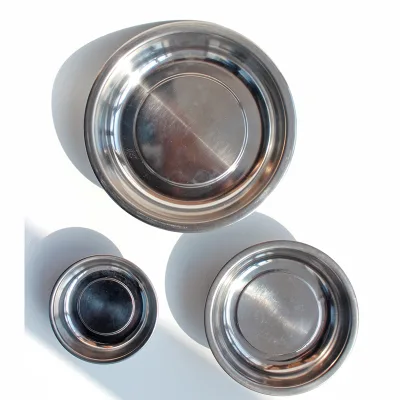

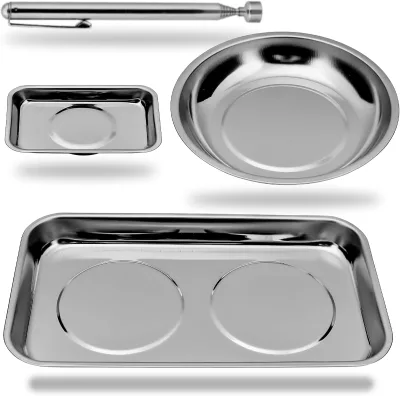
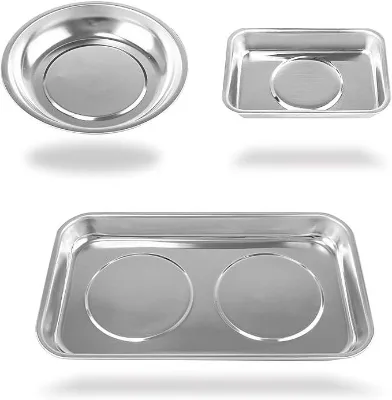

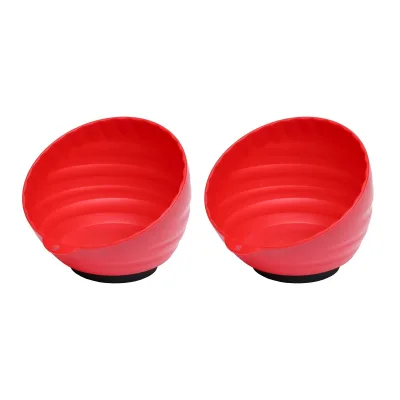


Comprehensive Sourcing Guide
Stainless Steel Magnetic Parts Tray Sourcing Guide
Sourcing stainless steel magnetic parts trays requires a clear understanding of the diverse material compositions and structural designs available in the current market. Buyers must distinguish between trays constructed from pure stainless steel and those that utilize composite materials, such as ABS plastic combined with ferrite magnets or stainless steel components. The observed product landscape reveals a significant variation in base materials, with some listings specifying stainless steel as the primary structural element while others rely on ABS for the tray body. This distinction is critical for procurement teams, as the material choice directly influences durability, corrosion resistance, and the overall weight of the final product. Understanding these material differences allows buyers to align their procurement strategy with the specific environmental conditions of their workshop or industrial setting.
Furthermore, the application scope for these trays extends beyond simple storage, encompassing automotive repair, industrial magnet handling, and general tool organization. The observed data indicates that these products are often categorized under industrial magnets or automotive repair tools, suggesting a dual-purpose utility. Buyers should evaluate whether the tray is designed for heavy-duty industrial use or lighter automotive tasks, as this affects the required magnetic strength and structural integrity. The presence of universal car fitment attributes in some listings highlights the versatility of these items, making them suitable for various brand vehicles. However, procurement teams must verify that the magnetic properties are sufficient for the specific parts being handled, ensuring that the tray performs reliably under the expected operational loads without compromising safety or efficiency.
Product Scope and Observed Listing Signals
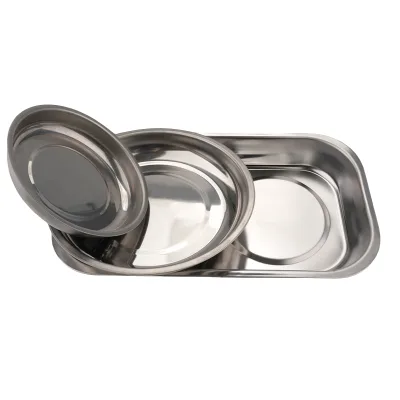
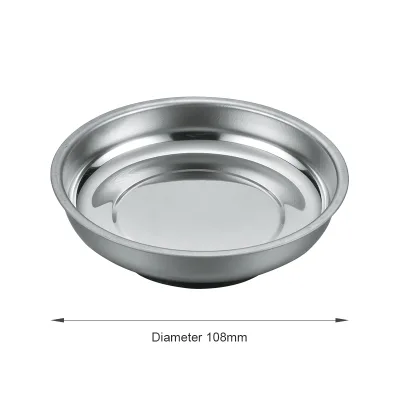
The current market for magnetic parts trays exhibits a wide range of physical dimensions and packaging specifications, which buyers must carefully evaluate to ensure compatibility with their storage systems. Observed sizes vary significantly, with some trays measuring approximately 237 by 136 by 28 millimeters, while others are larger, such as 290 by 270 millimeters or 148 by 148 by 35 millimeters. These dimensional differences are crucial for buyers who need to fit trays into specific toolboxes, workbenches, or vehicle compartments. Additionally, the single package sizes and gross weights provide insight into the logistical considerations for shipping and handling. For instance, some trays have a gross weight of around 0.49 kilograms, while others are lighter, affecting the overall shipping cost and the ease of manual handling in a busy workshop environment.
Customization options are a prominent feature in the observed listings, with many suppliers offering OEM and ODM support to meet specific brand or functional requirements. Buyers can often request custom logos, colors, and packaging, such as white boxes with specific dimensions like 240 by 140 millimeters. This level of customization allows companies to maintain brand consistency and improve inventory management through unique product identifiers. However, the availability of these customizations may be subject to minimum order quantities, which can range from small batches to larger volumes. Procurement teams should assess whether the cost of customization justifies the branding benefits and whether the supplier can reliably meet the specified order volumes without compromising on quality or delivery timelines.
Technical Specifications to Verify
When evaluating technical specifications, buyers must prioritize the verification of magnetic strength and material composition to ensure the tray can securely hold the intended parts. The observed data indicates that some trays use a combination of stainless steel and ferrite magnets, while others may rely on different magnetic configurations. It is essential to confirm the magnetic grade and the distribution of magnets within the tray to prevent parts from sliding or falling during movement. Additionally, the thickness of the stainless steel or the durability of the ABS material should be verified, as these factors impact the tray's resistance to impact and wear. Buyers should request detailed technical datasheets that specify the magnetic pull force and material thickness to make informed decisions based on their specific operational needs.
Model numbers and product codes are another critical aspect of technical verification, as they help in identifying the exact product variant and its associated specifications. Observed model numbers such as MS-39, A12502, and MG50937 suggest a variety of product lines with potentially different features and capabilities. Buyers should cross-reference these model numbers with the supplier's catalog to ensure they are ordering the correct item with the desired attributes. Furthermore, the standard thickness of the material, such as 4mm, should be confirmed to ensure it meets the required durability standards. By meticulously verifying these technical details, buyers can avoid mismatches between their expectations and the delivered product, ensuring that the trays perform as intended in their specific application.
Compliance and Safety Documentation
Compliance with international standards is a key consideration for buyers sourcing magnetic parts trays, particularly for use in regulated industries or export markets. The observed listings mention certifications such as CE and ISO, which indicate that the products may meet certain European and international quality and safety standards. Buyers should request valid certification documents to verify that the supplier has undergone the necessary audits and testing processes. These certifications provide assurance that the materials used are safe and that the manufacturing processes adhere to recognized quality management systems. However, buyers must be cautious and verify the authenticity of these certifications, as they may not cover all aspects of the product's performance or safety.
In addition to certifications, buyers should inquire about any specific safety data sheets or material safety information provided by the supplier. This is particularly important if the trays are used in environments where chemical exposure or extreme temperatures are a concern. The observed data mentions a warranty period of nine months for some products, which can serve as an indicator of the supplier's confidence in their product's durability. Buyers should review the terms of the warranty to understand what is covered and what constitutes a valid claim. By ensuring that all compliance and safety documentation is in order, buyers can mitigate risks associated with product liability and ensure that the trays meet the regulatory requirements of their target markets.
Cost Drivers and Commercial Terms
The cost of magnetic parts trays is influenced by several factors, including material costs, manufacturing complexity, and customization requirements. Stainless steel is generally more expensive than ABS plastic, so trays made from stainless steel may command a higher price. Additionally, the inclusion of high-quality ferrite magnets and the precision of the manufacturing process can also impact the final cost. Buyers should request detailed quotations that break down the costs associated with materials, labor, and overhead to understand the true cost drivers. This transparency allows buyers to negotiate more effectively and identify areas where cost savings can be achieved without compromising on quality.
Commercial terms, such as minimum order quantities and payment terms, also play a significant role in the overall procurement cost. The observed data indicates that MOQs can vary widely, from as low as one piece to as high as 30,000 pieces, depending on the supplier and the product. Buyers should align their order quantities with their inventory needs and storage capacity to avoid excessive holding costs. Furthermore, the availability of customization options may incur additional fees, which should be factored into the total cost of ownership. By carefully evaluating these commercial terms, buyers can optimize their procurement strategy to achieve the best balance between cost, quality, and supply chain efficiency.
Supplier Qualification and Quality Control
Supplier qualification is a critical step in the sourcing process, ensuring that the chosen manufacturer can consistently deliver high-quality magnetic parts trays. Buyers should conduct thorough due diligence on potential suppliers, including verifying their business licenses, production capabilities, and quality control processes. The observed data mentions that suppliers offer OEM and ODM services, which suggests a level of flexibility and customization capability. However, buyers should also assess the supplier's track record in terms of on-time delivery and customer satisfaction. Requesting references or case studies from previous clients can provide valuable insights into the supplier's reliability and performance.
Quality control measures should be clearly defined and agreed upon before placing an order. Buyers should inquire about the supplier's inspection processes, including in-process inspections and final random inspections. The observed data mentions that products are new and come with specific packaging, such as white boxes, which can help in identifying the product during inspection. Buyers should also consider implementing their own quality control checks upon receipt of the goods to ensure that the products meet the specified standards. By establishing a robust supplier qualification and quality control framework, buyers can minimize the risk of receiving defective products and maintain a consistent supply of high-quality magnetic parts trays.
Long-Term Procurement Checks
Long-term procurement success depends on establishing a sustainable relationship with suppliers and continuously monitoring product performance. Buyers should implement a system for tracking the performance of the magnetic parts trays in their operations, including feedback from end-users and maintenance records. This data can help identify any recurring issues or areas for improvement, allowing buyers to work with suppliers to address these concerns proactively. Regular communication with suppliers is essential to ensure that any changes in product specifications or manufacturing processes are communicated in a timely manner. By maintaining open lines of communication, buyers can foster a collaborative relationship that benefits both parties.
Additionally, buyers should periodically review their supplier base to ensure that they are still meeting their quality, cost, and delivery requirements. Market conditions and supplier capabilities can change over time, so it is important to stay informed about any shifts in the supply chain. Buyers should also consider diversifying their supplier base to mitigate the risk of supply disruptions. By conducting regular audits and performance reviews, buyers can ensure that their procurement strategy remains aligned with their business objectives and that they are getting the best value from their suppliers. This proactive approach to long-term procurement checks helps to build a resilient and efficient supply chain.
FAQs
What materials are used for stainless steel magnetic parts trays?
These trays typically combine stainless steel with ferrite magnets for durability and strong holding power. Some models utilize ABS plastic for lightweight applications. The choice depends on whether you need industrial strength or automotive convenience. Both materials ensure the tray remains robust during heavy use in workshops or repair environments.
Can I customize the logo on these magnetic trays?
Yes, OEM and ODM support is available for most suppliers. You can request custom logos and colors to match your brand identity. This customization is common for industrial and automotive repair tools. Ensure you confirm the minimum order quantity with the manufacturer before proceeding with personalized branding requirements for your specific project needs.
What certifications do these magnetic trays usually have?
Many stainless steel magnetic parts trays carry CE and ISO certifications. These standards verify quality and safety for industrial applications. Some products also meet specific automotive repair tool requirements. Always verify the exact certification status with the supplier, as it varies by model and manufacturer location in China.
How does the MOQ affect ordering these magnetic trays?
Minimum order quantities typically range from 1 to 30,000 pieces depending on the supplier. Customized items often require higher MOQs, such as 1,000 pieces. Standard models may allow smaller orders. Check the specific MOQ for your chosen model to ensure it aligns with your inventory needs and budget constraints effectively.
Where are these magnetic parts trays manufactured?
Most stainless steel magnetic parts trays are produced in China, specifically in Zhejiang and Anhui provinces. These regions are known for manufacturing industrial magnets and automotive accessories. The origin ensures competitive pricing and established supply chains. Buyers should verify the exact place of origin for quality assurance and logistics planning.
What sizes are available for magnetic parts trays?
Available sizes vary, including dimensions like 237x136x28mm and 148x148x35mm. Some models feature a 150mm diameter for round trays. Others measure 290x270mm for larger parts. Select the size based on the components you need to organize. Custom sizes may be available through ODM services for specialized industrial applications.