Source Rugged Shockproof Cell Phone Case for Travel, Work, and Outdoor Use
Find 30 Rugged Shockproof Cell Phone Case options from verified suppliers. Compare features like waterproofing, anti-fingerprint protection, and material types including TPU and aramid fiber for various iPhone models.
Key considerations
Products List


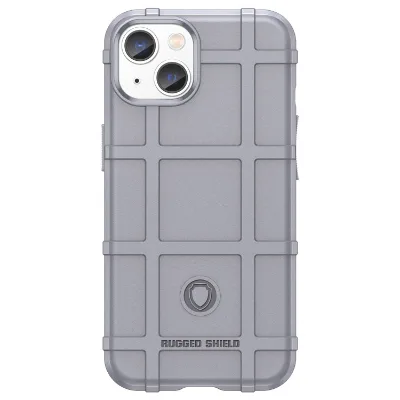
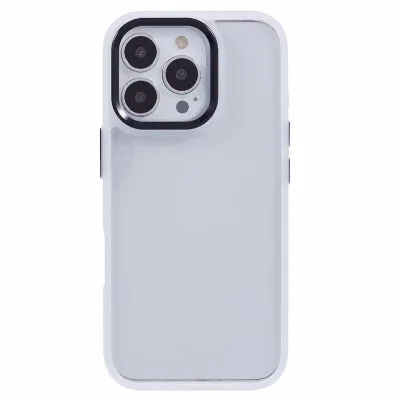
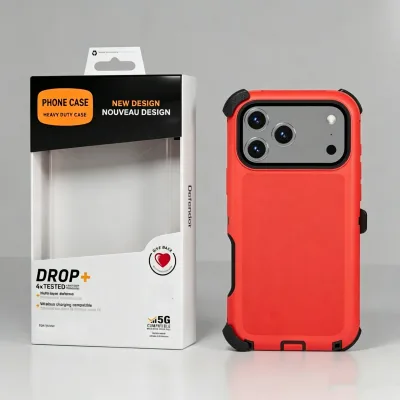
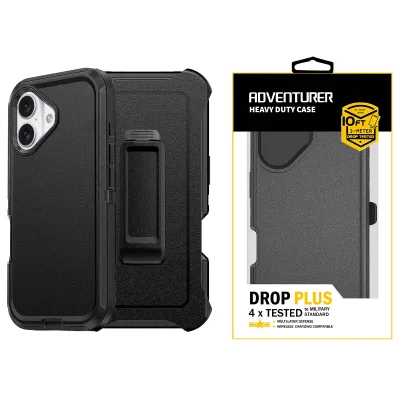


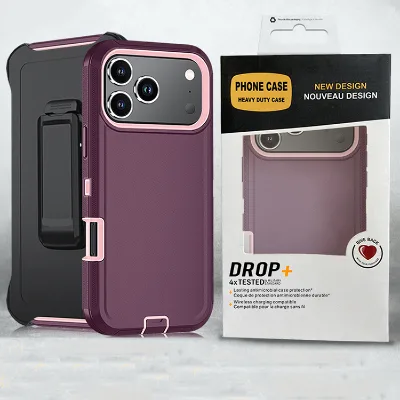
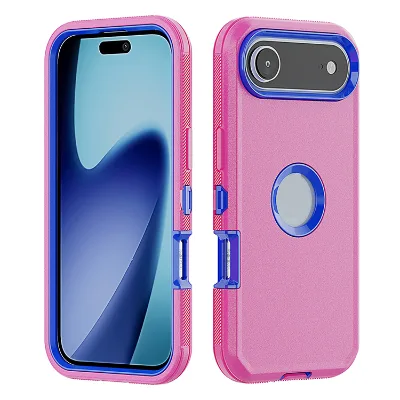


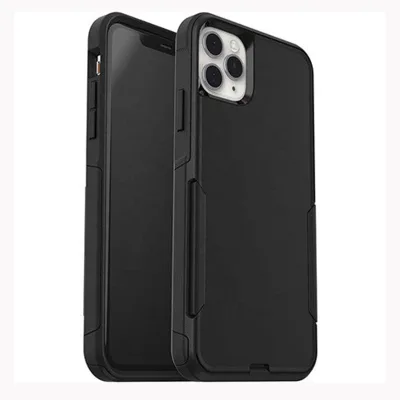
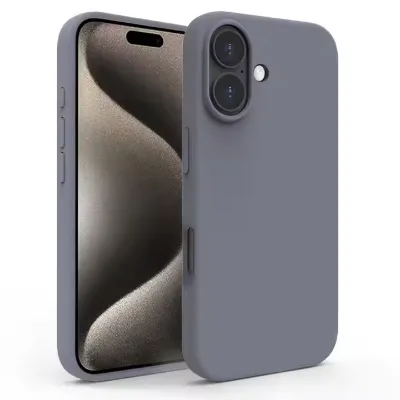


Protective Mobile Case with Ring Phone Cover for iPhone Bracket Phone Case
$0.90 - $1.00
MOQ: 100 Pieces
Comprehensive Sourcing Guide
Rugged Shockproof Cell Phone Case Sourcing Guide
Sourcing rugged shockproof cell phone cases requires a nuanced understanding of material science, structural design, and supply chain transparency. These protective accessories are engineered to absorb and dissipate impact energy, safeguarding high-value mobile devices from drops, bumps, and environmental hazards. For B2B buyers, the decision to procure these items is often driven by the need to offer durable, high-margin accessories that complement smartphone sales or serve as standalone protective solutions for industrial and consumer markets. The term "rugged" implies a higher threshold of protection than standard slim cases, often involving multi-layered constructions, reinforced corners, and specialized materials like TPU, aramid fiber, or carbon fiber composites.
The procurement landscape for these cases is characterized by significant variability in quality, customization options, and manufacturing origins. Buyers must navigate a market where suppliers offer everything from basic TPU covers to complex hybrid designs featuring zipper closures or full-coverage shielding. Understanding the specific attributes of each case type is critical for aligning product offerings with target customer segments. Whether the end-user requires a minimalist transparent design for aesthetic preservation or a heavy-duty, dustproof solution for field work, the sourcing strategy must account for these diverse functional requirements. This guide provides a structured approach to evaluating suppliers, verifying technical specifications, and ensuring commercial viability in this competitive category.
Product Scope and Observed Listing Signals
The current market for rugged shockproof cases exhibits a wide range of product configurations, with observed price points ranging from $0.28 to $12.00 USD and minimum order quantities (MOQs) varying from 1 to 1,000 units. This broad spectrum indicates a flexible supply chain capable of accommodating both small-scale trial orders and large-volume retail deployments. Buyers should note that the lower end of the price range typically corresponds to simpler designs, such as basic TPU soft covers or single-material hard cases, while higher price points often reflect complex hybrid constructions, specialized materials like aramid fiber, or extensive customization services. The availability of small orders suggests that suppliers are open to testing relationships, which is advantageous for buyers validating quality before committing to larger volumes.
Product listings reveal a strong emphasis on customization and brand integration, with many suppliers offering customized logos, colors, and design styles. Attributes such as "Accept Customized Logo," "Color: Customized," and "Design: as Your Requirement" highlight the potential for private labeling and brand differentiation. However, buyers must carefully distinguish between standard stock items and fully bespoke solutions, as the latter may involve higher MOQs, longer lead times, and additional tooling costs. The observed product models, such as "G-Clear Pure Collection Case for IP16 PRO Max" and "Anti-Shock Mobile Phone Cases-036K," indicate a focus on specific device compatibility, particularly for recent iPhone models. This specificity requires buyers to ensure that their inventory planning aligns with the rapid release cycles of smartphone manufacturers to avoid obsolete stock.
Technical Specifications to Verify
Verifying the technical specifications of rugged cases is paramount to ensuring product performance and customer satisfaction. Key attributes to validate include hardness, material composition, and functional features. Listings indicate variations in hardness, ranging from "Medium Soft" to "Partial Hard," which directly impacts the tactile experience and protective capability of the case. Materials such as TPU, aramid fiber, and carbon fiber offer distinct advantages; TPU provides flexibility and shock absorption, while aramid and carbon fiber offer lightweight strength and scratch resistance. Buyers should request detailed material specifications to confirm the exact composition and thickness, as these factors influence the case's ability to withstand impact and its compatibility with wireless charging functions.
Functional features are another critical area for verification, with common claims including shockproof, waterproof, anti-scratch, and dustproof capabilities. However, the term "waterproof" can be ambiguous; buyers must clarify whether the case offers full submersion protection or merely splash resistance. Additionally, the presence of features like "360 Protection," "Full Coverage," and "Anti-Fingerprint" coatings should be confirmed through physical samples or detailed product datasheets. The compatibility with specific devices, such as iPhone 16 Pro Max or iPhone 15 Pro, must be precisely matched to avoid fitment issues. Buyers should also verify whether the case supports wireless charging, as some rugged designs with metal components or thick layers may interfere with charging coils, a factor explicitly noted in some listings as "Support wireless charge: N."
Compliance and Safety Documentation
Compliance and safety documentation are essential for mitigating legal risks and ensuring product safety in international markets. Buyers should prioritize suppliers who provide relevant certifications, such as RoHS and ISO9001, which indicate adherence to environmental standards and quality management systems. RoHS certification ensures that the materials used in the case, particularly plastics and coatings, are free from hazardous substances like lead, mercury, and cadmium, which is crucial for consumer safety and regulatory compliance in regions like the European Union. ISO9001 certification demonstrates that the supplier has implemented a robust quality management system, reducing the risk of production inconsistencies and defects.
Beyond certifications, buyers should request detailed safety data sheets (SDS) and material safety reports to verify the non-toxic nature of the components. This is particularly important for cases intended for children or sensitive users, where skin contact with materials is frequent. Additionally, buyers should inquire about any specific testing protocols conducted by the supplier, such as drop tests, scratch resistance tests, or chemical resistance tests. While specific test results may not always be publicly listed, requesting this information can help assess the supplier's commitment to quality assurance. Ensuring that all documentation is up-to-date and verifiable is a critical step in building a trustworthy supply chain and protecting brand reputation.
Cost Drivers and Commercial Terms
Understanding the cost drivers and commercial terms is vital for accurate budgeting and profit margin calculation. The price of rugged cases is influenced by several factors, including material costs, manufacturing complexity, customization requirements, and order volume. Materials like aramid fiber and carbon fiber are inherently more expensive than standard TPU, leading to higher unit costs. Similarly, complex designs involving multiple layers, zippers, or specialized molds will increase production costs. Buyers should negotiate pricing based on clear volume tiers, leveraging the observed MOQ range of 1-1,000 units to secure better rates for larger orders. It is also important to clarify whether the quoted price includes packaging, such as polybags or retail boxes, as this can significantly impact the total landed cost.
Commercial terms, including payment methods, shipping arrangements, and return policies, should be carefully negotiated to protect buyer interests. The observed packing methods, such as "Each Packed in a Polybag" or "Sea and Air Freight," indicate flexibility in logistics, but buyers should confirm who bears the cost and risk of transportation. Incoterms like FOB, CIF, or EXW should be explicitly defined to avoid unexpected expenses. Additionally, buyers should establish clear quality acceptance criteria and return policies for defective goods. Given the variability in product quality, implementing a pre-shipment inspection process can help identify and rectify issues before goods are dispatched, reducing the risk of receiving substandard inventory.
Supplier Qualification and Quality Control
Supplier qualification is a foundational step in securing a reliable supply of rugged shockproof cases. Buyers should conduct thorough due diligence on potential suppliers, verifying their business licenses, manufacturing capabilities, and past performance. Suppliers located in key manufacturing hubs like Guangdong, China, often have established supply chains and expertise in electronics accessories, but this does not guarantee quality. Buyers should request factory audits or third-party verification reports to assess production facilities, quality control processes, and employee working conditions. This due diligence helps identify suppliers who are capable of meeting consistent quality standards and ethical labor practices.
Quality control measures should be integrated into the procurement process to ensure product consistency. Buyers should define clear quality standards, including acceptable defect rates, material specifications, and functional performance criteria. Implementing a sampling process before mass production allows buyers to verify that the final product matches the approved sample. During production, random inspections can help identify deviations early, allowing for corrective actions before shipment. Post-production, a final random inspection (FRI) should be conducted to verify that the shipped goods meet all agreed-upon specifications. Establishing a strong relationship with the supplier based on transparency and mutual trust can facilitate smoother communication and quicker resolution of any quality issues that may arise.
Long-Term Procurement Checks
Long-term procurement success depends on continuous monitoring and adaptation to market changes. Buyers should regularly review supplier performance metrics, including on-time delivery rates, product quality consistency, and responsiveness to issues. Establishing a scorecard system can help objectively evaluate suppliers and identify areas for improvement. Additionally, buyers should stay informed about emerging trends in case design, materials, and technology, such as new shock-absorption technologies or sustainable materials. This market intelligence can help buyers stay competitive and offer innovative products to their customers.
Building a diversified supplier base is another key strategy for long-term resilience. Relying on a single supplier can expose buyers to risks such as production disruptions, price fluctuations, or quality declines. By cultivating relationships with multiple qualified suppliers, buyers can mitigate these risks and maintain supply continuity. Regular communication and collaboration with suppliers can also foster innovation and joint problem-solving, leading to better products and more efficient processes. Finally, buyers should periodically review their procurement contracts and terms to ensure they remain favorable and aligned with current market conditions, adjusting as necessary to protect their business interests.
FAQs
What materials are commonly used for rugged shockproof cell phone cases?
Most rugged shockproof cases use TPU for soft impact absorption combined with a hard PC or hybrid shell for structure. Some premium options use aramid fiber, carbon fiber, or fabric panels for durability and a slimmer profile. Hybrid designs with a soft inner layer and hard outer cover typically offer the best balance of protection and grip.
Which iPhone models do these shockproof cases fit?
Listings on this page cover iPhone models including the iPhone 16 Pro Max and iPhone 17 Pro Max, with one case designed around 160mm x 78mm x 8.5mm dimensions. Compatibility varies by listing, so always confirm the model number in each product specification before ordering, since dimensions and camera cutouts differ between generations.
Can I order rugged shockproof cases with a customized logo?
Yes, customization is available, and suppliers accept customized logos on many case models. You can typically request your logo placement, packaging preferences, and design adjustments. Minimum order quantities vary by listing, ranging from 1 to 1000 pieces, so check the specific product page or message suppliers to confirm their customization process and costs.
How do shockproof cases protect against drops and impacts?
Shockproof cases use shock-absorbent materials like TPU that deform on impact and dissipate energy away from the phone. Many designs add reinforced corners, raised edges around the screen and camera, and full coverage construction. Combined features like anti-slip surfaces and dustproof sealing further reduce the risk of damage from daily drops and rough handling.
Are waterproof rugged cases available for iPhones?
Some listings feature waterproof protection alongside shockproof construction, though the level of water resistance varies by product. Waterproof cases typically use sealed edges and port covers to block moisture and dirt. Review each product's feature list carefully and request testing details from suppliers, since not every shockproof case offers certified waterproof performance.
What is the typical minimum order quantity for these cases?
Minimum order quantities on this page range from 1 to 1000 pieces depending on the supplier and model. Several listings accept small orders, which is helpful for testing samples or launching a retail line. Custom logo orders usually require higher volumes than stock designs, so confirm MOQ terms directly with each supplier.
Can suppliers customize the color, size, and design of the cases?
Yes, many listings offer customized colors and sizes, with some designs made to your requirements. Options include transparent, cartoon-style, and plain simplicity styles across soft, hard, and hybrid case types. Provide your design specifications when contacting suppliers, and ask about sample availability before committing to a production run.
How are rugged phone cases packed for shipping?
Common packing includes each case in a polybag or simple PP bag, with cartons suitable for sea and air freight. Retail packaging options may be negotiable depending on the supplier and order size. Confirm packing details, carton dimensions, and freight terms with suppliers before ordering, especially for large bulk shipments.