Source Safety Carabiner for Automotive, Heavy Industry, and General Industry
Find and compare 30 Safety Carabiner options from verified Chinese suppliers. These aluminum alloy and steel hooks support automotive, heavy industry, and general industry applications with varying breaking strengths and sizes.
Key considerations
Products List
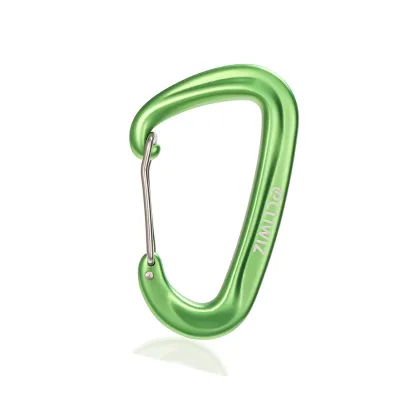
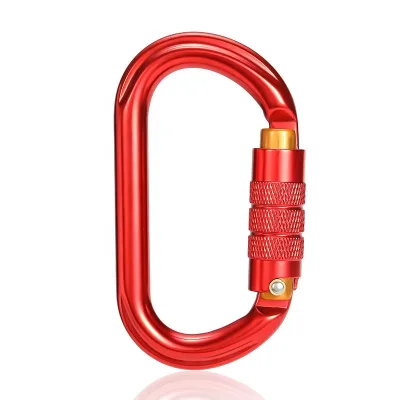
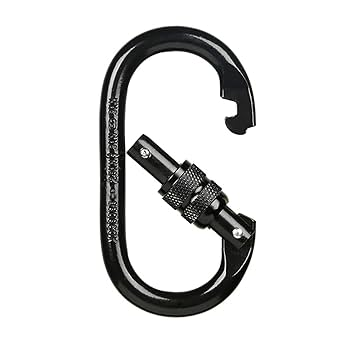

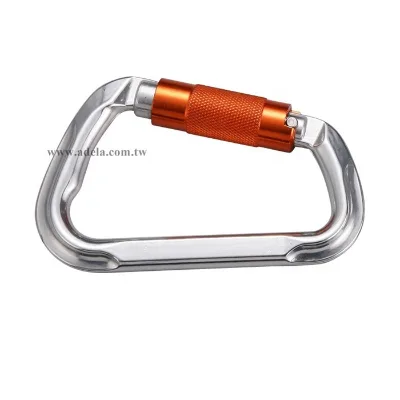
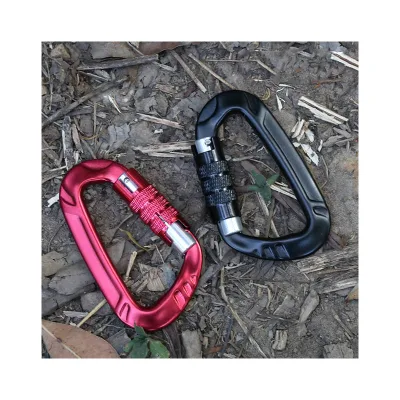
12KN Auto Locking Carabiner Clips D Shape Aluminium Carabiners Caribeaners
$1.80 - $1.95
MOQ: 100 Minimum
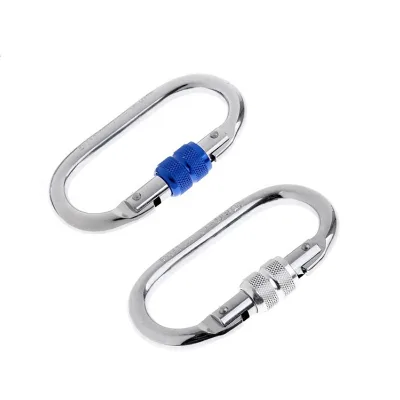
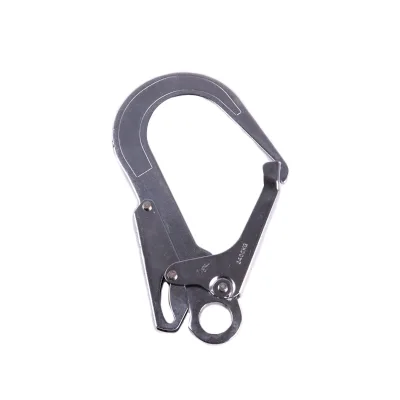
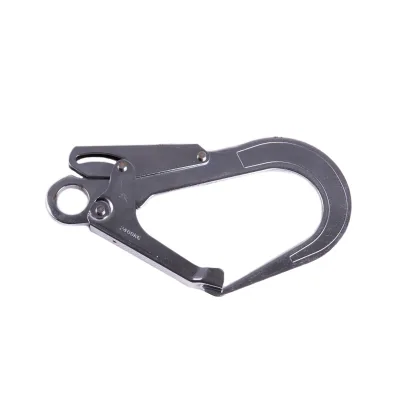
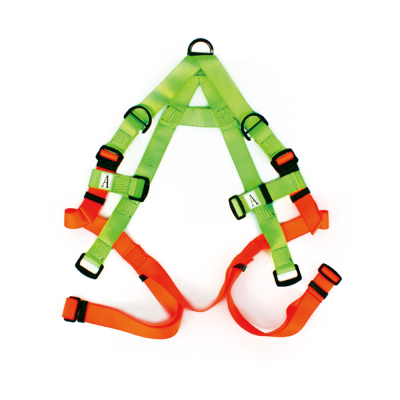
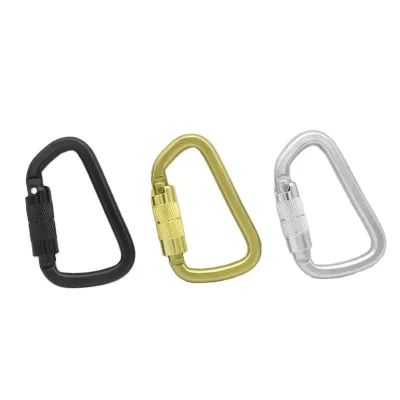
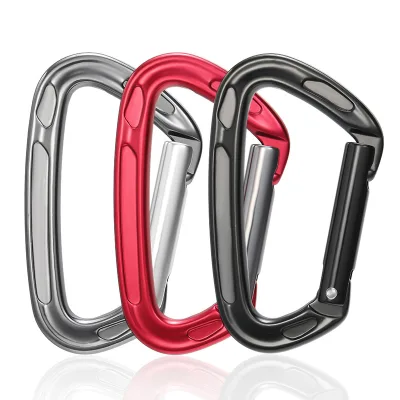
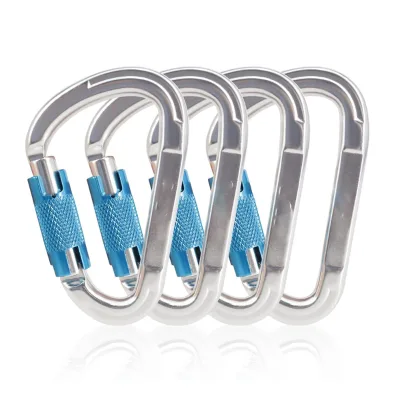
Heave Duty 30KN Self-locking D-type Carabiners Buckle for Outdoor Rescue
$2.56 - $2.85
MOQ: 100 pieces
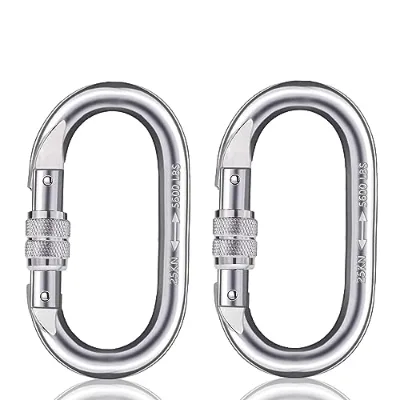
High Quality 40Cr Steel Alloy Customized logo Carabiners Buckle for Rescue
$0.66 - $0.77
MOQ: 199 pieces




Comprehensive Sourcing Guide
Strategic Sourcing Guide for Safety Carabiners in B2B Procurement
Procuring safety carabiners requires a disciplined approach that balances technical specifications with supply chain reliability. In the B2B market, these components serve as critical links in systems ranging from heavy industrial rigging to outdoor recreational equipment. The diversity of available products, from aluminum alloy models to those constructed from alloy steel, necessitates a rigorous evaluation framework. Buyers must navigate a landscape where attributes such as breaking strength, gate mechanisms, and material grades vary significantly between suppliers. This guide outlines the essential factors for sourcing safety carabiners, ensuring that procurement decisions are grounded in verified data and industry best practices rather than unverified marketing claims.
Technical Specifications and Material Composition
The foundation of any safe procurement strategy lies in understanding the precise technical specifications of the product. The core material determines the weight-to-strength ratio and corrosion resistance. Current market observations indicate a split between aluminum alloy and alloy steel constructions. Aluminum alloy carabiners, often cited for their lightweight properties, are frequently used in applications where weight reduction is paramount, such as in climbing or portable survival gear. These units typically feature a breaking strength ranging from 12 kN to 25 kN depending on the specific model and gate design. For instance, specific wire gate models are marketed with a 12 kN rating, while heavy-duty alloy steel variants may offer strengths up to 25 kN.
Dimensions and physical geometry are equally critical. Standard sizes observed in the market include compact units measuring approximately 8 cm by 4.7 cm, suitable for general industry use, alongside larger models with dimensions around 110 mm by 60 mm designed for heavy-duty locking applications. The opening size, which dictates the compatibility with ropes, chains, or other hardware, is a key specification; observed ranges include openings of 18 mm and 20 mm. Buyers must verify the "hooks grade" and "breaking strength" for every specific SKU, as these values are not universal across all carabiners. Furthermore, the finish, whether plain or black, impacts both aesthetics and corrosion protection. The presence of a "wire gate" versus a "screw gate" or "auto-lock" mechanism further differentiates the product's safety profile and intended usage.
Compliance, Certification, and Safety Standards
While the procurement of safety-critical hardware often implies adherence to international standards, buyers must exercise caution regarding certification claims. In the context of safety carabiners, standards such as EN 362 and EN 12275 are frequently referenced in the broader industry as benchmarks for climbing and general use. However, specific product listings may not explicitly confirm compliance with these standards, and some data indicates that certain hooks are "Not Rated" for specific high-load applications. Therefore, the buyer's responsibility is to verify the certification status directly with the supplier rather than assuming compliance based on product category.
When evaluating a supplier, procurement teams should request valid test reports and certification documents. The absence of a specific certification label on a product page does not necessarily disqualify a supplier, but it requires a deeper inquiry into their quality assurance processes. Buyers should ask for third-party testing results that validate the breaking strength claims, such as the 25 kN or 23 kN figures observed in specific listings. It is essential to distinguish between products intended for general industrial use, such as "Heavy Industry" or "Automotive Industry" applications, and those designed for life-critical activities like climbing. The latter category demands a much higher burden of proof regarding compliance with safety standards.
Cost Drivers and Pricing Dynamics
The pricing of safety carabiners is influenced by a complex interplay of material costs, manufacturing complexity, and order volume. The observed price range in the market spans from $0.03 to $23.61 per unit, a variance that reflects differences in material quality, brand positioning, and order quantity. Aluminum alloy models generally command different price points compared to alloy steel counterparts due to the raw material costs and processing requirements. Additionally, the complexity of the locking mechanism, such as the "auto-lock" feature or the precision required for a "wire gate," adds to the manufacturing cost.
Order Volume is a primary driver of unit cost. Many suppliers operate with a tiered pricing structure where the Minimum Order Quantity (MOQ) significantly impacts the final price. While some suppliers offer samples at an MOQ of 1 piece for testing purposes, bulk orders often require a commitment of 100 pieces or more. For large-scale industrial procurement, MOQs can extend up to 5,000 pieces. Buyers should analyze the total cost of ownership, including the cost of custom packaging, logo laser engraving, and shipping. Customization, such as adding a specific logo on one side of the product or using a custom package rather than a standard OPP bag, will inevitably increase the unit price. Understanding these cost drivers allows buyers to negotiate effectively and select the most economical option that still meets their technical requirements.
Typical Applications and Usage Scenarios
Safety carabiners are versatile components deployed across a wide spectrum of industries. The specific application dictates the required specifications. In the automotive and heavy industry sectors, carabiners are utilized for securing loads, connecting chains, and general rigging tasks. These applications often prioritize durability and high weight capacity, with some units boasting a weight capacity of up to 2500 kg. In the general industry sector, the focus may shift to ease of use and quick-connect capabilities, utilizing "Buckle Type: Quick Connect" mechanisms.
For outdoor and recreational applications, the requirements change. Carabiners designed for hammocks, fishing, dog leashes, and harnesses prioritize lightweight materials and specific gate types. The "Outdoor Survival Carabiner" category, for example, is optimized for portability and reliability in varied environments. Climbing applications, while sharing the same product type, demand the highest level of safety assurance, often requiring specific breaking strengths and certified locking mechanisms. The "Applicable People" attribute, often listed as "Universal," suggests a broad range of users, but the buyer must ensure the specific model matches the intended user group's safety needs. Misalignment between the product's design intent and its actual application can lead to safety failures.
Supplier Evaluation and Verification
Selecting the right supplier is as critical as selecting the right product. Buyers should evaluate suppliers based on their transparency regarding product attributes and their ability to provide detailed technical data. Key indicators of a reliable supplier include clear documentation of the "Place of Origin," which can be regions like Anhui or Hebei in China, and a consistent track record of fulfilling orders. The "Delivery time" is another crucial metric; suppliers may offer expedited shipping via air (3-15 days) or standard shipping via sea (45 days), and the buyer must align these lead times with their project schedules.
Payment terms and sample availability are also vital components of the supplier evaluation process. A reputable supplier will typically offer samples for testing, allowing the buyer to verify the "Single gross weight," "Single package size," and overall build quality before committing to a bulk order. Payment methods such as Trade Assurance, PayPal, and TT (Telegraphic Transfer) are common, and buyers should ensure that the chosen method offers appropriate protection. When assessing a supplier, buyers should also inquire about their capacity for customization, such as offering "custom package" options or laser engraving logos, as this flexibility can be a significant differentiator in the B2B market.
Quality Control and Long-Term Procurement Considerations
Implementing a robust quality control (QC) protocol is essential for mitigating risks associated with safety carabiners. Given the potential consequences of equipment failure, buyers should establish clear acceptance criteria based on the observed specifications. This includes verifying the "Model Number," "Size," and "Color" against the purchase order. For high-volume orders, conducting pre-shipment inspections is recommended to ensure consistency in the "finish" and the integrity of the locking mechanisms.
Long-term procurement considerations involve building a relationship with suppliers who can maintain consistent quality over time. Buyers should assess the supplier's ability to handle repeat orders and their responsiveness to quality issues. The "Selling Units" attribute, often listed as "Single item," suggests flexibility in ordering, but for ongoing needs, establishing a contract with defined quality standards is advisable. Additionally, buyers should consider the environmental factors that the carabiners will face. While some products are described as having a "Plain" or "Black" finish, the specific corrosion resistance and durability in harsh environments should be verified through testing or supplier guarantees.
Comparative Analysis of Product Attributes
To facilitate decision-making, the following table summarizes key attributes observed across different product listings. This comparison highlights the variability in specifications and helps buyers identify the most suitable options for their specific needs.
| Attribute | Product A (General/Outdoor) | Product B (Heavy Duty/Industrial) | Product C (Climbing/High Load) |
|---|---|---|---|
| Material | Aluminum Alloy | Alloy Steel | Alloy Steel |
| Breaking Strength | 12 kN | 25 kN | 23 kN |
| Size | 8 x 4.7 cm | 110 mm x 60 mm | 18 mm opening |
| Gate Type | Wire Gate | Auto-Lock | Quick Connect |
| MOQ | 1 pcs (Sample) / 100 pcs (Bulk) | 100 Pcs | 100 Pcs |
| Application | Hammocks, Fishing, Survival | Heavy Industry, Automotive | Climbing |
| Finish | Plain, Black | Not Specified | Red, Blue |
| Origin | Anhui, China | Hebei, China | Not Specified |
This table illustrates that no single product fits all scenarios. The choice between an aluminum alloy carabiner for lightweight outdoor use and an alloy steel model for heavy industrial rigging depends entirely on the specific requirements of the procurement project. Buyers must carefully match the product attributes to their operational needs, ensuring that the selected carabiner meets the necessary safety and performance criteria.
In conclusion, sourcing safety carabiners requires a methodical approach that prioritizes technical verification, supplier transparency, and adherence to safety standards. By focusing on the specific attributes of material, breaking strength, and application, buyers can make informed decisions that ensure the reliability and safety of their operations. The market offers a wide range of options, but the responsibility lies with the buyer to validate every claim and ensure that the selected components meet the rigorous demands of their intended use.
FAQs
What materials are used for safety carabiners?
Safety carabiners are constructed from aluminum alloy or alloy steel. Aluminum alloy models offer lightweight properties suitable for outdoor survival and climbing, while alloy steel variants provide higher strength for heavy industry applications.
Which breaking strength ratings are available?
Breaking strength ratings vary by model, with observed values of 12 kN, 23 kN, and 25 kN. Buyers must verify the specific rating for each SKU, as values are not universal across all carabiner types or manufacturers.
Can I customize the product with a logo?
Yes, laser engraving of a logo on one side of the product is available. Suppliers also offer custom packaging options beyond the standard OPP bag, allowing for tailored branding and presentation for bulk orders.
What are the typical minimum order quantities?
Minimum order quantities range from 1 piece for samples to 100 pieces for bulk orders. Some suppliers may require up to 5000 pieces for large-scale industrial procurement, depending on the specific product and customization needs.
How long does delivery take for these items?
Delivery times typically range from 3 to 15 days by air or approximately 45 days by ship. Lead times depend on the order volume and shipping method selected by the buyer for the specific carabiner model.
Which applications are these carabiners suitable for?
These carabiners serve automotive, heavy industry, and general industry sectors. They are also used for outdoor activities like hammocks, fishing, dog leashes, and climbing, provided the specific breaking strength matches the safety requirements.