Source Salon Nail Art Trolley for Manicure, Pedicure, and Spa
Source 30 Salon Nail Art Trolley options for manicure stations, pedicure setups, and spa environments. Compare features like MDF wood and metal construction, easy-clean surfaces, and four-wheel mobility across models such as DS-H724 and DS-BT4 from Guangdong suppliers; compare the available evidence and request quotations based on your requirements.
Updated
Key considerations
Products List


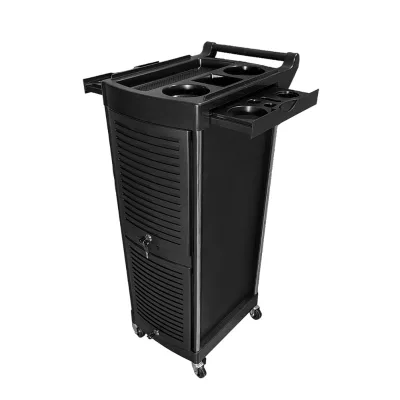
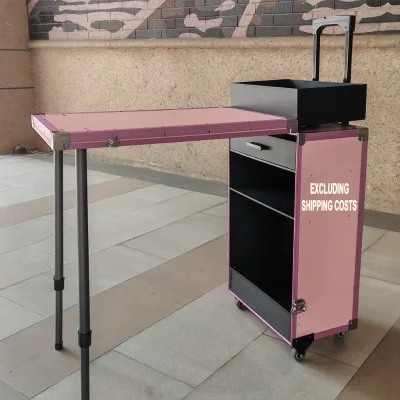
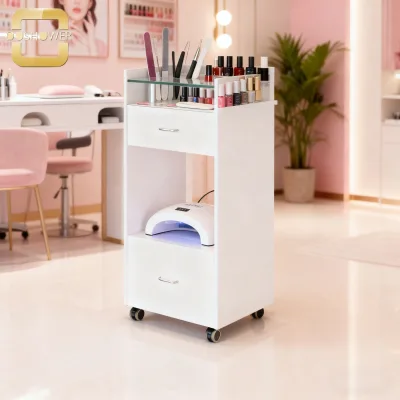
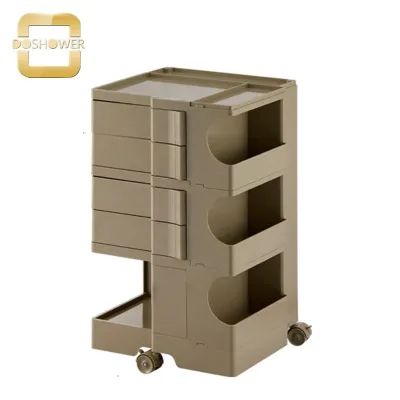
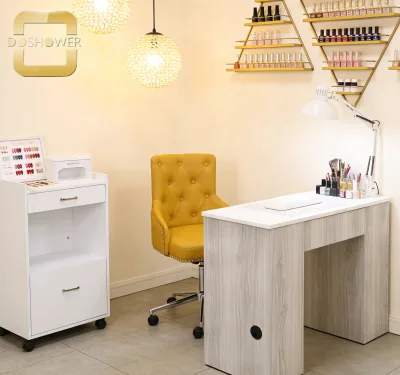
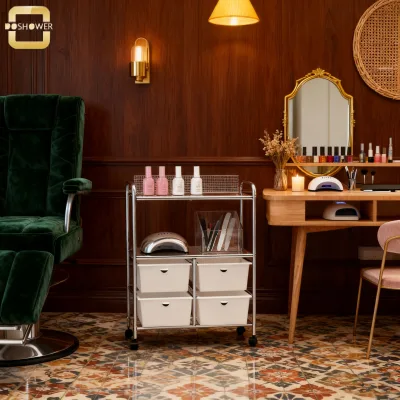
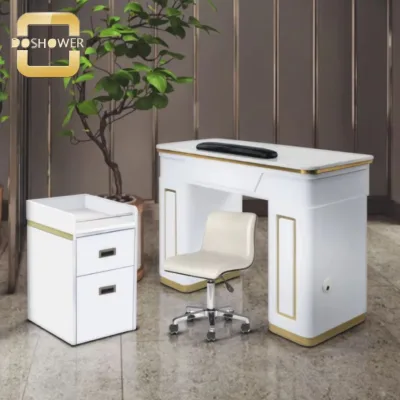
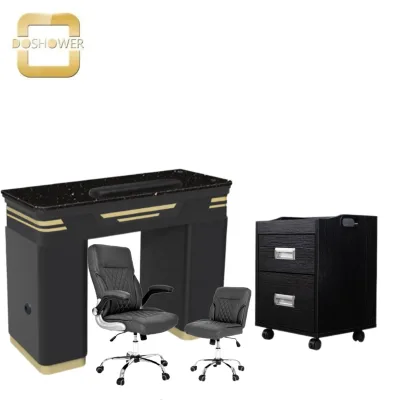
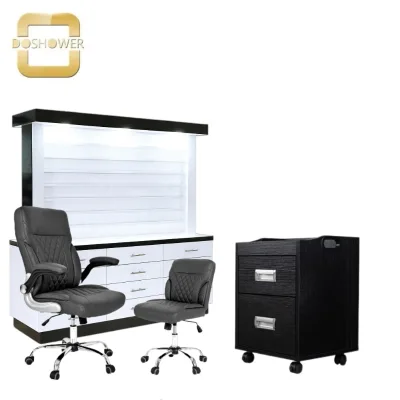


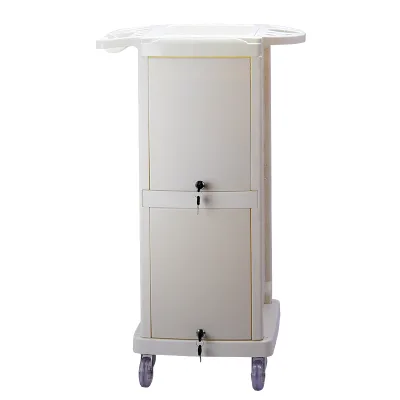
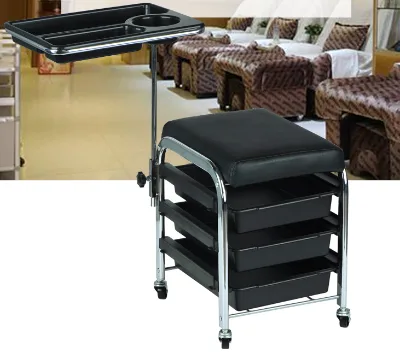


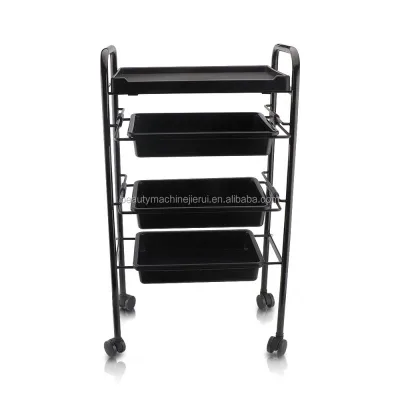
Comprehensive Sourcing Guide
Salon Nail Art Trolley Sourcing Guide
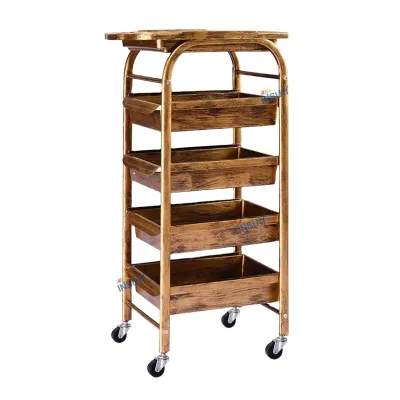
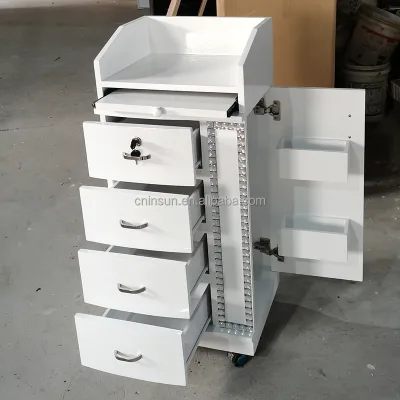
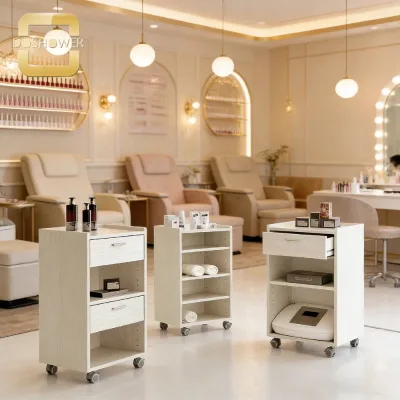
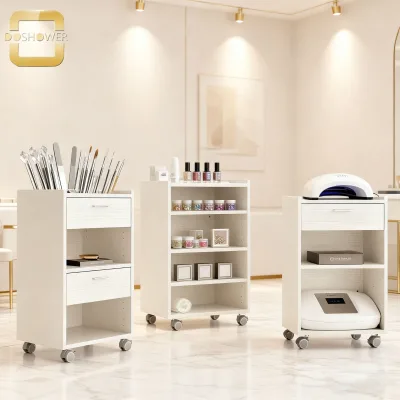
Procuring a Salon Nail Art Trolley requires balancing aesthetic integration with functional durability, as these units serve as the primary workstation for manicurists and nail technicians. The observed market signals indicate a strong preference for modern designs that combine wood and metal materials, specifically MDF wooden surfaces paired with metal frames, to ensure both visual appeal and structural stability. Buyers must verify that the selected trolley supports the specific workflow of their salon, whether for general beauty spa equipment or specialized nail spa applications, ensuring the layout accommodates essential tools and products without cluttering the workspace.
The customization options available in the current supply chain allow businesses to tailor units to their brand identity, with attributes such as color and style being adaptable to specific interior design themes. Observations show that black and pink finishes are common, alongside modern and fashion-forward styles, which helps salons maintain a cohesive look across their service areas. It is critical to confirm that the customization process does not compromise the integrity of the materials, particularly the easy-clean features that are essential for maintaining hygiene standards in high-traffic beauty environments where chemical exposure is frequent.
Product Scope and Observed Listing Signals
The current product landscape for salon nail art trolleys features a diverse range of models, including specific designations like DS-H724, DS-BT4, and DS-H723, which cater to different operational needs and aesthetic preferences. These units are predominantly new condition items originating from manufacturing hubs in Guangdong, China, with Foshan being a notable production location, indicating a concentrated supply chain for this category of beauty equipment. The presence of multiple model numbers suggests that buyers should carefully evaluate the specific dimensions and configurations of each variant to ensure compatibility with their salon’s floor space and storage requirements.
Listing signals reveal that packaging is typically standardized, with items shipped in cardboard boxes or cartons, often quantified as one carton per piece, which simplifies logistics and inventory management for procurement teams. The observed price range spans from twenty-one to sixteen hundred US dollars, reflecting variations in material quality, brand reputation, and additional features such as specialized wheels or drawer configurations. Buyers should note that while some listings mention specific brands like DINSHINE or Dream Case, the core functionality remains consistent across models, focusing on mobility and storage efficiency for professional nail art services.
Technical Specifications to Verify
When evaluating technical specifications, the layer count and material composition are primary indicators of a trolley’s durability and load-bearing capacity. Most observed units feature a three-layer design, which optimizes vertical space for storing polishes, tools, and sanitation supplies, while the combination of MDF wood and metal ensures a balance between weight and strength. Buyers must verify the exact dimensions of the trolley, as standards such as 800*800 millimeters are cited for certain models, to ensure the unit fits comfortably within the designated service area without obstructing movement or access to other salon equipment.
Mobility and ease of maintenance are critical technical factors that directly impact daily operational efficiency. The inclusion of four-wheel systems allows for smooth maneuverability around the salon, which is essential for technicians who need to reposition their workstations frequently. Additionally, the easy-clean feature is a vital specification for nail art trolleys, as it reduces the time and effort required for sanitation between clients, thereby enhancing hygiene compliance. Procurement teams should confirm that the wheels are robust and that the surface materials resist staining from common nail art chemicals, ensuring long-term usability and reduced maintenance costs.
Compliance and Safety Documentation
Safety and compliance documentation are paramount when sourcing equipment that will be used in close proximity to clients and sensitive beauty procedures. Buyers should request evidence that the materials used, particularly the MDF wood and metal components, meet relevant safety standards for indoor furniture and beauty equipment, ensuring they are free from harmful chemicals that could off-gas or cause allergic reactions. Although specific certification statuses are not universally listed, verifying that the manufacturer adheres to recognized quality management systems is essential for mitigating liability and ensuring the product’s suitability for commercial use in regulated environments.
Warranty provisions serve as a key indicator of the manufacturer’s confidence in their product’s longevity and performance. The observed one-year warranty on many salon trolleys provides a baseline level of protection against manufacturing defects, but buyers should clarify the scope of this coverage, including whether it encompasses parts, labor, and shipping costs for replacements. It is advisable to establish clear communication channels with the supplier for post-purchase support, ensuring that any issues with wheels, drawers, or structural integrity can be resolved promptly to minimize downtime in the salon’s operations.
Cost Drivers and Commercial Terms
Several factors influence the final cost of a Salon Nail Art Trolley, with material quality, customization level, and order volume being the primary drivers. The use of premium materials such as high-grade MDF and durable metal alloys typically commands a higher price point, while basic models may offer cost savings without compromising essential functionality. Buyers should also consider the impact of customization, such as specific color choices or branded elements, which may incur additional fees or affect the minimum order quantity (MOQ) requirements, potentially increasing the per-unit cost for smaller orders.
Commercial terms, including payment methods, shipping arrangements, and lead times, play a significant role in the overall procurement strategy. The observed MOQ range of one to ten pieces suggests flexibility for both small boutiques and larger chains, but buyers should negotiate terms that align with their cash flow and inventory needs. It is crucial to clarify whether the quoted prices include packaging and basic assembly instructions, as well as to understand the responsibilities for import duties and taxes, ensuring that the total landed cost is accurately calculated before finalizing the purchase agreement.
Supplier Qualification and Quality Control
Supplier qualification is a critical step in ensuring the reliability and consistency of the salon nail art trolleys received. Buyers should assess the manufacturer’s production capabilities, focusing on their experience in manufacturing beauty equipment and their ability to maintain consistent quality across batches. Verifying the supplier’s location in Guangdong, China, can provide insights into their supply chain efficiency and access to raw materials, but it is equally important to request samples or detailed product specifications to evaluate the build quality, finish, and functionality of the trolleys before committing to a larger order.
Quality control measures should be established to monitor the manufacturing process and the final product inspection. Buyers should inquire about the supplier’s internal quality assurance protocols, including checks for structural integrity, surface finish, and wheel mobility, to ensure that each unit meets the agreed-upon standards. Implementing a pre-shipment inspection or requesting third-party verification can help identify potential defects early, reducing the risk of receiving substandard products and ensuring that the salon receives equipment that is both durable and aesthetically pleasing.
Long-Term Procurement Checks
Long-term procurement success depends on establishing a sustainable relationship with suppliers who can provide consistent quality and support over time. Buyers should monitor supplier performance metrics, such as on-time delivery rates, product defect rates, and responsiveness to customer inquiries, to identify any trends that may indicate potential issues. Regular communication with the supplier can help address any emerging concerns promptly and ensure that the procurement process remains aligned with the salon’s evolving needs and operational standards.
Continuous evaluation of the product’s performance in the salon environment is essential for making informed decisions about future purchases. Feedback from nail technicians and salon staff regarding the trolley’s usability, durability, and ease of maintenance can provide valuable insights for selecting subsequent models or negotiating improvements with the supplier. By maintaining a focus on long-term value rather than just initial cost, buyers can ensure that their salon remains equipped with high-quality, reliable tools that enhance service delivery and client satisfaction.
FAQs
What materials are used for modern beauty salon trolleys?
Modern beauty salon trolleys are typically constructed from a combination of MDF wood and metal components. This hybrid material choice ensures structural durability while maintaining a lightweight profile for easy maneuverability. Some models also incorporate plastic elements for specific drawer or tray sections, providing a balance of strength and cost-effectiveness for professional nail spa environments.
Can these trolleys be customized for specific salon branding?
Yes, customization is available for many salon trolley models. Buyers can often select specific colors, such as black or pink, and request tailored packaging solutions. The product attributes indicate that customized options exist, allowing businesses to align the equipment with their interior design themes or brand identity requirements for a cohesive professional appearance.
What is the standard size specification for these trolleys?
The standard specification for these trolleys is often listed as 800*800 millimeters. This dimension provides ample surface area for manicure and pedicure tools while fitting comfortably within standard salon spaces. The compact footprint ensures efficient use of floor space without compromising the storage capacity needed for professional beauty equipment and supplies.
How are these trolleys packed for shipping and delivery?
These trolleys are typically packed in single cardboard boxes or cartons for safe transit. The packaging is designed to protect the MDF and metal components from damage during logistics. Each piece is usually enclosed in one carton, simplifying inventory handling and ensuring that the product arrives in new condition, ready for immediate installation in the salon.
What warranty is provided with these beauty salon trolleys?
A one-year warranty is commonly provided with these beauty salon trolleys. This coverage protects buyers against manufacturing defects and ensures product reliability during initial use. The warranty term reflects the manufacturer's confidence in the durability of the metal and wood construction, offering peace of mind for salon owners investing in essential equipment.
Which features make these trolleys easy to clean and maintain?
These trolleys feature easy-clean surfaces designed for high-hygiene environments. The smooth finishes on the metal and MDF components resist stains and allow for quick wiping with standard disinfectants. This practical design supports strict sanitation protocols required in nail spas, ensuring that the equipment remains sanitary and visually appealing with minimal maintenance effort from staff.