Source Salon Hair Extension Stand with Wheels for Salon, Hotel, and Home
Compare 30 units of Salon Hair Extension Stand with Wheels designed for professional styling and storage. These tools feature universal wheels and modern designs suitable for salons, hotels, and apartments.
Key considerations
Products List
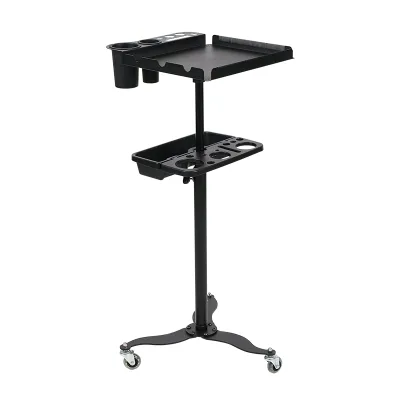
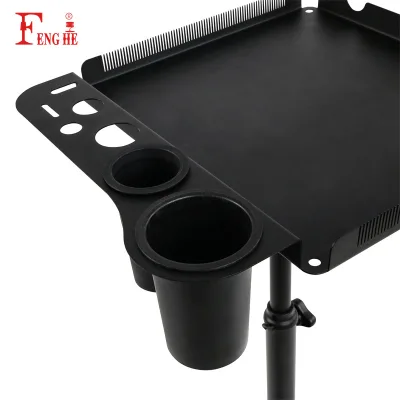
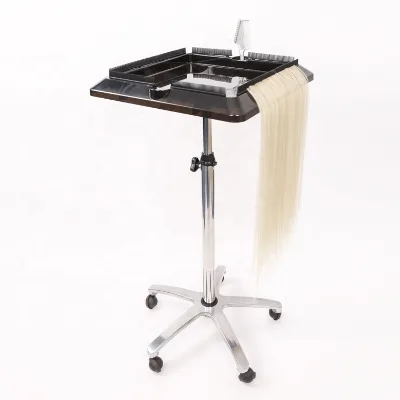
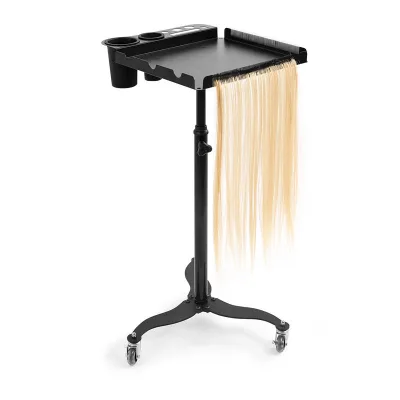
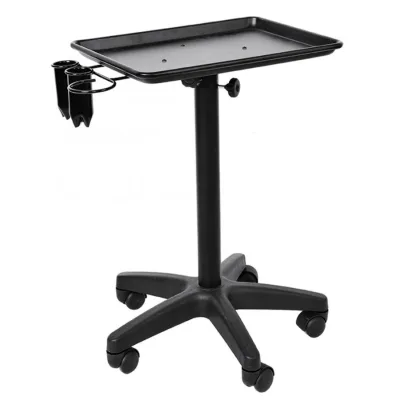
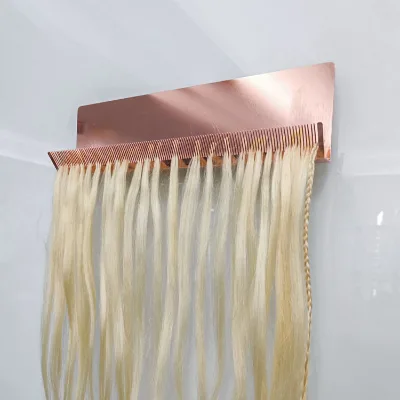
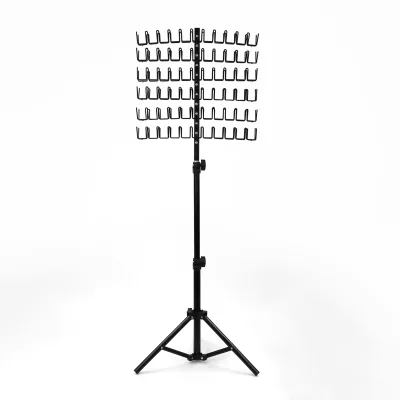
Metal Holder Stand for Displaying Hair Extensions Salon Tools Hair Extension Stand
$27.63 - $30.70
MOQ: 100 units
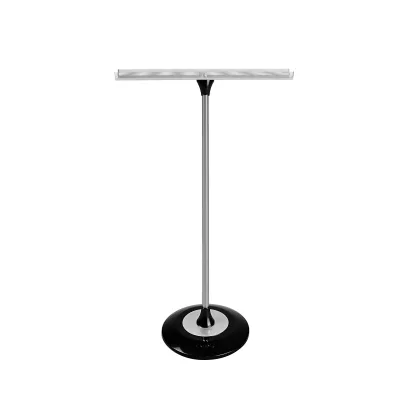


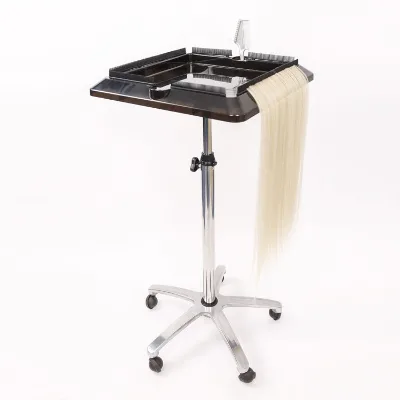



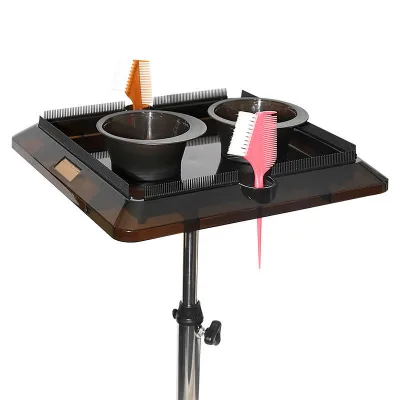
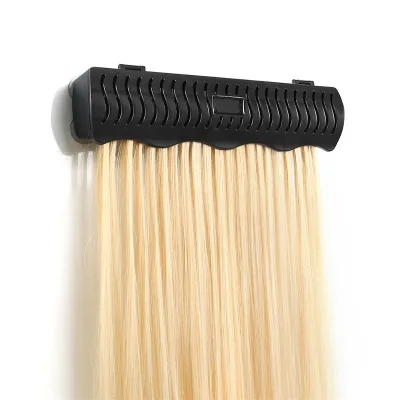
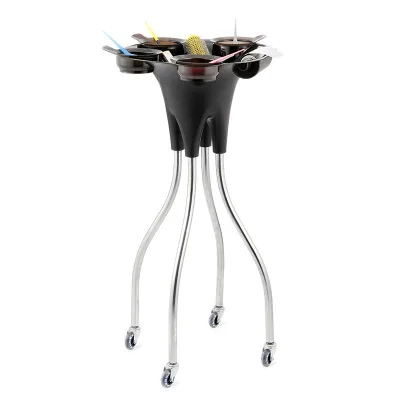

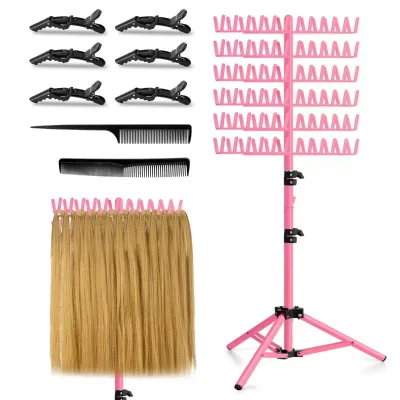

Comprehensive Sourcing Guide
Strategic Sourcing Guide for Salon Hair Extension Stands with Wheels
The procurement of specialized salon equipment, specifically hair extension stands with wheels, requires a disciplined approach that balances functional utility with rigorous supplier vetting. For buyers operating in the commercial beauty sector, the selection of this equipment is not merely about acquiring a storage unit; it is about integrating a tool that enhances workflow efficiency, protects high-value inventory, and maintains the aesthetic standards of the salon environment. The market presents a diverse array of options ranging from simple drying racks to complex trolley systems, necessitating a clear understanding of technical specifications, material durability, and logistical constraints before finalizing any purchase order.
Technical Specifications and Functional Design
When evaluating hair extension stands, the primary differentiator lies in the specific functional design intended for the salon workflow. The observed product landscape includes distinct categories such as "Micro Breads Hair Extension Tool" units, "Hair Extension Drying Stand with Pedestal," and general "Salon Trolley" configurations. Buyers must distinguish between these based on their specific operational needs. For instance, a unit designed for drying extensions requires a different structural geometry compared to a trolley intended for storing tools and products during a service.
Dimensional accuracy is a critical technical parameter. Market data indicates that product sizes vary significantly, with observed specifications ranging from compact units measuring 471541 cm to larger trolley systems with dimensions of 5555(73.5-109.7) cm. The adjustability of height is another vital feature, with some models offering a variable height range of 73.5 to 109.7 cm, allowing stylists to customize the unit for different tasks or user heights. Furthermore, the presence of a "Universal Wheel" is a non-negotiable feature for mobility in a busy salon environment. Buyers should verify that the wheel mechanism is robust enough to support the gross weight of the unit, which can range from 3.950 kg to over 5.690 kg per batch, ensuring smooth navigation across various floor surfaces without tipping or snagging.
Material Composition and Durability Standards
The longevity of a hair extension stand is directly correlated with the materials used in its construction. The supply chain for these products predominantly utilizes a combination of metal and plastic components. Specific observations highlight the use of "Stainless Steel" and "Metal&plastic" composites, as well as "Stainless Steel&PP plastic" configurations. Stainless steel is preferred for its resistance to corrosion, which is essential in a salon environment where exposure to water, hair products, and cleaning agents is frequent. The inclusion of PP (Polypropylene) plastic often serves to reduce overall weight while providing necessary structural rigidity for shelves or hooks.
Buyers must scrutinize the material specifications to ensure they align with the intended usage environment. A unit marketed for "Commercial Furniture" or "Salon Furniture" should ideally feature high-grade stainless steel to withstand daily commercial abuse. The "Modern" and "Luxury" design styles observed in the market often rely on these material choices to achieve a sleek aesthetic while maintaining structural integrity. Additionally, the "Gross weight per batch" and "Weight per unit" (observed at 5.14 kg/unit for some models) serve as proxies for material density; lighter units may indicate thinner gauge metals or lower-density plastics, which could compromise stability when loaded with heavy hair extension bundles.
Compliance, Certification, and Safety Verification
While the supplied product data does not explicitly list specific certification bodies or compliance standards for the hair extension stands, buyers must treat safety and compliance as a primary verification step. In the context of commercial furniture and salon equipment, compliance often relates to stability standards, fire resistance, and material safety. Buyers should request documentation confirming that the materials used, particularly the plastics and metal coatings, meet relevant safety standards for commercial use.
The "Standard" field in product listings sometimes contains numerical data, such as "707095-104" or "8.7630.8cm," which may refer to packaging standards or specific product dimensions rather than regulatory compliance. However, buyers should not assume that a listed standard implies regulatory approval. Instead, procurement teams should verify that the supplier can provide test reports or certifications related to structural stability and material safety. For products originating from "Guangdong, China," it is advisable to confirm that the manufacturing process adheres to international quality management systems, even if specific certification logos are not prominently displayed in the initial product description.
Cost Drivers and Pricing Dynamics
The pricing of salon hair extension stands is influenced by a complex interplay of factors, including material costs, manufacturing complexity, and logistical requirements. The observed price range in the market spans from $4.25 to $52.00 USD. This significant variance suggests that the lower end of the spectrum likely corresponds to basic, smaller units or those with simpler construction, while the higher end reflects larger, more complex trolley systems with advanced features like adjustable heights, premium finishes, or specialized locking mechanisms.
The Minimum Order Quantity (MOQ) is another critical cost driver, with observed ranges extending from 1 to 1000 units. Buyers purchasing small quantities may face a higher per-unit cost but benefit from lower capital outlay and reduced storage needs. Conversely, bulk procurement allows for economies of scale but requires careful inventory management. The "Selling Units" field, which indicates whether items are sold as a "Single item" or in "Multiple of 1," further impacts the total cost calculation. Additionally, packaging specifications, such as a "Single package size" of 55X28X14 cm, directly influence shipping costs. Buyers should calculate the total landed cost, including freight, by considering the volume and weight of the packaging, as larger units with dimensions like 49X17X43 cm per batch will incur higher shipping fees.
Typical Applications and Operational Context
Understanding the specific application of the equipment is essential for selecting the right product. The market data identifies several usage contexts, including "Salon," "Hotel," "Apartment," "Hall," and "Other" commercial spaces. While the core keyword focuses on salon use, the versatility of these stands allows them to serve multiple functions. For example, a "Hair Extension Drying Stand with Pedestal" is specifically designed for the drying process, utilizing a "Function" profile that includes "Blow, Cut, Wash, Modeling, Fixed Hair."
The "General Use" classification of "Commercial Furniture" indicates that these units are built to withstand high-traffic environments. The "Specific Use" as a "Salon Trolley" suggests a design optimized for mobility and tool organization, featuring "Easy Organized" attributes. Buyers should match the product's intended function to their operational workflow. A stand with "Universal Wheel" capability is ideal for salons that require frequent reconfiguration of the workspace, whereas a stationary "Pedestal" stand might be better suited for dedicated drying stations. The "Design Style," ranging from "Modern" to "Luxury," also plays a role in the aesthetic integration of the equipment into the salon's interior design.
Supplier Evaluation and Quality Control Protocols
Selecting a reliable supplier is paramount to ensuring product consistency and long-term satisfaction. The supply chain for these products is concentrated in "Guangdong, China," a major manufacturing hub. Buyers should evaluate suppliers based on their ability to provide consistent quality, adherence to lead times, and responsiveness to customization requests. The "Customization" and "OEM/ODM" availability listed in the product attributes indicate that many suppliers are willing to tailor products to specific brand requirements, such as adding a "Logo" via "Printing or Engraved" methods.
Quality control should be a proactive process rather than a reactive one. Buyers must verify the "Condition" of the product, ensuring it is "New" and free from defects. Inspecting the "Material" consistency is crucial; for instance, verifying that the "Stainless Steel" is not prone to rusting or that the "Plastic" components are not brittle. The "Single gross weight" and "Gross weight per batch" can serve as quality indicators; significant deviations from the stated weight may suggest the use of inferior materials or incomplete assembly. Additionally, the "Packing" details, such as "11PCS" or "130PCS," should be confirmed to ensure that the packaging is sufficient to protect the product during transit, especially for units with delicate wheels or adjustable parts.
Long-Term Procurement Considerations
Sourcing hair extension stands with wheels is a strategic decision that extends beyond the initial transaction. Buyers should consider the long-term implications of their procurement choices, including maintenance requirements, scalability, and supply chain resilience. The "Advantage" of being "Easy" to use and "Easy Organized" suggests that these products are designed to reduce labor time, but the longevity of these features depends on the quality of the materials and construction.
Scalability is another factor; as a salon expands, the need for additional units may arise. Buyers should assess whether the supplier can consistently fulfill larger orders without compromising quality or extending lead times. The "Model Number" variations, such as "T0195-1A," "J001," "J008," and "J004," indicate a range of product lines, and buyers should ensure that the supplier has a stable production capacity for the specific models they intend to purchase. Finally, the "Customized" nature of some products means that buyers should establish clear communication channels with the supplier to manage any changes in design or branding requirements over time, ensuring that the equipment continues to meet the evolving needs of the business.
FAQs
What materials are used for salon hair extension stands with wheels?
These stands are constructed from metal and plastic composites, often featuring stainless steel for durability. Some models combine stainless steel with PP plastic to reduce weight while maintaining structural rigidity against salon chemicals and water exposure.
How does the wheel system function on these units?
The units are equipped with universal wheels designed for smooth navigation in busy salon environments. This mobility allows stylists to reconfigure workspaces easily, provided the wheels support the gross weight which can range up to 5.690 kg per batch.
Which size options are available for hair extension drying stands?
Available sizes vary significantly, ranging from compact units at 47*15*41 cm to larger trolleys measuring 55*55*(73.5-109.7) cm. Some models offer adjustable heights between 73.5 and 109.7 cm to accommodate different stylist needs and workspace constraints.
Can buyers request customization for branding on these stands?
Yes, customization is available with options for logo printing or engraving on the product surface. Suppliers often support OEM and ODM requests, allowing businesses to add their specific branding to the metal or plastic components of the stand.
What is the typical price range for these salon trolleys?
The observed price range spans from 4.25 to 52 USD depending on the model and features. Lower prices typically correspond to basic units, while higher costs reflect larger trolley systems with adjustable heights, premium finishes, or specialized locking mechanisms.
How are these products packaged for shipping from China?
Products originate from Guangdong, China, and are packed in cartons with specific dimensions like 49X17X43 cm per batch. Single package sizes can vary, such as 55X28X14 cm, directly influencing shipping costs and the total landed price for international buyers.