Source Salon Laser Hair Growth Machine for Salon, Home, and Commercial Use
Source a Salon Laser Hair Growth Machine from 30 verified listings. Compare models like Lyd-Jx-199 and OMG-SFY006, featuring 650nm diode lasers, LCD displays, and multifunctional capabilities for salon and commercial applications; compare the available evidence and request quotations based on your requirements.
Updated
Key considerations
Products List


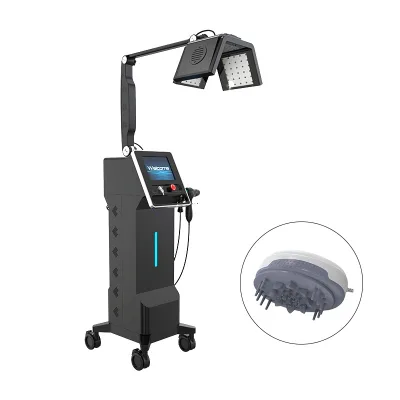
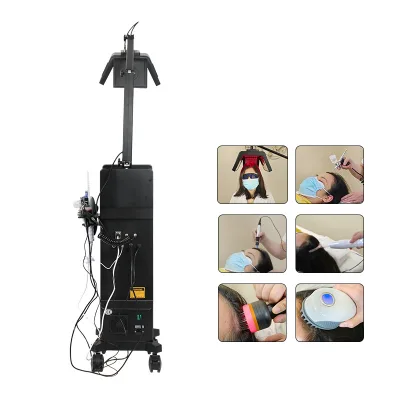
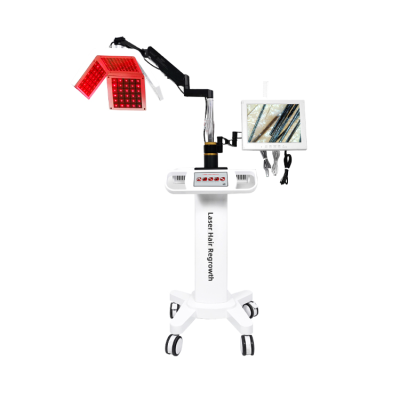
$1238.7166 - $1280.0428
MOQ: 1 pieces
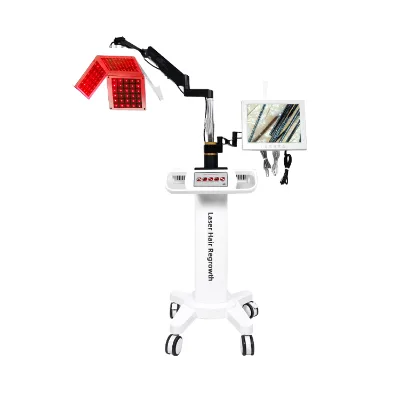
$1238.7166 - $1280.0428
MOQ: 1 pieces
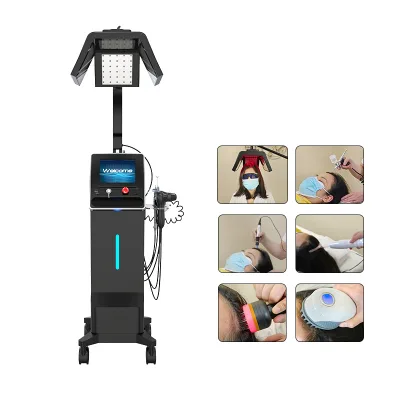
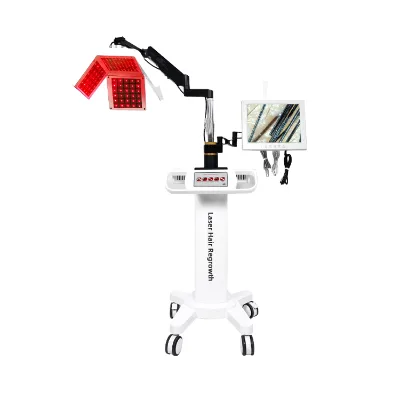


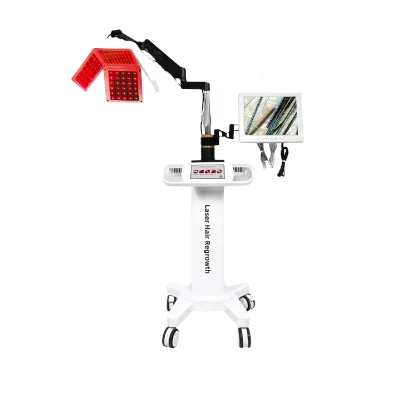
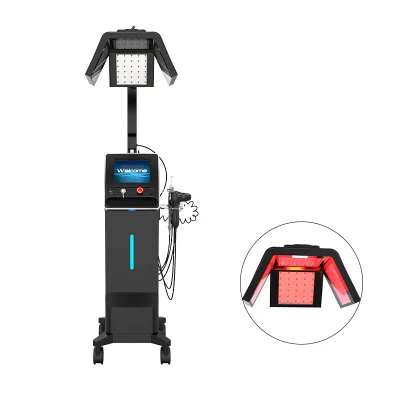


Professional-Grade Laser Hair Growth Machine for Thicker, Healthier Hair
$1399.00 - $1699.00
MOQ: 1 Pieces


Hair Loss Scalp Treatment Machine Scalp Analysis Laser Hair Growth Machine
$1015.00 - $1115.00
MOQ: 2 piece
Comprehensive Sourcing Guide
Salon Laser Hair Growth Machine Sourcing Guide
Procuring laser hair growth equipment for commercial salon use requires a disciplined approach to verifying technical specifications and supplier reliability. The market offers a variety of devices, ranging from handheld combs to large standing units, each serving different operational needs. Buyers must distinguish between low-level laser therapy tools and more complex multi-function systems that integrate additional technologies like radio frequency or cavitation. Understanding these distinctions is critical for aligning procurement with specific service menus and client expectations.
This guide focuses on evidence-based sourcing strategies for salon-grade laser hair growth machines. It emphasizes the verification of core attributes such as wavelength, power output, and cooling mechanisms, which directly impact treatment efficacy and safety. By adhering to strict verification protocols, procurement teams can mitigate risks associated with non-compliant equipment and ensure long-term operational stability. The following sections provide a structured framework for evaluating products, suppliers, and commercial terms in this specialized B2B segment.
Product Scope and Observed Listing Signals
The observed product landscape includes diverse items such as handheld laser combs and large standing beauty machines, reflecting a broad spectrum of salon applications. Handheld devices often feature LCD displays and operate at specific wavelengths like 650nm, targeting hair regrowth through diode laser technology. These units are typically compact, made from ABS materials, and designed for portable or semi-portable use within treatment rooms. Their simplicity makes them suitable for targeted therapies, though buyers should verify the exact model numbers and packaging dimensions to ensure logistical compatibility.
In contrast, larger standing units represent a more complex category, often integrating multiple technologies such as vacuum, cavitation, laser, and radio frequency into a single luxury-style platform. These machines may feature 8-inch touch screens and operate on AC 110V/220V power, catering to high-end salon environments. While some listings highlight features like waterproofing or specific plug types, buyers must critically assess whether these attributes are essential for their specific operational context. The presence of OEM branding suggests that many suppliers offer white-label solutions, allowing salons to customize the device appearance while relying on established manufacturing capabilities.
Technical Specifications to Verify
Wavelength and laser type are the most critical technical parameters for hair growth efficacy, with 650nm diode lasers being a commonly observed specification in the market. Buyers must confirm that the device utilizes genuine diode laser technology rather than generic light sources, as this directly influences the depth of penetration and biological response. Additionally, the laser output power should be clearly defined, as insufficient power may render treatments ineffective, while excessive power could pose safety risks. Verification of these core optical properties ensures that the equipment meets professional standards for hair restoration therapies.
Cooling mechanisms and operational time are equally important for maintaining device longevity and user comfort during extended salon sessions. Air cooling is a standard requirement for many observed models, preventing overheating during continuous use, while treatment times typically range from 0 to 30 minutes per session. Buyers should also verify the physical dimensions and weight of the unit, as larger standing machines may require specific floor space and electrical infrastructure. Confirming these operational details helps prevent unexpected logistical challenges and ensures that the equipment integrates smoothly into the salon’s existing workflow and physical layout.
Compliance and Safety Documentation
Safety certifications are paramount when sourcing medical-grade or salon-use laser equipment, with CE marking being a frequently observed indicator of regulatory compliance. Buyers must request valid certification documents to verify that the device meets European safety standards, which often serve as a benchmark for global quality. While ISO Group certifications for adults may be listed, it is essential to confirm the specific scope and validity of these credentials to ensure they apply to the exact model being purchased. Proper documentation protects the salon from liability and ensures that the equipment has undergone rigorous safety testing.
Electrical safety and plug compatibility are additional compliance factors that require careful attention, especially for international procurement. Devices may support multiple plug types, including CN, US, EU, and UK standards, but buyers must ensure that the supplied plug matches the local electrical infrastructure. Voltage specifications, such as AC 110V/220V at 50/60Hz, must also be verified to prevent damage to the machine or electrical hazards. Requesting detailed technical manuals and safety warnings from the supplier helps ensure that salon staff are adequately trained to operate the device safely and in accordance with local regulations.
Cost Drivers and Commercial Terms
Pricing for laser hair growth machines varies significantly based on complexity, with observed ranges spanning from approximately $269 to $3500 USD. Handheld combs and simpler devices tend to occupy the lower end of this spectrum, while multi-function standing units with advanced features command higher prices. Buyers should analyze the cost structure in relation to the included technologies, such as the integration of RF or cavitation, to determine the true value proposition. Understanding these price drivers helps in budgeting accurately and avoiding unexpected costs associated with premium features that may not be necessary for the salon’s specific service offerings.
Minimum order quantities and warranty terms are key commercial factors that influence the overall procurement strategy. Observed MOQs are typically low, ranging from 1 to 2 units, which facilitates trial purchases for smaller salons or individual practitioners. A standard one-year warranty is commonly offered, providing a baseline level of protection against manufacturing defects. Buyers should negotiate clear terms regarding warranty coverage, including whether it encompasses parts, labor, and shipping costs for repairs. Clarifying these commercial terms upfront prevents disputes and ensures that the salon has adequate support for maintaining the equipment over its operational lifespan.
Supplier Qualification and Quality Control
Supplier location and manufacturing capability are important indicators of product reliability, with many observed units originating from regions like Guangzhou and Shaanxi in China. Buyers should verify the supplier’s production capacity and quality control processes to ensure consistent manufacturing standards. OEM branding suggests that many suppliers have established manufacturing lines, but it is crucial to confirm that they adhere to strict quality assurance protocols. Requesting factory audits or third-party inspection reports can provide additional confidence in the supplier’s ability to deliver high-quality equipment that meets specified technical requirements.
Communication and after-sales support are critical components of supplier qualification, particularly for complex multi-function machines. Buyers should assess the supplier’s responsiveness and technical expertise to ensure they can provide adequate training and troubleshooting support. Clear documentation, including user manuals and maintenance guides, is essential for the long-term operation of the device. Establishing a direct line of communication with the supplier’s technical team helps resolve issues quickly and minimizes downtime, ensuring that the salon can maintain its service schedule without interruption.
Long-Term Procurement Checks
Regular maintenance and part replacement are essential for extending the lifespan of laser hair growth machines, particularly those with complex multi-function systems. Buyers should inquire about the availability of spare parts, such as laser diodes or cooling fans, and the expected lead times for replacements. Understanding the maintenance requirements helps in planning for ongoing operational costs and prevents unexpected breakdowns that could disrupt salon services. Establishing a preventive maintenance schedule based on the manufacturer’s recommendations ensures that the equipment remains in optimal condition and continues to deliver effective treatments.
Technological obsolescence and upgrade paths are also important considerations for long-term procurement planning. As laser technology evolves, newer models may offer improved efficiency or additional features that enhance client satisfaction. Buyers should assess whether the supplier offers upgrade options or software updates for existing devices. Staying informed about industry trends and technological advancements helps salons remain competitive and continue to offer cutting-edge hair restoration services. Regularly reviewing the performance of the equipment against industry benchmarks ensures that the investment continues to yield a strong return over time.
FAQs
What is the laser wavelength for hair regrowth?
The device utilizes a 650nm diode laser for effective hair regrowth. This specific wavelength is designed to stimulate hair follicles safely. Some models also incorporate 808nm IR laser technology for enhanced treatment results. The system is engineered for professional salon use to ensure consistent performance during hair restoration procedures.
Can the machine be customized for different brands?
Yes, customization is available for this laser therapy device. Buyers can request specific branding or modifications to suit their business needs. The product supports OEM services, allowing for tailored solutions. This flexibility ensures that the equipment aligns perfectly with your salon's identity and operational requirements.
What certifications does the hair growth machine have?
The product holds ISOGroup:Adult certification, ensuring compliance with relevant safety standards. This certification verifies that the device meets specific quality and safety requirements for adult use. Buyers can rely on this documentation for regulatory compliance in their respective markets. The certification supports professional deployment in commercial salon environments.
How long is the warranty period for the device?
The warranty period is one year for this hair regrowth machine. This coverage provides assurance for the device's performance and reliability during initial operation. Buyers receive support for manufacturing defects or functional issues within this timeframe. The warranty helps mitigate risks associated with initial procurement and installation of the equipment.
What is the packaging type for shipping?
The device is shipped in a standard carton package. This packaging ensures safe transport and protection of the unit during logistics. The dimensions are approximately 251*219*152mm for specific models. This standardized packaging facilitates efficient handling and storage for both suppliers and salon buyers.
Is the machine waterproof for salon use?
Yes, the device is waterproof, making it suitable for various salon environments. This feature allows for easier cleaning and maintenance between clients. The waterproof design enhances durability and safety during operation. Buyers can confidently use the machine in wet or humid conditions without compromising performance or safety.