Source SAO CD Duplication Machine for Retail, Education, and Manufacturing
Compare 30 SAO CD Duplication Machine options from verified suppliers. Buyers can evaluate specifications like burn speed, cache capacity, and dual layer support to find the right solution for their production needs.
Key considerations
Products List


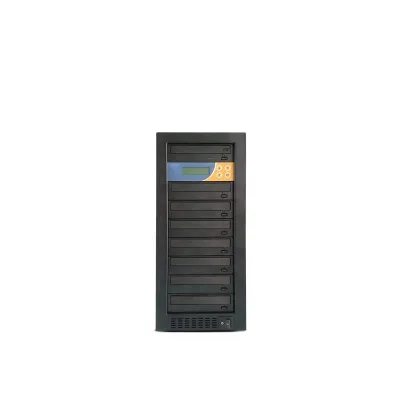
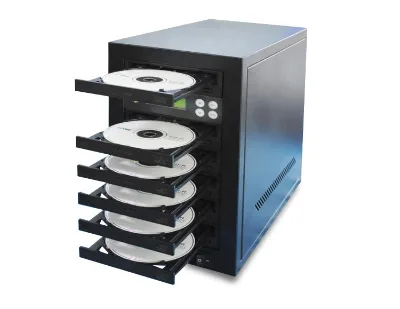
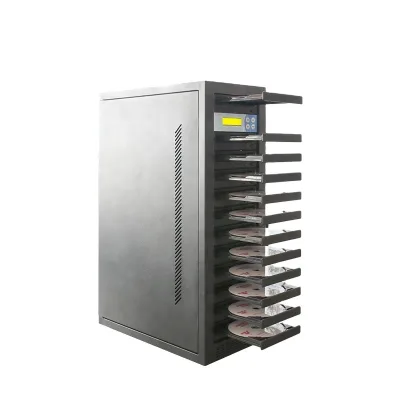
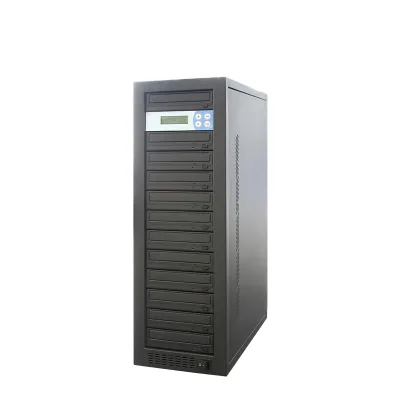
Factory Directly 1 for 11 Tays CD DVD Disc Duplicator Machine for Sale
$370.00 - $400.00
MOQ: 1 Pieces


China Manufacturer Refurbished Riso Me635 Digital Duplicator Duplication Machine
$1600.00 - $1700.00
MOQ: 1 Pieces




Comprehensive Sourcing Guide
SAO CD Duplication Machine Sourcing Guide
Selecting the right optical disc duplication equipment requires a clear understanding of the specific burning modes and hardware configurations available in the current market. The term "SAO CD Duplication Machine" often refers to systems capable of Single Area Object (SAO) writing, a mode typically associated with high-fidelity audio or specific data archiving needs where the disc is finalized immediately after writing. However, market listings frequently conflate SAO capabilities with broader DVD and CD duplicator systems that support Dual Area Object (DAO) modes for mass production. Buyers must carefully distinguish between standalone burners, internal drives, and complete multi-target duplicator towers, as the operational workflow and software requirements differ significantly between these device types.
The procurement landscape for these machines is characterized by a wide variance in specifications, ranging from basic 24x DVD burners to high-speed 52x external drives and complex multi-unit towers. Observed product attributes indicate that suppliers offer devices with varying cache capacities, such as 1MB or 2MB buffers, and support for different disc formats including DVD, DVD DL, and CD. It is critical to verify whether the system supports dual-layer burning, as this capability is not universal across all listed models. Furthermore, the distinction between internal installation drives and external standalone units will dictate how the equipment integrates into your existing production line or office infrastructure.
Product Scope and Observed Listing Signals
Current market listings reveal a diverse range of optical duplication hardware, primarily centered around brands such as Pioneer, Samsung, and LG. These manufacturers produce both individual burners and complete duplicator systems, with product models ranging from simple CD/DVD combo units to specialized multi-target towers. The observed price range is extensive, reflecting the difference between single-drive solutions and industrial-grade duplication centers. Buyers should note that while some listings highlight "High Duable Quality with Virgin Material," this likely refers to the durability of the drive components or the quality of the blank media compatibility rather than a specific material certification of the hardware itself.
The physical specifications of these machines vary considerably, with carton sizes and gross weights indicating substantial packaging requirements for shipping. For instance, some units are packaged in standard boxes with dimensions around 52x57x30cm, while larger multi-target systems may require wooden packaging to ensure safe transit. The color options are typically limited to black and white, aligning with standard industrial equipment aesthetics. Additionally, the "Business Type" listed as "CD Manufacturer" suggests that many suppliers are direct producers or specialized distributors, which may impact the availability of technical support and spare parts compared to generic electronics retailers.
Technical Specifications to Verify
When evaluating technical specifications, the write speed and interface type are primary considerations for throughput and integration. Observed data points to speeds ranging from 24x for DVD +/- RW drives to 52x for CD burners, with SATA interfaces being a common standard for internal installations. Buyers must verify if the specific model supports the required burn mode for their project; while some units are explicitly noted for SAO mode, others support DAO mode, which is essential for continuous disc production without finalizing each disc individually. The cache capacity, whether 1MB or 2MB, plays a crucial role in preventing buffer underruns during high-speed writing, ensuring data integrity.
Compatibility with disc formats is another critical technical aspect. Most listed devices support DVD, DVD DL, and CD formats, with capacities ranging from 700MB for CDs to 8.5GB or 9.4GB for dual-layer DVDs. However, not all units support dual-layer burning, so this feature must be explicitly confirmed in the product details. The device type, whether standalone or part of a multi-target system, also influences the software ecosystem. Multi-target duplicators often require specialized mastering software to synchronize writing across multiple drives, whereas standalone burners may rely on standard operating system utilities or simpler burning applications.
Compliance and Safety Documentation
Ensuring that the duplication equipment meets relevant safety and quality standards is a fundamental step in the procurement process. Some listings reference SGS certification, which indicates that the product or its manufacturing process has undergone specific quality and safety assessments. Buyers should request valid certification documents to verify that the electrical components and materials used in the drives comply with international safety regulations. This is particularly important for equipment that will be used in high-volume production environments where continuous operation places stress on the hardware.
In addition to product-specific certifications, buyers should verify that the equipment adheres to general electronic safety standards applicable in their region. While specific standard numbers are not always provided in general listings, the presence of a "Grade A" quality designation suggests a higher tier of manufacturing consistency. It is advisable to confirm that the power supplies and internal wiring meet local electrical codes to prevent hazards such as overheating or electrical faults. Documentation regarding the origin of the components, particularly from regions like Guangzhou, China, can also provide insights into the supply chain transparency and quality control practices of the manufacturer.
Cost Drivers and Commercial Terms
The cost of a CD duplication machine is influenced by several factors, including the number of targets, write speed, and brand reputation. Multi-target systems, such as those configured for 5, 7, 10, or 11 units, naturally command a higher price due to the complexity of the mastering software and the synchronization hardware required. The observed MOQ range of 1 to 60,000 units suggests that suppliers are flexible, catering to both small businesses and large-scale production facilities. Buyers should be aware that while the unit price may be competitive, additional costs for software licenses, mastering drives, and specialized cabling can significantly impact the total cost of ownership.
Commercial terms such as delivery time and shipping methods are also key considerations. Some suppliers offer very accurate delivery times, with specific lead times of 3 days after ordering, while others may have longer production cycles. Shipping options typically include sea freight, DHL, TNT, and UPS, allowing buyers to choose based on urgency and budget. The packaging type, whether standard carton or wooden crate, can affect shipping costs and insurance requirements. Buyers should negotiate clear terms regarding warranty coverage, return policies, and the availability of spare parts to mitigate the risk of downtime in their production operations.
Supplier Qualification and Quality Control
Assessing the qualification of suppliers is essential to ensure a reliable partnership. Buyers should prioritize suppliers who identify as "CD Manufacturers" or have a strong track record in producing optical duplication equipment. Verification of their business type and production capabilities can help distinguish between genuine manufacturers and trading companies. Requesting references or case studies from previous clients can provide insights into the supplier's reliability, after-sales support, and the longevity of their products in real-world applications.
Quality control processes should be transparent and rigorous. Suppliers should provide detailed information about their manufacturing standards, including the use of virgin materials for critical components and adherence to quality grades such as "Grade A." Buyers may consider requesting sample units or conducting factory audits to verify the quality of the assembly and testing procedures. Additionally, confirming the availability of technical support and training resources is crucial, as proper operation and maintenance of duplication machines require specialized knowledge to maximize efficiency and lifespan.
Long-Term Procurement Checks
Long-term success in procuring CD duplication equipment depends on establishing a sustainable supply chain and maintaining operational efficiency. Buyers should monitor the availability of replacement parts, such as laser heads and motors, which are subject to wear and tear over time. Ensuring that the supplier can provide these components promptly will minimize downtime and extend the useful life of the equipment. Furthermore, staying informed about advancements in optical disc technology and software updates is important to keep the duplication process competitive and compatible with evolving data storage needs.
Regular performance reviews of the installed equipment can help identify potential issues before they become critical failures. Buyers should establish a maintenance schedule that includes cleaning the laser lenses and checking the mechanical components for signs of wear. Engaging with the supplier for periodic software updates and firmware patches can also enhance the performance and security of the duplication systems. By maintaining a proactive approach to equipment management and supplier relationship, buyers can ensure a consistent and high-quality output for their CD and DVD duplication projects.
FAQs
What burn modes does the SAO CD Duplication Machine support?
The machine supports SAO and DAO burn modes for disc duplication. This capability allows for flexible recording options depending on the specific disc format and user requirements for the duplication process.
Can the device handle dual layer DVD burning?
Some models support dual layer burning while others do not. Buyers must verify the specific unit configuration as the product list includes both standalone burners that support dual layer and those that do not.
What is the cache capacity of the duplication drive?
The cache capacity varies between 1MB and 2MB across different models. This buffer size helps maintain stable data transfer rates during the high-speed duplication process for various disc types.
How fast can the machine burn discs?
Burn speeds range from 24x to 52x depending on the specific model selected. Higher speeds allow for faster production cycles while maintaining the high durable quality required for commercial duplication tasks.
Is customization available for the duplication equipment?
Customization is available for the machine to meet specific buyer needs. This flexibility allows manufacturers to tailor the device features, such as interface type or installation method, to fit unique production environments.
What delivery time should I expect for orders?
Delivery times are reported as very accurate with some units shipping within 3 days after ordering. Buyers can choose from various shipping methods including sea freight or express couriers like DHL and UPS.
Where are these duplication machines manufactured?
The products originate from Guangzhou, China, with some listings simply stating China as the origin. This location serves as the primary hub for the manufacturing and distribution of these CD and DVD duplicators.