Source Satin Bonnet for Sleep, Sports, and Wedding Events
Find 30 Satin Bonnet options for sleep, sports, and wedding events. Compare plain dyed and embroidered styles in silk satin with custom colors and digital printing. View specs, MOQs, and lead times for bulk sourcing.
Key considerations
Products List


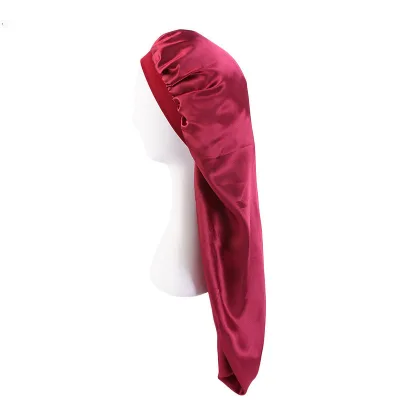


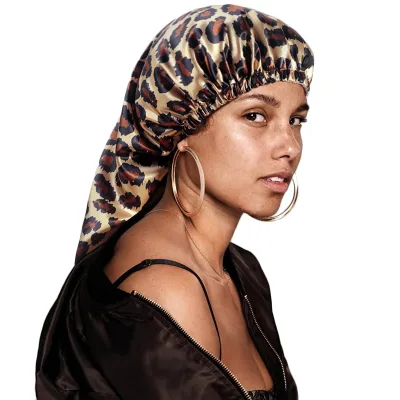
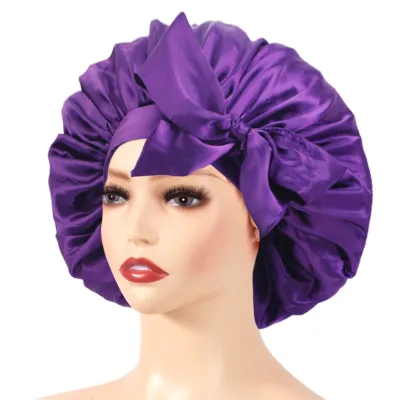
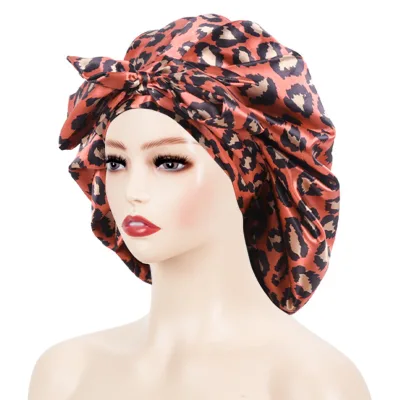
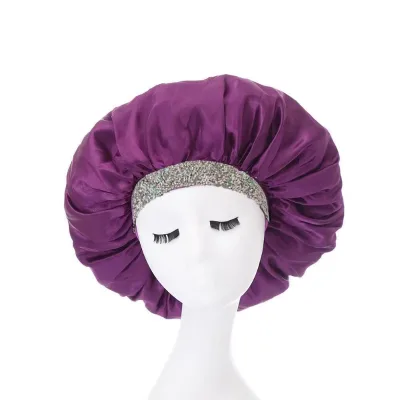


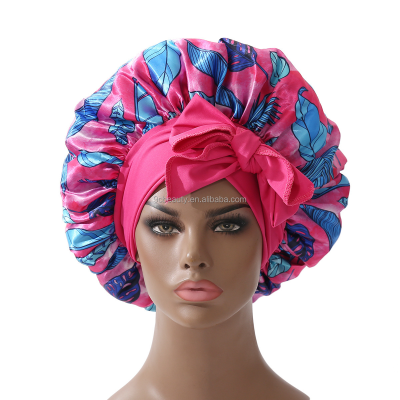
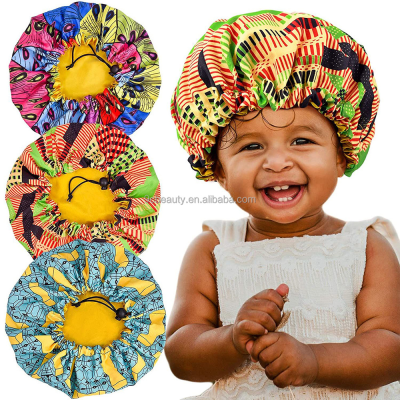
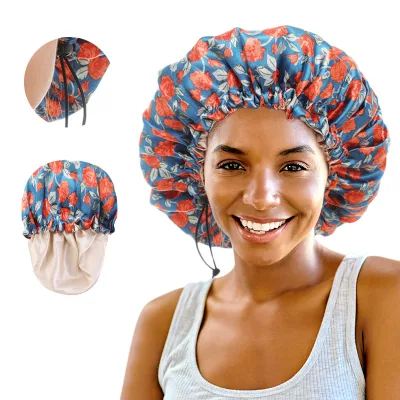


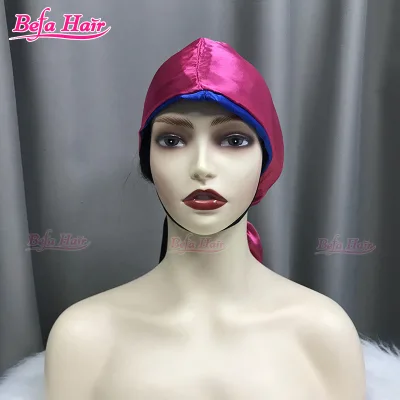
Hot Sell Single Layer Printing Women Designer Bonnets Stock Satin Bonnet
$1.00 - $1.38
MOQ: 250 Pieces



Comprehensive Sourcing Guide
Satin Bonnet Sourcing Guide
Sourcing satin bonnets requires a nuanced understanding of material properties, manufacturing capabilities, and commercial terms that vary significantly across suppliers. The market offers a diverse range of products, from simple sleep caps to customized promotional items, each with distinct technical requirements. Buyers must navigate variations in fabric weight, edge finishing, and printing technologies to ensure the final product aligns with their specific use cases, whether for personal care, hospitality, or corporate gifting. This guide provides a structured approach to evaluating suppliers and products based on observed market signals and standard procurement practices.
The following sections detail the critical aspects of sourcing satin bonnets, including product scope, technical verification, compliance, cost analysis, supplier qualification, and long-term management. By focusing on evidence-based criteria and avoiding unsupported claims, buyers can make informed decisions that mitigate risk and ensure quality. The guidance herein is designed to help procurement professionals identify key differentiators among suppliers and establish clear expectations for product delivery and performance.
Product Scope and Observed Listing Signals
The Satin Bonnet category encompasses a wide array of products, primarily categorized by their intended use, material composition, and customization options. Observed listings indicate that these items are commonly used for sleep, hair protection, and as accessories for various occasions such as sports, outdoor activities, weddings, and festivals. The core material is frequently identified as silk or satin, with specific mentions of silk satin fabric, which suggests a focus on smoothness and durability. Buyers should note that while "satin" is a weave structure, the actual fiber content can vary, with some products explicitly stating silk material, which impacts both cost and performance.
Customization is a dominant feature in this market, with suppliers offering options for custom dying, logo printing, and size adjustments. The observed data highlights that colors can be customized, and patterns range from plain dyed to those featuring digital or screen printing. Some listings specify embroidery as a style option, indicating that decorative elements are also available. Additionally, the product scope includes variations in size, with options for normal, extra-large, and custom dimensions, as well as standard sizes like 56-58cm or 28cm. This flexibility allows buyers to tailor products to specific demographic needs or branding requirements, but it also necessitates clear communication of specifications to avoid discrepancies.
Technical Specifications to Verify
When evaluating satin bonnets, buyers must verify several technical specifications to ensure the product meets their quality standards. The fabric type is a primary consideration, with silk satin being a common choice for its luxurious feel and breathability. However, buyers should confirm the exact material composition, as some products may use synthetic satins that mimic the appearance of silk but differ in performance. The edge finishing is another critical detail, with machine hemming being a standard practice that affects the durability and neatness of the final product. Buyers should request samples to assess the quality of the hemming and the overall construction of the bonnet.
Printing and decoration methods also require careful verification. Options such as digital printing, screen printing, and embroidery are available, each with its own advantages and limitations. For instance, screen printing may be more cost-effective for large orders, while digital printing offers greater detail and color variety. Buyers should also check the size specifications, as variations exist between standard sizes (e.g., 56-58cm) and custom options. Additionally, the packaging details, such as individual PP bags or specific dimensions, should be confirmed to ensure they meet logistical requirements. Verifying these technical aspects through samples and detailed product descriptions is essential to avoid surprises upon delivery.
Compliance and Safety Documentation
Compliance and safety are paramount when sourcing satin bonnets, especially if they are intended for direct contact with the skin or for use by children. Buyers should request documentation that verifies the safety of the materials used, including any dyes or finishes applied during manufacturing. While specific certifications were not observed in the provided data, buyers should inquire about compliance with relevant international standards for textile safety, such as OEKO-TEX or similar certifications that ensure the absence of harmful substances. This is particularly important for products marketed for sleep or personal care, where skin sensitivity is a concern.
Additionally, buyers should verify that the products meet any applicable labeling and packaging regulations in their target markets. This includes accurate material composition labels, care instructions, and country of origin markings. The observed data indicates that products originate from China, with specific mentions of Hangzhou and Jiangsu as production locations. Buyers should ensure that suppliers provide clear and accurate origin documentation, as this can impact customs clearance and consumer perception. Furthermore, any claims regarding hypoallergenic properties or specific health benefits should be substantiated with appropriate documentation to avoid regulatory issues.
Cost Drivers and Commercial Terms
The cost of satin bonnets is influenced by several factors, including material quality, customization complexity, and order volume. Observed price ranges vary significantly, reflecting differences in product specifications and supplier pricing strategies. Buyers should be aware that lower prices may correspond to synthetic materials or simpler construction, while higher prices may indicate silk content or more intricate designs. The minimum order quantity (MOQ) is another critical factor, with observed ranges from 10 pieces to 500 pieces per design or color. Buyers with smaller order volumes may face higher per-unit costs or limited customization options.
Commercial terms such as payment methods, sample times, and delivery lead times also impact the overall procurement process. Common payment methods include T/T, PayPal, and Western Union, while sample times typically range from 5 to 7 days. Delivery lead times are observed to be between 15 and 20 days, which buyers should factor into their inventory planning. Shipping options like DHL, UPS, and FedEx are available, and buyers should consider the associated costs and transit times. Understanding these commercial terms helps buyers budget accurately and manage expectations regarding product availability and delivery schedules.
Supplier Qualification and Quality Control
Supplier qualification is a crucial step in ensuring the reliability and consistency of Satin Bonnet supplies. Buyers should assess suppliers based on their production capabilities, quality control processes, and customer service responsiveness. The observed data indicates that many suppliers offer customization services, including logo printing and custom dying, which suggests a level of flexibility and technical expertise. Buyers should verify these capabilities by requesting samples and evaluating the quality of the customization work. Additionally, suppliers should be able to provide references or case studies that demonstrate their experience in producing similar products.
Quality control measures should be clearly defined and agreed upon before placing orders. Buyers should inquire about the supplier's inspection processes, including pre-production samples, in-line inspections, and final random inspections. The observed packaging details, such as individual PP bags, suggest that suppliers have established packaging standards, but buyers should confirm that these standards are consistently applied. Furthermore, buyers should establish clear communication channels for addressing any quality issues or discrepancies that may arise during production or delivery. A proactive approach to quality control helps minimize risks and ensures that the final products meet the buyer's expectations.
Long-Term Procurement Checks
Long-term procurement success with satin bonnets depends on establishing strong relationships with suppliers and implementing continuous improvement processes. Buyers should regularly review supplier performance based on metrics such as on-time delivery, product quality, and responsiveness to issues. The observed data indicates that suppliers offer various customization options, which can be leveraged to adapt to changing market trends or customer preferences. Buyers should maintain open communication with suppliers to discuss potential improvements in product design, material quality, or production efficiency.
Additionally, buyers should stay informed about industry developments and regulatory changes that may impact the sourcing of satin bonnets. This includes monitoring trends in sustainable materials, new printing technologies, or evolving safety standards. By staying proactive and engaged, buyers can identify opportunities for cost savings, quality enhancements, and innovation. Regular audits and feedback loops with suppliers help ensure that the procurement process remains efficient and effective, supporting the long-term success of the buyer's business objectives.
FAQs
What materials are used for satin bonnets?
Satin bonnets are primarily crafted from silk or satin fabrics. The material choice ensures a smooth surface that reduces friction against hair. Some products feature silk screen printing or digital printing for design customization. The fabric is often described as silk satin, providing a luxurious feel suitable for sleep or cosmetic protection.
Can I customize the color and logo?
Yes, customization is available for both colors and logos. Buyers can request custom dying to match specific brand colors. The product supports customer logos, allowing for personalized branding. This flexibility is ideal for businesses seeking unique designs for promotional items or specific market segments requiring tailored aesthetics.
What is the minimum order quantity for satin bonnets?
The minimum order quantity varies by supplier and design. Some listings require 100 pieces per design, while others accept 50 pieces per color. Certain stock items may have a lower MOQ of just 10 pieces. Buyers should verify the specific MOQ with the supplier before placing an order to ensure it meets their volume requirements.
How long does delivery take for satin bonnets?
Delivery typically takes 15 to 20 days after order confirmation. Sample production usually requires 5 to 7 days. Shipping methods include DHL, UPS, or FedEx for international delivery. Buyers should account for these lead times when planning inventory, especially for custom designs that require additional production time.
What sizes are available for satin bonnets?
Satin bonnets come in standard and custom sizes. Common standard sizes include 56-58cm or 58cm, with some options reaching extra large. Custom sizing is available to fit specific head measurements. The product is generally designed for adults, ensuring a secure and comfortable fit for various hair types and lengths.
How are satin bonnets packaged for shipment?
Satin bonnets are typically packaged in individual PP bags. Some suppliers offer one PP bag for free per item. The single package size is approximately 11x20x5 cm or 10x10x2 cm. This compact packaging helps protect the product during transit and reduces shipping volume, making it cost-effective for bulk orders.