Source Scenic Spring Ginkgo Ornaments for home, office, and garden
Compare 30 listings of Scenic Spring Ginkgo Ornaments crafted from metal, crystal, and plastic. Buyers can evaluate customization options, packaging, and lead times for indoor or outdoor decoration needs.
Key considerations
Products List


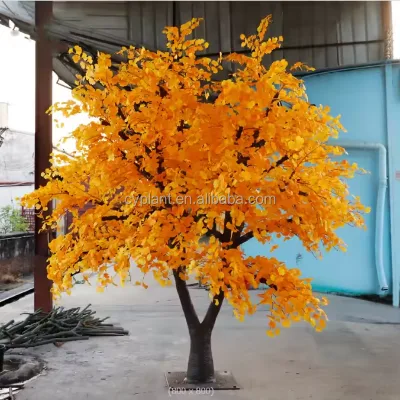
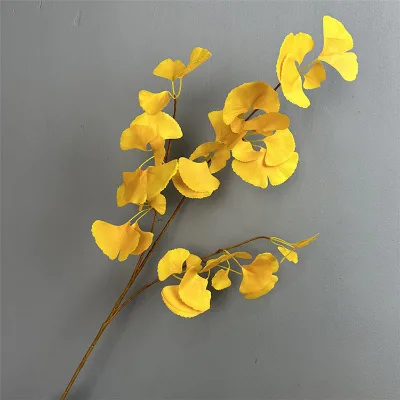
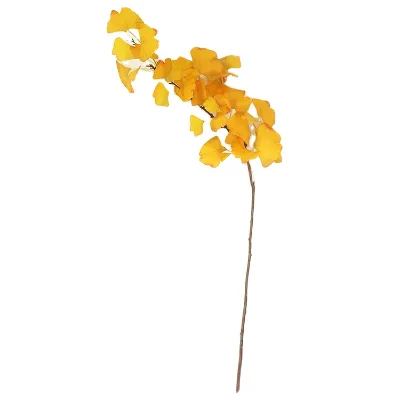
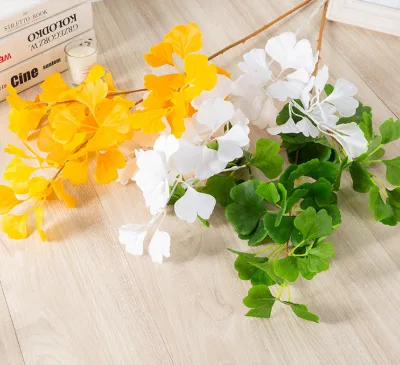
Christmas Tree Indoor/Outdoor Festive Decorations Artificial Ginkgo Tree
$250.00 - $500.00
MOQ: 2 Meters

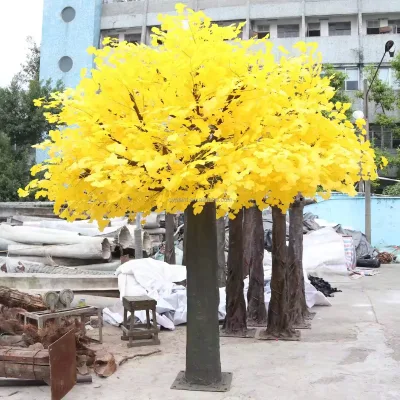
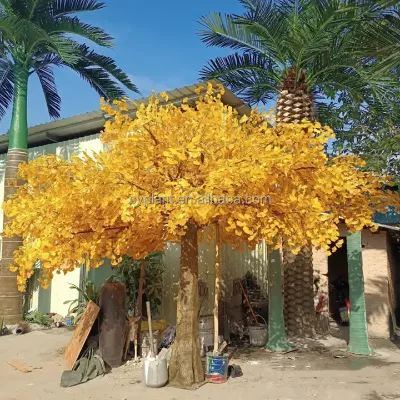
for Landscaping Home Hotel Decoration New Year's Artificial Ginkgo Tree
$159.00 - $300.00
MOQ: 2 Meters
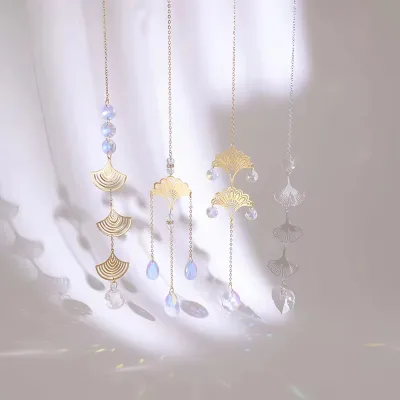


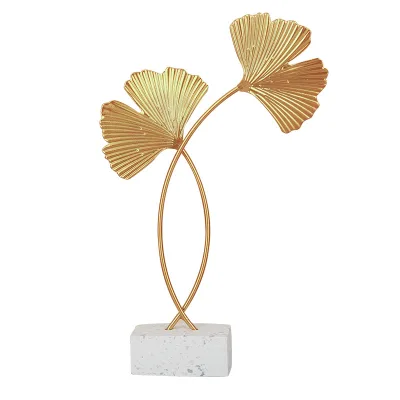
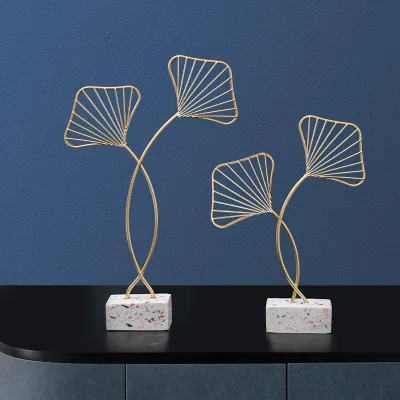
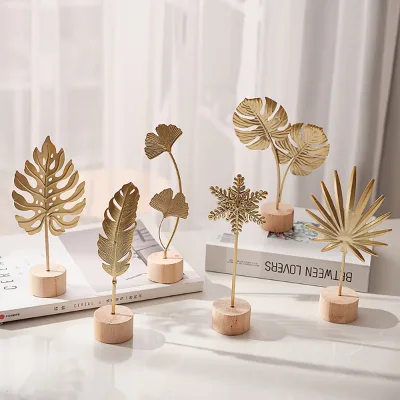
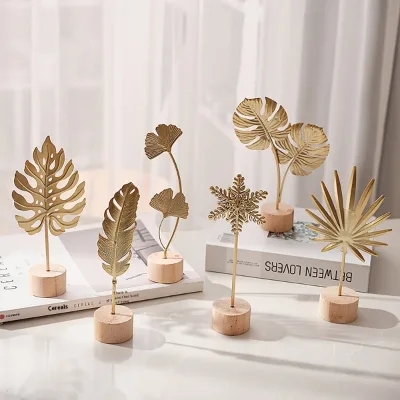
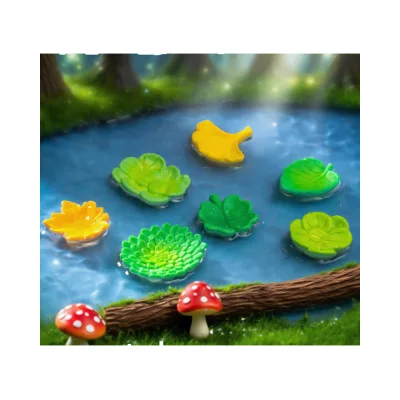

Nordic Light Luxury Creative Gold Metal Crafts Ginkgo Leaf Ornaments for Sale
$3.00 - $4.00
MOQ: 300 Pieces


Comprehensive Sourcing Guide
Strategic Sourcing Guide for Scenic Spring Ginkgo Ornaments
Procuring decorative items that capture the essence of seasonal transitions, such as Scenic Spring Ginkgo Ornaments, requires a nuanced understanding of the diverse manufacturing landscape. While the core keyword suggests specific botanical themes, the actual market inventory for such items often encompasses a broader spectrum of decorative objects, including metal nutcrackers, crystal sun catchers, and plastic hanging decorations. A disciplined sourcing approach demands that buyers distinguish between the thematic intent of the search and the specific technical realities of the available supply chain. This guide outlines the critical factors for evaluating suppliers and products that may fulfill the aesthetic requirements of spring-themed ginkgo ornaments or their functional equivalents in the current market.
Technical Specifications and Material Diversity
The first step in sourcing these ornaments is to analyze the material composition and physical specifications, as the market offers a wide array of options rather than a single standardized product. The available inventory indicates that materials range significantly from metal to crystal and plastic. For a buyer seeking a "scenic spring ginkgo" aesthetic, the material choice dictates the manufacturing process and the final visual texture. Metal components are often associated with a "handmade" technology, suggesting a level of artisanal craftsmanship that can be desirable for high-quality decorative pieces. In contrast, plastic options may offer different color variations and are often cited as eco-friendly, which aligns with modern sustainability goals.
The physical form of these ornaments is equally varied. While the search term implies a specific botanical shape, the actual product data shows shapes ranging from "nutcracker" forms to "irregular" crystal structures and "hanging" designs. This discrepancy highlights the importance of verifying the exact geometry required. For instance, a crystal sun catcher with an "irregular" shape might be used to create a specific light-refracting effect that mimics the dappled light of spring, whereas a metal nutcracker might serve as a structural element in a larger display. Buyers must also consider the color palette, which ranges from "multicolour" and "multicolor" to specific shades like "green" or "as pictures show." The availability of "customization" in size and design is a critical technical factor, allowing buyers to tailor the "scenic" aspect to their specific branding or interior design needs.
Compliance, Certification, and Safety Standards
When evaluating potential suppliers for decorative ornaments, compliance and safety are paramount, particularly for items intended for indoor and outdoor use. The observed product data indicates that some items are explicitly marked as "Non-fire Retardant," which is a significant safety consideration for buyers planning to use these ornaments in commercial spaces, offices, or public areas. This attribute necessitates a rigorous verification process where buyers must confirm whether the specific batch of ginkgo-themed ornaments meets local fire safety regulations. Relying on general market claims without specific test data can lead to compliance failures.
Furthermore, while some background information mentions standards like ISO 27001, this is primarily an information security standard and may not be directly relevant to the physical safety or material composition of decorative ornaments. Buyers should not assume that a supplier possesses this certification unless explicitly verified. Instead, the focus should be on material safety and packaging sustainability. The market data notes "Sustainable Material Packaging" and "Eco-Friendly" features, which are positive indicators for buyers aiming to reduce their environmental footprint. However, these claims should be treated as observations of specific listings rather than universal guarantees for all suppliers. Procurement teams must request specific documentation regarding the flammability of the materials used, especially if the ornaments are to be used in high-traffic indoor environments or outdoor settings where weather resistance is a factor.
Cost Drivers and Pricing Structures
The cost of sourcing Scenic Spring Ginkgo Ornaments is influenced by several variables, including material type, customization level, and order volume. The observed price range in the market is extensive, spanning from $0.05 to $680.88 per unit. This vast disparity suggests that the final price is heavily dependent on the complexity of the design and the material quality. A simple plastic hanging decoration will likely fall at the lower end of this spectrum, while a custom-made metal or crystal piece with intricate detailing could command a premium price.
Minimum Order Quantity (MOQ) is another critical cost driver. The market data shows an MOQ range from 1 piece to 1000 pieces. Suppliers with an MOQ of 1 piece, such as those offering single-item selling units, are ideal for prototyping or small-scale retail testing. Conversely, suppliers requiring an MOQ of 10 pieces or more may offer better unit economics for bulk procurement. Buyers must calculate the total landed cost, which includes the unit price, shipping, and any potential tariffs. The "High Quality with Best Price" advantage claimed by some suppliers should be critically evaluated against the actual MOQ and lead time requirements. A lower unit price might be offset by higher shipping costs or longer lead times, which can impact the overall budget and cash flow.
Typical Applications and Usage Scenarios
Understanding the intended application of the ornaments is essential for selecting the right product variant. The data indicates that these items are suitable for a wide range of settings, including "Home, Office, Supermarket," and other commercial spaces. The "Indoor,Outdoor" designation suggests that some products are durable enough to withstand varying environmental conditions, which is crucial for spring-themed decorations that may be displayed in gardens, patios, or storefronts.
The thematic elements, such as "Love" themes or "Fashion Designs," suggest that these ornaments are often used for gifting or specific seasonal promotions. For a "scenic spring" theme, the "Green" color option and "Tree" plant type attributes are particularly relevant. Buyers should verify that the "Design" style, whether "New" or "Modern," aligns with their target audience's aesthetic preferences. The "Universal" occasion attribute implies versatility, making these items suitable for various events, from corporate office decorations to private home decor. However, the specific "Shape" and "Material" must match the durability requirements of the application; for example, a crystal sun catcher may be unsuitable for outdoor use due to fragility, whereas a metal nutcracker might be more robust.
Supplier Evaluation and Verification
Evaluating suppliers requires a careful review of their capabilities, origin, and operational metrics. The primary origin for these products is identified as "China," with specific mentions of "Zhejiang, China" as a place of origin. This regional concentration can be advantageous for logistics but requires due diligence regarding the specific factory's reputation and capacity. Buyers should verify the "Brand Name" associated with the products, such as "JN," to ensure consistency and brand alignment.
Key evaluation criteria include the "Lead Time," which is observed to be between 10-15 days for some suppliers. This timeframe is a critical factor in supply chain planning, especially for seasonal items like spring ornaments where timing is crucial. Buyers must confirm if this lead time is consistent across all product variants and if it can be expedited if necessary. Additionally, the "Payment" terms, such as "Paypal," should be reviewed to ensure they align with the buyer's financial policies and risk management strategies. The "Customization" availability is a significant differentiator, allowing buyers to request specific designs that better match the "scenic spring ginkgo" concept. However, buyers must clarify the extent of this customization, including whether it applies to shape, color, or packaging, and if there are additional costs or minimum order requirements for custom runs.
Quality Control and Long-Term Procurement Considerations
Implementing a robust quality control (QC) process is essential to ensure that the received ornaments meet the expected standards. Given the "Handmade" nature of some metal products and the "Crystal" composition of others, QC should focus on visual inspection for defects, structural integrity, and finish quality. The "High Quality" claims found in the product data should be validated through sample testing before placing large orders. Buyers should establish clear acceptance criteria for color accuracy, shape consistency, and packaging integrity, as the "Bubble Wrap with Wood Frame or Carton" packaging suggests a need for careful handling during transit.
Long-term procurement considerations involve building a sustainable relationship with suppliers who can consistently deliver high-quality products. The "Fast Delivery" advantage noted in some listings is beneficial for maintaining inventory levels, but buyers must balance speed with reliability. It is also important to consider the "Packaging" aspect, as "Sustainable Material Packaging" is a growing demand in the market. Buyers should inquire about the recyclability and environmental impact of the packaging materials used. Finally, maintaining open communication regarding design updates and market trends will help buyers stay ahead of the curve, ensuring that their spring-themed ornament offerings remain fresh and appealing to consumers. By adhering to these disciplined sourcing practices, buyers can navigate the complexities of the market and secure high-quality decorative items that meet their specific needs.
FAQs
Can I customize the size and design of these ornaments?
Yes, customization is available for size and design to meet specific needs. Buyers can request tailored dimensions or shapes, such as the irregular crystal or nutcracker forms, though custom runs may require higher minimum order quantities than standard items.
What materials are used for these decorative ornaments?
The ornaments are crafted from diverse materials including metal, crystal, and plastic. Metal options often feature handmade technology, while plastic variants may offer eco-friendly attributes, allowing buyers to select based on durability and aesthetic preferences.
How long is the typical lead time for these products?
The standard lead time ranges from 10 to 15 days for production. This duration applies to standard orders, but buyers should verify if expedited options exist, as lead times can vary depending on the specific model and customization requirements.
Which minimum order quantities apply to these items?
Minimum order quantities vary significantly, ranging from 1 piece to 1000 pieces depending on the supplier. Some listings offer single-item units for prototyping, while others require orders of 10 pieces or more for bulk procurement at better unit economics.
Are these ornaments suitable for outdoor use?
Yes, certain products are designated for both indoor and outdoor applications. However, buyers must verify fire resistance ratings, as some items are explicitly marked as non-fire retardant, which is critical for safety compliance in public or commercial outdoor spaces.
What packaging methods are used for shipping these items?
Packaging typically includes bubble wrap with a wood frame or carton boxes. Some suppliers also utilize sustainable material packaging to align with environmental goals, ensuring items like crystal or metal ornaments are protected during transit.