Source Scented Fabric Dryer Sheet for Laundry, Hotels, and Spas
Explore 30 listings for Scented Fabric Dryer Sheet options featuring long-lasting fragrance and anti-static benefits. Buyers can compare customization services, certifications like ISO and GMPC, and various model numbers to find the right fit for apparel care.
Key considerations
Products List


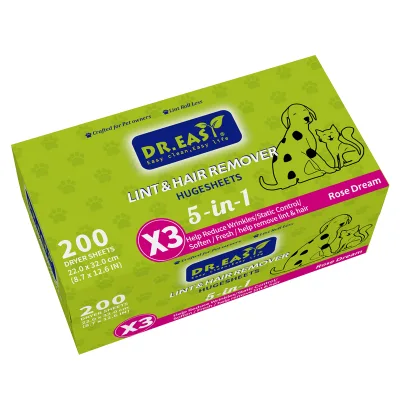
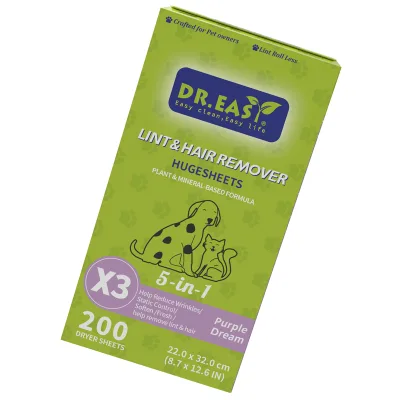
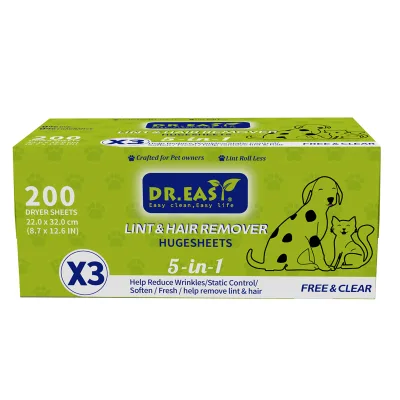
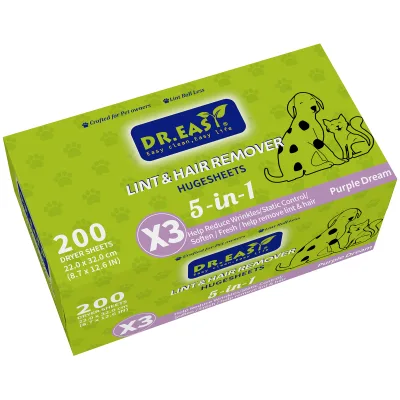
Dryer Sheets for Removing Static Cling Appropriate for Use with Apparel Detergent
$0.55 - $0.58
MOQ: 5000 pairs
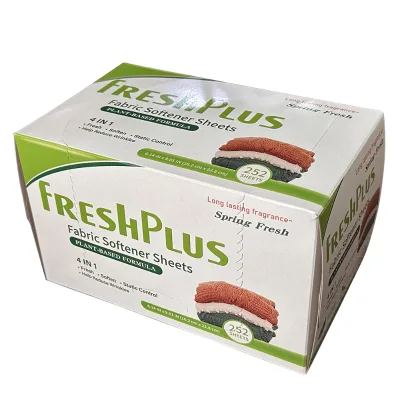
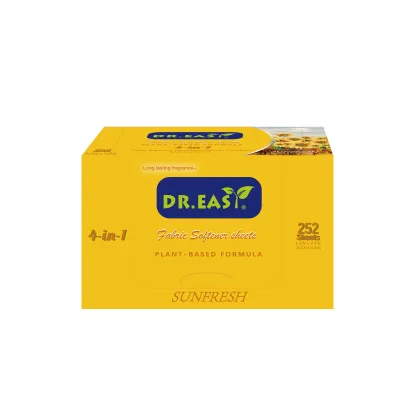
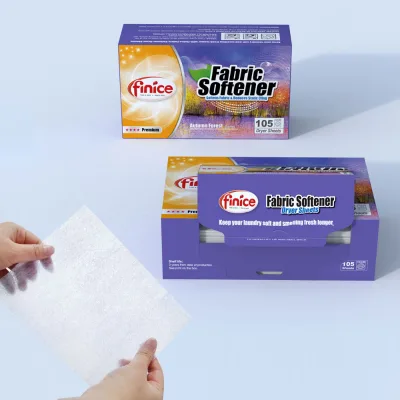
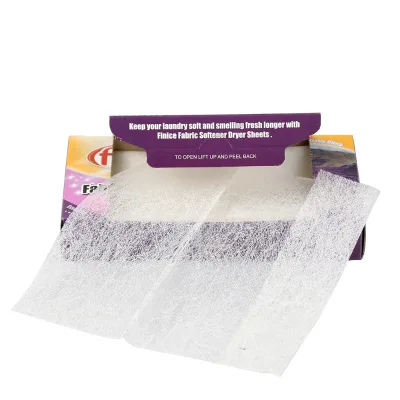
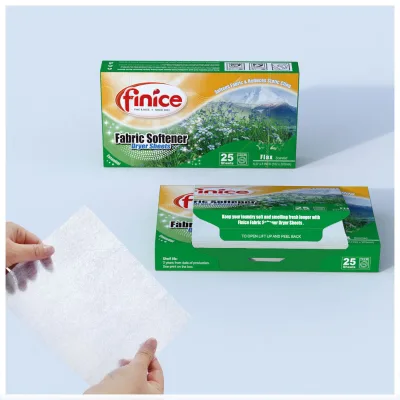
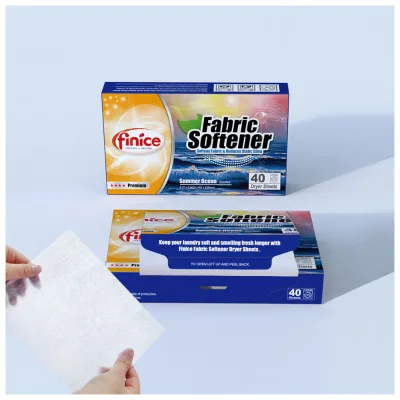
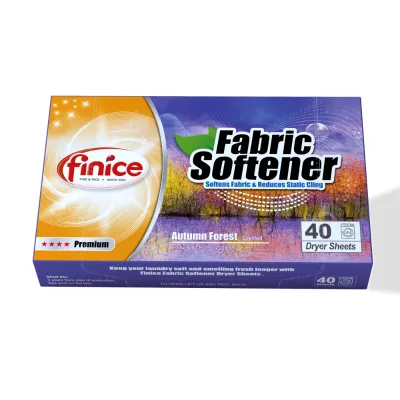
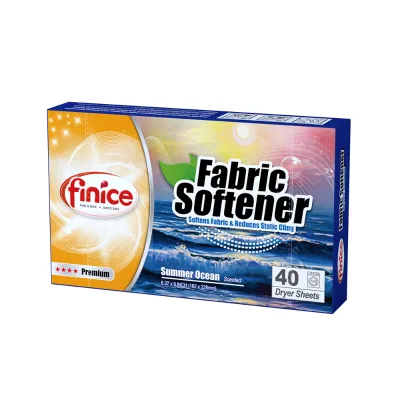
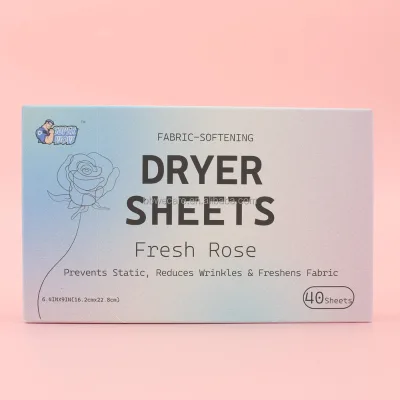
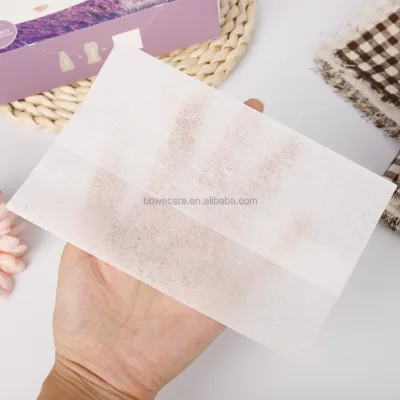
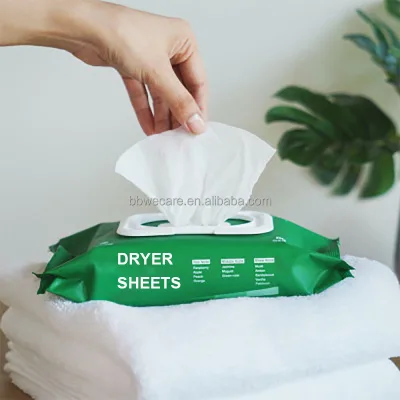
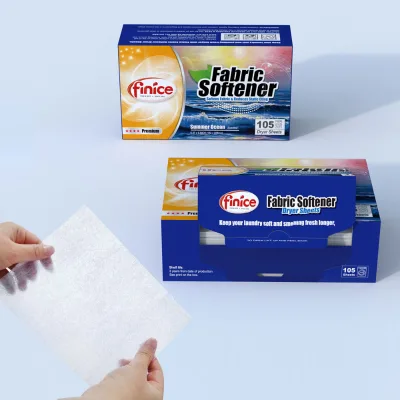
Comprehensive Sourcing Guide
Strategic Sourcing Guide for Scented Fabric Dryer Sheets
Understanding Product Specifications and Variability
The market for scented fabric dryer sheets is characterized by significant variability in technical specifications, driven by the diverse needs of OEM and ODM buyers. When sourcing these products, it is critical to recognize that "dryer sheets" are not a monolithic category but rather a spectrum of textile treatments with distinct physical and chemical properties. The core product is defined as a disposable sheet designed to soften clothes and reduce static electricity during the drying cycle. The material composition is predominantly nonwovens, which serve as the substrate for the active ingredients. These sheets are typically packaged in boxes, with the unit of measure often being the box itself.
Physical attributes vary widely among suppliers. While some products are described as having a "flaky" shape, others are strictly "sheet" or "flaky" in texture, and some are simply categorized as "sheets." The shape and size are frequently customizable to meet specific branding or functional requirements. The active ingredient content is a crucial differentiator, with observed ranges spanning from 30% to over 80% inclusive. This variance directly impacts the efficacy of the fabric softening and anti-static properties. Furthermore, the scent profile is a primary driver for consumer preference, with options ranging from natural fragrances and floral scents to specific notes like lavender, vanilla, rose, and jasmine. Some suppliers offer unscented variants for sensitive skin markets.
The following table outlines the observed specification ranges and customization options available in the current market:
| Specification Category | Observed Attributes | Customization Status |
|---|---|---|
| Material | Nonwovens | Standard |
| Shape | Sheet, Flaky, Sheets | Customized |
| Active Ingredient | 30%-50%, 50%-80%, >80% | Variable by formulation |
| Scent Profile | Natural, Floral, Lavender, Vanilla, Unscented | Customized |
| Packaging | Carton | Standard |
| Unit | Boxes | Standard |
| Target Audience | Adult | Standard |
Buyers must verify these specifications against their internal requirements before proceeding, as the "scented" attribute alone does not guarantee a specific fragrance intensity or ingredient concentration. The model numbers associated with these products, such as E-joy0768, EJ0Y015, and 20HY02-#8812, indicate that manufacturers often maintain distinct SKUs for different formulations, reinforcing the need for precise technical communication.
Compliance, Certification, and Safety Standards
Navigating the regulatory landscape for household chemicals, including fabric softener dryer sheets, requires a rigorous approach to certification and safety documentation. The supply chain for these products is heavily influenced by the need to demonstrate compliance with international safety and quality standards. High-confidence data indicates that suppliers often provide certifications such as ISO, GMPC (Good Manufacturing Practice for Cosmetics), and MSDS (Material Safety Data Sheet). These documents are essential for verifying the safety of the active ingredients and the manufacturing process.
The presence of an MSDS is particularly critical for international logistics and customs clearance, as it details the chemical composition, handling procedures, and emergency response measures. Similarly, ISO certification suggests that the manufacturer adheres to specific quality management principles, though the exact standard (e.g., ISO 9001) should be verified on a case-by-case basis rather than assumed. GMPC certification is relevant given the cosmetic-like nature of fragrance and skin-contact products, ensuring that the manufacturing environment meets hygiene standards.
Buyers should not rely on general market claims but must request specific documentation for each product batch. While some background standards like ISO 9001:2015 or ISO 14001 are often cited in the industry, the supplied facts only confirm the general presence of "ISO" without specifying the version. Therefore, procurement teams must explicitly request the certificate number and validity date. Additionally, the "Eco-friendly" and "Disposable" features mentioned in product attributes suggest a growing market demand for sustainable options, but buyers must verify the specific biodegradability claims or material sourcing practices to ensure they align with corporate sustainability goals. The origin of the product, typically China, necessitates a thorough review of export compliance and any trade-specific regulations that may apply to chemical goods.
Cost Drivers and Pricing Dynamics
The pricing structure for scented fabric dryer sheets is influenced by a complex interplay of factors, including material costs, fragrance complexity, order volume, and customization requirements. The observed price range in the market spans from $0.05 to $4.81 USD per unit, a wide disparity that reflects differences in quality, ingredient concentration, and packaging. The lower end of the spectrum likely corresponds to basic, unscented or lightly scented sheets with standard active ingredient content, while the higher end may reflect premium fragrances, higher active ingredient concentrations, or specialized packaging.
Order Volume is a primary cost driver. The Minimum Order Quantity (MOQ) observed ranges from 10 to 20,000 units, with a specific high-confidence fact noting an MOQ of 10,000 boxes for certain models. This suggests that while small sample orders or trial runs are possible, significant cost efficiencies are realized only at larger volumes. The unit of measure being "boxes" further complicates the pricing calculation, as the number of sheets per box can vary. Buyers must clarify whether the quoted price is per sheet or per box to avoid budget discrepancies.
Customization is another significant cost factor. The availability of customized product colors, sizes, scents, and private labeling (OEM/ODM) services typically incurs additional setup fees or higher per-unit costs. The "Service" attribute explicitly lists OEM, ODM, and Private Label options, indicating that branding and formulation changes are standard services but come with a price premium. Additionally, the "Stocked" status of some items suggests that off-the-shelf products may be priced differently than made-to-order items, with stocked items potentially offering faster delivery but less flexibility.
Typical Applications and Market Segmentation
Scented fabric dryer sheets serve a broad range of applications, primarily focused on household laundry but extending into commercial and institutional sectors. The core function is to soften clothes and reduce static electricity, making them essential for everyday apparel care. The "Detergent Use" attribute specifies "Apparel," confirming their primary application in washing and drying clothing items. However, the versatility of the product allows for use in various settings, from residential homes to hotels, laundromats, and healthcare facilities.
The market segmentation is heavily influenced by the scent profile and ingredient safety. Products with "Natural Fragrance" or specific floral notes like "Lavender" and "Jasmine" are targeted at consumers seeking a premium sensory experience. Conversely, "Unscented" variants cater to individuals with sensitive skin or allergies, representing a distinct and growing market segment. The "Eco-friendly" and "Disposable" features also appeal to environmentally conscious consumers, suggesting a niche for green-certified products.
The "Active Ingredient" content plays a role in application intensity. Higher concentrations (above 80%) may be preferred for heavy-duty softening in commercial settings, while lower concentrations (30%-50%) might suffice for light household use. The "Shape" of the sheet, whether flaky or standard, can also influence application; flaky sheets might be designed for specific dispenser types or to dissolve more rapidly. Understanding these segmentation nuances is vital for buyers targeting specific demographics or retail channels.
Supplier Evaluation and Selection Criteria
Selecting the right supplier for scented fabric dryer sheets requires a multi-faceted evaluation process that goes beyond price and basic specifications. Given the "OEM brand" and "Private Label" capabilities observed, buyers must assess a supplier's ability to manage complex branding requirements while maintaining product consistency. The "Place of Origin" is consistently listed as China, with specific mentions of Anhui, which implies a concentration of manufacturing capabilities in this region. Buyers should verify the supplier's capacity to handle the required production volume and their track record in export markets.
Key evaluation criteria include the supplier's certification portfolio, specifically their ability to provide valid ISO, GMPC, and MSDS documents. The availability of "Free Samples" is a critical factor in the selection process, allowing buyers to test product quality, scent intensity, and material feel before committing to a large order. The "Customization" availability for color, size, and scent must be confirmed, along with the lead times associated with these custom orders.
The "Service" attribute highlights the importance of the supplier's flexibility in handling OEM and ODM requests. Buyers should inquire about the supplier's design capabilities, their ability to source specific fragrances, and their experience with private label branding. Additionally, the "Port of Dispatch" being Shanghai is a logistical consideration that affects shipping costs and delivery times. A supplier with a strong logistics network and experience in international trade will be better positioned to handle complex supply chain requirements.
Quality Control and Long-Term Procurement Strategy
Ensuring consistent quality in scented fabric dryer sheets is paramount for maintaining brand reputation and customer satisfaction. Quality control measures should encompass both the manufacturing process and the final product testing. Buyers must establish clear acceptance criteria for active ingredient concentration, fragrance stability, and sheet integrity. The "Active Ingredient" content ranges observed (30% to over 80%) necessitate rigorous testing to ensure that each batch meets the specified formulation.
Long-term procurement strategies should focus on building a resilient supply chain that can adapt to market changes. This includes diversifying suppliers to mitigate risk, negotiating volume-based pricing tiers, and establishing clear communication channels for quality feedback. The "Customized" nature of many products means that any changes in formulation or packaging must be carefully managed to avoid disruptions. Buyers should also consider the environmental impact of their procurement, seeking suppliers who demonstrate a commitment to sustainability through "Eco-friendly" practices.
Regular audits of the supplier's facilities and processes can help ensure ongoing compliance with quality and safety standards. The "Sample" availability should be leveraged not just for initial selection but for periodic quality checks throughout the procurement lifecycle. By maintaining a proactive approach to quality control and supplier relationship management, buyers can secure a steady supply of high-quality scented fabric dryer sheets that meet their specific market needs.
Conclusion
Sourcing scented fabric dryer sheets requires a strategic approach that balances technical specifications, compliance requirements, cost considerations, and supplier capabilities. The market offers a wide array of options, from basic unscented sheets to premium fragrances with high active ingredient concentrations. By carefully evaluating suppliers based on their certifications, customization capabilities, and quality control measures, buyers can secure a reliable supply chain that supports their brand objectives. The observed data highlights the importance of verifying specific attributes such as active ingredient content, scent profiles, and packaging details to ensure the final product meets the intended market demands. With a clear understanding of these factors, procurement teams can make informed decisions that drive value and efficiency in their sourcing operations.
FAQs
What certifications do Scented Fabric Dryer Sheet manufacturers provide?
Suppliers typically provide ISO, GMPC, and MSDS certifications for these products. These documents verify quality management, manufacturing hygiene, and chemical safety for international shipping and customs clearance.
Can I get free samples of scented fabric dryer sheets before ordering?
Yes, free samples are available for most product models to test quality and scent. Buyers should request these samples to verify active ingredient content and material texture before committing to bulk orders.
What is the minimum order quantity for custom scented fabric dryer sheets?
The minimum order quantity is often 10,000 boxes for customized models. Some suppliers may accept lower quantities for standard items, but significant cost efficiencies are realized only at larger volumes.
Which active ingredient content levels are available for scented fabric dryer sheets?
Active ingredient content ranges from 30% to over 80% depending on the formulation. Higher concentrations are suitable for heavy-duty softening, while lower levels may suffice for light household use.
How can I customize the scent and shape of scented fabric dryer sheets?
Customization is available for scents like lavender, floral, or unscented options, as well as sheet shapes. Buyers can specify these details for OEM branding, though setup fees may apply for unique formulations.
Where are Scented Fabric Dryer Sheet manufacturers located and what is the dispatch port?
Manufacturers are primarily located in China, with specific origins in Anhui. Products are typically dispatched from the Port of Shanghai, facilitating efficient international logistics for bulk orders.
What material is used to make scented fabric dryer sheets?
The sheets are made from nonwoven materials which serve as the substrate for active ingredients. This material is designed to be disposable and eco-friendly while effectively softening clothes and reducing static.