Source Scanner Paper Input Tray for printers, copiers, and scanners
Explore 30 listings for the Scanner Paper Input Tray from verified Chinese manufacturers. Buyers can compare specifications, customization options, and pricing for models compatible with Fi-7160 and i2400 series devices.
Key considerations
Products List


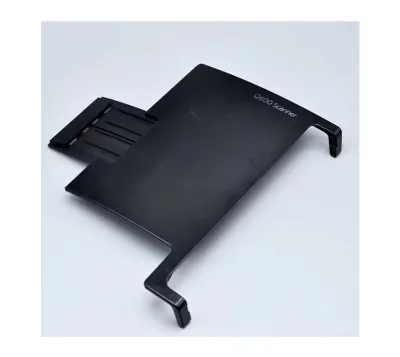
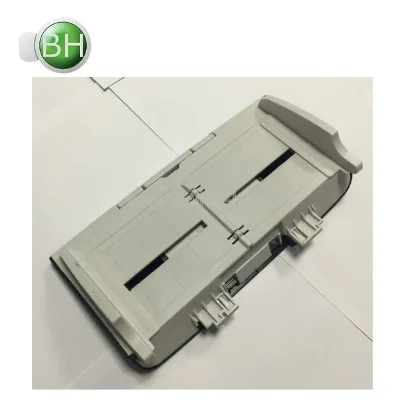
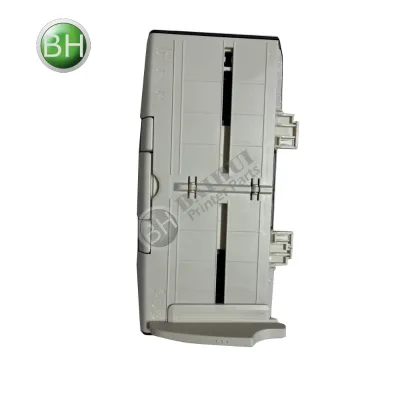


Catering Kraft Paper Tray for Self-Serve Stations Easy Clean Strong Eco Design
$0.01 - $0.01
MOQ: 50 Pieces
Comprehensive Sourcing Guide
Strategic Sourcing Guide for Scanner Paper Input Trays
Navigating the global market for scanner paper input trays requires a disciplined approach that distinguishes between generic packaging components and specialized office equipment parts. The core keyword "Scanner Paper Input Tray" often appears in search results alongside unrelated items such as fruit packaging or general kraft paper products. A rigorous procurement strategy begins with the immediate recognition that the supply chain for these components is fragmented. Buyers must carefully filter listings to ensure they are sourcing actual hardware components compatible with specific scanner models rather than generic paper packaging materials. The following guide outlines the essential technical, compliance, and commercial factors necessary for a successful procurement cycle.
Technical Specifications and Model Compatibility
The most critical technical variable in sourcing scanner input trays is model specificity. Unlike generic packaging, these components are engineered to fit precise mechanical tolerances within specific scanner chassis. The market data indicates that compatible trays are often associated with specific model numbers, such as the Fi-7160, Fi-7180, Fi-7260, Fi-7280, and Fi7140 series. When evaluating a potential supplier, the primary verification step is confirming that the listed part number matches the exact hardware requirements of the buyer's existing fleet.
Product attributes frequently listed for these components include the designation "Input Paper Tray" or "Scanner Chute Assembly." It is essential to verify the physical dimensions and structural integrity of the tray. While some listings reference standard packaging dimensions like 40x60x2 cm or 39x59x2 cm, these measurements often pertain to the shipping carton rather than the component itself. Buyers must request the specific dimensional drawing of the tray to ensure it aligns with the scanner's paper path.
Furthermore, the material composition and finish are vital for operational reliability. The input tray must be durable enough to withstand the friction of paper feeding while maintaining the correct alignment. Some suppliers offer trays described as "compatible new," suggesting they are manufactured to original equipment manufacturer (OEM) specifications. However, the term "compatible" does not guarantee identical material properties. Procurement teams should verify if the tray is constructed from high-impact plastics or reinforced polymers suitable for high-volume scanning environments. The presence of a "Folded" attribute in some listings may refer to the packaging state or a specific design feature, but for a rigid input tray, the structural rigidity is the primary concern.
Compliance and Certification Verification
In the B2B procurement of office equipment parts, compliance with international standards is a non-negotiable requirement. The supply chain for these components often originates from manufacturing hubs in China, specifically regions like Guangdong. While the origin location is a standard fact, the certifications held by the supplier are the true indicators of quality assurance.
Buyers should look for evidence of third-party testing and certification. The available data points to certifications from bodies such as BV (Bureau Veritas) and SGS. These organizations provide independent verification of product quality and safety. When evaluating a supplier, the procurement team must request the specific test reports associated with the BV or SGS certification. It is important to note that while "SGS BV" may appear as a combined attribute in some listings, these are distinct entities, and the buyer should clarify which specific test standards were applied to the input tray.
Additionally, the "Eco-Friendly" and "Biodegradable" attributes found in the broader search results are typically associated with paper packaging materials rather than the plastic or metal components of a scanner tray. If a supplier claims their input tray is biodegradable, this requires immediate scrutiny, as standard scanner trays are designed for durability and reuse, not decomposition. Buyers must verify that any environmental claims are supported by valid documentation and are not a result of keyword stuffing intended to improve search visibility. The "No Smell" attribute is a positive indicator for office environments, suggesting the absence of volatile organic compounds (VOCs) that could be emitted from low-quality plastics, but this should be confirmed through specific material safety data sheets (MSDS).
Cost Drivers and Pricing Structures
The pricing of scanner input trays is influenced by several factors, including the complexity of the mold, the material grade, and the volume of the order. The observed price range in the market is extremely wide, spanning from $0.01 to $60,000. This vast disparity highlights the necessity of distinguishing between a single replacement part and a bulk industrial order. A price at the lower end of the spectrum likely represents a single unit or a generic component, while the upper end may reflect a large-scale contract or a complete assembly line setup.
Minimum Order Quantity (MOQ) is another significant cost driver. The data shows MOQs ranging from 1 piece to 300,000 units. For small to medium-sized enterprises, an MOQ of 1 piece or 20 pieces is highly desirable, as it allows for the replacement of a single failed unit without incurring excessive inventory costs. Suppliers offering a "Sample Order" welcome policy are particularly valuable, as they allow buyers to validate the quality and fit of the product before committing to a larger purchase.
The "Factory direct price" is often cited as an advantage, suggesting that buying directly from the manufacturer can reduce costs by eliminating intermediary markups. However, buyers must weigh this against the potential loss of after-sales support and warranty coverage. The warranty period, which can vary, is a critical component of the total cost of ownership. A lower upfront price may be offset by a shorter warranty or higher failure rates. Therefore, the procurement strategy should focus on the total value proposition, including the warranty terms, rather than just the unit price.
Typical Applications and Operational Context
Scanner input trays are essential components in high-volume document processing environments. Their primary function is to hold and feed paper into the scanner mechanism, ensuring a consistent and smooth flow to prevent jams and misfeeds. These trays are commonly used in corporate offices, government archives, financial institutions, and logistics centers where the volume of paper processing is substantial.
The "All Ages" and "Fruit" attributes found in the general data are irrelevant to this application and likely indicate a mismatch in the search results. The correct application context involves "Medium" sized trays designed to handle standard paper sizes. The "100% Compatible" claim suggests that the tray is intended to function seamlessly with the original scanner software and hardware, ensuring that the scanner does not error out or require recalibration upon installation.
In operational terms, the tray must be robust enough to handle the mechanical stress of continuous feeding. The "Testing over three times before shipping" attribute is a strong indicator of a supplier's commitment to quality control. This testing process likely involves running the tray through the scanner mechanism to verify that it feeds paper correctly without jamming. Buyers should prioritize suppliers who can provide evidence of this testing protocol, as it directly correlates to reduced downtime in the office environment.
Supplier Evaluation and Selection Criteria
Selecting the right supplier is paramount to ensuring the reliability of the procurement. The market data indicates that many suppliers are located in China, with specific mention of Guangdong as a production hub. While location is a factor, the supplier's reputation and track record are more critical. Buyers should evaluate suppliers based on their ability to provide "Customized" solutions, as some scanners may require specific modifications to the tray design.
The "Custom Order" and "Customized" attributes suggest that suppliers are willing to tailor products to specific needs. This flexibility is valuable for organizations with unique requirements or older scanner models that are no longer supported by major OEMs. However, customization often comes with higher MOQs and longer lead times. Buyers must balance the need for customization with the urgency of their operational requirements.
Shipping and logistics are also key evaluation criteria. The availability of shipping methods such as DHL, UPS, TNT, FEDEX, and EMS indicates that suppliers have established logistics networks. Buyers should verify the shipping terms and ensure that the packaging, described as "Sea" or "Export Carton," is sufficient to protect the tray during transit. The "Neutral Packing" option is often preferred by buyers who wish to avoid branding on the packaging, but it must be confirmed that the internal protection is adequate to prevent damage.
Quality Control and Long-Term Procurement
Quality control is the backbone of a successful procurement strategy for scanner input trays. The "Quality: compatible new" and "Quality: Testing over three times before shipping" attributes highlight the importance of rigorous testing. Buyers should insist on a clear quality assurance protocol that includes visual inspection, dimensional verification, and functional testing. The "3 months" warranty mentioned in some listings provides a baseline for quality expectations, but buyers should negotiate for longer warranty periods if possible, especially for high-volume orders.
Long-term procurement considerations involve building a relationship with a reliable supplier who can provide consistent quality over time. The "Advantage: Factory direct price & High Quality" suggests that suppliers are positioning themselves as cost-effective yet reliable partners. However, buyers must remain vigilant and conduct regular audits or sample checks to ensure that the quality remains consistent. The "Brand Name" and "BH" or "Baihui" identifiers can help in tracking the source of the product, but buyers should not rely solely on brand reputation without verifying the specific product specifications.
In conclusion, sourcing scanner paper input trays requires a meticulous approach that prioritizes technical compatibility, verified certifications, and robust quality control. By focusing on the specific model numbers, understanding the cost drivers, and evaluating suppliers based on their testing protocols and warranty terms, buyers can secure reliable components that minimize downtime and maximize operational efficiency. The wide range of market offerings necessitates a careful filtering process to avoid the confusion caused by unrelated product attributes, ensuring that the final procurement decision is based on accurate and relevant data.
FAQs
What certifications do scanner input tray suppliers typically hold?
Suppliers often hold BV and SGS certifications for quality verification. These third-party tests confirm product safety and durability before shipping. Buyers should request specific test reports to ensure the tray meets international standards for office equipment parts.
Which scanner models are compatible with these input trays?
Compatible trays are designed for Fi-7160, Fi-7180, Fi-7260, Fi-7280, and Fi7140 series scanners. The part number PA03670-E985 is also listed for specific assemblies. Always verify the exact model number before purchasing to ensure mechanical fit.
Can I order a single unit as a sample for testing?
Yes, sample orders are welcome with a minimum order quantity of just one piece. This allows buyers to validate quality and fit before committing to larger volumes. Suppliers often offer neutral packing for these initial sample shipments.
How long is the warranty period for these input trays?
The standard warranty period provided is three months for compatible new units. This covers defects in materials and workmanship under normal usage. Buyers should confirm specific warranty terms with the supplier before finalizing the purchase agreement.
Where are these scanner parts typically manufactured?
Most suppliers are located in Guangdong, China, which is a major manufacturing hub for office equipment. The products originate from this region before being shipped via international carriers. Buyers should verify the specific factory location for logistics planning.
What is the minimum order quantity for bulk purchases?
The minimum order quantity can range from one piece to 20 units depending on the supplier. Some vendors accept single items for samples while others require 20 pieces for standard orders. Check the specific listing for the exact MOQ requirement.
Are these trays tested before they are shipped to buyers?
Yes, quality is verified by testing the unit over three times before shipping. This process ensures the tray feeds paper correctly without jamming. Buyers can expect a high level of reliability due to this rigorous pre-shipment quality control protocol.