Source Scrap Tire Baler for Food and Beverage, packaging, and recycling
Find 30 vertical hydraulic balers suitable for Scrap Tire Baler for Food and Beverage waste, packaging materials, and general recycling. Compare specs like 1500KN pressure, 18.5KW power, and CE certification from Jiangsu, China suppliers with overseas service support; compare the available evidence and request quotations based on your requirements.
Updated
Key considerations
Products List
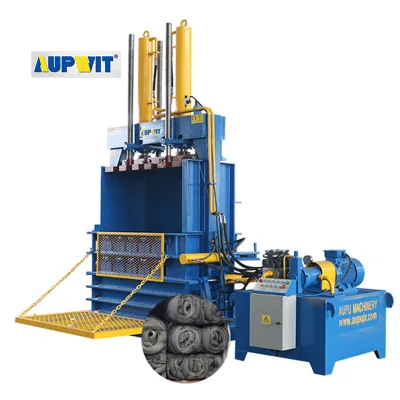
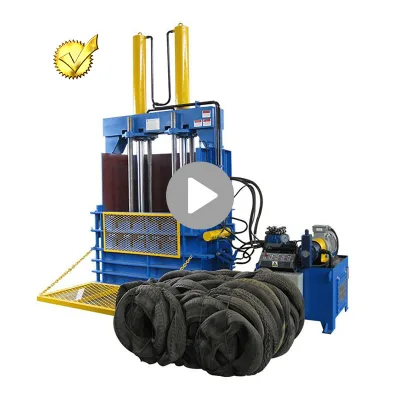
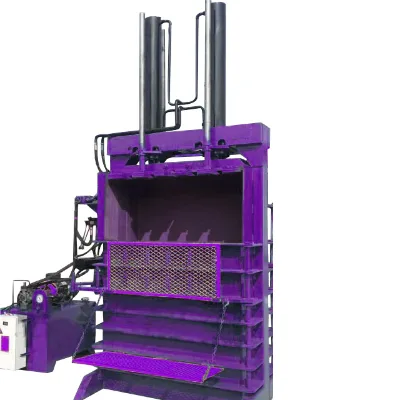
Vertical Hydraulic Scrap Press Compressed Tires Machine Tire Baler Equipment for Sale
$11500.00 - $13000.00
MOQ: 1 Minimum
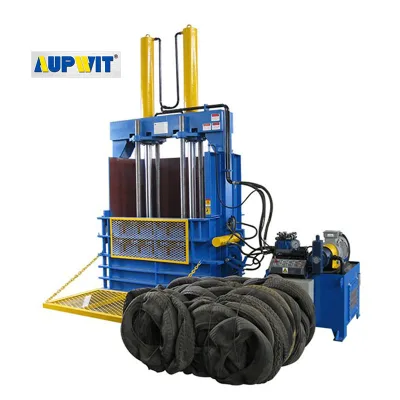
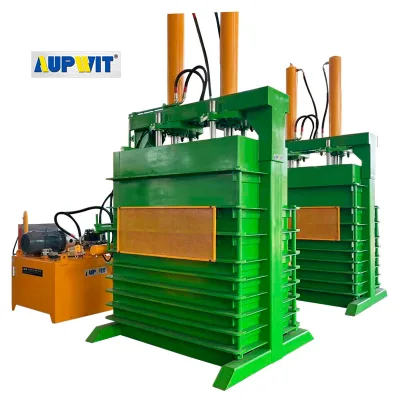
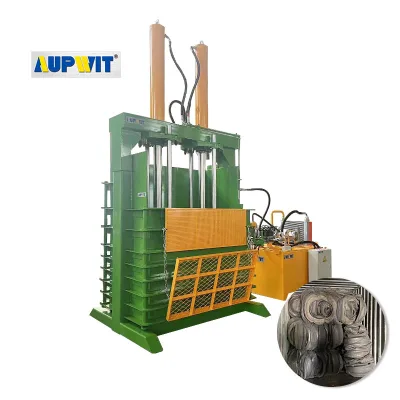
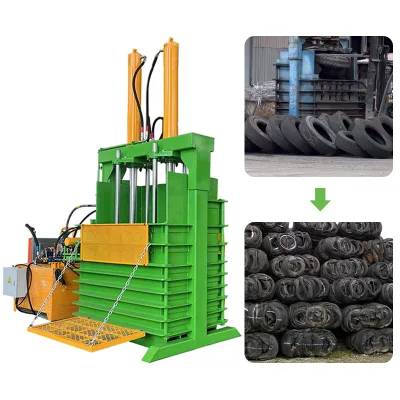

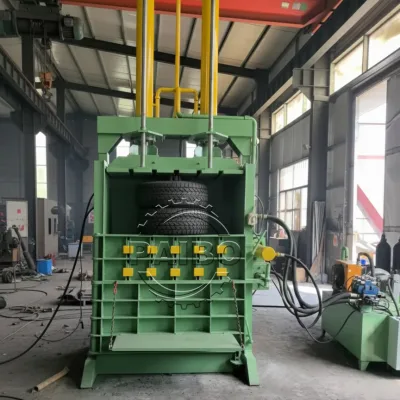
Hydraulic Baler for Rubber Tire and Industrial Rubber Scrap Processing
$10000.00 - $30000.00
MOQ: 1 Sets


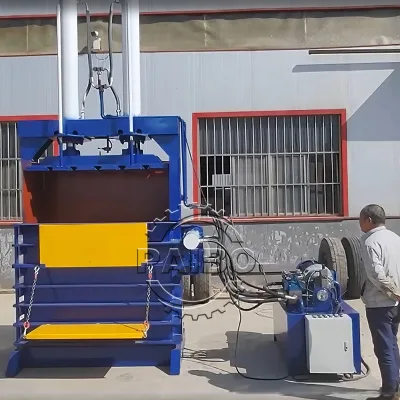
Scrap Tire Baler Packing Machine Tire Baler Machine Recycling Machine
$3200.00 - $140000.00
MOQ: 1 Pieces

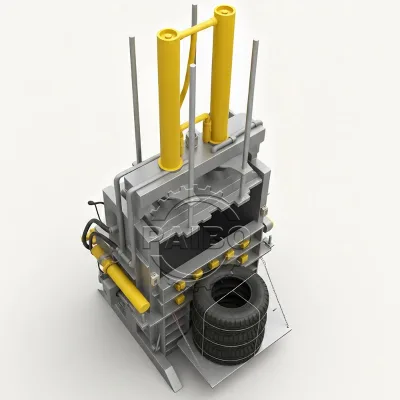
Scrap Tire Baler Packing Machine Tire Baler Machine Hydraulic Metal Baler
$3200.00 - $140000.00
MOQ: 1 Pieces
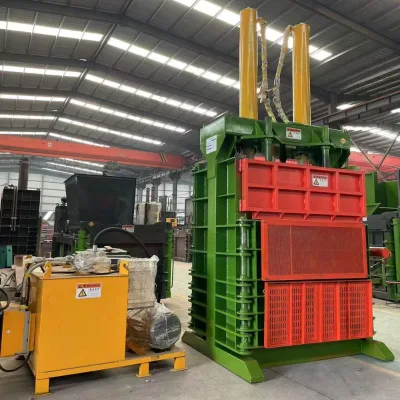
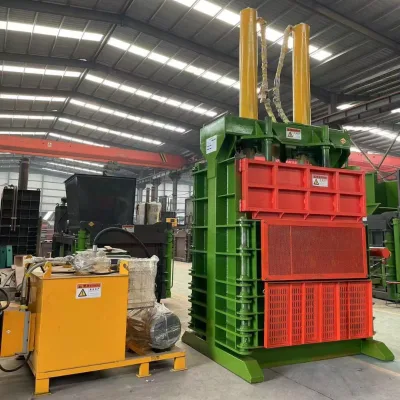
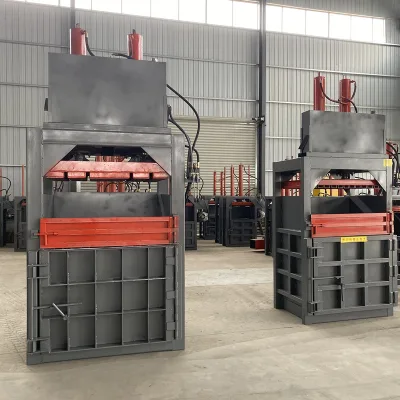
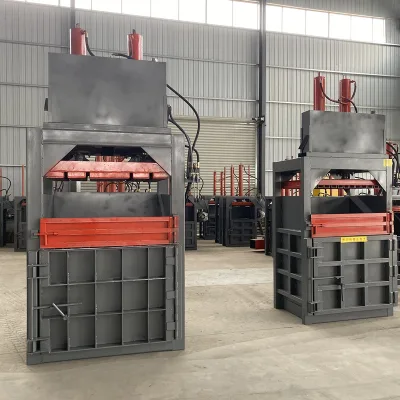
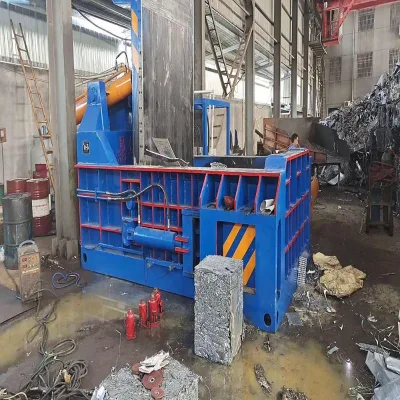
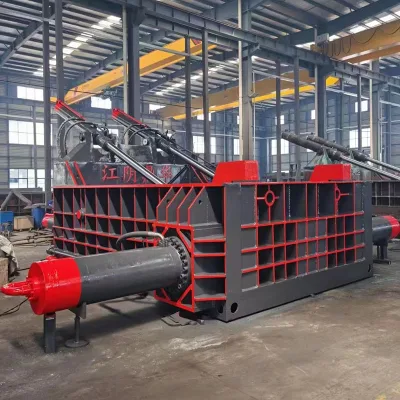
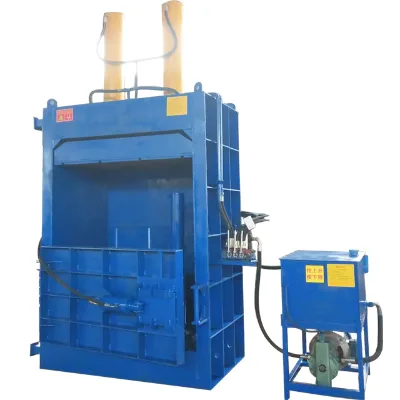
Automatic Scrap Tire Baler Machinery Baled Waste Tyre Tire Bales for Sale
$2000.00 - $3000.00
MOQ: 1 sets
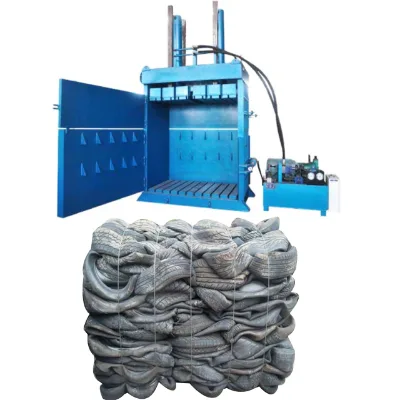
Fairly Used Scrap Tires Shredded Bales Tire Recycling Machine Type
$2067.7413 - $4135.4826
MOQ: 1 sets
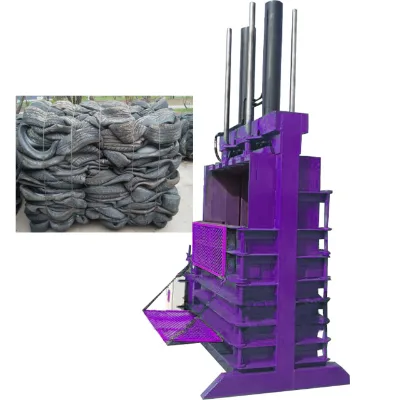
Scrap Tire Baler Packing Machine Hydraulic Used Tire Pressing Machine
$10239.5216 - $15359.2824
MOQ: 1 sets
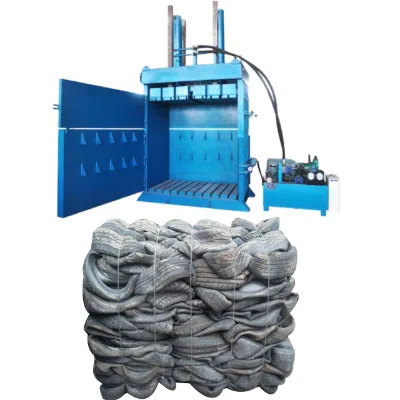


Comprehensive Sourcing Guide
Scrap Tire Baler for Food and Beverage Sourcing Guide
Procuring a vertical hydraulic baler for scrap tire recycling requires careful alignment with industrial safety and operational efficiency standards. While the core keyword suggests a niche application, the available market data indicates these machines are primarily designed for heavy-duty tire recycling rather than direct food and beverage processing. Buyers must distinguish between general waste management equipment and specialized sanitary machinery to avoid compliance risks. The observed listings highlight machines with nominal pressures around 1500KN and production efficiencies of 4 to 4.5 tons per hour, which are suitable for high-volume scrap handling but require rigorous verification for any hygienic applications.
The supply chain for these balers is heavily concentrated in Jiangsu, China, with manufacturers offering global after-sales support through engineers and online services. Key selling points emphasize ease of operation and high stability, which are critical for continuous recycling operations. However, the term "food and beverage" in the search query may indicate a misunderstanding of the machine's primary function. Buyers should verify if the specific model meets any sanitary design requirements, as standard industrial balers are not inherently designed for food-grade environments. Understanding this distinction is vital for selecting the correct equipment for tire recycling facilities that may also handle general industrial waste.
Product Scope and Observed Listing Signals
The observed product listings reveal a clear focus on vertical hydraulic balers designed for car and truck tire recycling. These machines feature a semi-automatic grade with manual operation modes, allowing operators to control the baling process with precision. The core components include PLC systems, ensuring reliable automation and control logic for consistent bale formation. With a weight ranging from 3000 to 5000 kilograms, these units are substantial industrial assets that require stable flooring and adequate space for installation. The power consumption varies between 18.5KW and 20KW, indicating a moderate energy profile for heavy-duty compression tasks.
Listing signals also highlight specific technical attributes such as a system pressure of 20Mpa and a nominal pressure of 1500KN, which define the machine's compression capability. The bale size is standardized at 1800x1000x1000mm, with a bale weight of approximately 1300 kilograms, facilitating efficient storage and transportation of recycled materials. The voltage options include 220V, 380V, and 415V, accommodating various global electrical standards. These specifications suggest that the equipment is optimized for robust, continuous operation in recycling plants rather than delicate or sanitary processing environments, reinforcing the need for buyers to align their expectations with the machine's industrial design.
Technical Specifications to Verify
When evaluating a vertical hydraulic baler, buyers must verify the voltage compatibility and power requirements to ensure seamless integration with existing facility infrastructure. The observed listings offer 220V, 380V, and 415V options, but OEM specifications may vary, requiring confirmation of the exact electrical profile for the target site. Additionally, the driven type is hydraulic, which necessitates regular maintenance of hydraulic systems to maintain the observed 20Mpa system pressure. Buyers should inquire about the quality of hydraulic components and the availability of spare parts to prevent operational downtime, as these are critical for sustaining the 4 to 4.5 tons per hour production efficiency.
The physical dimensions and weight of the machine are also crucial verification points, with weights ranging from 3000 to 5000 kilograms depending on the model. The bale size of 1800x1000x1000mm and bale weight of ~1300kg must align with downstream handling equipment, such as forklifts or conveyor systems. Buyers should also verify the PLC system's programming capabilities and user interface ease, as these impact operator training and daily efficiency. Confirming the matched capacity of 18.5KW or 20KW ensures that the power supply can support the machine's peak loads without tripping breakers or causing voltage drops in the facility.
Compliance and Safety Documentation
Safety and compliance documentation are paramount when sourcing industrial balers, especially if the facility handles diverse waste streams. The observed listings indicate that machines come with CE and SGS certifications, which are essential for market access in many regions. Buyers must request the machinery test reports provided by the supplier to verify that the equipment meets international safety standards, including ISO 12100 for general safety principles and EN 60204 for electrical equipment safety. These documents confirm that the hydraulic and electrical systems have been rigorously tested for reliability and operator protection.
Furthermore, buyers should verify the warranty terms, which are typically listed as one year, and understand the scope of after-sales service. The availability of engineers for overseas service and online support is a significant advantage for troubleshooting complex hydraulic or PLC issues. However, buyers must clarify the response times and coverage areas for field maintenance and repair services, especially if the machine is deployed in remote locations. Ensuring that the supplier provides comprehensive video technical support and spare parts is crucial for maintaining long-term operational continuity and minimizing the risk of extended downtime due to mechanical failures.
Cost Drivers and Commercial Terms
The cost of a vertical hydraulic baler is influenced by several factors, including the nominal pressure, power consumption, and the complexity of the PLC control system. The observed price range of 2000 to 305,347.27 USD reflects the variability in machine specifications and capacities. Buyers should note that the minimum order quantity (MOQ) is typically one unit, allowing for flexible procurement strategies. However, the supply ability is limited to 100 sets per year, which may impact lead times for larger orders or urgent replacements. Understanding these commercial terms helps buyers plan their capital expenditure and inventory management more effectively.
Packaging details also play a role in the total cost, with machines typically wrapped in film to protect against transit damage. Buyers should verify if the packaging includes any additional protective measures for sensitive components like the PLC or hydraulic pumps. The port of dispatch is Shanghai, which is a major logistics hub, but buyers should consider freight costs and insurance when calculating the landed cost. Additionally, the customization options for color and voltage may incur additional fees, so buyers should confirm all specifications before finalizing the purchase to avoid unexpected charges or delays in production.
Supplier Qualification and Quality Control
Supplier qualification is a critical step in ensuring the reliability of the purchased baler. Buyers should verify the factory status of the supplier, as listed suppliers are confirmed to be manufacturers rather than trading companies. This direct relationship can facilitate better communication regarding technical specifications and after-sales support. The brand name AUPU machinery is observed in the listings, and buyers should research the brand's reputation and track record in the tire recycling industry. Checking for local service locations in countries such as the United States, Germany, and Australia can indicate the supplier's global reach and commitment to customer support.
Quality control measures should be rigorously assessed, including the provision of machinery test reports and the adherence to CE and SGS certifications. Buyers should request detailed documentation of the manufacturing process and quality assurance protocols to ensure consistency in production. The warranty of one year and the availability of spare parts are key indicators of the supplier's confidence in their product. Additionally, buyers should inquire about the training provided for operators and maintenance staff, as proper usage is essential for achieving the stated production efficiency and extending the machine's lifespan.
Long-Term Procurement Checks
Long-term procurement success depends on establishing a robust relationship with the supplier for ongoing support and maintenance. Buyers should verify the availability of video technical support and online assistance, which are crucial for resolving issues without the need for immediate on-site visits. The listed after-sales services, including field maintenance and repair, provide a safety net for unexpected breakdowns. However, buyers should clarify the terms and conditions for these services, including response times and costs for parts and labor, to avoid surprises during the warranty period and beyond.
Regular maintenance of the hydraulic system and PLC components is essential for sustaining the machine's performance. Buyers should develop a preventive maintenance schedule based on the manufacturer's recommendations to ensure the 4 to 4.5 tons per hour efficiency is maintained over time. Additionally, staying informed about updates to safety standards and regulations in the buyer's region is important for continued compliance. By proactively managing these aspects, buyers can maximize the return on investment and ensure the long-term viability of their tire recycling operations.
FAQs
What is the nominal pressure of the Y82LT baler?
The Y82LT baler features a nominal pressure of 1500KN. This hydraulic system ensures stable compression for scrap tires. The machine operates with a driven type of hydraulic power. It is designed for high stability during the baling process. This pressure rating supports efficient handling of car and truck tires for recycling applications.
Can the baler operate with different voltage inputs?
Yes, the baler supports multiple voltage inputs including 220V, 380V, and 415V. It also offers OEM voltage customization options. This flexibility allows installation in various industrial settings. The machine is powered by a 20kw or 18.5kw motor. Users should verify their local power supply matches these specifications before operation.
What after-sales services are provided for this machine?
Providers offer engineers available to service machinery overseas. Additional support includes online assistance and video technical guidance. Spare parts are supplied, and field maintenance services are available. These services ensure long-term operational reliability. Customers in various countries can access these support channels for troubleshooting and repairs.
What are the dimensions of the resulting bales?
The baler produces bales with dimensions of 1800x1000x1000mm. Each bale weighs approximately 1300kgs. This size is suitable for efficient storage and transportation. The machine achieves a production efficiency of 4 to 4.5 tons per hour. These specifications optimize the recycling workflow for scrap tire materials.
Which certifications does the Y82LT baler hold?
The Y82LT baler holds CE and SGS certifications. These certifications indicate compliance with relevant safety and quality standards. The machine is manufactured in Jiangsu, China. A machinery test report is provided with the unit. These credentials support international trade and regulatory requirements for industrial equipment.
What is the weight of the vertical hydraulic baler?
The vertical hydraulic baler weighs 5000kgs. Some listings indicate a weight of 3000kgs for specific configurations. The substantial weight ensures stability during high-pressure baling operations. The machine is packaged with plastic and paper materials. This weight distribution is critical for maintaining balance during the recycling process.