Find Scuba Tank for diving, oxygen supply, and gas storage
Source 30 new high-pressure Scuba Tank options from Chinese manufacturers. Buyers can compare specifications including 3L to 12L capacities, 200 Bar working pressure, and various materials like alloy and carbon fiber for diving and industrial gas applications.
Key considerations
Products List


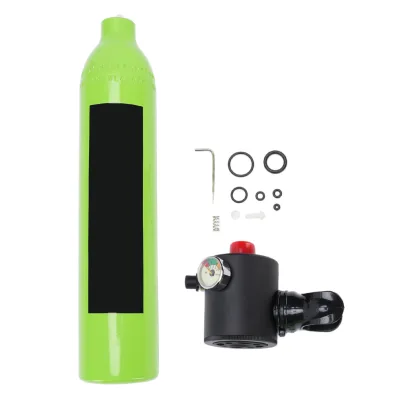
High Quality Scuba Breathing Tank Portable Scuba Tank Lung Mini Scuba Tank
$39.00 - $47.00
MOQ: 1 Pieces


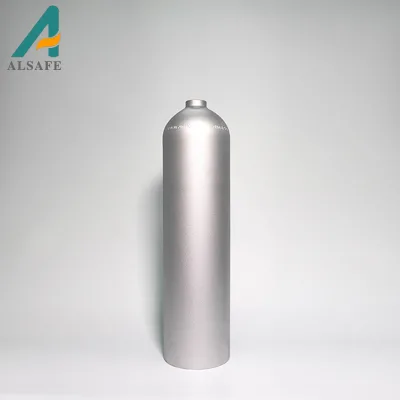
12L Scuba Tank Dive Tank Aluminium Breathing Air Compressor Scuba Tank
$30.00 - $150.00
MOQ: 100 Pieces



Comprehensive Sourcing Guide
Strategic Sourcing Guide for High-Pressure Scuba Cylinders
Understanding Technical Specifications and Material Composition
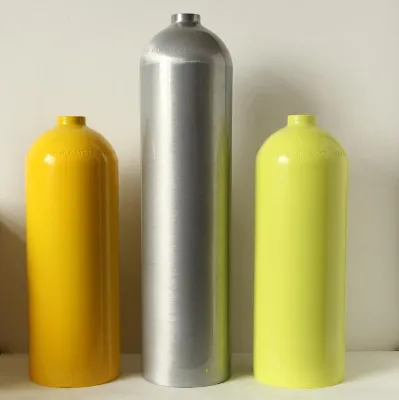
When sourcing scuba tanks, buyers must first distinguish between the fundamental material compositions and pressure ratings that define the product's utility and safety profile. The available market data indicates a clear segmentation based on material and capacity. The primary material observed in high-confidence product listings is alloy, specifically noted in the context of aluminum dive tanks. This material choice is critical for corrosion resistance and weight management, which are paramount for underwater operations. The product attributes explicitly identify "Aluminium Dive Tank" and "Carbon Fiber Cylinder" as distinct categories, suggesting that while aluminum is a prevalent option, composite materials like carbon fiber are also part of the supply landscape for high-performance applications.
The pressure specifications for these vessels are rigorous. The observed data confirms that these units are classified as High Pressure vessels, with a specific working pressure range defined as 10.0 MPa ≤ p < 100.0 MPa. In practical diving terms, this translates to a working pressure of 200 Bar, a standard for modern recreational and technical diving equipment. The data further specifies test pressures, with one observed configuration listing a test pressure of 30 MPa against a working pressure of 20 MPa. This 1.5x safety margin is a standard engineering practice for pressure vessels, ensuring the cylinder can withstand transient spikes without failure.
Capacity and physical dimensions vary significantly based on the intended dive profile. The product models range from small, portable units to larger storage vessels. Specific models listed include capacities of 3L, 7L, and 12L. For instance, a 3L model is noted with an outside diameter of 184mm and a height of 460mm, weighing approximately 10.1 kg. In contrast, a 12L model shares a similar diameter but increases in height to 705mm and weight to 14.6 kg. The wall thickness for these vessels is also a critical specification, with observed data indicating a thickness of 12.2 mm for specific high-pressure configurations. Buyers must verify that the water capacity and physical dimensions align with the logistics of their transport and the buoyancy requirements of their specific diving scenarios.
Compliance and Certification Verification
Compliance with international standards is non-negotiable in the procurement of pressure vessels. The supply chain data highlights several key manufacturing standards that serve as benchmarks for quality and safety. The observed products reference ISO7866, a standard specifically governing scuba diving cylinders. This standard is frequently cited alongside regional and national standards such as GB11640 (Chinese National Standard), EN1975 (European Standard), and DOT3AL (US Department of Transportation specification for aluminum cylinders).
When evaluating potential suppliers, buyers must verify that the manufacturer explicitly adheres to the relevant standard for their target market. For example, if the procurement is for the European market, EN1975 compliance is essential. For North American applications, DOT3AL is the primary regulatory requirement. The data also lists "ISO7866-2012" as a specific model or standard reference, indicating that the 2012 revision of the international standard is actively in use. It is crucial to understand that while a supplier may claim adherence to these standards, the actual certification status must be validated through documentation provided by the manufacturer.
The surface finish and processing methods also play a role in compliance. The observed data lists surface treatments such as Polish, Painting, or Sand Blast, often performed "as per requirements." These processes are not merely aesthetic; they are essential for preventing corrosion and ensuring the integrity of the pressure vessel over time. Buyers should confirm that the surface treatment process aligns with the requirements of the applicable standard, as improper finishing can compromise the vessel's lifespan and safety rating.
Cost Drivers and Pricing Dynamics
The pricing for scuba tanks in the observed market spans a wide range, from 2 USD to 5000 USD. This variance is not indicative of a single product type but rather reflects the diversity of the supply chain, which includes everything from small, specialized components to large, high-capacity storage pressure vessels. The lower end of the price spectrum likely corresponds to smaller capacity cylinders (e.g., 3L) or basic aluminum models, while the higher end likely encompasses carbon fiber cylinders, larger capacities (e.g., 12L), or specialized high-pressure configurations.
Several factors drive the cost of these vessels. The material composition is a primary driver; carbon fiber cylinders generally command a higher price than aluminum due to the cost of raw materials and the complexity of the winding process. The pressure rating is another significant factor; vessels rated for higher pressures require more rigorous testing and thicker or more advanced materials, increasing the manufacturing cost. Additionally, the level of customization available influences pricing. The data confirms that customization is accepted and available, which typically incurs additional costs for tooling, design, and production adjustments.
Packaging also contributes to the overall cost structure. The observed packaging methods include Nylon, Box, Transparent PP Bag, Carton and Pallet, and Carton Packing. For international shipping, robust packaging such as cartons on pallets is necessary to prevent damage during transit, which adds to the unit cost. Buyers should be aware that the "observed" price range is broad and that the final cost will depend heavily on the specific configuration, volume order, and shipping requirements.
Typical Applications and Usage Scenarios
The application data clearly identifies these vessels as "Diving Cylinder," "Scuba Tank," and "Oxygen Cylinder for Diving." The primary use case is recreational and technical scuba diving, where the vessel stores compressed breathing gas. The specific mention of "Gas" as an application attribute reinforces the role of these cylinders in delivering breathable air or specialized gas mixes to divers.
The capacity range of 3L to 12L suggests versatility in application. Smaller 3L cylinders are often used for emergency backup tanks, stage diving, or specific technical applications where a lightweight, compact air source is required. The 7L and 12L models are more typical for standard recreational diving, providing sufficient air supply for dives of moderate duration. The high-pressure rating of 200 Bar allows for a greater volume of gas to be stored in a relatively compact space, extending dive times without increasing the physical bulk of the tank.
Beyond recreational diving, the classification as a "Storage Pressure Vessel" suggests potential use in industrial or medical gas storage, although the specific keywords focus heavily on diving equipment. The "Refillable Dive Tank" attribute indicates that these are designed for multiple cycles of filling and use, rather than single-use applications. This durability is essential for commercial dive operators and training centers that require reliable, long-lasting equipment.
Supplier Evaluation and Origin Considerations
The origin of the products is a critical factor in supplier evaluation. The data indicates that the primary production location is China, with a specific mention of Shanghai as a manufacturing hub. This concentration of production in China often implies a mature supply chain with competitive pricing, but it also necessitates rigorous due diligence regarding quality control and logistics.
When evaluating suppliers, buyers should look for evidence of "Customization" capabilities. The data confirms that customization is accepted, which is a strong indicator of a supplier's flexibility and technical competence. A supplier that can accommodate specific thread requirements, such as G3/4, 3/4-14npsm, or other custom specifications, demonstrates a higher level of engineering capability. The ability to tailor the surface finish, such as sand blasting or painting, further indicates a supplier that can meet diverse client needs.
The Minimum Order Quantity (MOQ) observed ranges from 1 to 500 units. This wide range suggests that the market accommodates both small-scale buyers and large industrial purchasers. Buyers should verify the MOQ requirements early in the sourcing process to ensure alignment with their inventory needs. A supplier with a low MOQ may be more suitable for testing new products or for smaller dive shops, while a supplier with a higher MOQ may offer better economies of scale for large-scale procurement.
Quality Control and Long-Term Procurement Strategy
Quality control in the manufacturing of pressure vessels is paramount. The data highlights specific physical attributes such as wall thickness, weight, and dimensions, which serve as quality benchmarks. For example, the consistency of the 12.2 mm wall thickness and the specific weight of 10.1 kg for the 3L model are indicators of precise manufacturing tolerances. Buyers should request test reports and certification documents to verify that these specifications are met consistently across production batches.
Long-term procurement considerations should focus on the lifecycle of the cylinder. The "New" condition of the products suggests that the market is focused on fresh manufacturing, but buyers must also consider the inspection and re-certification requirements that apply to pressure vessels over time. The high-pressure nature of these tanks means they are subject to periodic hydrostatic testing and visual inspections to ensure continued safety.
Sourcing a supplier that offers reliable after-sales support and access to replacement parts, such as valves and regulators, is essential for maintaining a fleet of diving equipment. The availability of customization and the ability to specify thread types and surface finishes can also impact the long-term compatibility of the tanks with existing equipment. By selecting a supplier with a strong track record of compliance with standards like ISO7866 and DOT3AL, buyers can mitigate the risks associated with equipment failure and ensure the safety of their diving operations.
Comparative Analysis of Product Attributes
To assist in the decision-making process, the following table summarizes the key attributes observed in the product data, highlighting the variations in capacity, pressure, and physical dimensions.
| Attribute | Model A (3L) | Model B (7L) | Model C (12L) |
|---|---|---|---|
| Water Capacity | 3L | 7L | 12L |
| Working Pressure | 20 MPa | 200 Bar | 200 Bar |
| Test Pressure | 30 MPa | N/A | N/A |
| Outside Diameter | 184mm | N/A | N/A |
| Height | 460mm | N/A | 705mm |
| Weight | 10.1kg | N/A | 14.6kg |
| Wall Thickness | 12.2mm | N/A | N/A |
| Material | Alloy | Alloy | Alloy |
| Standard | ISO7866 | ISO7866 | ISO7866 |
| Thread | G3/4, 3/4-14npsm | G3/4, 3/4-14npsm | G3/4, 3/4-14npsm |
This comparison illustrates the trade-offs between capacity and physical size. As the water capacity increases from 3L to 12L, the height and weight of the cylinder increase significantly, while the diameter remains constant. This consistency in diameter suggests a standardized manufacturing approach, which can simplify logistics and storage. Buyers should select the model that best balances the required air supply with the physical constraints of their diving gear and transport methods.
In conclusion, sourcing scuba tanks requires a meticulous approach that balances technical specifications, regulatory compliance, and supplier capabilities. By focusing on the observed data regarding pressure ratings, material composition, and standard adherence, buyers can make informed decisions that ensure safety and performance in their diving operations. The availability of customization and the range of capacities provide flexibility, but the ultimate success of the procurement depends on rigorous quality control and verification of the supplier's adherence to international standards.
FAQs
What is the working pressure for these scuba tanks?
The working pressure is 200 Bar, which falls within the high-pressure range of 10.0 MPa to 100.0 MPa. This rating ensures safety for modern recreational and technical diving operations requiring reliable gas storage.
Which materials are used to manufacture these cylinders?
The cylinders are primarily constructed from alloy, specifically aluminum, though carbon fiber options are also available. This material selection provides necessary corrosion resistance and optimal weight management for underwater applications.
Can these tanks be customized for specific requirements?
Yes, customization is accepted and available for various specifications. Buyers can request specific thread types like G3/4, surface finishes such as sand blasting, and tailored water capacities ranging from 3L to 12L.
How large are the different Scuba Tank models available?
Available models include capacities of 3L, 7L, and 12L with varying dimensions. For instance, the 3L model measures 460mm in height while the 12L model reaches 705mm, accommodating different dive profiles.
What standards do these pressure vessels comply with?
These vessels comply with international standards including ISO7866, GB11640, EN1975, and DOT3AL. Compliance ensures the cylinders meet rigorous safety and manufacturing benchmarks required for global diving equipment markets.
Where are these scuba tanks manufactured and shipped from?
The products originate from China, with specific manufacturing hubs located in Shanghai. This location supports a mature supply chain capable of producing new, high-pressure storage vessels for international distribution.