Source Sea Fishing Barbed Jig Fishhooks for Bass, Snapper, and Sea Bass
Compare 30 listings of Sea Fishing Barbed Jig Fishhooks designed for species like Bass, Snapper, and Sea Bass. Buyers can evaluate options made from high carbon steel with various sizes and barbed hook types for freshwater and saltwater applications.
Key considerations
Products List
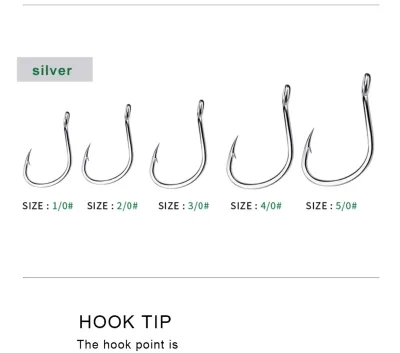
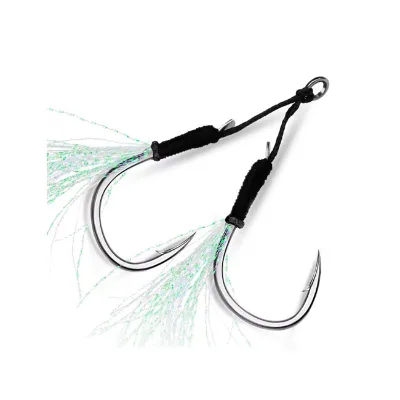
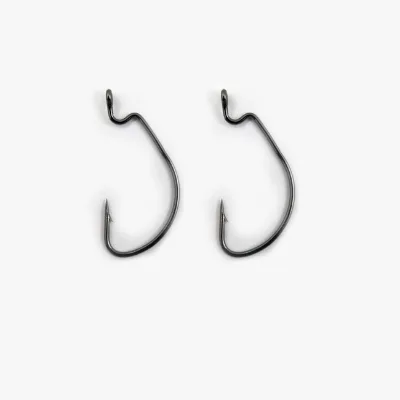
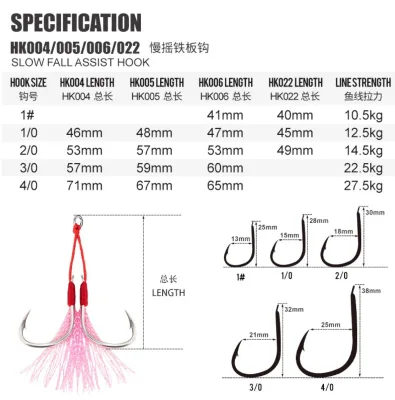
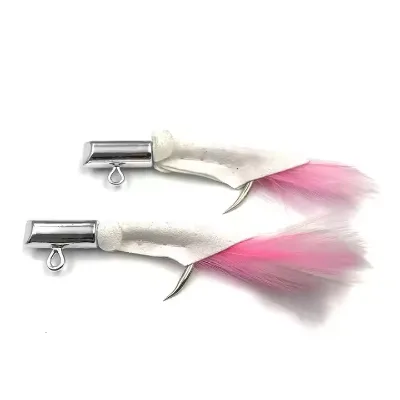
Feather Lead Jig Hook Jigging Shark Deerskin Tuna Hooks Without Barb Fishing Lure
$1.70 - $1.90
MOQ: 1000 Minimum
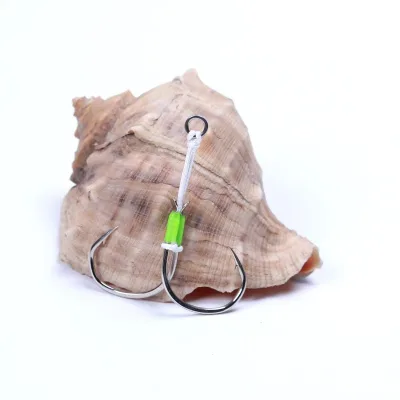
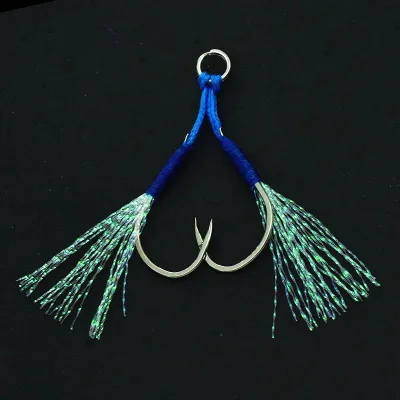
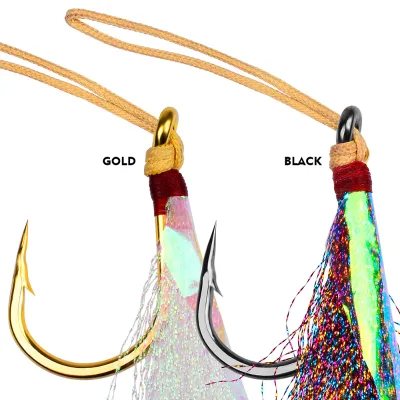
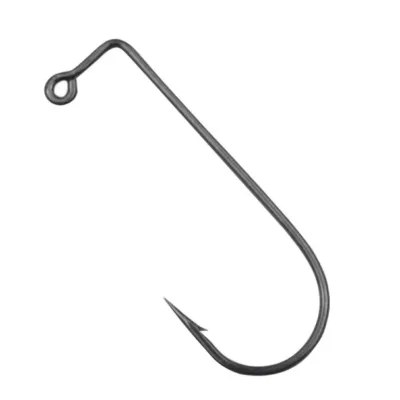
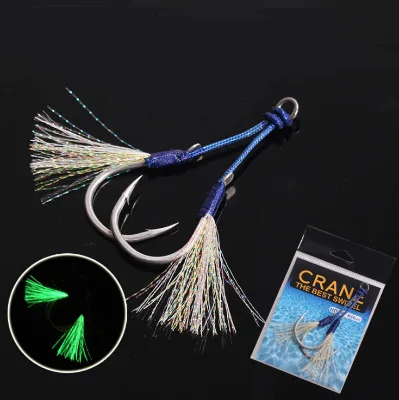
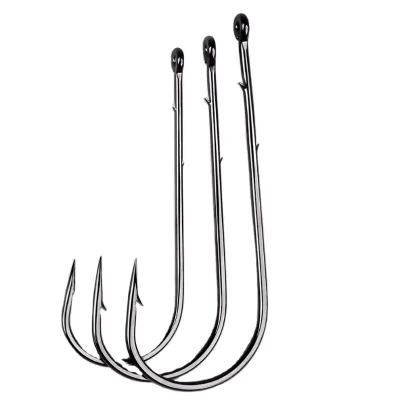


Jig Head Hooks Aberdeen Short Shank Sea Fishing Hooks Carp Fishing Hooks
$0.01 - $0.01
MOQ: 30000 Pieces

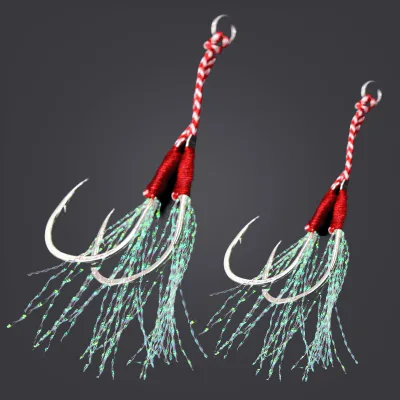


High Carbon Steel Eyed Fishing Jigging Hook Bright Tin Coating Sea Fishing Tackle
$0.11 - $0.23
MOQ: 5000 Pieces


Comprehensive Sourcing Guide
Strategic Sourcing Guide for Sea Fishing Barbed Jig Fishhooks
Understanding Product Specifications and Material Integrity
When sourcing Sea Fishing Barbed Jig Fishhooks, the primary objective is to identify components that balance tensile strength with the sharpness required for deep-water penetration. The market offers a diverse array of configurations, but the core technical specifications for high-performance units consistently revolve around material composition and dimensional accuracy. Based on available product data, the dominant material for these hooks is High Carbon Steel. This material choice is critical for saltwater environments where corrosion resistance and structural integrity are paramount. The supply chain typically features hooks constructed from this specific alloy, ensuring that the metal can withstand the immense pressure and force exerted by large target species such as Bass, Snapper, Sea Bass, Steelhead, and Tilapia.
Dimensional specifications vary significantly across different product listings, reflecting the diverse needs of anglers targeting different species and depths. Buyers will encounter size ranges expressed in both numerical and "0" (zero) formats. Common numerical sizes observed include 1#, 2#, 3#, 11#, 13#, 15#, 16#, 17#, 18#, 19#, and 20#. Conversely, the "0" sizing system, often used for larger saltwater applications, ranges from 1/0# up to 5/0#. This variation indicates that a single supplier may not stock every size, necessitating a broad search to find a vendor capable of fulfilling specific size requirements for a particular fishing technique. The "0" sizing system generally correlates with larger hook gapes and shank lengths, suitable for larger prey, while the numerical system often denotes smaller, more delicate presentations.
The physical attributes of the hook, including the barb design and shank length, are equally vital. The product category is explicitly defined as "Barbed Hooks," a feature essential for maintaining a secure hold on slippery marine life. The application scope extends to specific techniques such as jigging, general fishing, and squid jiggering. Some listings specifically identify the product as an "Assist Hook" or "Metal Jig Double Fishing Assist Hook," which suggests a specialized design often used in conjunction with lures to improve hook-up ratios. The color options available, ranging from Black, Light Grey, and Blue to "As picture shown" or "optional," play a role in the hook's visibility and effectiveness in different water clarity conditions. Buyers must verify that the specific color and finish align with the intended target species' behavior and the lighting conditions of the fishing location.
Compliance, Certification, and Safety Standards
In the realm of B2B procurement for fishing tackle, compliance and certification are often areas where buyers must exercise caution due to the lack of universal mandatory standards for individual hooks. While the provided data confirms that suppliers offer "TOP quality" products and accept OEM packing, it does not explicitly list specific international certifications such as ISO 9001 or specific material safety data sheets (MSDS) for the high carbon steel used. Consequently, buyers should not assume that a product listing implies compliance with a specific regulatory framework unless explicitly stated in the supplier's documentation.
The absence of listed certification status in the observed data underscores the need for rigorous due diligence. Buyers should request proof of material composition and quality control protocols directly from the supplier. For sea fishing applications, the integrity of the steel is a safety issue for both the equipment and the user; a hook failure during a catch can result in lost gear or injury. Therefore, the procurement strategy must include a verification step where the buyer asks for third-party test results or internal quality assurance reports that validate the tensile strength and corrosion resistance claims.
Furthermore, while the data mentions "High Carbon Steel Material" and "High Carbon Steel," it does not specify the exact alloy grade or the presence of specific coatings (such as nickel or black oxide) that might be required for specific environmental regulations in the buyer's destination country. In some markets, heavy metal content in coatings is regulated. Buyers must verify that the "Black" or "Blue" finishes used on the hooks do not violate local environmental or safety standards regarding heavy metals. The "Acceptable" OEM status indicates that customization is possible, which opens the door for buyers to specify materials and coatings that meet their specific compliance requirements, but this requires clear communication and contractual agreements regarding material specifications.
Cost Drivers and Pricing Dynamics
The pricing structure for Sea Fishing Barbed Jig Fishhooks is influenced by several key variables, including material costs, order volume, and packaging requirements. The observed listed price range in the market spans from 0 to 70 USD, though this wide range likely reflects the difference between single-item retail prices and bulk wholesale rates, or potentially different product tiers. The Minimum Order Quantity (MOQ) is a significant cost driver, with observed ranges spanning from 10 to 30,000 units. A specific listing indicates an MOQ of 100 bags, while others specify 100 pieces or 1000 pieces.
Understanding the relationship between MOQ and unit price is essential for budgeting. Suppliers often offer tiered pricing where the cost per unit decreases as the order volume increases. For a buyer looking to source 10,000 units, the unit price will likely be significantly lower than for a buyer purchasing 100 units. The "Fast" delivery lead time mentioned in the data suggests that expedited shipping or priority production slots may carry a premium, affecting the final landed cost. Additionally, the packaging method is a cost factor; options such as "10pcs /bag" or "accept oem packing" imply that custom packaging solutions may incur additional setup or material costs.
The weight of the product also influences logistics costs. The single gross weight varies from 0.010 kg to 0.100 kg depending on the specific hook model and size. For large orders, these weight differences accumulate, impacting freight charges. Buyers should calculate the total landed cost, which includes the unit price, packaging fees, and shipping costs based on the single package size (ranging from 10x10x10 cm to 30x5x5 cm). The "Ships From: China" attribute indicates that international shipping and potential import duties must be factored into the financial analysis.
Typical Applications and Target Species Alignment
The versatility of Sea Fishing Barbed Jig Fishhooks is demonstrated by their application across various fishing environments and target species. The data confirms that these hooks are suitable for both Freshwater Fishing and Saltwater Fishing, making them a versatile option for suppliers targeting a broad market. However, the specific design nuances often align with particular species. For instance, the "Type: Squid Jigger Fishing Hook" suggests a specialized design optimized for cephalopod fishing, which requires different hook geometry compared to hooks designed for larger predatory fish like Snapper or Sea Bass.
The target species list includes Bass, Snapper, Shrimp, Sea Bass, Steelhead, and Tilapia. This diversity implies that the hook designs must accommodate varying mouth structures and fighting behaviors. A hook designed for Shrimp might be smaller and more delicate, whereas a hook for Sea Bass or Snapper would require a larger gape and stronger steel to prevent bending or breaking. The "Position" attribute, which includes "STREAM, River, Lake, Ocean Beach Fishing, Saltwater Fishing," further highlights the adaptability of these products. Buyers should match the hook size and strength to the specific target species they intend to catch. For example, the 1/0# to 5/0# sizes are likely better suited for larger saltwater predators, while the 1# to 3# sizes might be more appropriate for smaller species or freshwater applications.
The application also extends to specific techniques like "jigging hook" and "general fishing." Jigging involves a vertical retrieval motion, which places unique stress on the hook point and barb. The "Super Strong" and "Durable" features listed in the product attributes are critical for withstanding the dynamic loads of jigging. Buyers should ensure that the hooks they select are not only strong but also maintain their sharpness after repeated use in abrasive saltwater environments. The "Metal Jig Double Fishing Assist Hook" indicates a dual-hook setup, which is a specialized application designed to increase the probability of a catch by offering two points of engagement.
Supplier Evaluation and Operational Capabilities
Evaluating a supplier for Sea Fishing Barbed Jig Fishhooks requires a focus on their operational capabilities, flexibility, and track record. The data indicates that suppliers are located in China and offer "Fast" delivery, which is a positive indicator for supply chain responsiveness. However, the "Fast" designation is qualitative and should be verified with specific lead time estimates for the buyer's specific order volume. The ability to handle a wide range of MOQs, from 10 to 30,000 units, suggests that suppliers are capable of serving both small-scale retailers and large distributors.
A critical aspect of supplier evaluation is their willingness to accommodate OEM requests. The data confirms that "OEM: Acceptable" and "Package: accept oem packing" are standard offerings. This flexibility allows buyers to brand the products with their own logos and packaging designs, which is essential for building a distinct market presence. Buyers should assess the supplier's capacity for custom branding, including the ability to produce custom colors (Black, Light Grey, Blue, or optional) and custom packaging sizes.
The "Sample: Avaiable" and "Sample: Yes" attributes indicate that suppliers are willing to provide product samples for quality verification. This is a crucial step in the supplier evaluation process. Buyers should request samples of the specific hook sizes and models they intend to purchase to test the material quality, sharpness, and barb integrity firsthand. The availability of samples also suggests that the supplier is confident in their product quality, as they are willing to risk the cost of sending samples to potential buyers.
Quality Control and Long-Term Procurement Strategies
Ensuring consistent quality in the procurement of fishing hooks requires a robust quality control (QC) strategy. The "TOP quality" claim in the product data is a marketing assertion that must be validated through rigorous testing. Buyers should implement a QC protocol that includes random sampling of incoming shipments to check for defects such as bent hooks, dull points, or inconsistent barb placement. The "High Carbon Steel" material should be verified for consistency in hardness and tensile strength, as variations in the steel alloy can lead to premature failure.
Long-term procurement considerations involve building a relationship with a supplier who can provide consistent quality over time. The "Model Number" variations (e.g., 7384, BST-0228, 39960) suggest that suppliers have a range of SKUs, and buyers should ensure that the specific models they select remain in production and are not subject to frequent discontinuation. The "Number of Items: 1" attribute indicates that the hooks are often sold individually or in small units, which simplifies inventory management but requires careful tracking of stock levels.
To mitigate risks, buyers should consider diversifying their supplier base to avoid dependency on a single source. Given the "Ships From: China" attribute, supply chain disruptions such as port delays or geopolitical issues could impact delivery times. Establishing a backup supplier or maintaining a safety stock of critical hook sizes can help mitigate these risks. Additionally, buyers should negotiate clear terms regarding quality guarantees and return policies for defective products. The "Feature: Super Strong" and "Feature: Durable" claims should be backed by a warranty or guarantee that addresses product failure under normal fishing conditions.
Comparative Analysis of Hook Configurations
To assist buyers in making informed decisions, the following table compares key attributes of the observed hook configurations based on the provided data. This comparison highlights the variations in size, material, and application that buyers must consider when selecting the right product for their needs.
| Attribute | Configuration A (General Saltwater) | Configuration B (Jigging/Squid) | Configuration C (Assist Hook) |
|---|---|---|---|
| Model Number | 7384 / BST-0228 | 39960 | Metal Jig Double |
| Size Range | 1/0# - 5/0# | 11# - 20# | 1# - 4/0 |
| Material | High Carbon Steel | High Carbon Steel, Lead | High Carbon Steel |
| Target Species | Bass, Snapper, Sea Bass | Squid, Shrimp | General Saltwater/Freshwater |
| Application | Jigging, General Fishing | Squid Jiggering | Assist Hook |
| Barb Type | Barbed Hooks | Barbed Hooks | Barbed Hooks |
| Color Options | Black, Light Grey, Blue | As picture shown | Optional |
| MOQ | 100 bags | 1000 pcs | 100 pcs |
| Single Weight | 0.100 kg | 0.070 kg | 0.010 kg |
This comparison illustrates that while the core material remains consistent, the specific application and target species dictate the choice of model number, size, and additional components like lead weights. Buyers must align their procurement strategy with the specific fishing techniques and species they intend to target, ensuring that the selected hooks meet the performance requirements of their intended use. By carefully evaluating these attributes, buyers can secure a reliable supply of high-quality Sea Fishing Barbed Jig Fishhooks that meet their operational and commercial needs.
FAQs
What material is used for Sea Fishing Barbed Jig Fishhooks?
The hooks are constructed from high carbon steel to ensure durability and strength in saltwater environments. This material choice supports the structural integrity required for catching large species like Bass and Snapper while resisting corrosion.
Which sizes are available for these fishing hooks?
Available sizes range from 1/0# to 5/0# and include numerical sizes like 11# through 20#. Buyers must verify specific listings as size availability varies by model number and intended target species.
Can I order custom packaging for these fishing hooks?
Yes, suppliers accept OEM packing and allow for customization of packaging designs. This option enables buyers to brand the products with their own logos while maintaining the standard 10 pieces per bag configuration.
How does the minimum order quantity affect sourcing?
Minimum order quantities vary significantly, ranging from 100 pieces to 30,000 units depending on the supplier. Buyers should check specific listings for MOQs of 100 bags or 1000 pieces to align with their budget.
Where do these fishing hooks ship from?
The products ship from China to international destinations. Buyers should factor in international shipping costs and potential import duties when calculating the total landed cost for these high carbon steel hooks.
What target species are these hooks designed for?
These hooks are suitable for catching Bass, Snapper, Sea Bass, Steelhead, and Tilapia. The design supports both freshwater and saltwater fishing techniques including jigging and general fishing applications.