Source Turmeric Whitening Vitamin C Serum for Face, Eyes, and Neck
Find 30 Turmeric Whitening Vitamin C Serum options for face, eye, and neck care. Compare OEM/ODM suppliers offering anti-aging, moisturizing, and brightening formulas with customizable packaging and certifications like FDA and GMP; compare the available evidence and request quotations based on your requirements.
Key considerations
Products List


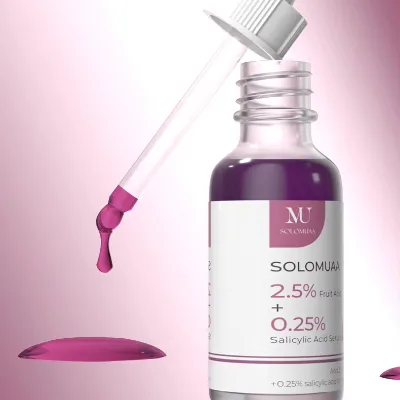
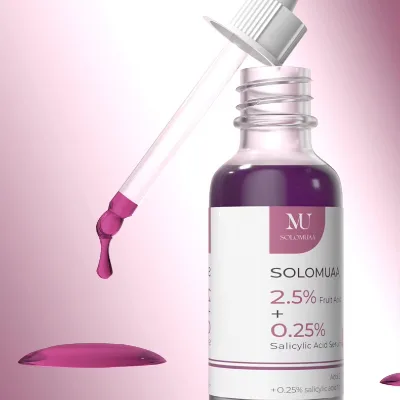
Wholesale Face Antioxidant Serum Moisturizing Whitening Vitamin C Serum
$1.50 - $2.30
MOQ: 1000 Pieces

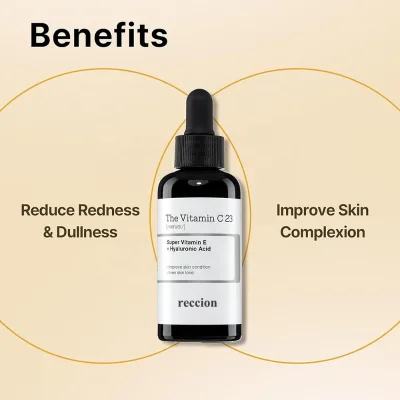
High Quality Sale of Anti-Wrinkle Smoothing and Firming Vitamin C Serum
$2.60 - $3.50
MOQ: 1000 Pieces


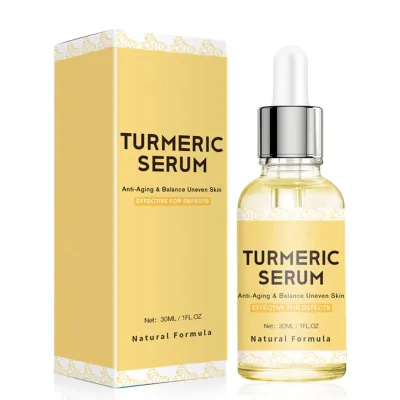
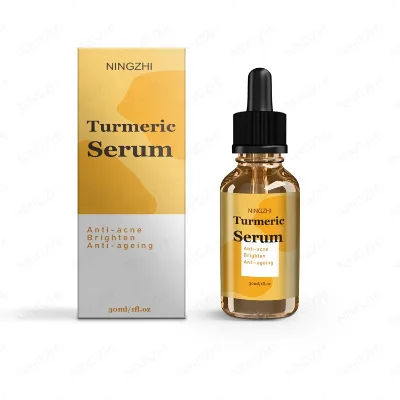
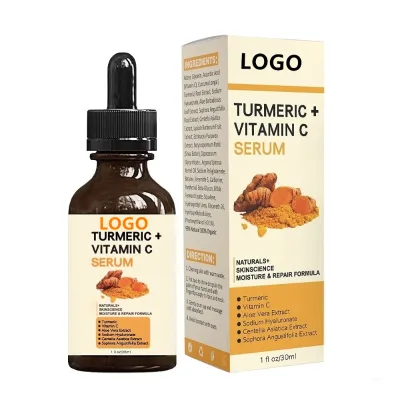
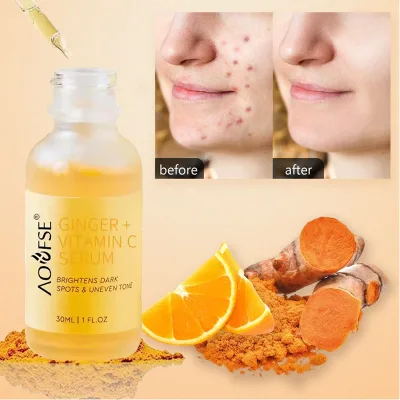
Beauty Cosmetics Skin Care Moisturizer Repair Skin Turmeric Vitamin C Serum
$2.00 - $2.85
MOQ: 100 Pieces








Comprehensive Sourcing Guide
Turmeric Whitening Vitamin C Serum Sourcing Guide
Buyers evaluating this category must first distinguish between general face serums and specific formulations targeting pigmentation and brightening. The observed product data confirms that Turmeric Vitamin C Serum is a distinct variant within the broader skin care landscape, often paired with active ingredients like Hyaluronic Acid and Vitamin C to enhance efficacy. Procurement teams should verify that the specific listing explicitly mentions these core actives rather than relying on generic "whitening" claims, as the ingredient profile directly impacts the product's ability to address dark circles and uneven skin tone.
Commercial listings indicate a wide variance in packaging and customization options, ranging from standard glass bottles to fully private-label solutions. Sourcing decisions should prioritize suppliers who offer flexible volume configurations, such as the observed 30ml or 60ml options, to align with brand positioning. It is critical to confirm whether the "Turmeric" designation refers to a primary active ingredient or a marketing descriptor, ensuring the final product matches the intended therapeutic profile for adult consumers seeking anti-aging and lightening benefits.
Product Scope and Observed Listing Signals
The market signals for this product category reveal a strong emphasis on multi-functional benefits, including anti-aging, firming, and skin revitalization. Listings frequently combine Turmeric with other potent agents like Dead Sea Salt, Emu oil, and Green Tea, suggesting a formulation strategy that targets multiple skin concerns simultaneously. Buyers must carefully review the "Main Ingredient" field to ensure the specific serum contains the claimed Turmeric extract, as some generic listings may only feature Vitamin C or Collagen without the specific botanical component required for the intended whitening effect.
Observations show that the target demographic is primarily female adults, with some products extending to all ages depending on the formulation. The "Use" attribute often specifies application on the face, eyes, or neck, indicating that the product scope extends beyond simple facial moisturization to include targeted treatment for dark circles and fine lines. Procurement teams should verify if the product is designed for night use only or if it includes sunscreen properties, as this dictates the usage instructions and potential regulatory classification in different markets.
Technical Specifications to Verify
Technical due diligence requires a rigorous check of the product model and size specifications to ensure consistency across the supply chain. The data indicates models such as SH53, LD, and generic 30ml or 60ml variants, each potentially carrying different formulation ratios or packaging standards. Buyers must confirm that the selected model number corresponds to the exact concentration of active ingredients, particularly the Vitamin C and Turmeric blend, to avoid receiving a diluted version that fails to meet performance expectations for whitening and anti-wrinkle claims.
Packaging integrity is another critical technical parameter, with observed options ranging from custom boxes to standard glass bottles and express packaging. The physical specifications, such as the 464615mm dimensions noted in some listings, influence logistics costs and shelf presentation. Sourcing teams should validate that the chosen packaging material protects light-sensitive ingredients like Vitamin C from degradation, ensuring the product remains stable and effective throughout the intended shelf life and distribution journey.
Compliance and Safety Documentation
Regulatory compliance is paramount for skin care products, with observed certifications including FDA, GMP, CE, and MSDS documentation. Buyers must request current certificates for the specific Turmeric Vitamin C Serum model to verify that the manufacturing facility adheres to Good Manufacturing Practices and that the product meets safety standards for export. The presence of these certifications suggests a baseline of quality control, but procurement teams should ensure the documentation is valid for the destination market and covers the specific formulation ingredients listed.
Safety data sheets (MSDS) are essential for understanding the chemical composition and handling requirements of the serum. Since the product contains active ingredients like AHAs and various botanical extracts, verifying the MSDS ensures that the formulation does not contain prohibited substances in the target region. Buyers should also confirm that the product information aligns with local labeling laws, particularly regarding the declaration of all active and inactive ingredients to prevent regulatory hurdles at customs or retail entry points.
Cost Drivers and Commercial Terms
Pricing in this category is influenced by the complexity of the formulation and the level of customization required, with observed ranges spanning from $0.53 to $30 per unit. The cost structure often reflects the inclusion of premium ingredients like Pearl, Shea Butter, or high-grade Vitamin C, alongside the expenses associated with OEM or ODM private label services. Buyers should analyze the price-to-value ratio carefully, ensuring that lower-cost options do not compromise the concentration of active ingredients or the quality of the packaging materials.
Minimum Order Quantities (MOQ) vary significantly, with observed thresholds ranging from 100 pieces to 10,000 pieces depending on the supplier and customization level. High MOQs typically correlate with lower unit costs but require greater capital commitment and inventory management. Procurement teams must negotiate terms that balance cost efficiency with cash flow, potentially starting with lower MOQ trials to validate product quality before scaling up to larger production runs that leverage economies of scale.
Supplier Qualification and Quality Control
Supplier qualification should focus on verifying the "Professional High" quality claims through third-party testing and facility audits. The data indicates that many suppliers offer OEM, ODM, and private label services, which requires a robust quality assurance framework to maintain brand consistency. Buyers must assess the supplier's ability to replicate the specific Turmeric and Vitamin C formulation accurately, ensuring that batch-to-batch consistency is maintained for critical attributes like texture, scent, and active ingredient potency.
Quality control protocols must extend beyond the final product to include raw material sourcing and manufacturing processes. Given the natural origin of ingredients like Turmeric and Aloe Vera, suppliers should provide evidence of purity testing and contamination checks. Procurement teams should establish clear acceptance criteria for visual defects, packaging integrity, and label accuracy, ensuring that the final delivered goods meet the specified standards for the "Face Serum" or "Skin Care Set" categories.
Long-Term Procurement Checks
Sustainable sourcing requires ongoing monitoring of ingredient availability and supply chain stability for key components like Turmeric and Vitamin C. Market fluctuations in agricultural commodities can impact both cost and formulation consistency, necessitating a strategic approach to inventory management and supplier relationships. Buyers should develop contingency plans for potential supply disruptions, ensuring that alternative formulations or backup suppliers are identified to maintain business continuity without compromising product quality.
Long-term success also depends on adapting to evolving consumer preferences and regulatory landscapes in the skin care industry. As the demand for natural and effective anti-aging solutions grows, procurement teams must stay informed about new ingredient trends and safety standards. Regular reviews of supplier performance, product efficacy, and market feedback will help refine the sourcing strategy, ensuring that the Turmeric Vitamin C Serum remains a competitive and compliant offering in the global market.
FAQs
What are the main ingredients in this serum?
The serum typically contains active ingredients such as Vitamin C, Hyaluronic Acid, and Turmeric. Some formulations also include plant extracts, collagen, and Dead Sea Salt. These components work together to provide moisturizing, whitening, and anti-aging benefits for the skin.
Can I customize the packaging for this product?
Yes, customization is available for this serum. Buyers can choose from options like glass bottles, boxes, or express packaging. The product size can be customized, with standard options including 30ml or 60ml volumes to suit specific branding or market requirements.
What certifications does the manufacturer hold?
The manufacturer holds several key certifications including FDA, GMP, CE, and MSDS. These credentials ensure that the production processes and final products meet international safety and quality standards, providing assurance for buyers sourcing skincare products from China.
What is the minimum order quantity for this serum?
The minimum order quantity varies by supplier, typically ranging from 100 to 10,000 pieces. Some listings specify an MOQ of 100 pieces or 1,000 pieces. Buyers should check specific supplier requirements to determine the exact minimum order for their needs.
What are the primary skin benefits of this serum?
This serum offers multiple benefits including anti-aging, anti-wrinkle, moisturizing, and whitening effects. It helps reduce dark circles, firm the skin, and act as a skin revitalizer. The formula is designed to nourish and improve overall skin texture and appearance.
Where is this serum manufactured?
The serum is manufactured in China, with specific production often located in Guangzhou. Buyers can source these products directly from Chinese suppliers who offer OEM and ODM services, allowing for private labeling and custom formulation based on client specifications.