Source Seamless Fusing Baseball Cotton-Padded Coat for Daily Wear, Business, Festive
Compare 30 listings for Seamless Fusing Baseball Cotton-Padded Coat options featuring breathable and windproof designs. Buyers can evaluate materials like polyester and cotton, customization services, and seasonal suitability for winter or spring wear.
Key considerations
Products List
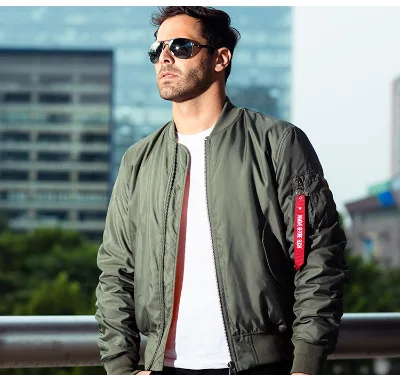


Autumn Winter Color Matching Baseball Jacket Warm Comfy Casual Daily Uniform
$15.60 - $28.90
MOQ: 100 Sets


Loose Fit Baseball Jacket 2026 - New Color Contrast, Printed Cotton-Padded
$6.99 - $15.99
MOQ: 100 Piece


Color Contrast Printed Jacket - 2026 New Loose Baseball, Cotton-Padded Style
$6.99 - $15.99
MOQ: 100 Piece


New 2026 Loose Baseball Jacket - Color Contrast, Printed Cotton-Padded Design
$6.99 - $15.99
MOQ: 100 Piece


Unisex Sportswear Custom Starry Cotton Casual Autumn Baseball Varsity Jacket
$9.50 - $10.56
MOQ: 10 Pieces


Breathable Cotton Blend Men's Varsity Jacket Baseball Coat Lightweight Design
$3.50 - $18.00
MOQ: 50 Pieces

Men's Cotton Blend Baseball Jacket Spring Varsity Coat Lightweight Breathable
$3.50 - $18.00
MOQ: 50 Pieces

Men's Cotton Blend Varsity Jacket Baseball Coat Athletic Uniform Team Wear
$3.50 - $18.00
MOQ: 50 Pieces

Factory Price Black White Embroidered Oversized Casual Coat Varsity Baseball Jacket
$11.78 - $13.16
MOQ: 100 Pieces

Hot Sale Coat Cardigan Men's Women's Color Blocked Embroidered Baseball Jacket
$7.77 - $8.69
MOQ: 120 Pieces


Comprehensive Sourcing Guide
Seamless Fusing Baseball Cotton-Padded Coat Sourcing Guide
Sourcing a Seamless Fusing Baseball Cotton-Padded Coat requires a nuanced understanding of both the construction methodology and the specific material blends that define this garment category. The term "seamless fusing" refers to a manufacturing technique where fabric layers are bonded using heat and pressure rather than traditional stitching, which can enhance durability and reduce bulk. However, market listings often present a complex mix of attributes, including varying material compositions such as polyester-cotton blends, pure polyester, or even faux mink fur, which may not align with a strict "cotton" definition. Buyers must carefully distinguish between coats that genuinely utilize cotton padding or outer shells and those that use synthetic alternatives while maintaining the aesthetic of a classic baseball jacket. The observed market data indicates a wide variance in product specifications, with some items labeled as jackets featuring rip-stop and breathable features, while others are described as coats with windproof and dust-proof capabilities. This diversity necessitates a rigorous verification process to ensure the final product meets the intended functional and aesthetic requirements.
The procurement landscape for these garments is characterized by significant variability in origin, customization options, and minimum order quantities (MOQ). Most suppliers are located in China, with specific mentions of Hubei and Yiwu as key production hubs. The supply type is predominantly OEM service, allowing for extensive customization including logos, labels, and tags, which is critical for brand differentiation. However, the MOQs vary drastically, ranging from as low as 1 piece for samples to 1000 pieces for bulk orders, with some specific models requiring a minimum of 300 pieces. This disparity means that buyers must align their order volume with supplier capabilities early in the negotiation phase. Furthermore, the observed price range of $3.5 to $49 USD suggests a broad spectrum of quality tiers, from basic promotional items to higher-end fashion pieces. Understanding these commercial dynamics is essential for budgeting and ensuring that the selected supplier can meet both the financial and logistical constraints of the procurement project.
Product Scope and Observed Listing Signals
The product scope for seamless fusing baseball coats encompasses a variety of styles, including short-length coats and jackets designed for winter, spring, or autumn wear. Observed listings indicate that these garments are primarily targeted at adult users, with a unisex appeal, though some specific models are explicitly marketed toward women. The color palette is diverse, featuring options such as black, blue, red, green, and light blue, allowing for versatile styling choices. The construction techniques observed include woven fabrics and digital printing methods, which contribute to the visual appeal and branding potential of the final product. It is important to note that while the core keyword emphasizes "cotton," many observed products utilize polyester or polyester-cotton blends, and some even feature faux mink fur materials. This discrepancy highlights the need for buyers to verify the exact material composition rather than relying solely on the product title or general category description.
Listing signals also reveal significant variations in product features and specifications. Some items are highlighted for their breathability and rip-stop properties, making them suitable for active or outdoor use, while others emphasize windproof and dust-proof characteristics, aligning more with traditional winter coat functionality. The length of the garments is typically short, consistent with the classic baseball jacket silhouette, but the fit and sizing options vary from standard sizes (S to 4XL) to free-size options. Additionally, the observed models include specific product codes such as JMT-1039, JMT-1043, and T167, which can be used for precise identification and reordering. The packaging methods also differ, with some items shipped in cardboard boxes and others in bags, which can impact shipping costs and product protection. Buyers should pay close attention to these details to ensure that the product scope aligns with their specific market needs and customer expectations.
Technical Specifications to Verify
Verifying the technical specifications of seamless fusing baseball coats is crucial to ensure product quality and consistency. The material composition is a primary area of concern, as listings may mention polyester, cotton, or faux mink fur. Buyers should request detailed fabric composition reports to confirm the percentage of each material, especially if breathability or warmth is a key requirement. The weight of the fabric, indicated by standards such as 800-1200g, is another critical specification that affects the garment's durability and thermal properties. Additionally, the single gross weight of approximately 1.500 kg per package provides insight into the bulk and shipping volume, which is important for logistics planning. Buyers should also verify the care instructions, as machine washability is a desirable feature for consumer convenience, but may not be applicable to all materials, particularly those with faux fur components.
The construction details, including the seamless fusing process and printing methods, must be carefully evaluated. The use of digital printing allows for high-quality, detailed designs, but the durability of the print under washing and wear should be confirmed. The stitching or fusing quality should be inspected to ensure that the layers remain bonded and do not separate over time. Size consistency is another technical aspect that requires verification, as listings may offer a range of sizes from S to 4XL or free sizes. Buyers should request size charts and, if possible, sample garments to check for fit accuracy. The model numbers, such as JMT-1039 or T167, can serve as reference points for technical specifications, but buyers should not assume that all products under the same model number have identical features. Clear communication with the supplier regarding these technical details is essential to avoid discrepancies between the ordered product and the final delivery.
Compliance and Safety Documentation
Compliance and safety documentation are vital for ensuring that the sourced garments meet regulatory requirements in the target market. While specific certification statuses are not provided in the observed listings, buyers should proactively request relevant documentation from suppliers. This may include material safety data sheets (MSDS) for any chemicals used in the dyeing or fusing processes, particularly if the garments are intended for children or sensitive skin types. For products made from faux mink fur, buyers should verify that the materials are cruelty-free and comply with animal welfare regulations in their respective markets. Additionally, if the garments are marketed as breathable or windproof, buyers may need to request test reports that validate these performance claims, although such data is not always readily available from suppliers.
Labeling and care instructions must also be reviewed for compliance with local regulations. The observed listings mention custom labels and tags, which allows for brand-specific information but must also include mandatory care instructions and material composition details as required by law. Buyers should ensure that the care instructions, such as "machine washable," are accurate and tested, as incorrect care labels can lead to product damage and customer dissatisfaction. Furthermore, if the garments are intended for export, buyers should check for any import restrictions or labeling requirements specific to the destination country. Working with suppliers who are transparent about their compliance practices and willing to provide necessary documentation is essential for mitigating legal and reputational risks.
Cost Drivers and Commercial Terms
The cost of seamless fusing baseball coats is influenced by several key drivers, including material costs, customization requirements, and order volume. The observed price range of $3.5 to $49 USD reflects the variability in material quality and production complexity. Products made from pure cotton or high-quality blends will generally be more expensive than those made from polyester or faux fur. Customization options, such as custom logos, labels, and tags, can also add to the cost, as they require additional setup and production time. Buyers should negotiate clearly on the cost implications of each customization request to avoid unexpected expenses. Additionally, the MOQ plays a significant role in pricing, with lower MOQs often resulting in higher per-unit costs due to the fixed costs of production setup.
Commercial terms, including lead times and payment conditions, are also critical factors in the procurement process. The observed listings indicate a sample order lead time of 7 days, which is relatively quick and beneficial for rapid prototyping. However, bulk production lead times may vary, and buyers should confirm these timelines with the supplier to ensure they align with their launch schedules. Payment terms should be negotiated to balance risk and cash flow, with common options including partial upfront payments and balance upon shipment. Buyers should also consider the shipping costs and packaging methods, as items packed in cardboard boxes may incur higher shipping fees than those in bags. Clear communication regarding all commercial terms is essential to establish a mutually beneficial partnership and avoid disputes.
Supplier Qualification and Quality Control
Qualifying suppliers for seamless fusing baseball coats requires a thorough assessment of their capabilities and reliability. Buyers should verify the supplier's location, with Hubei and Yiwu in China being common origins, and assess their experience in producing similar garments. The availability of OEM services and customization options is a positive indicator of a supplier's flexibility and customer focus. Buyers should also request references or case studies from previous clients to gauge the supplier's track record. Additionally, the supplier's ability to provide samples is a crucial step in the qualification process, as it allows buyers to evaluate the product quality firsthand. The observed support for sample orders with a 7-day lead time is a favorable sign, indicating that the supplier is responsive and efficient.
Quality control measures should be established to ensure that the final products meet the agreed-upon specifications. Buyers should implement a pre-production sample approval process to verify materials, construction, and design before bulk production begins. During production, regular quality checks should be conducted to monitor consistency and identify any defects early. A final random inspection of the finished goods is also recommended to ensure that the products meet the required standards before shipment. Buyers should clearly communicate their quality expectations to the supplier and include quality control clauses in the contract. By establishing robust quality control procedures, buyers can minimize the risk of receiving substandard products and maintain customer satisfaction.
Long-Term Procurement Checks
Long-term procurement checks are essential for maintaining a successful and sustainable supply chain for seamless fusing baseball coats. Buyers should regularly review supplier performance metrics, including on-time delivery rates, product quality consistency, and responsiveness to issues. Establishing a periodic review process allows buyers to identify areas for improvement and address any emerging challenges proactively. Additionally, buyers should stay informed about market trends and changes in consumer preferences, as these factors can impact the demand for specific styles and materials. By staying agile and responsive to market dynamics, buyers can ensure that their product offerings remain relevant and competitive.
Building a strong relationship with the supplier is also crucial for long-term success. Open communication, mutual respect, and collaborative problem-solving can foster a partnership that benefits both parties. Buyers should provide constructive feedback and recognize the supplier's efforts to improve quality and efficiency. Furthermore, buyers should consider diversifying their supplier base to mitigate risks associated with single-source dependency. By maintaining a network of qualified suppliers, buyers can ensure continuity of supply and negotiate better terms. Regularly updating the supplier qualification criteria and quality control standards will help maintain high levels of performance and ensure that the procurement process remains efficient and effective over time.
FAQs
Can I get a sample order for this coat?
Yes, sample orders are supported with a 7-day lead time. This allows buyers to verify the seamless fusing and material quality before committing to larger quantities.
What materials are used for the padded coat?
The product utilizes Polyester, Cotton, and Faux Mink Fur materials. These combinations ensure the coat is breathable, windproof, and suitable for winter or spring autumn seasons.
Which customization options are available for buyers?
Customization is available including custom labels, tags, and logos. Buyers can also request specific colors like black, blue, red, or green to match their brand requirements.
How is the coat constructed technically?
The coat features woven technics with seamless fusing for durability. It is designed as a short jacket or coat suitable for unisex adults in various sizes from S to 4XL.
What are the minimum order quantity requirements?
Minimum order quantities vary, with some listings requiring 100 pieces and others 300 pieces. Buyers should check specific supplier listings to confirm the exact MOQ for their selected model.
Where are these coats manufactured?
These coats originate from Hubei, China, and Yiwu, China. The products are manufactured by suppliers offering OEM services to meet international sourcing needs.