Source Seamless Plus Size Yoga Suit for fitness, gym, and yoga
Find 30 verified options for a Seamless Plus Size Yoga Suit designed for comfort and performance. Compare features like moisture-wicking, breathability, and fabric composition from suppliers in Zhejiang and Fujian to find the best match for your needs; compare the available evidence and request quotations based on your requirements.
Updated
Key considerations
Products List
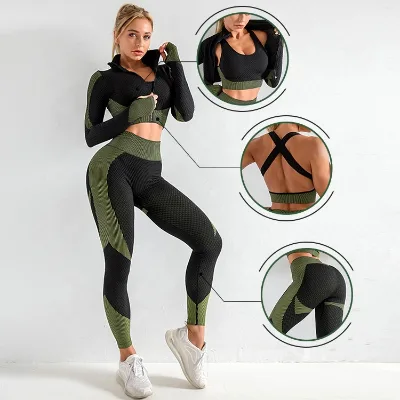
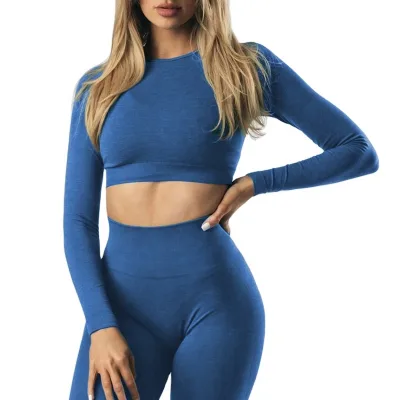


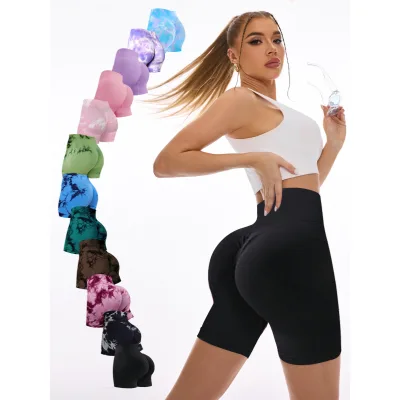


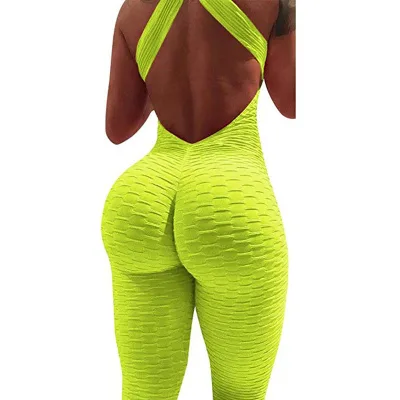
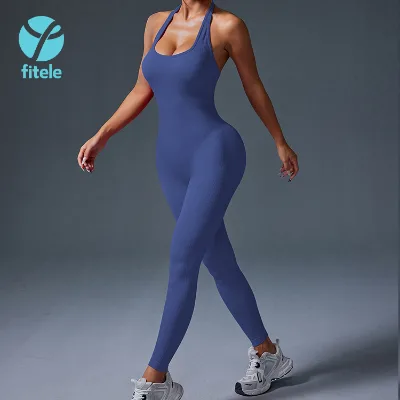
Plus Size Buttocks Show Buttocks One Piece Fitness Sports Sleeveless Yoga Jumpsuit
$5.1313 - $5.7461
MOQ: 1 parcels
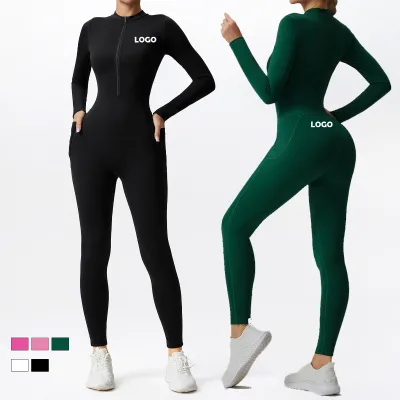
Women Plus Size Compression Soft Long Sleeve Stretchy Front Zipper Lightweight Yoga Jumpsuit
$13.3398 - $15.3923
MOQ: 2 sets


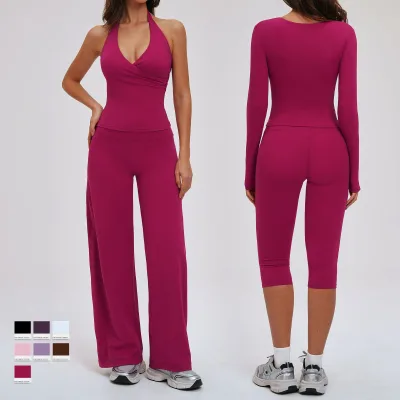
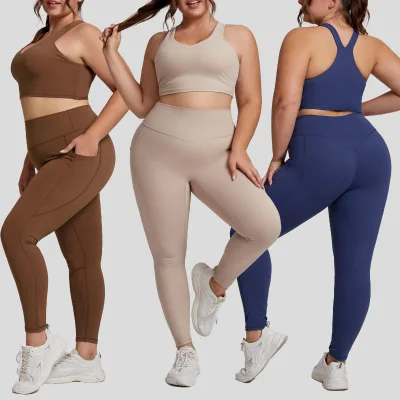
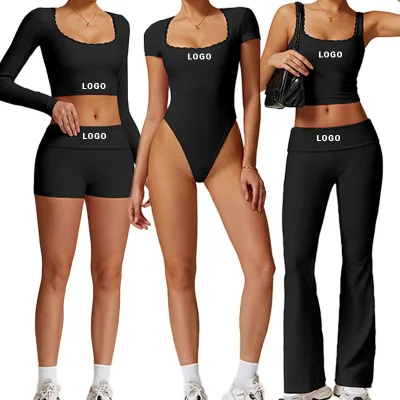


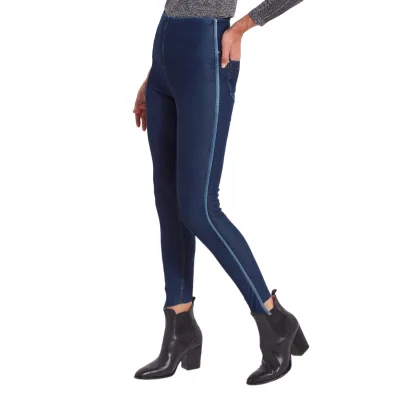
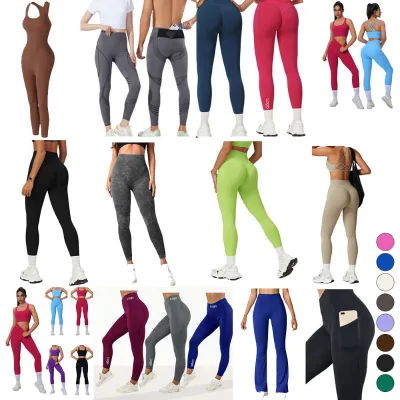
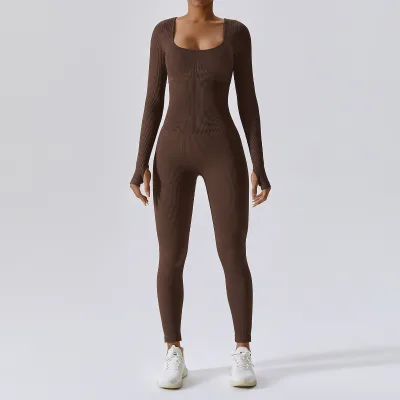
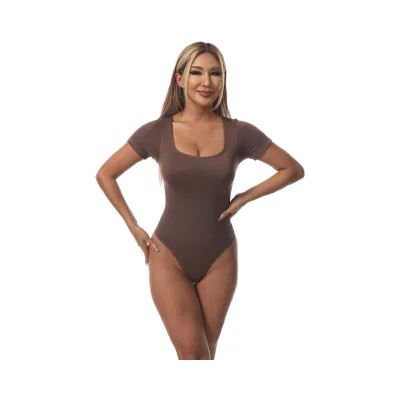
Comprehensive Sourcing Guide
Seamless Plus Size Yoga Suit Sourcing Guide
Sourcing seamless plus size yoga suits requires a disciplined approach to material composition and manufacturing precision, as these garments demand high elasticity and consistent fit across extended size ranges. The observed market data indicates a strong prevalence of blended fabrics, specifically combinations of spandex with nylon, polyester, or other synthetic fibers, which are essential for achieving the necessary stretch recovery and durability. Buyers must prioritize suppliers who demonstrate expertise in automated cutting and heat-transfer printing techniques, as these processes directly influence the final garment’s structural integrity and aesthetic consistency.
Procurement teams should also evaluate the supply chain’s readiness to handle in-stock items versus custom orders, as lead times and minimum order quantities vary significantly between these models. The presence of needle detection protocols and specific fabric weight specifications, such as 180 grams, serves as a critical indicator of quality control maturity. Understanding these technical nuances allows buyers to distinguish between generic activewear and purpose-built yoga apparel that meets the rigorous demands of fitness enthusiasts who require both comfort and performance.
Product Scope and Observed Listing Signals
The current product landscape for seamless plus size yoga suits reveals a diverse array of configurations, ranging from two-piece sets to comprehensive kits designed for various athletic activities. Listings frequently highlight features such as breathability, eco-friendly materials, and anti-wrinkle properties, which are crucial for maintaining the garment’s appearance and functionality during intense physical exertion. The observed color palettes extend beyond basic neutrals to include vibrant options like mint, sky blue, and army green, catering to the aesthetic preferences of a broad consumer base while ensuring brand differentiation in a crowded marketplace.
Size inclusivity is a dominant theme, with available sizes spanning from small to four extra-large, and some listings offering free-size options to simplify inventory management for retailers. The waist type is predominantly mid-rise with elastic closures, providing the secure fit necessary for yoga and other low-impact sports. Additionally, the use of single-item selling units and carton packing suggests a supply chain optimized for direct-to-consumer or small-batch retail distribution, allowing buyers to test market response with lower initial capital expenditure.
Technical Specifications to Verify
Verifying technical specifications is paramount when sourcing seamless yoga suits, particularly regarding material composition and dimensional accuracy. Buyers should confirm the exact percentage of spandex in the blend, as this directly impacts the garment’s stretch recovery and longevity. The observed data points to materials like spandex/nylon and spandex/polyester, each offering distinct advantages in terms of softness, moisture-wicking capability, and durability. It is essential to request physical samples to assess the fabric weight, which has been noted around 180 grams, ensuring it provides adequate coverage and opacity without compromising breathability.
Dimensional consistency across the size range must be rigorously tested, especially for plus-size garments where fit discrepancies can lead to high return rates. The presence of automated cutting techniques suggests a potential for higher precision, but buyers should still verify pattern alignment and seam integrity. Additionally, the sleeve length and full-length design should be confirmed against specific body measurements to ensure the suit provides the intended coverage and comfort. Understanding these technical details helps in establishing clear quality benchmarks for incoming shipments.
Compliance and Safety Documentation
Compliance and safety documentation form the backbone of a responsible sourcing strategy, ensuring that products meet international safety standards and regulatory requirements. The observation of needle detection protocols in the supply chain indicates a commitment to physical safety, minimizing the risk of broken needles remaining in the finished garments. Buyers must verify that suppliers adhere to relevant chemical safety standards, particularly regarding the dyes and finishes used in heat-transfer printing, to ensure the products are free from harmful substances that could cause skin irritation or other health issues.
Eco-friendly claims observed in product listings require substantiation through credible certifications or transparent supply chain disclosures. Buyers should inquire about the specific environmental standards met by the manufacturing facilities, such as water usage reduction or sustainable material sourcing practices. Additionally, verifying the origin of the materials, whether from Zhejiang, China, or other regions, can provide insights into the regulatory environment and labor practices associated with the production process. This due diligence helps mitigate reputational risks and aligns the procurement strategy with corporate social responsibility goals.
Cost Drivers and Commercial Terms
Cost drivers in the seamless yoga suit market are influenced by material costs, manufacturing complexity, and order volume. The use of specialized blends and automated cutting techniques can increase production costs, but these investments often result in higher quality and consistency. Buyers should analyze the price range of 3 to 23 USD to understand the value proposition at different price points, recognizing that lower prices may correlate with simpler designs or lower-grade materials. Understanding these cost structures allows for more accurate budgeting and negotiation strategies.
Commercial terms, including minimum order quantities and lead times, vary significantly based on whether the supplier offers in-stock items or custom manufacturing. The observed lead time of seven days for sample orders suggests a responsive supply chain, but bulk production lead times may be longer. Buyers should negotiate clear terms regarding payment schedules, shipping responsibilities, and return policies for defective goods. Flexibility in these terms can provide a competitive advantage, especially for businesses that need to respond quickly to changing market trends or consumer demands.
Supplier Qualification and Quality Control
Supplier qualification involves a thorough assessment of manufacturing capabilities, quality control systems, and past performance. The presence of features like anti-bacterial and anti-static properties in some listings indicates a focus on advanced functionality, which requires specialized production knowledge. Buyers should verify the supplier’s ability to maintain consistent quality across large batches, particularly for plus-size garments where fit variations can be more pronounced. Requesting references or case studies from previous clients can provide valuable insights into the supplier’s reliability and professionalism.
Quality control processes should be explicitly defined and agreed upon before production begins. This includes specifying inspection criteria for stitching, color fastness, and dimensional stability. The observation of single gross weights, such as 0.6 kg or 1.2 kg, can serve as a quick check for material consistency and packaging accuracy. Buyers should also consider implementing third-party inspections for initial orders to ensure that the supplier’s internal quality control measures are effective. Establishing a strong partnership based on transparency and mutual trust is key to long-term success.
Long-Term Procurement Checks
Long-term procurement checks focus on continuous improvement and risk management in the supply chain. Regular audits of supplier facilities and processes help ensure ongoing compliance with quality and safety standards. Buyers should monitor changes in material costs and market trends to anticipate potential price fluctuations and adjust procurement strategies accordingly. Building a diversified supplier base can mitigate the risk of supply disruptions and provide flexibility in sourcing different product variations.
Feedback loops with end-users and retail partners are essential for identifying areas for product improvement and innovation. Tracking return rates and customer complaints can highlight specific issues with fit, durability, or comfort that need to be addressed in future orders. Additionally, staying informed about emerging technologies in seamless knitting and fabric development can provide opportunities to enhance product offerings and maintain a competitive edge. A proactive approach to supplier management ensures that the procurement function remains aligned with the company’s strategic goals and market demands.
FAQs
What materials are used in these seamless plus size yoga suits?
The suits are crafted from blends of Spandex with Nylon, Polyester, or other synthetic fibers to ensure durability and stretch. These materials provide a seamless construction that supports movement during yoga, fitness, and other sports activities while maintaining comfort for the wearer.
Can I order samples before placing a bulk purchase?
Sample orders are supported for some items with a lead time of 7 days, while others do not support samples. Buyers should verify sample availability for specific model numbers before committing to large orders to ensure the product meets their quality and fit expectations.
What sizes are available for these plus size yoga sets?
Sizes range from Small to 4XL, including specific US sizing like S(4), M(6), and L(8-10). The collection offers multiple size options to accommodate various body types, ensuring a proper fit for adults engaging in ball sports, cycling, or gym workouts.
Are these yoga suits suitable for various sports activities?
Yes, the suits are designed for usage in ball sports, racing, cycling, fitness, track and field, water sports, gym, yoga, dancing, and tennis. Their features include breathability, quick-drying properties, and anti-bacterial treatments, making them versatile for intense physical activities and daily wear.
What is the minimum order quantity for these products?
The minimum order quantity ranges from 1 to 200 pieces depending on the specific product listing. Buyers can find options for small trial orders or larger bulk purchases, with some items offering customization and various packaging options like cartons for efficient shipping.
Where are these seamless yoga suits manufactured?
The products originate from locations including Zhejiang, China, and FUJ. These manufacturing hubs ensure efficient production with automated cutting techniques and heat-transfer printing methods, supporting both in-stock items and customized orders for global buyers seeking reliable supply chain partners.