Source Seamless Plus Size Abaya Dress for wholesale, retail, and events
Explore 30 listings for the Seamless Plus Size Abaya Dress, comparing models like LAY128 and STA2824F with varying MOQs and packing options. Buyers can evaluate customization, fabric suitability for African climates, and delivery times from China.
Key considerations
Products List


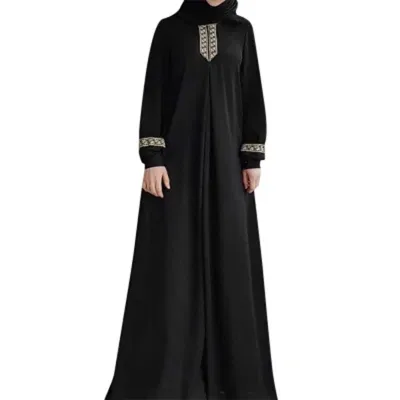
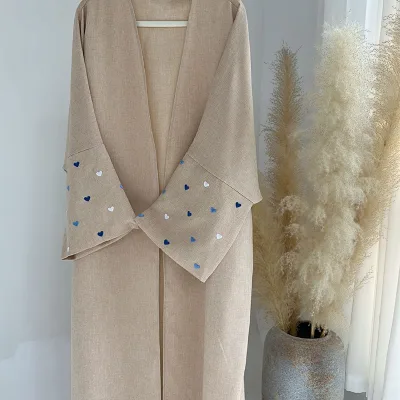
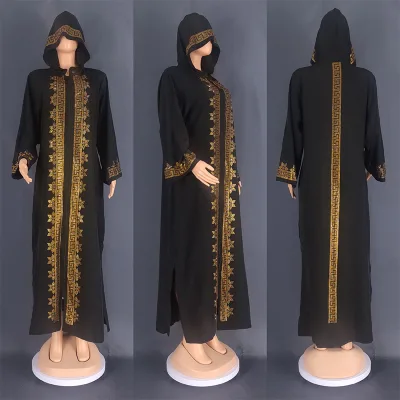
Custom Plus Size Abaya Dress with Loose Sleeve for Comfortable Islamic Women Clothing
$9.50 - $16.50
MOQ: 100 Pieces


Private Label Loose Fit Kaftan Abaya Dress with Embroidery for Plus Size Muslim Women
$9.50 - $16.50
MOQ: 100 Pieces
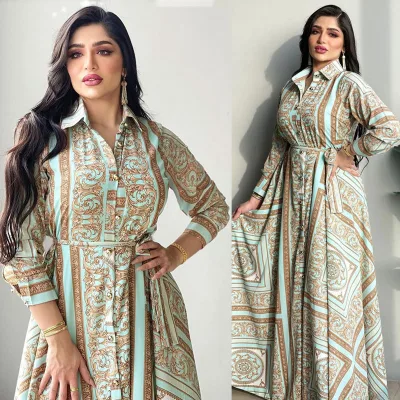


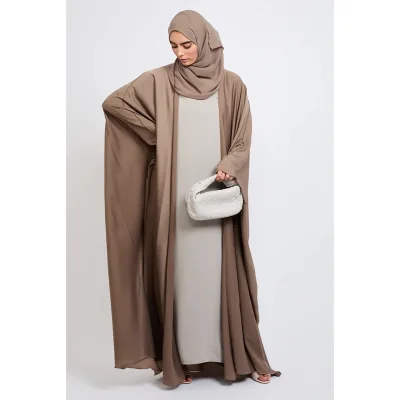
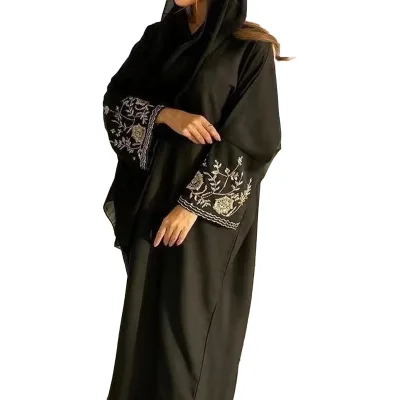


Comprehensive Sourcing Guide
Seamless Plus Size Abaya Dress Sourcing Guide
Sourcing seamless plus size abaya dresses requires a nuanced understanding of both textile engineering and cultural apparel standards. The term "seamless" in this context often refers to knitting techniques that reduce side seams for a smoother silhouette, or it may indicate a specific construction method that enhances comfort for larger body types. Buyers must distinguish between true seamless knitting, which offers superior stretch and fit, and traditional cut-and-sew methods that may be marketed loosely as seamless due to minimal visible stitching. This distinction is critical for ensuring the garment meets the comfort and aesthetic expectations of the target demographic, particularly in regions where modest fashion prioritizes both coverage and ease of movement.
The procurement landscape for these garments is diverse, with suppliers offering a wide range of customization options and production capabilities. Observed market signals indicate that many manufacturers support OEM and ODM services, allowing brands to tailor designs to specific regional preferences, such as African or Middle Eastern styles. This flexibility is essential for buyers looking to differentiate their product lines, as it enables the incorporation of specific design elements like customized necklines, breathable fabrics, and climate-appropriate materials. Understanding these capabilities early in the sourcing process helps align supplier offerings with brand identity and customer needs.
Product Scope and Observed Listing Signals
The current market for abaya dresses exhibits significant variation in product attributes, reflecting the global nature of modest fashion. Listings frequently highlight features such as breathability, washability, and damage resistance, which are crucial for maintaining garment quality over time. Suppliers often emphasize the use of materials like polyester/spandex blends, which provide the necessary elasticity for a comfortable fit while ensuring durability. These material choices are particularly relevant for plus size garments, where stretch and recovery are vital to prevent sagging or distortion after repeated wear and washing.
Observed listing data reveals a broad range of models and specifications, indicating that buyers should not assume uniformity across all suppliers. For instance, some products are specified with standard weights such as 0.5KG or 0.05KG, which may refer to packaging or component weights rather than the garment itself. Buyers must carefully verify these specifications to avoid misunderstandings regarding product weight and shipping costs. Additionally, packaging options vary from simple OPP bags to more robust carton or plastic box packaging, depending on the supplier’s logistics strategy and the buyer’s requirements for retail presentation.
Technical Specifications to Verify
When evaluating technical specifications, buyers should prioritize the verification of fabric composition and construction methods. The presence of spandex in the material blend is a key indicator of stretchability, which is essential for plus size abayas to ensure a flattering and comfortable fit. It is important to confirm the exact percentage of spandex, as this directly impacts the garment’s elasticity and recovery rate. Buyers should also inquire about the knitting or weaving technique used, as seamless construction requires specialized machinery and expertise that not all manufacturers possess.
Dimensional accuracy and sizing consistency are another critical area for verification. Plus size garments often face challenges with proportionality, so buyers should request detailed size charts and sample measurements to ensure that the garments fit the intended body shapes correctly. Some suppliers offer customized neckline styles and design adjustments, which can be leveraged to address specific fit issues. Additionally, buyers should verify the standard packaging dimensions, such as 50*40 cm bundles, to plan for efficient storage and shipping logistics.
Compliance and Safety Documentation
Compliance with safety and quality standards is non-negotiable for apparel imports, particularly when dealing with textiles that come into direct contact with the skin. Buyers must ensure that suppliers provide relevant documentation, such as test reports for colorfastness, shrinkage, and tensile strength. These tests are essential to verify that the garments can withstand regular washing and wear without degrading in quality or appearance. While specific certification names may vary by region, the underlying requirements for safety and durability are universal and should be clearly defined in the purchase agreement.
Labeling and branding compliance is also a key consideration, especially for products intended for international markets. Suppliers often offer custom logo and branding services, which must be executed in accordance with local labeling laws. Buyers should verify that all labels, including care instructions and material composition, are accurate and legible. This is particularly important for products marketed under specific brands, such as "Love Sahara" or "Baite," where brand integrity and consumer trust are paramount. Ensuring that all labeling requirements are met helps avoid potential customs delays or legal issues.
Cost Drivers and Commercial Terms
Cost structures for abaya dresses are influenced by several factors, including material costs, labor, and customization complexity. The use of specialized seamless knitting techniques or high-quality polyester/spandex blends can increase production costs, but these investments often result in superior product quality and customer satisfaction. Buyers should request detailed cost breakdowns to understand how different design elements, such as customized necklines or specific packaging options, impact the final price. This transparency allows for better budgeting and negotiation.
Commercial terms, including MOQ and lead times, vary significantly among suppliers. Observed data indicates that MOQs can range from as low as 3 pieces to as high as 10,000 pieces, catering to both small boutique brands and large retailers. Lead times also differ, with some suppliers offering sample orders within 7 days and full production runs taking 7-15 days depending on order quantity. Buyers should align their procurement timelines with supplier capabilities to ensure timely delivery, especially when dealing with seasonal collections or urgent restocking needs.
Supplier Qualification and Quality Control
Supplier qualification is a critical step in the sourcing process, requiring a thorough assessment of manufacturing capabilities and quality control systems. Buyers should verify the supplier’s experience in producing modest fashion garments, particularly those with seamless or stretch-focused designs. Requesting references or case studies from previous clients can provide valuable insights into the supplier’s reliability and consistency. Additionally, buyers should inquire about the supplier’s quality control procedures, including in-line inspections and final random inspections, to ensure that products meet specified standards before shipment.
Quality control should also extend to the verification of packaging and labeling accuracy. Suppliers often offer various packaging options, from simple OPP bags to more elaborate carton or plastic box packaging. Buyers should ensure that the packaging protects the garments during transit and meets any retail display requirements. Furthermore, verifying the accuracy of labels and branding is essential to maintain brand integrity and comply with regulatory requirements. Establishing clear quality expectations and communication channels with suppliers helps minimize the risk of defects and ensures a smooth procurement process.
Long-Term Procurement Checks
Long-term procurement success depends on establishing strong, collaborative relationships with suppliers and continuously monitoring performance. Buyers should implement regular performance reviews to assess supplier reliability, quality consistency, and responsiveness to issues. This includes tracking metrics such as on-time delivery rates, defect rates, and customer feedback on product quality. By maintaining open communication and providing constructive feedback, buyers can help suppliers improve their processes and better align with brand expectations.
Adapting to market trends and consumer preferences is another key aspect of long-term procurement. The modest fashion industry is dynamic, with evolving styles and material preferences. Buyers should stay informed about emerging trends, such as new fabric technologies or design innovations, and work with suppliers to incorporate these elements into their product lines. This proactive approach ensures that the brand remains competitive and relevant in the market. Additionally, exploring opportunities for sustainable sourcing and ethical manufacturing can enhance brand reputation and appeal to increasingly conscious consumers.
FAQs
Can I customize the design of the abaya dress?
Yes, customization is available for the abaya dress designs. You can request specific neckline styles or logos, and the supplier accepts OEM and ODM services to meet your unique requirements for the product.
What is the minimum order quantity for this dress?
The minimum order quantity starts at 3 pieces for in-stock items. However, some listings indicate an MOQ range up to 10,000 units depending on the specific model and customization needs you select.
How long does it take to receive the order?
Delivery typically takes about 7 to 15 days depending on the order quantity. Sample orders can be supported within 7 days, while bulk shipments may vary based on the specific production schedule.
What materials are used for the abaya dress?
The dresses are made from a polyester and spandex blend. This material choice ensures the fabric is breathable, washable, and suitable for African climates while maintaining durability and resistance to damage.
Where are these abaya dresses manufactured?
These products originate from China, with specific manufacturing locations including Guangzhou, Shanghai, and Zhejiang. The origin ensures compliance with Islamic religious standards and specific body shape designs.
How are the dresses packaged for shipping?
Packaging options include cartons, plastic boxes, or trays based on customer requirements. Some bundles contain 12 pieces mixed by color and size, while others are shipped individually in OPP bags.
What is the price range for these dresses?
The observed price range for these items is between 3 and 37.63 USD. Actual pricing depends on the specific model number, order quantity, and any customizations requested by the buyer.