Source Seamless Racerback Yoga Bra for Fitness, Gym, and Pilates
Explore 30 listings of Seamless Racerback Yoga Bra options featuring knitted construction, push-up features, and customizable logos. Buyers can compare material compositions like nylon and spandex blends, sizing ranges, and packaging details to find suitable suppliers for active wear needs.
Key considerations
Products List


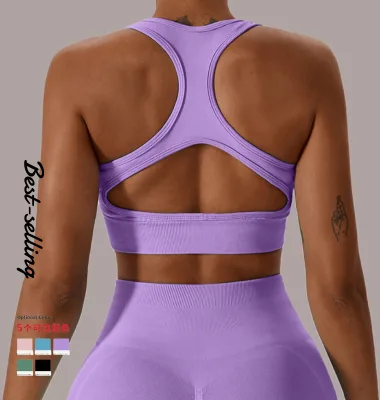


Eco-Friendly High Impact Sports Seamless Bra Top Fitness Women Yoga Bras
$10.50 - $18.00
MOQ: 500 Pieces


Comprehensive Sourcing Guide
Strategic Sourcing Guide for Seamless Racerback Yoga Bras
Understanding Technical Specifications and Material Composition
When sourcing a Seamless Racerback Yoga Bra, the primary focus must be on the interplay between construction techniques and material science. The product category is defined by specific attributes that distinguish it from traditional seamed undergarments. Based on observed market data, the "seamless" designation typically correlates with knitted production techniques that eliminate stitching lines, offering a smooth silhouette under athletic wear. The structural integrity of these garments relies heavily on the elasticity and recovery of the fabric blend.
In the current supply landscape, material composition varies significantly between product lines. Some high-performance variants utilize a blend of 94% Nylon and 6% Spandex, prioritizing a soft hand feel and high stretch recovery. Other models may incorporate a more complex mix, such as 48% Nylon, 46% Polyester, and 6% Spandex, which can offer enhanced durability and shape retention during high-intensity movement. The presence of Spandex is non-negotiable for a yoga bra, as it provides the necessary compression and flexibility. Buyers must verify the exact percentage of elastane or Spandex in the fabric standard, as this directly dictates the garment's ability to return to its original shape after repeated stretching.
The cup construction is another critical technical variable. While some listings specify a "Three Quarters (3/4 Cup)" shape, others indicate a "Fixed Cup" design, which is often preferred in seamless manufacturing to prevent shifting during exercise. The racerback style itself is a functional design element that allows for greater range of motion in the shoulders and upper back, a necessity for yoga and fitness activities. When evaluating technical specifications, procurement teams should request detailed fabric swatches to confirm the "knitted" nature of the product and ensure that the "seamless" claim is not merely a marketing term but a result of the actual manufacturing process.
Compliance, Certification, and Safety Standards
Navigating the compliance landscape for textile products requires a rigorous approach to verifying safety and environmental standards. While specific certification statuses like OEKO-TEX are often cited in the broader industry, buyers must not assume a specific supplier holds these credentials without direct verification. The absence of a confirmed certification in a product listing does not indicate non-compliance, but it does necessitate a deeper inquiry into the supplier's quality assurance protocols.
For seamless yoga bras, the chemical safety of the dyes and finishes is paramount. The "Active Wear" category often involves treatments for moisture-wicking, quick-drying, and breathability. Buyers should explicitly request test reports that confirm the absence of harmful substances, particularly azo dyes and formaldehyde, which are common concerns in textile manufacturing. The "Made in China" origin, a common attribute in this sector, implies a need for strict adherence to international safety standards, regardless of the specific country of origin.
Furthermore, the "Customized Logo" and "OEM" capabilities mentioned in many listings introduce additional compliance layers. If a buyer requires specific branding, the inks or heat-transfer materials used must also meet safety standards. Suppliers should be asked to provide evidence that their customization processes do not compromise the fabric's integrity or introduce toxic residues. The "Standard" attribute in product data often refers to weight (e.g., 0.25kg or 0.3kg) rather than a safety certification. Therefore, procurement professionals must distinguish between product weight specifications and regulatory compliance documents.
Cost Drivers and Pricing Dynamics
The pricing structure for seamless racerback yoga bras is influenced by a complex matrix of material costs, production complexity, and order volume. The observed price range in the market spans from approximately $3.30 to $18.00 USD. This wide disparity is not arbitrary; it reflects differences in fabric quality, the intricacy of the knitting technology, and the level of customization required.
Material composition is a primary cost driver. Blends with higher percentages of premium Nylon or specialized Spandex formulations typically command a higher price point. The "Knitted" technique used to create seamless garments requires advanced machinery, which can increase the base manufacturing cost compared to cut-and-sew methods. Additionally, the "Feature" set of the product, such as "Windbreak," "Waterproof," or "Flame-Retardant" properties, adds significant value and cost. These functional attributes require specialized chemical treatments or fabric weaves that are more expensive to produce.
Order volume plays a decisive role in the final unit price. The Minimum Order Quantity (MOQ) observed in the market ranges from 1 to 600 units. Suppliers offering an MOQ of 1 are likely catering to sampling or small-batch needs, which inherently carries a higher per-unit cost due to the lack of economies of scale. Conversely, orders approaching the upper end of the MOQ range (e.g., 600 units) typically benefit from optimized production runs, resulting in a lower cost per piece. Buyers must balance their inventory needs against their budget constraints, understanding that lower prices are often contingent on committing to larger volumes.
Typical Applications and Functional Performance
The Seamless Racerback Yoga Bra is designed for a specific set of high-performance applications, primarily within the fitness and yoga sectors. The "Sportswear Type" is frequently categorized as "Fitness Yoga Wear," indicating its intended use case. The functional features listed, such as "Moisture-Wicking," "Quick-Drying," and "Breathable," are essential for maintaining comfort during physical exertion. These features help manage sweat and regulate body temperature, preventing the discomfort associated with heavy, damp clothing.
The "Body Shape" and "Anti-UV" features suggest that these garments are also suitable for outdoor activities, such as running or hiking, where sun protection and a flattering fit are desired. The "Push Up" feature, while less common in high-impact sports, indicates a design focus on aesthetics and support for lower-impact activities like Pilates or gentle yoga. The "Racerback" style specifically addresses the need for unrestricted arm movement, making it ideal for poses that require overhead reaching or complex arm positioning.
When selecting a product for a specific application, buyers should match the "Cup Shape" and "Bra Part" features to the intended activity level. For high-impact sports, a "Fixed Cup" with strong compression is preferable to a "Three Quarters Cup" which may offer less support. The "Pattern" attribute, whether "Solid," "Pure Colour," or "Patterned," also influences the product's marketability. Solid colors are often preferred for professional athletic wear, while patterned designs may target a more fashion-conscious consumer base.
Supplier Evaluation and Production Capabilities
Evaluating a supplier for seamless racerback yoga bras requires a holistic assessment of their technical capabilities, customization options, and logistical reliability. The availability of "Customization" is a key indicator of a supplier's flexibility. Many listings highlight the ability to customize the "Logo," "Measurement," and "Packing" requirements. This flexibility is crucial for brands looking to differentiate their products in a crowded market.
Suppliers should be vetted based on their ability to handle specific "prod_model" variations, such as RH-086, RH-088, or I20123115. These model numbers often correspond to distinct design iterations or fabric blends. A capable supplier will demonstrate proficiency across a range of models, indicating a versatile production line. The "prod_packing" specifications, ranging from "1 PC in a Polybag" to "40set/Carton," reveal the supplier's packaging efficiency and ability to meet specific retail requirements.
Geographic location is another factor in supplier evaluation. While many products originate from "China," specific regions like "Anhui China" may offer distinct advantages in terms of supply chain logistics or specialized textile clusters. Buyers should verify the supplier's capacity to meet "Made in China" standards while ensuring that the final product meets the quality expectations of their target market. The "OEM" (Original Equipment Manufacturer) and "Customized Logo Printing" capabilities should be confirmed through a review of the supplier's past work and their ability to maintain brand consistency.
Quality Control and Long-Term Procurement Strategy
Implementing a robust quality control (QC) strategy is essential for maintaining the integrity of seamless racerback yoga bras. The "Knitted" nature of these garments makes them susceptible to specific defects, such as runs, holes, or uneven tension in the fabric. Buyers should establish clear acceptance criteria for these defects before production begins. Regular inspections during the production process, particularly after the knitting and finishing stages, can help identify issues early.
Long-term procurement considerations extend beyond the initial order. The "Measurement" attribute, which can be "Customized," suggests that fit consistency is a critical factor. Over time, buyers should monitor the consistency of sizing across different production batches to ensure that the "S M L XL" or specific size ranges remain accurate. Variations in sizing can lead to increased return rates and customer dissatisfaction.
Sustainability and supply chain resilience are also becoming central to long-term strategy. While specific environmental certifications may not be explicitly listed in every product data point, buyers should proactively inquire about the supplier's environmental policies. The "Standard" of 0.25kg or 0.3kg per unit can be used to calculate shipping costs and carbon footprints, influencing the overall sustainability profile of the product. By maintaining a strategic relationship with suppliers who prioritize quality and transparency, buyers can ensure a steady supply of high-performance yoga bras that meet evolving market demands.
Comparative Analysis of Product Attributes
To facilitate decision-making, the following table summarizes key attributes observed in the market for seamless racerback yoga bras. This comparison highlights the variability in materials, features, and specifications that buyers must consider.
| Attribute Category | Option A (High-Performance) | Option B (Standard Comfort) | Option C (Customizable) |
|---|---|---|---|
| Material Composition | 94% Nylon, 6% Spandex | 48% Nylon, 46% Polyester, 6% Spandex | Nylon/Spandex (Variable) |
| Cup Shape | Fixed Cup | Three Quarters (3/4 Cup) | Customizable |
| Key Features | Moisture-Wicking, Quick-Drying, Breathable | Body Shape, Anti-UV | Push Up, Windbreak, Waterproof |
| Pattern | Solid / Pure Colour | Patterned | Customized Logo |
| Packing | 1 PC in Polybag | 1set/Polybag, 40set/Carton | Depends on Requirement |
| Origin | China | Anhui China | Made in China |
| MOQ Range | 1-600 Units | 1-600 Units | 1-600 Units |
This table illustrates that while the core function remains consistent, the specific attributes vary widely. Buyers must align these attributes with their brand identity and customer expectations. For instance, a brand focusing on high-intensity training might prioritize Option A for its superior material composition, while a lifestyle brand might prefer Option B for its aesthetic appeal. Option C represents the flexibility required for private label operations, where customization is the primary driver.
In conclusion, sourcing seamless racerback yoga bras requires a meticulous approach that balances technical specifications, cost considerations, and quality assurance. By understanding the nuances of material blends, production techniques, and supplier capabilities, buyers can navigate the market effectively and secure products that deliver value and performance. The wide range of available options, from basic models to highly specialized variants, ensures that there is a solution for every market segment, provided that the procurement process is grounded in rigorous verification and strategic planning.
FAQs
What material composition is standard for these bras?
Standard compositions include 94% Nylon with 6% Spandex or a blend of 48% Nylon, 46% Polyester, and 6% Spandex. Buyers should verify the exact fabric standard for each model to ensure the desired elasticity and durability for their specific needs.
Can the bra measurements be customized for my brand?
Yes, measurements can be customized to meet specific brand requirements. Suppliers typically offer OEM services and allow for tailored sizing, ensuring the final product fits your target demographic accurately without compromising the seamless knitted structure.
Which models feature a fixed cup design?
Models like RH-086 and RH-088 often feature fixed cup designs suitable for seamless manufacturing. These designs prevent shifting during exercise, offering better support compared to three-quarter cups for high-intensity activities like yoga and fitness.
How does the MOQ affect the unit price?
The minimum order quantity ranges from 1 to 600 units, directly influencing the cost per piece. Higher volumes typically reduce the unit price due to economies of scale, while smaller orders near the MOQ of 1 often carry a higher per-unit cost.
What packaging options are available for bulk orders?
Packaging varies from 1 piece per polybag to 40 sets per carton, depending on the supplier's requirement. Buyers can often request customized packaging to align with their retail presentation or logistical needs while maintaining product protection during transit.
Are features like moisture-wicking and breathability standard?
Many active wear models include features such as moisture-wicking, quick-drying, and breathability. These functional attributes are essential for performance but may vary by specific model, so buyers should confirm the feature set for each product listing.