Source see-through lingerie set for boutiques, events, and gifts
Compare 30 available see-through lingerie set options featuring varied styles like floral patterns and underwire support. Buyers can review specifications including material composition, cup shapes, and customization availability from suppliers in Guangdong.
Key considerations
Products List


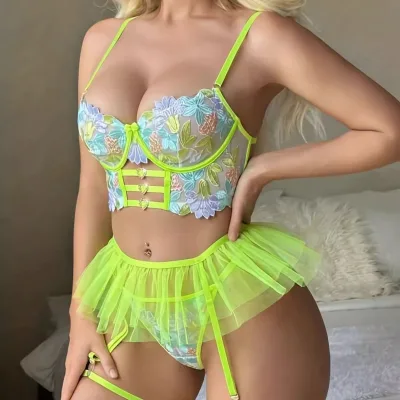


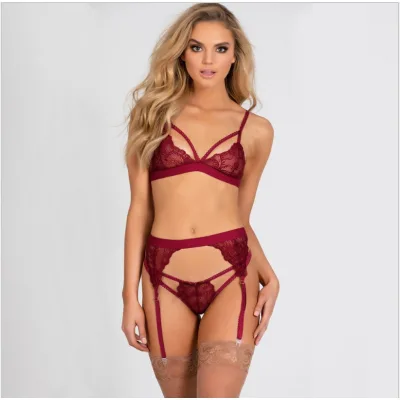


Comprehensive Sourcing Guide
See-Through Lingerie Set Sourcing Guide
Sourcing see-through lingerie sets requires a nuanced understanding of both aesthetic appeal and functional integrity, as the term often encompasses a spectrum of designs ranging from sheer lace overlays to fully transparent mesh constructions. Buyers must distinguish between purely decorative transparency and garments designed for structural support, particularly when evaluating items that combine delicate visual elements with necessary durability. The market offers a diverse array of styles, including traditional underwire designs, magic push-up configurations, and basic spaghetti strap variations, each demanding specific verification protocols to ensure the final product meets both safety standards and consumer expectations for comfort and fit.
The procurement process is further complicated by the variability in material composition and manufacturing techniques, which directly influence the garment’s drape, elasticity, and longevity. While some listings emphasize plain dyed or knitted fabrics, others may feature complex floral patterns or mixed-color designs that require precise colorfastness testing. Buyers should approach these products with a clear definition of their target market’s preferences, recognizing that "see-through" attributes can range from subtle translucency to high-visibility sheer panels, and that the underlying support structures, such as underwire or fixed straps, must be rigorously inspected to prevent failure during wear.
Product Scope and Observed Listing Signals
The current market landscape for lingerie sets reveals a wide price range, typically observed between $1 and $7.82 USD, which suggests a high volume of entry-level or promotional inventory rather than premium luxury goods. This pricing tier often correlates with specific production methods and material choices, such as the use of polyester or polyamide-spandex blends, which are common in mass-produced items. Buyers should interpret these price points as indicators of the baseline quality and potential limitations in fabric weight or construction complexity, ensuring that the selected supplier can consistently deliver within these financial constraints without compromising on essential safety or durability metrics.
Minimum Order Quantities (MOQs) vary significantly, ranging from single units to as high as 3,600 pieces, reflecting the flexibility of different manufacturing setups. Some suppliers accept small quantities, catering to boutique brands or testing phases, while others operate on larger scale production runs that require substantial upfront commitments. This disparity necessitates careful alignment between the buyer’s inventory strategy and the supplier’s production capabilities, as mismatched expectations regarding order volume can lead to delays or increased per-unit costs. Additionally, the availability of stock for certain models indicates a faster turnaround for immediate needs, whereas custom orders may involve longer lead times, typically around 4-7 days for production, excluding shipping.
Technical Specifications to Verify
When evaluating technical specifications, buyers must prioritize the verification of cup shape and support mechanisms, as these elements are critical for the garment’s functionality and consumer satisfaction. Common configurations include three-quarter cup designs with underwire support, which provide lift and separation, while other styles may feature magic push-up features or traditional structures. It is essential to confirm the bra strap type, whether fixed spaghetti straps or basic shoulder straps, and the hook-and-eye closure system, such as a 3x2 configuration, to ensure ease of use and secure fit. These structural details directly impact the comfort and longevity of the lingerie set, making them non-negotiable points of verification during the sampling phase.
Material composition and fabric weight are equally important, with many products utilizing blends such as 80% polyamide and 20% spandex to achieve the desired stretch and recovery properties. For see-through designs, the transparency level is often dictated by the knit density and fiber type, with polyester being a common choice for its durability and cost-effectiveness. Buyers should request detailed fabric specifications, including the main fabric composition percentage, to assess breathability and skin compatibility. Additionally, the presence of mold cups, such as medium mold cups, affects the silhouette and should be verified against the brand’s sizing charts, which may range from specific inch measurements to standard S/M/L classifications, to ensure accurate fit across different body types.
Compliance and Safety Documentation
Compliance with international standards is a fundamental requirement for importing lingerie, particularly when dealing with products that come into direct contact with the skin. Buyers must verify that suppliers hold relevant certifications, such as SGS and CE, which indicate adherence to specific quality and safety protocols. These certifications often cover aspects like chemical safety, including restrictions on azo dyes and formaldehyde, as well as physical safety measures to prevent injury from structural components like underwires. It is crucial to request valid certification documents and ensure they are up-to-date, as regulatory requirements can vary by destination market and may require additional testing beyond the supplier’s standard compliance package.
In addition to product-specific certifications, buyers should ensure that the manufacturing process adheres to broader environmental and labor standards, although these may not always be explicitly listed in initial product descriptions. The origin of the products, often Guangdong or broader China regions, implies a mature supply chain, but it also necessitates rigorous due diligence to ensure ethical sourcing practices. Buyers should inquire about the supplier’s internal quality control processes and their ability to provide test reports for flammability, colorfastness, and shrinkage, which are critical for maintaining brand reputation and avoiding regulatory penalties in key export markets like the US, EU, and other global regions.
Cost Drivers and Commercial Terms
Understanding the cost drivers behind lingerie pricing is essential for effective budgeting and negotiation. Key factors include the complexity of the design, such as the inclusion of floral patterns or mixed colors, which may require additional dyeing and printing processes. The choice of raw materials, such as the ratio of polyamide to spandex, also significantly impacts cost, as higher spandex content generally increases elasticity and price. Buyers should analyze these components to identify areas where cost savings can be achieved without compromising quality, such as simplifying packaging or opting for standard colorways instead of custom mixes.
Commercial terms and payment structures play a vital role in the financial planning of the procurement process. Common price terms include EXW, FOB, CIF, and CFR, each defining the point at which risk and cost transfer from the supplier to the buyer. Payment terms often require an advance deposit, such as 30%, with the balance paid before shipment, which helps mitigate risk for the supplier but requires careful cash flow management for the buyer. Buyers should negotiate these terms based on their order volume and relationship with the supplier, considering the implications of different Incoterms on logistics costs and insurance responsibilities, especially when shipping from ports like Guangzhou to global destinations.
Supplier Qualification and Quality Control
Supplier qualification involves a thorough assessment of the manufacturer’s capabilities, including their production capacity, quality control systems, and responsiveness to customization requests. Buyers should verify the supplier’s ability to handle specific technical requirements, such as plain dyed or knitted techniques, and their flexibility in accommodating small quantity orders or custom packaging needs. It is advisable to conduct factory audits or request third-party inspection reports to evaluate the working conditions, equipment modernity, and consistency of output, ensuring that the supplier can meet the buyer’s volume and quality expectations over the long term.
Quality control measures must be integrated into the procurement process from the sampling stage through to final shipment. Buyers should establish clear acceptance criteria for defects, such as loose threads, misaligned patterns, or faulty hooks, and require pre-shipment inspections to verify that the goods match the approved samples. Given the delicate nature of see-through fabrics, special attention should be paid to the integrity of the sheer panels and the secure attachment of structural elements like underwires and straps. Implementing a robust QC protocol helps minimize the risk of receiving substandard goods, protecting the buyer’s brand reputation and reducing the likelihood of costly returns or disputes.
Long-Term Procurement Checks
Long-term procurement success depends on continuous monitoring of supplier performance and market trends. Buyers should regularly review key performance indicators such as on-time delivery rates, defect rates, and responsiveness to issues, using this data to inform future ordering decisions and contract renewals. It is also important to stay informed about changes in regulatory requirements, material costs, and consumer preferences, which can impact the viability of current product lines. By maintaining a proactive approach to supplier management, buyers can ensure a stable supply chain and adapt quickly to market shifts, securing a competitive advantage in the lingerie sector.
Additionally, fostering a collaborative relationship with suppliers can lead to improvements in product design and cost efficiency over time. Buyers should engage in open communication regarding feedback from end-users, sharing insights on fit, comfort, and aesthetic preferences to guide future development. This partnership approach encourages suppliers to invest in better materials and techniques, resulting in higher quality products that meet evolving consumer demands. Regularly revisiting and updating procurement strategies, including logistics arrangements and payment terms, ensures that the sourcing process remains efficient, cost-effective, and aligned with the buyer’s strategic goals.
FAQs
What customization options are available for this lingerie set?
Customization is available for this product line. Buyers can request specific modifications to the design or features. The product supports plain dyed and floral patterns with fixed bra straps. This allows for tailored solutions to meet diverse market needs.
Which certifications do the manufacturers hold for these products?
The products hold SGS and CE certifications. These standards ensure quality and safety compliance for international trade. The manufacturing origin is in Guangdong, China, where these standards are applied. Buyers can verify these credentials during the sourcing process.
How long is the delivery time for small quantity orders?
The delivery time is about 4 to 7 days for accepted small quantities. This applies to orders where the buyer accepts small quantity requirements. The product is in stock, which facilitates faster processing. Shipping ports include Guangzhou for global export.
What materials are used to construct the bra cups?
The raw material consists of 80% Polyamide and 20% Spandex. The main fabric composition ranges from 80% to 90% for certain models. The cups are designed as three-quarters cups with underwire support. This blend ensures durability and a comfortable fit.
Can I order products with specific packaging requirements?
Yes, the standard packaging includes polybags and cartons. Buyers can request these specific packing methods for their orders. The product is available in single or mixed colors depending on the model. This packaging ensures safe transport during global shipping.
What payment terms are accepted for these transactions?
Accepted payment terms include T/T with a 30% advance deposit. The balance must be paid before shipment occurs. Price terms offered are EXW, FOB, CIF, and CFR. These terms provide flexibility for international buyers managing their logistics.
Which sizes are available for the lingerie sets?
Available sizes range from 32 to 38 inches with A, B, and C cups. Some models specifically list size S as an option. The product supports various cup shapes including three-quarters cups. This range accommodates different body types for global markets.