Source Sedan Byd Qin Plus for Family, Novice, and Commercial Use
Explore 30 listings for the Sedan Byd Qin Plus, comparing features like plug-in hybrid powertrains, automatic gearboxes, and varying conditions. Buyers can evaluate specifications including acceleration, range, and tire sizes to find suitable options for family, novice, or commercial applications.
Key considerations
Products List


Factory Wholesale China Byd Qin Plus EV Byd Electric Car Sedan New Energy Vehicles
$28500.00 - $31400.00
MOQ: 1 Pieces

2024 Byd Qin Plus Dmi 55km Leading Edition Hybrid Sedan Car Phev Vehicles
$9643.00 - $12000.00
MOQ: 1 Pieces

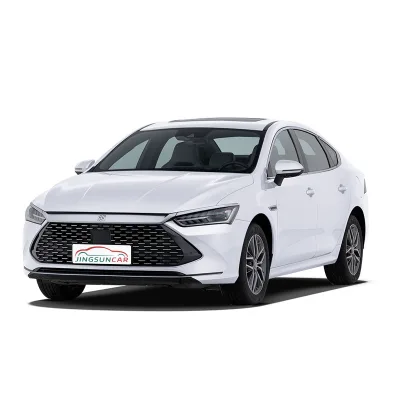


Byd Qin Plus EV Luxury Electric Vehicles 4-Door 5 Seats Family Sedan Secondhand Vehicle
$28000.00 - $29999.00
MOQ: 1 Pieces

Qin Plus Electric Byd EV Car New EV Automobile Car Used Plug in Hybrid Car Sedan Auto
$28000.00 - $29999.00
MOQ: 1 Pieces

China Byd Hybrid Auto Qin Plus Dm-I Electric Sedan Vehicles Plug-in Hybrid Electric Sedan
$28000.00 - $29999.00
MOQ: 1 Pieces

High Quality Byd EV Qin Plus Cars Cheap New Energy Vehicles New Used Car
$28000.00 - $29999.00
MOQ: 1 Pieces

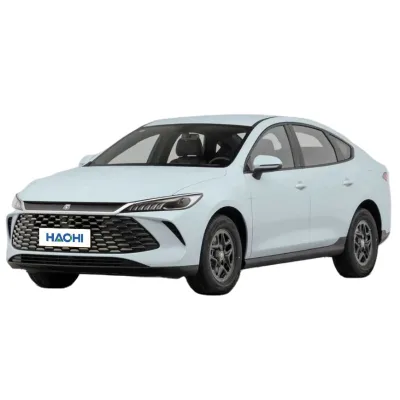


Byd 2023 Qin Plus New Energy Vehicles Byd EV Car Electric Vehicles
$14200.00 - $14800.00
MOQ: 1 Pieces


$16550.00
MOQ: 1 Pieces


Competitive Price Byd Qin Plus Sedan New Energy Car Plug-in Vehicle Hybrid
$12000.00 - $20000.00
MOQ: 1 Pieces


Comprehensive Sourcing Guide
Sedan Byd Qin Plus Sourcing Guide
Procuring the Byd Qin Plus sedan requires a clear understanding of its positioning as a plug-in hybrid electric vehicle (PHEV) designed for urban and suburban efficiency. The product scope encompasses a closed-body sedan configuration with a wheelbase of 2718 mm, offering a balance between interior space and maneuverability. Buyers must distinguish between the specific Qin Plus model variants and other listings that may share the manufacturer name but differ significantly in body style, such as SUVs or commercial vehicles. The observed market signals indicate a focus on new condition units with automatic gearboxes and 1.5L naturally aspirated engines paired with permanent magnet synchronous electric motors.
The sourcing landscape includes a wide range of price points and minimum order quantities, reflecting the diversity of supplier capabilities and vehicle specifications. While some listings highlight the Qin Plus with specific dimensions and acceleration metrics, others may list unrelated attributes like off-road conditions or different fuel types, which are inconsistent with the core PHEV sedan profile. Buyers should carefully filter listings to ensure they are evaluating the correct vehicle type, paying close attention to the model year, which is often cited as 2025, and the specific powertrain configuration. This diligence prevents misalignment between procurement goals and the actual product delivered, ensuring that the acquired vehicles meet the intended operational requirements for family or commercial use.
Product Scope and Observed Listing Signals
The primary product scope for the Byd Qin Plus centers on a new, automatic transmission sedan powered by a PHEV system. Key observed attributes include a curb weight of approximately 1480 kg and a fuel tank capacity of 65 liters, supporting extended range capabilities. The vehicle is characterized by its 1.5L engine and electric motor combination, delivering a 0-100 km/h acceleration time of 7.6 seconds and a top speed of 180 km/h. These specifications define the performance envelope for buyers seeking a balance between electric efficiency and gasoline flexibility, suitable for daily commuting and longer trips without range anxiety.
However, the broader market signals include significant noise from unrelated product listings that must be filtered out during the sourcing process. Some entries describe SUVs, electric-only vehicles, or vehicles with different displacements and braking systems, such as hydraulic or electromagnetic setups, which do not apply to the standard Qin Plus sedan. Buyers must verify that the listed tire size, front and rear 225/60 R16, and overall dimensions align with the sedan profile. Ignoring these discrepancies can lead to procurement errors, where the acquired vehicle fails to meet the specific technical or aesthetic requirements of the end-user, necessitating costly returns or modifications.
Technical Specifications to Verify
Technical verification must begin with the powertrain configuration, ensuring the vehicle matches the PHEV designation with a 1.5L naturally aspirated engine and a permanent magnet synchronous motor. Buyers should confirm the gearbox type is automatic and check the displacement range, which typically falls between 1000-1600 CC for this model. The braking system is another critical area, as listings may vary between hydraulic and electromagnetic descriptions; the standard Qin Plus typically utilizes a sophisticated braking system that integrates regenerative braking with traditional hydraulic components. Verifying these core mechanical attributes ensures the vehicle performs as expected in terms of efficiency and safety.
Dimensional and structural specifications also require strict validation to avoid receiving a different model variant. The wheelbase of 2718 mm and the overall dimensions, often cited around 4765 mm in length, define the sedan's footprint and interior space. Buyers should verify the curb weight, which is approximately 1480 kg, and the seating configuration, which is typically a five-seat layout with left-hand steering. Additionally, the tire size of 225/60 R16 should be confirmed to ensure compatibility with local road conditions and regulatory requirements. These physical attributes directly impact vehicle handling, fuel economy, and passenger comfort, making precise verification essential before finalizing any purchase agreement.
Compliance and Safety Documentation
Compliance documentation is paramount when importing or distributing vehicles, as regulatory requirements vary significantly by destination market. Buyers must ensure that the Byd Qin Plus meets all local safety and emissions standards, which may include specific certifications for plug-in hybrid vehicles. The presence of available certifications in some listings is a positive signal, but buyers must verify the validity and scope of these documents with the supplier. This includes checking for homologation certificates that confirm the vehicle's compliance with regional traffic laws, including lighting, braking, and structural integrity standards.
Safety features and their documentation should also be thoroughly reviewed to ensure they meet the expectations of the end-user and local regulations. While specific safety ratings may not be detailed in all listings, buyers should request detailed information on the braking system's performance and the integration of electronic stability controls. The electromagnetic braking system, if present, requires specific maintenance protocols and diagnostic tools that should be documented and provided to the buyer. Ensuring that all safety-related documentation is complete and accurate helps mitigate legal risks and ensures that the vehicle can be legally registered and operated in the target market without interruption.
Cost Drivers and Commercial Terms
Cost drivers for the Byd Qin Plus include the complexity of the PHEV powertrain, the battery capacity, and the level of electronic integration within the vehicle. The observed price range is broad, reflecting differences in trim levels, battery size, and included features. Buyers should analyze the cost structure to understand what components are included in the base price, such as charging equipment, software updates, and warranty coverage. The minimum order quantity (MOQ) can also impact the unit price, with larger orders typically securing better rates. Understanding these variables allows buyers to negotiate more effectively and budget accurately for the total cost of ownership.
Commercial terms, including payment methods, shipping arrangements, and lead times, are critical components of the procurement process. Buyers must clarify whether the quoted price includes transportation, insurance, and customs duties, or if these are additional costs. The origin of the vehicle, often listed as Xi'an or China, affects shipping logistics and delivery schedules. It is essential to establish clear timelines for production and delivery to align with business needs. Additionally, buyers should negotiate favorable payment terms, such as letters of credit or escrow services, to protect against fraud and ensure that the supplier fulfills their obligations before final payment is released.
Supplier Qualification and Quality Control
Supplier qualification is the first line of defense against procurement risks, requiring a thorough assessment of the supplier's reputation, financial stability, and operational capacity. Buyers should verify the supplier's business license, export credentials, and history of dealing with international clients. Checking for certifications and quality management systems, such as ISO standards, can provide insight into the supplier's commitment to quality. It is also advisable to request references from previous buyers to gauge the supplier's reliability and customer service quality. This due diligence helps identify reputable partners who can consistently deliver high-quality vehicles.
Quality control measures must be implemented throughout the procurement process to ensure that the received vehicles meet the agreed-upon specifications. Buyers should consider hiring third-party inspection agencies to conduct pre-shipment inspections, verifying the vehicle's condition, mileage, and documentation. The inspection should cover mechanical components, electrical systems, and cosmetic appearance to identify any defects or discrepancies. Establishing a clear quality assurance protocol, including acceptance criteria and rejection procedures, ensures that only vehicles meeting the required standards are accepted. This proactive approach minimizes the risk of receiving substandard products and protects the buyer's investment.
Long-Term Procurement Checks
Long-term procurement success depends on establishing a robust framework for ongoing supplier performance monitoring and relationship management. Buyers should regularly review supplier performance metrics, including on-time delivery rates, product quality consistency, and responsiveness to issues. Building a strong relationship with the supplier can lead to better pricing, priority service, and access to new models or features. Regular communication and feedback loops help identify potential problems early and foster a collaborative environment. This strategic approach ensures a stable supply chain and supports the buyer's long-term business objectives.
Continuous market monitoring is also essential to stay informed about changes in vehicle technology, regulatory requirements, and competitive dynamics. Buyers should track advancements in PHEV technology, battery efficiency, and software updates that may impact the value and functionality of the Byd Qin Plus. Understanding these trends allows buyers to make informed decisions about future purchases and upgrades. Additionally, staying aware of changes in import regulations and tariffs can help buyers anticipate cost fluctuations and adjust their procurement strategies accordingly. This proactive stance ensures that the buyer remains competitive and responsive to market changes.
FAQs
What is the model year of the BYD Qin Plus sedan?
The model year for the BYD Qin Plus sedan is 2025. This vehicle features a plug-in hybrid energy type with a 1.5-liter naturally aspirated engine. It offers a wheelbase of 2718 mm and seats five passengers comfortably.
How much does the BYD Qin Plus weigh?
The curb weight of the BYD Qin Plus is 1480 kg. This compact sedan has a closed body style and comes with a fuel tank capacity of 65 liters. The vehicle is designed for efficient urban and highway driving conditions.
Which gearbox type does the BYD Qin Plus use?
The BYD Qin Plus uses an automatic gearbox for smooth operation. It is equipped with a permanent magnet synchronous electric motor and a gasoline engine. This combination supports a top speed of 180 km/h and accelerates to 100 km/h in 7.6 seconds.
Can I find BYD Qin Plus cars with specific exterior colors?
Yes, the BYD Qin Plus is available in blue and black exterior colors. These sedans are listed as new condition vehicles with mileage under 10,000 km. They are suitable for novice drivers, families, and commercial use depending on the specific configuration.
What are the dimensions of the BYD Qin Plus sedan?
The standard dimensions for the BYD Qin Plus are 4765 mm in length, 1837 mm in width, and 1495 mm in height. These measurements define its closed body type and provide ample interior space. The vehicle is manufactured in Xi'an, China.
How is the braking system configured in the BYD Qin Plus?
The BYD Qin Plus features both electromagnetic and hydraulic braking systems for safety. This dual approach ensures reliable stopping power across various road conditions. The vehicle is designed for road use and offers a service life of up to one year.
What tire size is fitted on the BYD Qin Plus?
The BYD Qin Plus is fitted with 225/60 R16 tires on both the front and rear axles. This tire size supports the vehicle's 1000-1600cc displacement range. The tires are paired with a front-wheel-drive system for stable handling.