Find Sedan Hybrid Vehicle options for logistics, fleet, and urban delivery
Source 30 verified Sedan Hybrid Vehicle listings featuring automatic gearboxes, disc brakes, and mixed fuel capabilities. Buyers can compare specifications like torque, power, and dimensions across models such as Benz C and Ford Mondeo to identify suitable units for commercial transport needs.
Key considerations
Products List

Gray Left-Hand Drive Hybrid Sedan - Eco-Friendly Electric & Gasoline Vehicle
$47000.00 - $54200.00
MOQ: 1 Pieces

Eco-Friendly High-Speed Hybrid Sedan: 233 Km/H Performance Vehicle
$61100.00 - $75000.00
MOQ: 1 Pieces


Luxury Electric Car Hybrid Vehicle High Speed Gray MID-Size SUV 5 Doors 7 Seats
$32000.00 - $45000.00
MOQ: 1 Pieces

Quality Second Hand Left Steering Gasoline Vehicle with 7-Speed Double Clutch Gearbox
$9999.00 - $15000.00
MOQ: 1 Pieces

Stylish Modern Family Hybrid Sedan Trustworthy Automobile From Chinese Factory
$16500.00 - $22500.00
MOQ: 1 A vehicle

Cost Effective Hybrid Car Stylish Spacious Family Sedan Ready for Export Shipment
$16500.00 - $22500.00
MOQ: 1 A vehicle

Fully Equipped Hybrid Vehicle with Comfort Interior for Worldwide Circulation
$15800.00 - $16800.00
MOQ: 1 A vehicle

High Quality Hybrid Power Vehicle Easy Driving System Worldwide Supply
$3500.00 - $5100.00
MOQ: 4 A vehicle

Fully Equipped Hybrid Vehicle with Practical Interior Layout for Global Circulation
$15800.00 - $16800.00
MOQ: 1 A vehicle


C260L 2.0t 48V Mild Hybrid Efficient Smooth Performance Sedan Vehicles Gasoline Cars
$28000.00 - $32000.00
MOQ: 1 unit
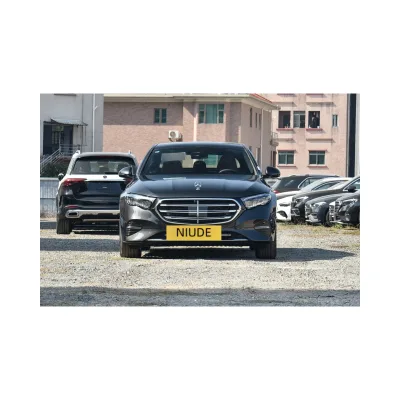

Hot Sale Vehicle SUV Gasoline Car China Electric Hybrid Cars Petrol Car Electric Vehicle
$9999.00 - $14500.00
MOQ: 1 Pieces


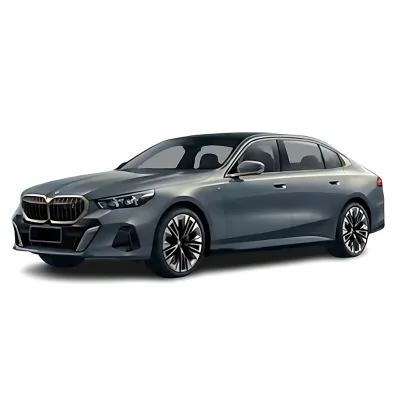

B-Yd 2026 Hybrid Smart Driving Economy City Commuter Family Sedan Range
$9899.00 - $11299.00
MOQ: 1 Pieces


Comprehensive Sourcing Guide
Strategic Sourcing Guide for Sedan Hybrid Vehicles
The global procurement landscape for sedan hybrid vehicles presents a complex array of technical specifications, regulatory requirements, and supply chain variables. For B2B buyers targeting this specific vehicle category, the primary objective is to align operational needs with the precise engineering attributes of available inventory. The current market data indicates a diverse range of offerings, from compact sedans to larger executive models, each with distinct powertrain configurations and structural characteristics. This guide outlines the critical factors for sourcing these vehicles, focusing on verified attributes such as propulsion systems, body structures, and compliance standards found in current listings.
Technical Architecture and Powertrain Specifications
Understanding the underlying technology of a hybrid sedan is the first step in any procurement strategy. The observed inventory reveals a mix of powertrain architectures, specifically noting vehicles powered by both electric and gasoline sources. This dual-fuel capability is central to the hybrid classification, offering a balance between range and efficiency. The data highlights specific propulsion details, including the use of permanent magnet motor structures, which are critical for delivering high torque density and reliability in electric drive modes.
When evaluating the technical specifications, buyers must scrutinize the displacement and power output. Listings indicate engine displacements ranging from 2500 to 4000 cubic centimeters (CC), paired with maximum power outputs observed up to 202 kilowatts (PS) and maximum torque figures reaching 405 Newton-meters (Nm). These figures suggest a tiered approach to performance, where larger sedans or those designed for higher loads may feature more robust engines. The transmission systems are predominantly automatic, facilitating seamless transitions between electric and internal combustion modes.
Furthermore, the braking systems in these hybrid units often incorporate electromagnetic technologies alongside traditional disc brakes. This integration is essential for regenerative braking systems, which capture kinetic energy during deceleration to recharge the battery. The battery type specified in the current market data is the Ternary Lithium Battery, a chemistry known for its high energy density and thermal stability, which is a preferred choice for modern hybrid applications. Buyers should verify that the specific vehicle model they intend to procure matches these technical parameters, as variations in battery chemistry and motor structure can significantly impact long-term maintenance costs and performance.
Body Structure and Dimensional Standards
The physical configuration of the vehicle is equally critical, particularly for fleet managers or logistics providers who require specific cargo or passenger capacities. The market data distinguishes between "Sedan" and "SUV" body styles, though the core keyword focuses on the sedan category. For sedans, the observed body structure is consistently a "4-Door 5-Seat Sedan" with a "Closed" body type, ensuring a traditional passenger car footprint.
Dimensional standards vary significantly across models, directly influencing storage requirements and parking logistics. For instance, one model series lists standard dimensions of 4882mm in length, 1820mm in width, and 1461mm in height. Another variant, often associated with a different model line, presents dimensions of 5092mm by 1880mm by 1493mm. These measurements are not merely aesthetic; they dictate the wheelbase, which is observed at 2705mm for certain models, affecting ride comfort and interior space.
Tire specifications also serve as a proxy for the vehicle's intended load and performance profile. The data shows tires ranging from 235/50 R18 to 255/60 R19, indicating that larger sedans may require wider and taller tires to support increased weight and torque. The weight of the vehicles themselves is a crucial metric for shipping and fuel efficiency calculations, with observed values ranging from 1320kg to 2152kg depending on the model and equipment level. Buyers must cross-reference these dimensions and weights with their specific logistical constraints, such as warehouse height limits or fleet weight distribution requirements.
Compliance, Certification, and Regulatory Alignment
Navigating the regulatory landscape is a non-negotiable aspect of international procurement. The provided data points to specific certification requirements, including an "ISOSeats:Steering:Left" designation, which implies adherence to international standards regarding seating safety and steering configuration. For markets that mandate left-hand drive operations, this is a primary compliance filter.
Beyond steering, the braking system compliance is highlighted by the presence of an Antilock Braking System (ABS), marked as "Yes" in the specifications. This is a fundamental safety standard in most jurisdictions. However, buyers must remain vigilant regarding the specific "Mgnt Certification" mentioned in the data. While the text references ISO standards, the exact nature of the management certification (e.g., ISO 9001 for quality management or specific automotive safety standards) should be verified with the supplier to ensure it aligns with the destination country's import regulations.
The product standards listed, such as the dimensional codes 488218201461 and 509218801493mm, serve as internal manufacturing benchmarks. Buyers should request documentation confirming that the vehicle's production adheres to these exact standards or their local equivalents. Additionally, the "Fuel: Electric and Gasoline" designation requires verification of emissions compliance, as hybrid vehicles often face specific tax incentives or restrictions depending on the ratio of electric to gasoline operation. Ensuring that the vehicle meets the environmental standards of the target market is essential to avoid customs delays or fines.
Cost Drivers and Procurement Economics
The financial landscape for sourcing hybrid sedans is influenced by a wide range of variables, as evidenced by the observed price range of 1859 to 200,000 USD. This broad spectrum suggests that the market includes both entry-level models and high-end, fully equipped executive vehicles. The minimum order quantity (MOQ) is observed to be flexible, ranging from 1 to 4 units, which allows for both single-unit procurement and small fleet acquisitions.
Several factors drive the cost of these vehicles. The inclusion of advanced features such as electromagnetic braking systems, ternary lithium batteries, and permanent magnet motors adds significant value but also increases the base price. The "Customization: Available" attribute indicates that buyers can request specific exterior colors, such as Gray, Blue, Red, or Silver, which may incur additional charges depending on the complexity of the paint process or the rarity of the color.
Shipping and packing methods also contribute to the total cost of ownership. The data lists "Roll-on-Roll-off Ship" and "Nude Packing" as available options. Roll-on-Roll-off (RoRo) is generally cost-effective for large shipments but may offer less protection against environmental elements compared to containerized shipping. Nude packing, which implies the vehicle is shipped without additional packaging, reduces shipping volume and cost but requires the buyer to handle the vehicle's protection during transit. Buyers should calculate the total landed cost, including freight, insurance, and any potential customs duties, rather than focusing solely on the unit price.
Supplier Evaluation and Quality Assurance
Evaluating suppliers for hybrid vehicles requires a rigorous approach to quality assurance. The origin of the vehicles is listed as China, a major hub for automotive manufacturing. While this offers competitive pricing, it necessitates a thorough vetting process to ensure that the manufacturing facilities adhere to strict quality control protocols. Buyers should verify the supplier's track record in producing vehicles that meet the specific technical standards observed in the data, such as the 2705mm wheelbase or the specific tire sizes.
Quality control should extend beyond the initial inspection. Given the complexity of hybrid powertrains, buyers should request detailed test results regarding the battery life, motor efficiency, and the integration of the electromagnetic braking system. The "Condition: New" attribute is a baseline requirement, but it does not guarantee the absence of manufacturing defects. Establishing a clear acceptance criteria document that references the specific technical parameters (e.g., maximum torque of 260nm or 405nm, maximum speed of 175 or 193 km/h) is essential for validating the delivered product.
Furthermore, the availability of customization options suggests that the supplier has a flexible production line. Buyers should assess the supplier's ability to maintain quality consistency across different customizations. A supplier that can reliably produce vehicles in Gray, Blue, Red, and Silver without compromising structural integrity or performance is preferable to one that struggles with color variations.
Long-Term Procurement and Operational Considerations
Sourcing hybrid sedans is not merely a transactional activity but a strategic decision with long-term implications. The "Drive Mode: Front Drive" and "Drive: FWD" specifications indicate a specific handling characteristic that buyers must consider for their operational environment. In regions with heavy snow or rain, the traction characteristics of front-wheel-drive vehicles may require additional considerations, such as winter tires or specific driving training for operators.
The "Radar: Rear" feature indicates the presence of rear-sensing technology, which is a valuable safety asset for fleet operations. However, the long-term viability of this technology depends on the availability of spare parts and the supplier's support for software updates. Buyers should inquire about the supplier's policy on software maintenance and the availability of diagnostic tools for the hybrid system.
Finally, the "Fuel: Gasoline, Electric" duality means that the vehicle's maintenance regimen will differ from a purely internal combustion engine vehicle. Fleet managers must plan for the maintenance of high-voltage battery systems and electric motors, which may require specialized technicians. The observed maximum speeds of 175 km/h and 193 km/h suggest that these vehicles are capable of highway performance, but buyers should ensure that the maintenance schedule accounts for the unique wear patterns of hybrid drivetrains. By focusing on these long-term operational factors, buyers can ensure that their investment in hybrid sedans delivers sustained value and reliability over the vehicle's lifecycle.
FAQs
What battery type is used in these sedan hybrid vehicles?
These vehicles use a Ternary Lithium Battery for power storage. This chemistry offers high energy density and thermal stability, which is essential for reliable hybrid performance in both electric and gasoline drive modes.
Can I customize the exterior color of the sedan?
Yes, customization is available for exterior colors including Gray, Blue, Red, and Silver. Buyers can select specific finishes to match fleet branding or personal preferences without altering the core vehicle specifications.
Which certification ensures the steering and seating safety?
The vehicles carry an ISOSeats:Steering:Left certification for safety compliance. This confirms adherence to international standards regarding seating safety and left-hand drive configuration required for specific regional markets.
How is the braking system configured in these models?
The braking system combines Electromagnetic technology with Disc brakes. This setup supports regenerative braking to recharge the battery while providing reliable stopping power for the hybrid powertrain.
What is the minimum order quantity for purchasing these cars?
The minimum order quantity ranges from 1 to 4 units depending on the supplier. This flexible MOQ allows buyers to acquire single vehicles or small fleet batches without excessive inventory commitments.
Which dimensions define the standard sedan body structure?
Standard dimensions include lengths of 4882mm or 5092mm with corresponding widths and heights. These measurements define the closed body type and wheelbase, ensuring adequate interior space for passengers and cargo.
What fuel types do these hybrid sedans utilize?
These sedans operate on both Electric and Gasoline fuel sources. The dual-fuel capability allows for efficient city driving using electricity and extended range capability using gasoline when needed.