Source Self Priming Chemical Centrifugal Pump for Water, Oil, and Chemicals
Explore 30 listings of Self Priming Chemical Centrifugal Pump options from Chinese manufacturers. Buyers can compare specifications including head, capacity, and impeller types for industrial applications.
Key considerations
Products List

$200.00 - $2000.00
MOQ: 1 Pieces


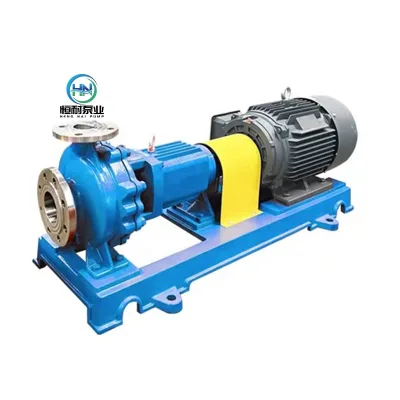
China Manufacture Stainless Steel Self Priming Chemical Centrifugal Pump
$500.00 - $50000.00
MOQ: 1 Pieces


High Efficiency Horizontal Centrifugal Self-Priming Low Pressure Chemical Pump
$199.00 - $1999.00
MOQ: 1 Pieces



Comprehensive Sourcing Guide
Strategic Sourcing Guide for Self-Priming Chemical Centrifugal Pumps
Understanding Core Technical Architectures and Variants
The procurement of self-priming chemical centrifugal pumps requires a granular understanding of the specific mechanical architectures available in the global market. Based on observed product data, the self-priming mechanism is frequently achieved through designs incorporating an inner recirculation system. This configuration allows the pump to evacuate air from the suction line and establish prime without external assistance, a critical feature for applications where the liquid source is below the pump level. The internal recirculation design is distinct from other self-priming methods and is often paired with a direct connection transmission, ensuring efficient power transfer from the driving motor to the impeller.
When evaluating technical specifications, buyers must distinguish between the various impeller types and casing configurations that define the pump's suitability for specific chemical processes. The market offers both closed and semi-open impeller designs. Closed impellers are generally preferred for high-efficiency applications involving clean fluids, while semi-open impellers are often selected for handling liquids containing larger particles or slightly abrasive chemicals. The observed data indicates that specific models, such as the DFCZ series, are explicitly marketed as open and semi-open impeller chemical pumps, suggesting a design focus on versatility and resistance to clogging.
The mounting and shaft positioning are equally critical for installation planning. The industry standard for these units often involves a horizontal pump configuration with a horizontal split casing design. This split-pump feature facilitates maintenance by allowing access to the internal components without disconnecting the suction and discharge piping. The driving type is predominantly electric motor-driven, though some configurations may utilize air engines. The maximum head capacity observed in the current market ranges significantly, with some units rated for 80-110 meters and others exceeding 150 meters. This variance dictates the selection process; a buyer must match the required system head against the specific model's capabilities, such as the ZX or CYZ-A series, which demonstrate different performance envelopes.
Compliance, Certification, and Standard Verification
In the chemical processing sector, regulatory compliance is not merely a formality but a prerequisite for operational safety and legal liability. When sourcing self-priming chemical centrifugal pumps, buyers must rigorously verify that the supplier provides documentation for recognized international standards. The most frequently cited certifications in the current product landscape include ISO and CE marks. The CE certification, in particular, is a mandatory requirement for products entering the European market, indicating conformity with health, safety, and environmental protection standards.
However, the presence of a certification mark on a product listing does not automatically guarantee that every unit in a batch meets the standard. Buyers should treat certifications as observations of the supplier's general compliance framework rather than a blanket claim for every specific unit unless verified by a third-party test report. The supplied data notes that some products carry the "Ce" certification, while others reference "hl" or other standard codes. This inconsistency highlights the need for due diligence. Procurement teams must request the specific certificate numbers and verify their validity with the issuing body before finalizing a purchase order.
Furthermore, the origin of the product plays a significant role in the supply chain's ability to meet international standards. A substantial portion of the available inventory originates from manufacturing hubs in China, specifically Shanghai and Zibo. While these regions are established centers for pump manufacturing, the buyer must ensure that the specific factory adheres to the ISO standards claimed. The distinction between a generic "Standard Export Wooden Case" and a "Fumigation Wooden Case" also relates to international shipping regulations, particularly regarding phytosanitary requirements for wooden packaging materials. Ensuring that the packaging meets these standards prevents delays at customs and avoids potential rejection of the shipment.
Cost Drivers and Pricing Dynamics
The pricing structure for self-priming chemical centrifugal pumps is influenced by a complex interplay of material costs, manufacturing complexity, and customization requirements. The observed price range in the market is exceptionally wide, spanning from approximately $168 to $50,000 USD. This broad spectrum reflects the diversity of the product category, ranging from small-scale units for light-duty circulation to heavy-duty industrial pumps designed for high-pressure chemical transfer.
Material selection is a primary cost driver. Pumps constructed with stainless steel impellers, as noted in the product data, command a higher price point compared to those with cast iron or other alloy components. The choice of material is dictated by the chemical compatibility required for the specific application; aggressive acids or solvents necessitate high-grade stainless steel, which increases the unit cost. Additionally, the complexity of the internal recirculation system and the precision engineering required for high-head pumps (exceeding 150m) contribute to the higher end of the price range.
Customization is another significant factor affecting the final cost. The product data confirms that customization is available for these pumps. Buyers seeking specific modifications, such as unique shaft positions, specialized sealing arrangements, or custom motor fittings, should anticipate a premium over standard off-the-shelf models. The minimum order quantity (MOQ) observed is typically low, often ranging from 1 to 1 unit, which allows for flexible procurement strategies. However, for highly customized orders, the MOQ may increase, and the lead time will extend accordingly. Buyers must balance the desire for a tailored solution against the budgetary constraints and the urgency of the project timeline.
Typical Applications and Operational Environments
Self-priming chemical centrifugal pumps are engineered for a diverse array of industrial applications, with their primary function being the efficient transfer of liquids under varying conditions. The data indicates that these pumps are utilized in scenarios requiring the handling of dirty water with large particles, as well as in high-pressure chemical transfer operations. The "Mainsuction Pump" work function suggests their utility in systems where the suction line is long or where the liquid source is not immediately accessible.
The specific applications can be categorized by the nature of the fluid and the operational demands. For instance, the DFCZ series, identified as an open and semi-open impeller chemical pump, is well-suited for applications involving corrosive or abrasive chemicals where the risk of clogging is a concern. The high vacuum degree and positive displacement exhauster method found in certain models make them ideal for vacuum-assisted transfer processes or systems requiring rapid priming in emergency scenarios.
Furthermore, the maximum capacity ranges observed, from 300-400 L/min to over 400 L/min, indicate that these pumps are scalable for both small-scale laboratory use and large-scale industrial production lines. The "Circulating Pump" usage tag highlights their role in closed-loop systems, such as cooling towers or chemical reaction vessels, where continuous fluid movement is essential. The ability to handle high-pressure conditions, with heads reaching up to 110 meters or more, makes them suitable for vertical lift applications and long-distance pipeline transfers. Buyers must align the pump's specific capabilities, such as the impeller type and maximum head, with the specific demands of their process to ensure optimal performance and longevity.
Supplier Evaluation and Quality Assurance Protocols
Evaluating a supplier for self-priming chemical centrifugal pumps requires a multi-faceted approach that goes beyond simple price comparison. Given the technical complexity of these machines, the supplier's manufacturing capability and quality control processes are paramount. Buyers should prioritize suppliers who demonstrate a clear track record in producing pumps with the specific attributes required, such as the direct connection transmission or the specific impeller configurations observed in the market.
Quality assurance should be a central component of the supplier evaluation. Buyers must verify that the supplier has established protocols for testing the pumps before shipment. This includes verifying the working pressure, checking the vacuum degree, and ensuring the motor driving type functions correctly under load. The presence of certifications like ISO and CE is a positive indicator, but it should be complemented by requests for specific test reports for the batch being purchased. The supplier's ability to provide detailed documentation regarding the impeller material, such as stainless steel composition, is also crucial for verifying chemical compatibility.
Location and logistics are also factors in supplier selection. The concentration of manufacturers in Shanghai and Zibo, China, suggests a mature supply chain, but buyers must assess the supplier's logistical capabilities. The packaging method, whether it is a standard export wooden case, a plywood box, or a bare shipment, impacts the safety of the equipment during transit. A supplier that offers fumigation wooden cases demonstrates an awareness of international shipping regulations, which can prevent costly delays. Additionally, the availability of OEM services indicates that the supplier is capable of adapting to the buyer's specific branding and technical requirements, adding value to the partnership.
Long-Term Procurement and Lifecycle Management
Procuring a self-priming chemical centrifugal pump is a long-term investment that extends well beyond the initial purchase. Buyers should consider the lifecycle management of the equipment, including maintenance, spare parts availability, and potential for future upgrades. The horizontal split pump design observed in many models facilitates easier maintenance, reducing downtime and labor costs over the life of the pump. However, the availability of specific spare parts, such as impellers, seals, and mechanical components, must be confirmed with the supplier before the order is placed.
The customization options available, such as the ability to specify the position of the pump shaft or the driving type, allow buyers to tailor the equipment to their specific facility layout and operational needs. This flexibility can extend the useful life of the pump by ensuring it remains compatible with future process changes. Buyers should also consider the energy efficiency of the pump, particularly for high-head applications where the motor power consumption can be significant. Selecting a pump with a high-performance advantage, as noted in the product data, can lead to substantial energy savings over time.
Finally, the relationship with the supplier should be viewed as a strategic partnership. A supplier that offers comprehensive technical support, including installation guidance and troubleshooting assistance, adds significant value to the procurement process. The ability to source replacement parts quickly and the availability of technical expertise for complex chemical applications are critical factors in ensuring the continuous and reliable operation of the pump. By focusing on these long-term considerations, buyers can mitigate risks and maximize the return on their investment in self-priming chemical centrifugal pumps.
FAQs
How does the self-priming mechanism work in these pumps?
The self-priming mechanism utilizes an inner recirculation system to evacuate air from the suction line without external assistance. This design allows the pump to establish prime even when the liquid source is located below the pump level, ensuring reliable operation in varied installation scenarios.
Which impeller types are available for chemical transfer?
Both closed and semi-open impeller designs are available depending on the fluid requirements. Closed impellers offer high efficiency for clean fluids, while semi-open impellers, such as those in the DFCZ series, are better suited for handling corrosive or abrasive chemicals with larger particles.
Can these pumps handle high-pressure applications effectively?
Yes, these pumps are designed for high-pressure applications with maximum heads ranging from 80 to over 150 meters. Buyers must select specific models like the ZX or CYZ-A series based on their required system head to ensure optimal performance and longevity in vertical lift or long-distance transfers.
What certifications should I verify before purchasing?
Buyers should verify that products carry recognized international certifications such as ISO and CE marks. While these marks indicate general compliance, it is crucial to request specific certificate numbers and third-party test reports to confirm that every unit in the batch meets the required safety and environmental standards.
How does customization affect the pump pricing and lead time?
Customization is available for shaft positions, sealing arrangements, and motor fittings, which typically increases the unit cost. While the minimum order quantity is often one unit, highly customized orders may extend the lead time, requiring buyers to balance specific technical needs against budgetary constraints and project urgency.
What packaging standards are used for international shipping?
Pumps are typically packed in standard export wooden cases, plywood boxes, or fumigation wooden cases to meet phytosanitary requirements. Selecting a supplier that offers fumigation wooden cases helps prevent customs delays and ensures the equipment arrives safely, adhering to international shipping regulations for wooden packaging materials.