Source Self-Priming Diesel Water Pump for Fire Fighting, Dewatering, and Emergency Crew
Find 30 self-priming diesel water pump options from suppliers in China. Compare specifications for fire fighting, dewatering, and emergency crew applications with features like AC three-phase output and water cooling.
Key considerations
Products List


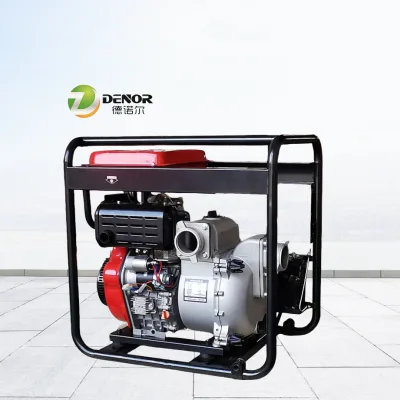
3 Inch 7.5HP Diesel Engine Self-priming Water Pump for Wastewater Treatment
$1036.29 - $3627.02
MOQ: 1 sets
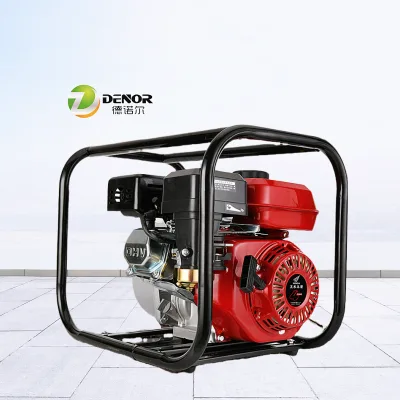


Diesel Power Non-Clogging Strong Self-Priming Pump Water Pump Diesel Pump
$5363.00 - $6373.00
MOQ: 1 Pieces

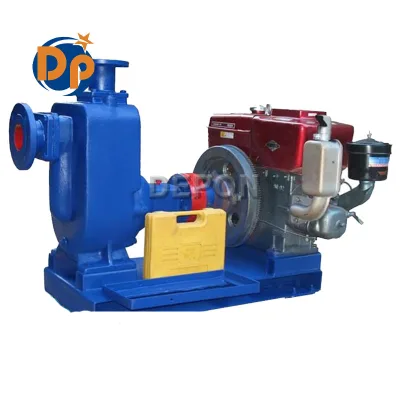


Comprehensive Sourcing Guide
Strategic Sourcing Guide for Self-Priming Diesel Water Pumps
Understanding Core Technical Specifications and Operational Modes
When evaluating self-priming diesel water pumps for industrial procurement, the buyer must first distinguish between the specific mechanical architectures available in the current market. The supplied data indicates a distinct bifurcation in product types, ranging from standard diesel water pumps to specialized units designed for fire fighting and dewatering. A critical observation in the product landscape is the existence of the "Self-priming Pump With Inner Recirculation" type, which relies on a specific internal mechanism to maintain prime without external assistance. This contrasts with other entries in the dataset that identify the unit simply as a "Water Diesel Pump" or a "Centrifugal Pump," suggesting that the internal recirculation feature is a premium or specialized attribute rather than a universal standard for all diesel pumps listed.
The propulsion and power systems vary significantly across the observed inventory. While the majority of the units are driven by diesel engines, with specific mentions of Cummins, Weichai, and Ricarco as engine manufacturers, there are also entries where the driving type is listed as "Motor." This discrepancy requires immediate clarification during the sourcing phase to ensure the procurement aligns with the requirement for a self-contained, engine-driven unit rather than an electrically driven pump. Furthermore, the transmission method is predominantly described as "Direct Connection Transmission," which implies a rigid coupling between the engine and the impeller, a configuration that offers high efficiency but may transmit more vibration compared to belt-driven systems.
The operational theory for these units is also diverse. Some products are categorized under a "Gas-hydraulic Hybrid Type" theory with a "Slide" structure, while others are defined by their application as "Sea Water" pumps or "Trash Pumps." The maximum head for certain models is observed in the range of 80-110m, a critical parameter for determining the vertical lift capabilities required for specific site conditions. Buyers must verify if the specific model number, such as ZBC or ZBCY, corresponds to the desired hydraulic performance, as the dataset lists multiple model numbers (PDG-GF, ZBC, ZBCY, SCP) without explicitly mapping each to a unique performance curve. The voltage and frequency specifications, typically 400V/200V and 50Hz/60Hz respectively, apply to the control systems and alternators rather than the diesel engine itself, which operates independently of the grid.
Compliance, Certification, and Regulatory Standards
Navigating the regulatory landscape for diesel water pumps requires a rigorous verification of certifications, as the market data presents a mix of international and regional standards. The observed product attributes list ISO9001, CE, Soncap, and Saso as available certificates. However, the context explicitly notes that CE is a low-confidence background fact and should not be treated as a guaranteed attribute for every listed product. Consequently, buyers must treat the presence of these certifications as potential options rather than inherent qualities of the supply. The requirement for specific regional certifications, such as Soncap (Nigeria) or Saso (Saudi Arabia), indicates that the supply chain is oriented toward export markets with strict import compliance requirements.
The standards governing the manufacturing and fuel usage are equally critical. The dataset references "Diesel fuel" as the production standard, confirming the energy source, while "SGS" is listed as a standard for specific pump models like the ZBC. This suggests that third-party inspection and verification by bodies like SGS may be a prerequisite for certain product lines. Buyers should not assume that a supplier offering ISO9001 certification automatically meets the specific SGS or regional standards required for their project. The warranty period is consistently noted as 1 year or 1500 hours of running time, whichever comes first. This dual metric is a vital contractual term that buyers must understand; it implies that heavy usage can exhaust the warranty period faster than the calendar time, necessitating careful monitoring of operational hours during the procurement phase.
Furthermore, the "Conditions of Use" are specified as "Land Use," which restricts the application of these units to terrestrial environments. This is a crucial compliance point for buyers planning to deploy pumps in marine or submersible applications, as the "Sea Water" label in the product attributes likely refers to the fluid being pumped rather than the environment in which the pump operates. The "Ordinary" land use type further reinforces that these are not specialized offshore units. Buyers must verify that the "Self-Priming" capability is maintained under the specific soil and terrain conditions of their site, as the "Portable" installation method suggests the units are designed for mobility but may require specific anchoring or leveling on uneven ground.
Cost Drivers and Pricing Dynamics
The pricing structure for self-priming diesel water pumps is highly variable, with observed ranges spanning from $25 to $50,000 USD. This vast disparity is not indicative of a single product category but rather reflects the diversity in power output, brand components, and optional features. The power capacity ranges from 10kW to 3000kW, a factor that directly correlates with the cost. A 10kW unit will naturally fall at the lower end of the price spectrum, while a 3000kW unit, likely intended for large-scale industrial or emergency crew applications, will command a premium price. The "Power" attribute is a primary cost driver, but it is not the only one.
The choice of engine and alternator brands significantly influences the final price. The dataset lists Cummins, Weichai, and Ricarco as engine options, and Stamford or Faraday as alternator options. Premium brands like Cummins and Stamford typically carry a higher cost premium compared to Weichai or Faraday, depending on the specific market positioning and availability. Additionally, the "Optional" features listed, such as Silent/Waterproof Canopy, ATS (Automatic Transfer Switch), and Parallel Systems, add substantial value and cost to the base unit. A basic diesel water pump without a canopy or ATS will be significantly cheaper than a fully integrated standby unit designed for emergency crews.
The Minimum Order Quantity (MOQ) ranges from 1 to 50 units, suggesting that suppliers are flexible for small projects but may offer better pricing or terms for bulk orders. The "Production Leading Time" is consistently cited as 15 to 20 working days, which is a fixed cost factor in terms of project scheduling rather than direct financial cost. However, expedited shipping or custom modifications could extend this timeline and increase logistics expenses. The "Plywood Package" and "Wood Case" mentioned in the product attributes represent the standard packaging, which is generally included in the price, but specialized packaging for hazardous or oversized shipments could incur additional charges. Buyers should request a detailed breakdown of costs to understand how much of the price is attributed to the engine, the pump housing, the control panel, and the optional accessories.
Typical Applications and Industry Use Cases
The versatility of self-priming diesel water pumps is evident in the wide range of applications described in the product data. The "Usage" attribute explicitly categorizes these units for "Common Units," "Standby Unit," and "Emergency Crew" scenarios. This triad of usage highlights the dual nature of these pumps: they serve as primary workhorses for routine operations and as critical backup systems for power outages or disasters. In the context of "Fire Fighting," the pumps are designated as "Fire Fighting Pump" or "Water Fire Pump," indicating their role in maintaining water pressure for fire suppression systems in industrial facilities, construction sites, or public infrastructure.
The "Industry" classification as "Mechanical Pump" suggests broad applicability across sectors such as construction, mining, agriculture, and municipal water management. The "Trash Pump" and "Dewatering Pump" labels point to specific use cases involving the removal of water containing solids, debris, or sediment, which is common in construction site drainage, flood control, and wastewater management. The "Sea Water" designation implies suitability for coastal applications, such as dewatering shipyards or desalination plant intake systems, although the "Land Use" constraint limits their deployment to the shore or on vessels rather than submerged marine environments.
The "Portable" installation method is a key feature for emergency response teams. These units can be quickly deployed to flood zones, disaster areas, or remote construction sites where grid power is unavailable. The "Self-Priming" capability is particularly valuable in these scenarios, as it allows the pump to start and move water without the need for manual priming or complex suction piping setups. The "Air Engine Type" being "Diesel Engine" ensures that the units can operate independently of external power sources, making them ideal for remote locations or situations where fuel supply is more reliable than electricity. The "Four Stroke" engine configuration, observed in the data, offers a balance of fuel efficiency and power output suitable for both continuous operation and intermittent emergency use.
Supplier Evaluation and Quality Assurance Protocols
Evaluating suppliers for self-priming diesel water pumps requires a multi-faceted approach that goes beyond simple price comparison. The "Location" data indicates that major manufacturing hubs are in Shandong and Wenzhou, China. While this provides geographical context, buyers should not assume that all products from these regions meet the same quality standards. The "Customization" attribute is marked as "Available," which suggests that suppliers are willing to tailor units to specific requirements, such as voltage, frequency, or canopy type. However, customization introduces complexity and potential quality risks, necessitating a rigorous vetting process.
Quality control should focus on the verification of the "Control Panel" brands, such as Deeapsea, Smargen, and Haitai2012. These components are critical for the safe and efficient operation of the pump, and the reputation of the panel manufacturer can be a proxy for the overall quality of the assembly. Buyers should request documentation proving the authenticity and compatibility of these control panels with the selected engine and alternator. The "Warranty Period" of 1 year or 1500 hours is a standard offering, but buyers should negotiate terms that extend this period or clarify the conditions under which the warranty is voided, particularly regarding the "Running" hours metric.
The "Production Leading Time" of 15 to 20 working days is a benchmark for lead time, but buyers must verify if this timeline includes the time for customization, testing, and packaging. The "Plywood Package" and "Wood Case" are standard, but the quality of the packaging material should be inspected to ensure it protects the unit during transit, especially for international shipments. The "Certificate" list includes ISO9001, CE, Soncap, and Saso, but as noted, these should be verified on a per-order basis. Buyers should request copies of the actual certificates for the specific batch of units being purchased, rather than relying on general supplier claims.
Long-Term Procurement and Maintenance Considerations
Sourcing self-priming diesel water pumps is not just a one-time transaction but a long-term commitment to maintenance and operational reliability. The "Warranty Period" of 1 year or 1500 hours sets the baseline for initial support, but buyers must plan for post-warranty maintenance. The "Engine" brands listed, such as Cummins and Weichai, have established global service networks, which is a significant advantage for long-term support. Buyers should verify the availability of spare parts and service centers in their region before finalizing the purchase. The "Alternator" brands, Stamford and Faraday, also have widespread support, but the compatibility of parts between different brands must be confirmed.
The "Optional" features like the "ATS" and "Parallel System" add layers of complexity to the maintenance regimen. An ATS system requires regular testing to ensure it functions correctly during a power outage, while a parallel system involves synchronization of multiple units, which requires specialized training for operators. The "Silent / Waterproof Canopy" adds environmental protection but also introduces potential points of failure, such as ventilation issues or water ingress, which must be inspected regularly. The "Four Stroke" engine design is generally more efficient and durable than two-stroke engines, but it requires regular oil changes and filter replacements to maintain performance.
The "Cooling Method" of "Water Cooling" is a critical factor in long-term operation. Buyers must ensure that the cooling system is compatible with the local water quality, especially if the pump is used for "Sea Water" or "Trash Pump" applications where sediment and salinity can cause corrosion or clogging. The "Direct Connection Transmission" minimizes maintenance points compared to belt-driven systems but requires precise alignment to prevent premature wear. The "Theory" of "Gas-hydraulic Hybrid Type" and "Slide" structure suggests a specific mechanical design that may require specialized maintenance procedures. Buyers should request detailed maintenance manuals and training from the supplier to ensure their team can properly care for the equipment.
Comparative Analysis of Product Models and Attributes
To facilitate decision-making, it is useful to compare the different product models and their associated attributes based on the available data. The following table summarizes the key distinctions between the observed product lines, highlighting the variations in model numbers, origins, and specific features.
| Product Model | Origin | Engine Brand | Alternator Brand | Key Attribute | Packaging |
|---|---|---|---|---|---|
| PDG-GF | Shandong, China | Cummins, Weichai, Ricarco | Stamford, Faraday | Diesel Fuel Standard | Plywood Package |
| ZBC | Wenzhou | Diesel Engine | N/A | SGS Standard | Wood Case |
| ZBCY | Wenzhou | Diesel Engine | N/A | Water Diesel Pump | N/A |
| SCP | Wenzhou | N/A | N/A | Motor Driving Type | N/A |
This comparison reveals that the PDG-GF model is a comprehensive diesel unit with specific engine and alternator options, originating from Shandong. The ZBC and ZBCY models, originating from Wenzhou, focus on the pump mechanism itself, with the ZBC explicitly linked to SGS standards. The SCP model is distinct in its "Motor" driving type, which may not meet the "diesel" requirement for some buyers. The "Wood Case" packaging for ZBC models suggests a different level of protection compared to the "Plywood Package" for PDG-GF. Buyers must carefully match these attributes to their specific project needs, ensuring that the origin, engine brand, and packaging align with their logistical and technical requirements.
Final Procurement Recommendations and Verification Steps
In conclusion, sourcing self-priming diesel water pumps requires a meticulous approach that balances technical specifications, compliance, cost, and long-term operational needs. Buyers should prioritize verifying the engine and alternator brands, as these are the core components that determine performance and reliability. The "Customization" option offers flexibility but must be managed with clear specifications to avoid quality issues. The "Warranty Period" and "Production Leading Time" are standard metrics that should be confirmed in the contract, along with the specific certification requirements for the target market.
The "Conditions of Use" and "Land Use" constraints must be strictly adhered to, ensuring that the pumps are deployed in appropriate environments. The "Optional" features like the ATS and canopy should be evaluated based on the specific operational risks of the site. Finally, the "Quality Control" process should include a thorough inspection of the "Control Panel," "Transmission," and "Cooling Method" before shipment. By following these guidelines and leveraging the data provided, buyers can make informed decisions that ensure the procurement of high-quality, reliable self-priming diesel water pumps that meet their specific project requirements.
FAQs
What engine brands are available for self-priming diesel water pumps?
Available engine brands include Cummins, Weichai, and Ricarco. These options allow buyers to select based on specific performance needs and regional availability while ensuring compatibility with the pump system.
Can I get a self-priming diesel water pump with ISO9001 certification?
Yes, ISO9001 certification is available for these units. Buyers should verify specific product listings for this standard as it may vary by model and supplier location, alongside other regional certificates like Soncap.
How long is the production lead time for these pumps?
The production lead time is typically 15 to 20 working days. This duration applies to standard manufacturing cycles, though customizations or specific order volumes may influence the final delivery schedule.
Which voltage and frequency options are supported for these units?
Supported voltage options are 400V or 200V, with frequencies of 50Hz or 60Hz. These specifications apply to the control panels and alternators, ensuring compatibility with various electrical grid standards.
What is the warranty period for a self-priming diesel water pump?
The warranty period is 1 year or 1500 hours of running time, whichever comes first. This dual metric ensures coverage for both calendar time and operational intensity during the unit's lifecycle.
Can the pump be customized for specific applications?
Customization is available for various requirements. Buyers can request specific features like silent canopies, ATS systems, or parallel systems to tailor the unit for standby or emergency crew usage scenarios.
What is the maximum head capacity for these pumps?
The maximum head capacity ranges from 80 to 110 meters for certain models. This specification is critical for determining the vertical lift capabilities required for specific site conditions and applications.