Source Artificial Flower for Garden, Wedding, and Home Decor
Explore 30 listings of Artificial Flower options suitable for various settings including gardens, weddings, and interior decoration. Buyers can compare features like material, size, and customization availability to find the right match for their needs.
Key considerations
Products List


Decorative Wholesale Artificial Plants Artificial Flowers Guangzhou Supplier
$10.00 - $12.00
MOQ: 492 Pieces


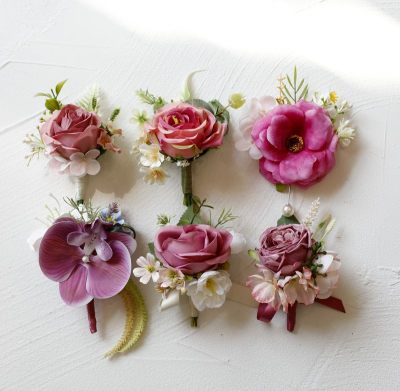


Artificial Flower, Rose Plastic Flowers. Plastic Flowers for Home Decoration
$4.36 - $5.00
MOQ: 2000 Sets


$0.48 - $5.00
MOQ: 1000 piece
Comprehensive Sourcing Guide
Strategic Sourcing Guide for Artificial Flower Procurement
Understanding Product Specifications and Variability
The Artificial Flower market presents a complex landscape where specifications vary significantly between product lines, often within the same supplier catalog. Buyers must distinguish between general category attributes and specific product data points to avoid procurement errors. The supplied data indicates a wide spectrum of product characteristics, ranging from specific dimensions to broad material compositions. For instance, one product line specifies a standard size of 38cm with a carton dimension of 0.760.760.38m, while another entry lists a standard of approximately 50cm. A third variation notes a specific size of 12cm, likely referring to individual head dimensions rather than the full stem length.
When evaluating technical specifications, buyers should verify the "Model Number" and "Product Name" against the intended application. The data shows distinct models such as "I9" and "DZ-003-#0570," alongside descriptive names like "13 Heads Artificial Peony Flower" and "Artificial Wisteria Flower." These identifiers are critical for inventory management and reordering. Furthermore, the "Product Name" field often contains typos or variations, such as "Product Nmae," which underscores the need for rigorous data validation during the initial sourcing phase.
The "Design Style" and "Style" attributes reveal a diverse range of aesthetic options, including Modern, Tropical, Art Decor, Luxury, Industrial, Contemporary, Classic, Minimalist, Traditional, Country, Transitional, Novelty, Morden Luxury, Casual, Children's, and Rustic. The "Color" attribute is equally expansive, listing Green, Yellow, Red, Pink, White, Custom, Black, Silver, Colorful, Blue, Gold, Clear, Greens, Gray, and Brown. Buyers must confirm that the specific SKU they select matches the desired color code, as the data lists specific color combinations like "1# Corsage, 1# Wrist flower" through "10#," suggesting a standardized color palette that may not align with custom brand requirements without explicit customization agreements.
Material Composition and Functional Attributes
The functional performance of artificial flowers is heavily dependent on the materials used in their construction. The supplied facts list a variety of materials including Plastic, PE (Polyethylene), Fabric, PP (Polypropylene), PVC (Polyvinyl Chloride), WPC (Wood-Plastic Composite), and Polyester. Each material offers distinct properties regarding durability, texture, and environmental resistance. For example, PE and PVC are commonly associated with high UV resistance and weatherability, making them suitable for outdoor applications, whereas Fabric and Polyester may offer a more natural tactile feel but require specific care for moisture resistance.
Functional attributes listed in the data include Moisture-proof, Fireproof, Heat insulation, Mould-proof, Anti-static, Sound-absorbing, Smoke-proof, Soundproof, Antibacterial, Acid-resistant, Wear-resistant, Anti-slip, and Firebrick. These claims suggest that certain product lines are engineered for specific environments, such as high-traffic commercial spaces or areas with strict fire safety codes. However, buyers must treat these as observed attributes of specific listings rather than universal guarantees for all artificial flowers. The "Feature" attribute highlights "Evergreen," "Cold-resistant," "Eco-friendly," "Waterproof," "Anti-uv," "Durable," and "Non-slip." The presence of "Anti-uv" and "Cold-resistant" is particularly relevant for products intended for outdoor use, such as garden fences or highway fences, as noted in the "Usage" and "Application" fields.
The "Room space" attribute specifies "Outdoor," while the "Season" attribute indicates "All-season," "Everyday," and "Summer." This combination suggests that the products are designed to withstand varying weather conditions without fading or degrading. The "Lifetime" attribute provides a specific range of 3-5 Years for certain items, which serves as a benchmark for expected durability. Buyers should verify if this lifespan applies to the specific material composition they are purchasing, as UV exposure and physical wear can significantly impact the actual service life of the product.
Cost Drivers and Minimum Order Quantities
Pricing and order volume are critical factors in B2B procurement strategies for artificial flowers. The observed price range in the market data spans from 0.34 to 20 USD, indicating a significant variance based on complexity, material quality, and customization. The "MOQ" (Minimum Order Quantity) ranges from 5 to 2000 pieces, with specific data points showing MOQs of 492 pieces, 100PCS/Color, and 100PCS. These variations highlight the importance of aligning order volume with supplier capabilities and budget constraints.
The "Customization" attribute is listed as "Available" in some contexts but "Non-Customized" in others, creating a potential point of confusion. Buyers must clarify whether the "Custom" color option implies a custom dye process or simply a selection from an existing palette. The "Small Orders: Accepted" attribute suggests flexibility for buyers with lower volume needs, potentially at a higher unit cost. The "Product Nmae" and "Keywords" such as "Artificial Flowers" and "Peony Artificial Flowers" indicate that specific designs may carry different price premiums due to the complexity of the "Handmade" processing method noted in the data.
The "prod_packing" attribute specifies "4PCS Be Packed in a Box" for one product and "by Carton" for another, which directly impacts shipping costs and logistics planning. The "Cbm" (Cubic Meter) value of 0.219/PC provides a concrete metric for calculating freight costs, allowing buyers to optimize container loading. The "Carton Size" of 0.760.760.38m is another critical dimension for warehousing and transport. Buyers should calculate the total volume and weight based on the specific packaging configuration to ensure accurate freight estimates and avoid unexpected surcharges.
Compliance, Certification, and Safety Standards
Navigating compliance and certification requirements is essential for international trade, particularly when importing goods into markets with strict safety regulations. The supplied data includes a low-confidence background reference to "CE" certification. Buyers should not assume that all listed products carry CE certification or any other specific standard unless explicitly verified in the supplier's documentation. The "prod_standard" field lists values like "38cm" and "about 50cm," which refer to physical dimensions rather than regulatory standards.
When evaluating compliance, buyers must verify if the materials used, such as PVC or PE, meet local flammability and toxicity regulations. The "Fireproof" and "Firebrick" attributes suggest that some products may be designed to meet specific fire safety requirements, but these claims require independent verification through test reports. The "Origin" is listed as "Guangzhou, China" and "Guangdong, China," which are major manufacturing hubs. Buyers should request proof of origin and any relevant export certifications from the supplier to ensure the goods can clear customs without issues.
The "Payment" methods listed include T/T, Western Union, Moneygram, and Paypal. While these are standard payment options, buyers should be aware of the risks associated with certain methods and ensure that payment terms align with the "Lead Time" of 7-15 Days. The "Logo Printing" attribute states "Without Logo Printing," indicating that customization of branding may not be available for all items, or it may require a separate negotiation. Buyers seeking private labeling must confirm the feasibility and additional costs before proceeding.
Typical Applications and Usage Scenarios
The versatility of artificial flowers allows for a wide range of applications, as evidenced by the extensive "Usage" and "Application" lists. The data mentions "Festival, Garden, Hanging, Home decoration, Plant engineering, Shopping mall, Wall, Home decor, Commerce, Administration, Entertainment, Interior tiles, Highway fence," and "School." This breadth of application suggests that the products are suitable for both residential and commercial environments. The "Occasion" list further expands on this, covering "Graduation, Christma, New year, Wedding, Back to school, Thanksgiving, Mother's day, Valentine's day, Father's day, Easter, Earth day, Halloween, Chinese new year, April fool's day, Party, Presents, Travel, Business gifts, Retirement, Campi."
For commercial buyers, the "Application" fields highlight "Garden, Decoration, Hotel, Garden fence, School." This indicates that the products are robust enough for high-traffic areas like hotels and schools. The "Style" attributes such as "Artificial Flower," "Bonsai," and "Spherical Flower" suggest specific design formats that can be used for targeted decor. The "Plant Type" includes "Flowers, Grass, Ivy, Plant," allowing for the creation of diverse landscapes and interior designs. The "Suitable for" list reinforces the suitability for "Home, Wedding, Restaurant, Supermarket, Hotel, etc."
Buyers should consider the specific environment where the flowers will be displayed. For outdoor use, the "Anti-uv," "Waterproof," and "Cold-resistant" features are crucial. For indoor use, the "Sound-absorbing" and "Mould-proof" attributes may be more relevant, particularly in spaces like hotels or restaurants where hygiene and acoustics are important. The "Display" attribute simply states "Decoration," but the context of the other attributes implies a focus on aesthetic enhancement for various settings.
Supplier Evaluation and Quality Control Protocols
Evaluating suppliers requires a careful review of their production capabilities, quality control measures, and logistical reliability. The "Processing" method is noted as "Handmade," which implies a higher level of craftsmanship but also potential variability in consistency. Buyers should request samples to verify the quality of the "Handmade" work and ensure it meets their standards. The "Brand Name" "DZMJ" is mentioned, but buyers should not rely on brand reputation alone without verifying the supplier's track record.
Quality control should focus on the "Feature" and "Function" attributes. Buyers must verify that the "Evergreen," "Durable," and "Non-slip" claims hold true under actual usage conditions. The "Lifetime" of 3-5 Years should be tested against the specific environmental conditions of the buyer's location. The "Customization" availability must be confirmed, as the data shows conflicting information regarding "Available" and "Non-Customized."
Logistical considerations include the "Lead Time" of 7-15 Days and the "Small Orders: Accepted" policy. Buyers should ensure that the supplier can meet these timelines consistently, especially during peak seasons. The "Payment" terms should be negotiated to protect the buyer's interests, and the "Origin" location should be verified to ensure compliance with import regulations. The "prod_packing" and "Carton Size" details are essential for planning storage and shipping, and buyers should confirm that the packaging is robust enough to prevent damage during transit.
Long-Term Procurement and Inventory Management
Sourcing artificial flowers is not just a one-time transaction but a long-term relationship that requires strategic planning. The "Season" attribute of "All-season" and "Everyday" suggests that these products have a consistent demand, making them suitable for year-round inventory. However, the "Occasion" list indicates seasonal spikes in demand for events like "Christmas," "Easter," and "Valentine's day." Buyers should plan their inventory levels to accommodate these fluctuations, ensuring they have sufficient stock during peak periods.
The "Customization" aspect offers opportunities for brand differentiation, but it also adds complexity to the supply chain. Buyers should establish clear guidelines for customization to avoid delays and quality issues. The "MOQ" variations require buyers to balance order volume with storage costs and cash flow. The "Cbm" and "Carton Size" data should be used to optimize warehouse space and shipping efficiency.
Long-term success in this market depends on maintaining strong relationships with suppliers and staying informed about market trends. Buyers should regularly review the "Product Nmae" and "Model Number" to ensure they are sourcing the latest and most relevant designs. The "Material" and "Feature" attributes should be monitored to ensure that the products continue to meet evolving safety and environmental standards. By focusing on these long-term considerations, buyers can build a resilient and efficient procurement strategy for artificial flowers.
FAQs
How long does the lead time take for these artificial flowers?
The lead time is typically 7 to 15 days for production and delivery. This duration applies to standard orders and may vary if customization or specific packaging requirements are requested by the buyer.
What is the minimum order quantity for purchasing these flowers?
Minimum order quantities vary by product, ranging from 100 pieces per color to 492 pieces for specific models. Buyers should verify the exact MOQ for the desired model number before placing an order.
Which materials are used to construct these artificial flowers?
These flowers are constructed from materials such as plastic, PE, fabric, PP, PVC, WPC, and polyester. The specific material depends on the product model and intended application, such as outdoor or indoor use.
Can I get these flowers customized with my own logo?
Logo printing is generally not available as the standard product listing indicates no logo printing. Customization options like color selection may be available, but branding requires separate confirmation with the supplier.
Where are these artificial flowers manufactured and shipped from?
The products originate from manufacturing hubs in Guangzhou and Guangdong, China. This location serves as the primary point of origin for shipping and logistics planning for international buyers.
What is the expected lifetime of the artificial wisteria flowers?
The expected lifetime for specific Artificial Flower models is approximately 3 to 5 years. This duration assumes normal usage conditions and may be affected by environmental factors like UV exposure.
How are the artificial flowers packed for shipment?
Packaging configurations include 4 pieces packed in a single box or bulk packing by carton. Carton dimensions are approximately 0.76 by 0.76 by 0.38 meters, which affects shipping volume calculations.