Source Semi-Automatic Plastic Tray Sealing Machine for Tofu, Lunchbox, Fast Food
Find 30 semi-automatic plastic tray sealing machines for vegetable, fruit, and meat packaging. Compare models like SY-01, BG-2, and KIS-1 with varying tray sizes and sealing functions to match your production needs.
Key considerations
Products List


Semi-Automatic Packaging Sealer Tray Sealing Machine Food Plastic Containers
$330.00 - $350.00
MOQ: 1 Pieces


Semi Automatic Food Table Plastic Tray Bowl Container Plate Sealer
$18000.00 - $25000.00
MOQ: 1 Pieces
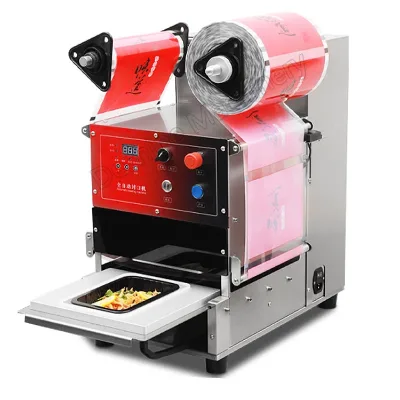


Automatic Tray Sealing Machine Lunch Box Sealing Machine Food Tray Sealing Machine
$1600.00 - $1700.00
MOQ: 1 Sets

Keeping Fresh Fish Meat Packaging Sealing Machine Semi-Automatic Tray Sealer
$10000.00 - $12000.00
MOQ: 1 Pieces


12m/min Automatic packing machine semi-automatic plastic bag sealing machine
$500.00 - $600.00
MOQ: 1 Sets

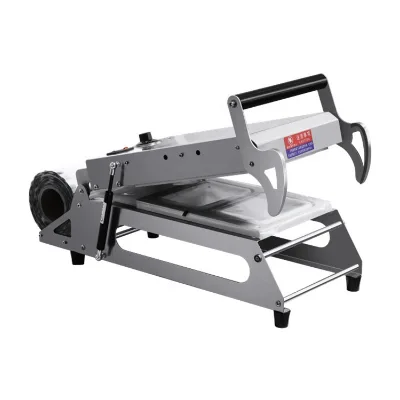


Bottle Jar Box Tray Cup Plastic Sealer Film Sealing Machine
$6000.00 - $10000.00
MOQ: 1 Sets
Guangzhou Baoneng Packaging Machinery and Equipment Co., Ltd.


Comprehensive Sourcing Guide
Strategic Sourcing Guide for Semi-Automatic Plastic Tray Sealing Machines
The global demand for efficient food packaging solutions has elevated the semi-automatic plastic tray sealing machine to a critical asset for small-to-medium enterprises and large-scale production lines alike. These machines bridge the gap between fully manual operations and high-speed automated systems, offering a balance of flexibility, cost-efficiency, and operational control. For procurement professionals, understanding the nuanced specifications, material compatibility, and compliance requirements is essential to selecting equipment that aligns with specific production goals. This guide synthesizes observed market data and technical attributes to provide a structured approach to sourcing these essential packaging units.
Technical Specifications and Operational Mechanics
When evaluating semi-automatic tray sealing machines, buyers must first scrutinize the driven type and automatic grade, as these define the machine's operational rhythm and labor requirements. The market data indicates a diverse range of driven types, including electric and pneumatic systems. Electric models are often preferred for their ease of integration into standard factory power grids, while pneumatic drives may offer specific advantages in sealing pressure consistency for certain product types. The automatic grade is a critical differentiator; while some units are classified as fully automatic, the semi-automatic category requires operator intervention for loading or unloading, yet automates the sealing process itself.
Material composition is another paramount technical specification. High-grade stainless steel is frequently cited as the primary material for the machine's structural components and sealing surfaces. This choice is driven by the need for corrosion resistance, ease of cleaning, and compliance with food safety hygiene standards. The sealing mechanism itself often utilizes specific packaging materials such as plastic or film, which must be compatible with the machine's heating elements and pressure settings. Furthermore, the forming function is a key performance indicator; successful units typically combine filling and sealing capabilities, allowing for a continuous workflow where the tray is formed, filled, and sealed in a single cycle.
The physical specifications of the machine, particularly the tray size, vary significantly based on the application. Standard configurations may support specific dimensions like 200 x 140 x 50mm, while many suppliers offer customized tray sizes to accommodate unique product geometries. This flexibility is crucial for businesses handling diverse product lines, such as tofu boxes, lunchboxes, or fast-food trays. The model numbers observed in the market, such as SY-01, BG-2, and FSC-420, serve as identifiers for these varying configurations, though the specific capabilities of each model must be verified against the buyer's exact throughput needs.
Compliance, Certification, and Safety Standards
In the realm of food and beverage packaging, regulatory compliance is non-negotiable. Buyers must verify that the machinery adheres to relevant international and local safety standards. The observed market data highlights the CE certification as a standard compliance marker for equipment originating from manufacturing hubs in China. This certification indicates that the machine meets the health, safety, and environmental protection standards for products sold within the European Economic Area. However, the presence of a CE mark should be treated as a baseline verification rather than a guarantee of universal compliance; buyers must ensure the specific model they intend to purchase holds valid certification for their target market.
Beyond general safety, the machine's construction must support the specific hygiene requirements of the food industry. The use of stainless steel is not merely a durability feature but a compliance necessity to prevent contamination and facilitate rigorous cleaning protocols. Additionally, the mechanical properties of the sealing mechanism, described as a "flexible container sealing" capability, must be validated to ensure it does not compromise the integrity of the packaging during the sealing process. For applications involving sensitive products like dairy, meat, or fish, the machine must maintain a sterile environment during operation.
Buyers should also investigate the warranty terms provided by the supplier. A standard warranty period of one year is observed in the market, which serves as a critical risk mitigation tool. This warranty should cover both parts and labor for mechanical failures, ensuring that downtime is minimized. It is essential to clarify the scope of the warranty, including whether it covers consumable parts like heating elements or sealing jaws, which may require more frequent replacement.
Cost Drivers and Pricing Structures
The pricing of semi-automatic plastic tray sealing machines is influenced by a complex interplay of factors, resulting in a wide observed price range from $10 to $75,000 USD. This vast disparity is not indicative of quality variance alone but reflects differences in automation levels, material quality, customization options, and included features. Lower-priced units often correspond to basic manual or semi-automatic models with limited customization and standard tray sizes. Conversely, higher-priced models typically feature advanced pneumatic or electric drives, robust stainless steel construction, and the ability to handle customized tray dimensions and complex sealing patterns.
Material costs play a significant role in the final price. Machines constructed entirely from high-grade stainless steel will inherently cost more than those utilizing mixed materials. Similarly, the complexity of the sealing mechanism, such as double sealing capabilities or specialized filling functions, adds to the manufacturing cost. The packaging method of the machine itself, whether shipped in a standard carton or a reinforced wooden case, also impacts the logistics cost, which is often factored into the final price.
Minimum Order Quantity (MOQ) is another critical cost driver. The observed MOQ range of 1 to 6 units suggests that suppliers are flexible, catering to both single-unit buyers and small batch purchasers. However, buyers should be aware that ordering multiple units may unlock volume discounts or reduce per-unit shipping costs. Additionally, the lead time, which can vary based on the origin location (e.g., Wenzhou, China), affects the total cost of ownership when factoring in inventory holding costs or production delays.
Typical Applications and Industry Versatility
The versatility of semi-automatic tray sealing machines is evident in their broad application range. These units are designed to handle a diverse array of products, including vegetables, fruits, fish, meat, snacks, rice, flour, seasonings, dairy products, and drinks. This adaptability makes them suitable for various sectors, from fresh food processing to packaged convenience foods. The ability to seal different types of packaging, such as plastic trays, film, and boxes, further enhances their utility across different supply chains.
Specific applications highlight the machine's specialized capabilities. For instance, the "Tofu Box" and "Lunchbox Sealing" functions indicate a strong presence in the ready-to-eat food market, where speed and hygiene are paramount. Similarly, the "Fast Food Tray Sealing Machine" designation points to high-volume environments requiring rapid turnaround times. The inclusion of "Hair Care Products," "Skin Care Products," and "Cosmetics" in the application list demonstrates that these machines are not limited to food but are also effective for non-food consumer goods, provided the sealing requirements are compatible.
The distinction between "Solid," "Bulk Solid," and "Liquid" material types is crucial for application matching. While some models are optimized for solid items like meat or snacks, others are engineered to handle bulk solids or even liquids like drinks and dairy products. Buyers must ensure that the selected machine's sealing mechanism can handle the viscosity and consistency of their specific product to prevent leakage or seal failure.
Supplier Evaluation and Origin Considerations
When sourcing these machines, the origin of the equipment is a significant factor in the evaluation process. The market data identifies China, and specifically Wenzhou, as a primary manufacturing hub. Wenzhou is known for its concentration of packaging machinery manufacturers, offering a competitive landscape with a wide variety of models. However, buyers must exercise due diligence when selecting a supplier from this region. While the location offers cost advantages and a vast network of components, the quality of the final product can vary.
Supplier evaluation should focus on the transparency of their product attributes. Buyers should verify the specific model numbers, such as BG, KIS-1, or SY-01, against the supplier's technical documentation. The presence of detailed specifications regarding the automatic grade, driven type, and material type is a strong indicator of a reputable supplier. Additionally, the warranty terms, such as the standard one-year coverage, should be clearly defined in the contract.
It is imperative to avoid relying on unverified claims regarding certifications or performance metrics. While CE certification is observed, buyers must request valid certificates for the specific model they are purchasing. Similarly, claims about production capacity or sealing speed should be validated through third-party testing or detailed technical datasheets rather than marketing materials. The supplier's ability to provide customization, such as adjusting tray sizes or sealing parameters, is also a key differentiator in the supplier selection process.
Quality Control and Long-Term Procurement Strategy
Implementing a robust quality control (QC) strategy is essential for ensuring the longevity and reliability of semi-automatic tray sealing machines. Buyers should establish clear acceptance criteria before production begins, focusing on the mechanical properties of the sealing mechanism and the durability of the stainless steel components. Regular testing of the sealing integrity on actual product samples is recommended to verify that the machine meets the required standards for different material types.
Long-term procurement considerations extend beyond the initial purchase price. Buyers should evaluate the availability of spare parts and the technical support provided by the supplier. The "Double Sealing Machine" and "Tray Sealing Machine" categories often involve complex mechanical parts that may require replacement over time. A supplier with a strong local or regional support network can significantly reduce downtime and maintenance costs.
Furthermore, the customization availability offered by many suppliers allows for future-proofing the investment. As product lines evolve, the ability to adapt the machine to new tray sizes or sealing requirements ensures that the equipment remains relevant. Buyers should also consider the energy efficiency of the machine, particularly if it is driven by electric or pneumatic systems, as this impacts operational costs over the machine's lifespan. By prioritizing quality, support, and flexibility, buyers can secure a reliable asset that supports their production goals for years to come.
Comparative Analysis of Machine Attributes
To facilitate a clearer understanding of the market offerings, the following table summarizes the key attributes observed in the semi-automatic plastic tray sealing machine segment. This comparison highlights the diversity in specifications and helps buyers identify the features most relevant to their specific needs.
| Attribute Category | Observed Variations | Key Considerations for Buyers |
|---|---|---|
| Automatic Grade | Manual, Semi-Automatic, Automatic | Verify the level of operator intervention required; Semi-Automatic balances cost and speed. |
| Driven Type | Electric, Pneumatic | Assess factory power availability; Pneumatic may offer better pressure control for specific seals. |
| Material Type | Grain, Solid, Bulk Solid | Ensure the machine handles the specific physical state of the product (e.g., liquid vs. solid). |
| Packaging Material | Plastic, Film, Carton, Wooden Case | Check compatibility with existing packaging supplies; Wooden case often indicates heavy-duty shipping. |
| Tray Size | Standard (200x140x50mm), Customized | Confirm if the machine supports custom dimensions for unique product packaging. |
| Application Scope | Food (Meat, Dairy, etc.), Cosmetics, Drinks | Match the machine's sealing capability to the product's viscosity and sensitivity. |
| Certification | CE, C (Model Specific) | Request valid certificates; CE is a baseline for European markets. |
| Warranty | 1 Year (Standard) | Clarify coverage scope; ensure it includes critical mechanical parts. |
| Origin | China, Wenzhou | Verify supplier reputation and after-sales support capabilities in the region. |
This structured approach to sourcing ensures that buyers make informed decisions based on verified data rather than marketing claims. By focusing on technical specifications, compliance, and long-term operational needs, procurement professionals can secure semi-automatic plastic tray sealing machines that deliver consistent performance and value.
FAQs
What automatic grades are available for these machines?
Semi-automatic, automatic, and manual grades are available for selection. Buyers can choose based on their labor requirements, with semi-automatic models requiring operator intervention while automating the sealing process itself.
Which materials are used to construct the machine body?
Stainless steel is the primary material used for structural components and sealing surfaces. This choice ensures corrosion resistance, ease of cleaning, and compliance with food safety hygiene standards for various applications.
Can the machine handle different product types like meat or drinks?
Yes, the machine applies to vegetables, fruits, fish, meat, snacks, rice, flour, seasonings, dairy products, and drinks. It also supports non-food items like cosmetics and cleaning detergents depending on the sealing mechanism.
What tray sizes can the machine accommodate?
Standard tray sizes include 200 x 140 x 50mm, but customized sizes are available. This flexibility allows businesses to handle diverse product geometries such as tofu boxes, lunchboxes, and fast-food trays.
How is the machine driven and what power source is used?
Electric and pneumatic driven types are available in the market. Electric models are preferred for easy integration into factory power grids, while pneumatic drives may offer specific advantages in sealing pressure consistency.
What certifications should I verify before purchasing?
CE certification is a standard compliance marker observed for equipment originating from China. Buyers must verify that the specific model holds valid certification for their target market to ensure safety and environmental compliance.
What is the typical warranty period for these machines?
A standard warranty period of one year is observed in the market. This warranty serves as a risk mitigation tool covering parts and labor for mechanical failures to minimize operational downtime.