Source Semi-Self Propelled Concrete Grooving Machine for Road Repair
Find and compare 30 Semi-Self Propelled Concrete Grooving Machine options from verified suppliers. Evaluate key specifications such as cutting depth, power source, and mobility features to select the right equipment for your infrastructure projects.
Key considerations
Products List
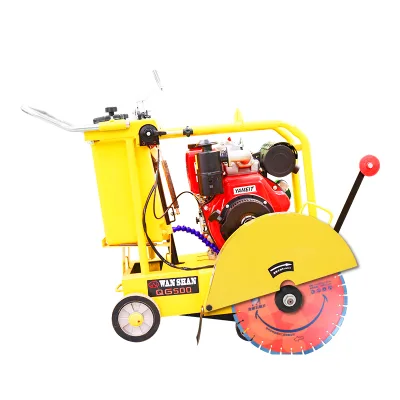

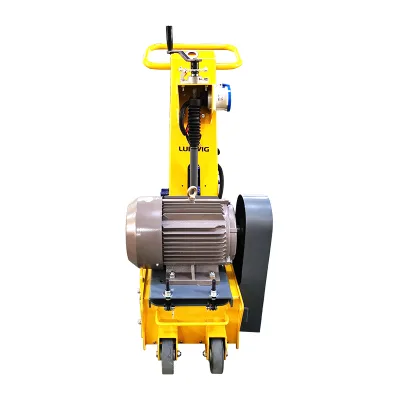


Gasoline Engine Semi-Self Propelled Concrete Cutting Machine Gyc-220 Series
$950.00 - $1070.00
MOQ: 1 Pieces


Concrete Machinery Surface Finishing Screed Machine Concrete Screed Machine for Sale
$160.00 - $500.00
MOQ: 1 Pieces


Hot Sell Self-Propelled 250mm Working Width Concrete Scarifying Machine
$1739.00 - $1879.00
MOQ: 1 Pieces


Reliable Quality Semi Automatic Mold Free Grooving Machine for Building Material
$3900.00 - $6500.00
MOQ: 1 Pieces

Concrete Grooving Applications for Non-Slip Surfaces-Concrete Scarifier
$1288.00 - $1590.00
MOQ: 1 Set

Self-Propelled Diesel Power Concrete Milling Machine with 500mm Milling Width
$4000.00 - $5000.00
MOQ: 1 Pieces
Comprehensive Sourcing Guide
Semi-Self Propelled Concrete Grooving Machine Sourcing Guide
Procuring a semi self-propelled concrete grooving machine requires a disciplined approach to aligning mechanical capabilities with specific pavement maintenance objectives. These machines are engineered to cut precise joints into existing concrete surfaces, a critical process for controlling cracking and ensuring proper drainage in infrastructure projects. The "semi self-propelled" designation indicates a hybrid operation model where the machine moves under its own power but often requires manual guidance or stabilization during the cutting phase. Buyers must evaluate how this operational characteristic fits their workforce’s skill level and the physical constraints of their job sites, particularly in urban environments or tight construction zones where fully autonomous units might be too large or complex to maneuver effectively.
The sourcing landscape for these specialized tools is characterized by a wide variance in specifications, pricing, and supplier origins. Market data indicates that listed prices for related heavy machinery can range significantly, from entry-level units around $160 to high-capacity industrial systems exceeding $35,000, reflecting differences in build quality, power sources, and automation levels. Minimum order quantities (MOQ) are typically low, often ranging from 1 to 5 units, which suggests that most suppliers operate on a direct-to-project or small fleet basis rather than bulk manufacturing. This structure allows procurement teams to acquire single units for specific trials or small contracts without committing to large inventory risks, provided the total cost of ownership is carefully calculated against the machine’s expected lifespan and maintenance requirements.
Product Scope and Observed Listing Signals
The product scope for concrete grooving and cutting equipment encompasses a variety of machine types, including road cutters, laser screeds, and sealing machines, each serving distinct phases of pavement construction and maintenance. Observed listings reveal a diversity in blade diameters, ranging from 350mm to 1000mm, which directly correlates with the maximum cutting depth and the width of the groove that can be produced. For instance, specific models like the JBC4.0 and CQ-500 highlight different operational parameters, such as cutting speeds up to 150m/h and maximum depths of 50cm. Buyers should recognize that these specifications are not universal; a machine designed for shallow sealing joints may not possess the structural integrity or power to handle deep structural grooving in thick concrete slabs, making it essential to match the blade size and motor power to the specific material thickness and hardness of the target pavement.
Listing signals also indicate a strong emphasis on mobility and automation features, with many units described as mobile, semi-automatic, or equipped with electric servo systems. The presence of features such as "HIGH QUALITY" and "High operating efficiency" in product attributes suggests that suppliers are competing on performance metrics rather than just price. However, these are observational claims rather than verified performance guarantees. Buyers must look beyond these marketing terms to understand the underlying mechanics, such as the distinction between diesel-powered units and electric servo-driven systems. The observed voltage of 380V and power ratings like 11KW or 2.6kw provide concrete data points for electrical compatibility, while the mention of Honda Gx630 engines indicates reliance on established internal combustion platforms for hydraulic or drive power. Understanding these technical signals helps in filtering out machines that may be suitable for light-duty tasks but inadequate for heavy industrial grooving applications.
Technical Specifications to Verify
When verifying technical specifications, the first priority is to confirm the machine’s cutting capacity and precision capabilities. Buyers must ensure that the maximum cutting depth aligns with the project’s engineering requirements, as some listed models specify working depths of only 5-8mm, which is suitable for sealing but insufficient for structural grooving. Conversely, other models advertise a maximum cutting depth of 50cm, indicating a much more robust frame and powerful motor system. It is crucial to verify the blade size range, which can vary from 40-120cm, and ensure that the machine’s frame can accommodate the largest blades required for the job. Additionally, the cutting speed, observed at 150m/h for certain models, should be cross-referenced with the machine’s cooling system and blade wear rate to estimate actual daily productivity, as theoretical speeds often differ from field performance due to material hardness and operator technique.
Power and drive systems are another critical area for verification, as they dictate the machine’s autonomy and operational flexibility. The observed data includes a mix of power sources, including diesel engines, electric servo systems, and specific engine models like the Honda Gx630. Buyers must determine whether the semi-self-propelled feature relies on hydraulic drive from a diesel engine or an electric motor, as this affects noise levels, emissions, and maintenance needs. The weight of the machine, ranging from 246kg to 255kg for some models, is a key factor in stability and transport logistics; heavier machines may offer better cutting stability but require more effort to position and load onto transport vehicles. Furthermore, the transmission type, listed as manual in some cases, impacts the operator’s ability to control feed rates precisely, which is essential for achieving uniform groove depth and spacing.
Compliance and Safety Documentation
Compliance and safety documentation are non-negotiable prerequisites for importing and operating heavy machinery in most jurisdictions. Buyers must verify that the supplier provides valid certification documents, such as CE marking for European markets or ISO9001 for quality management systems. The observed listings mention certifications like ISOCCC and TSEEC, which may be specific to certain regional standards or internal supplier quality protocols. It is the buyer’s responsibility to confirm that these certifications are recognized by the local regulatory bodies where the machine will be used. Additionally, the presence of video outgoing inspections is a positive indicator of supplier transparency, allowing buyers to visually verify the machine’s condition and assembly quality before shipment. However, this should be supplemented with written test reports and safety compliance certificates to ensure that the machine meets all electrical and mechanical safety standards.
Safety features and operational manuals are equally important to verify before finalizing a purchase. The machine should be equipped with necessary guards, emergency stop buttons, and clear labeling for hazardous components, particularly around the high-speed rotating blade. Buyers should request detailed operation and maintenance manuals in their native language, ensuring that all safety warnings and procedural instructions are clearly communicated. The warranty period, observed as 1 Year for some models, provides a baseline for post-purchase support, but buyers should clarify what components are covered and whether on-site service is available. Understanding the warranty terms helps in assessing the long-term risk of ownership and ensures that any defects discovered during the initial operational phase can be addressed without significant additional cost or downtime.
Cost Drivers and Commercial Terms
Cost drivers for semi self-propelled concrete grooving machines are influenced by several factors, including the power source, blade capacity, and level of automation. Diesel-powered units with high horsepower and large blade capacities tend to be more expensive due to the complexity of the engine and hydraulic systems. Similarly, machines with electric servo systems and advanced automation features may command a premium price due to the precision control they offer. Buyers should also consider the weight and build quality of the machine, as heavier, more robust frames require more material and manufacturing effort, contributing to a higher base price. The observed price range of $160 to $35,000 reflects this diversity, with lower-end models likely being smaller, less powerful units suitable for light-duty tasks, while higher-end models are built for heavy industrial use.
Commercial terms, including packaging, shipping, and payment conditions, significantly impact the total cost of acquisition. The observed packing method, such as wooden cases, is standard for protecting machinery during transit but adds to the shipping weight and volume. Buyers should negotiate clear terms for packaging to ensure that the machine is adequately protected without incurring excessive freight costs. Additionally, the minimum order quantity (MOQ) of 1-5 units suggests flexibility in purchasing, but buyers should inquire about volume discounts if acquiring multiple units for a fleet. Payment terms, such as letters of credit or advance payments, should be structured to mitigate risk, ensuring that payment is linked to verifiable milestones like production completion or shipment. Understanding these commercial nuances helps in budgeting accurately and avoiding hidden costs that can erode the value of the procurement.
Supplier Qualification and Quality Control
Supplier qualification is a critical step in ensuring the reliability and longevity of the purchased equipment. Buyers should verify the supplier’s manufacturing capabilities, including their facility size, production capacity, and quality control processes. The observed origin of many machines, such as Anhui and Henan in China, indicates a concentration of manufacturing hubs for construction machinery. Buyers should request evidence of the supplier’s experience in producing grooving machines, including references from previous clients or case studies of successful deployments. Additionally, the availability of customization options, as noted in some listings, suggests that the supplier has the flexibility to adapt machines to specific client requirements, which can be a valuable asset for unique project needs.
Quality control measures should be rigorously evaluated before placing an order. Buyers should inquire about the testing procedures used to verify machine performance, including load tests, blade alignment checks, and electrical system inspections. The provision of video outgoing inspections is a positive sign, but buyers should also request detailed inspection reports and photos of the machine before shipment. Furthermore, the warranty terms and after-sales support structure should be clearly defined, including the availability of spare parts and technical assistance. A supplier with a robust quality control system and responsive support network can significantly reduce the risk of operational failures and downtime, ensuring that the machine delivers consistent performance throughout its service life.
Long-Term Procurement Checks
Long-term procurement checks focus on the sustainability and supportability of the machine over its operational lifespan. Buyers should assess the availability and cost of replacement parts, particularly for high-wear components like blades, bearings, and hydraulic seals. A supplier with a well-stocked parts inventory and a clear distribution network can minimize downtime and maintenance costs. Additionally, the technical support structure, including remote diagnostics and on-site service capabilities, should be evaluated to ensure that any issues can be resolved quickly and efficiently. The warranty period, typically one year, provides initial protection, but buyers should consider extended service contracts or maintenance agreements for long-term coverage.
Finally, buyers should monitor the supplier’s product development and innovation trajectory to ensure that the machine remains relevant and competitive. Suppliers that invest in research and development are more likely to offer upgrades, improved features, and better efficiency over time. Buyers should also stay informed about changes in industry standards and regulations that may affect the operation or modification of the machine. By maintaining a proactive approach to supplier relationship management and staying engaged with the supplier’s product roadmap, buyers can ensure that their investment in a semi self-propelled concrete grooving machine continues to deliver value and performance throughout its service life.
FAQs
What is the maximum cutting depth for this machine?
The maximum cutting depth is 50cm for the road cutter model. This specification applies to the JBC4.0 and CQ-500 variants listed. Users should verify the specific model requirements before operation to ensure safety and compliance with project standards.
Which certifications do these machines hold?
These machines hold ISO, CE, ISO9001, and CCC certifications. The product page lists ISOCCC and TSEEC as well. Buyers should confirm the specific certification documents provided by the manufacturer for their region before finalizing any purchase agreement.
Can the machine be customized for specific needs?
Yes, customization is available for this road cutting machine. The product attributes explicitly state that customization options exist. Buyers should contact the supplier directly to discuss specific modifications regarding blade size, power, or other operational parameters.
What is the warranty period for the equipment?
The warranty period is 1 Year for the new condition machines. This coverage applies to the road cutter and concrete laser machine models. Buyers should review the warranty terms carefully to understand what components are included in the standard protection plan.
How much does the machine weigh?
The weight is 246 kg for the standard road cutter model. Another variant weighs 255 kg. These weights indicate the portability of the mobile type machines. Buyers should consider these figures when planning transport and on-site handling logistics.
What is the production capacity of the machine?
The product capacity is greater than 400t/h for the specified models. This high capacity supports efficient asphalt concrete pavement work. Buyers should verify if this capacity aligns with their specific project volume requirements before placing an order.
Where is the product manufactured?
The product originates from China, specifically Anhui and Henan provinces. The place of origin is clearly stated as China in the product details. Buyers should account for shipping times and import regulations when sourcing from these locations.