Source Diesel Oil Pumps for HVAC, Industrial, and Marine Use
Find and compare 30 Diesel Oil Pump models from China, including Bitzer and CYZ types. Evaluate high-pressure, electric, and variable flow options for HVAC, industrial, and marine applications.
Key considerations
Products List
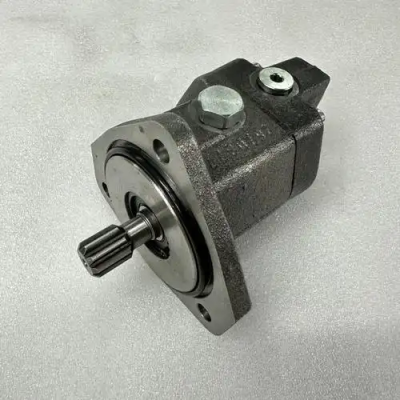


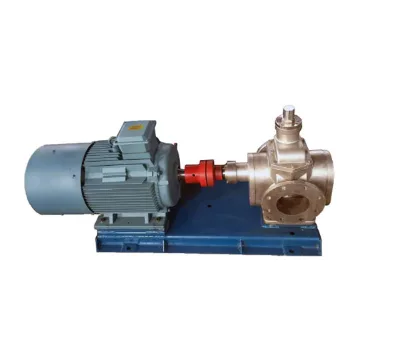


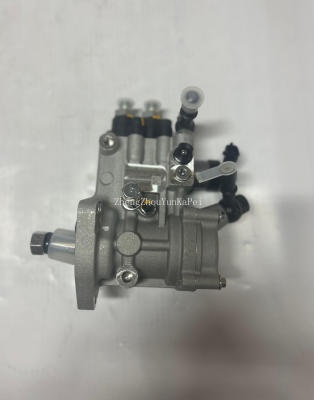


Comprehensive Sourcing Guide
Diesel Oil Pump Sourcing Guide
Procuring diesel oil pumps requires a disciplined approach to technical verification and supplier qualification, as these components are critical to the reliability of fuel delivery systems in industrial, marine, and automotive applications. The market offers a diverse array of options ranging from simple gear-driven units to complex electrically driven high-pressure systems, each suited to specific operational demands. Buyers must navigate a landscape where product attributes such as flow rate, pressure rating, and material compatibility vary significantly across different models and manufacturers. This guide provides a structured framework for evaluating diesel oil pumps based on observed market signals, technical specifications, and commercial realities, ensuring that procurement decisions are grounded in verifiable data rather than marketing claims.
The sourcing process begins with a clear understanding of the product scope and the specific operational environment in which the pump will function. Diesel oil pumps are not monolithic; they encompass a wide range of designs including internal gear pumps, single-suction centrifugal pumps, and specialized units designed for biodiesel or kerosene compatibility. Understanding these distinctions is vital for selecting a pump that can withstand the viscosity and chemical properties of the fuel it handles. Furthermore, the sourcing strategy must account for the geographic distribution of suppliers, with major manufacturing hubs in China providing a significant portion of the global supply, particularly in cities like Ningbo, Shanghai, and Jiangsu.
Product Scope and Observed Listing Signals
The current market for diesel oil pumps exhibits a broad spectrum of product types, driven by varying application requirements and technological advancements. Observed listings indicate the presence of both constant and variable flow rate pumps, suggesting that buyers can find solutions for steady-state operations as well as dynamic systems requiring adjustable output. The product range includes specific models such as the OILP01, Bitzer F-G-H-J series, CYZ, KCB, YCB, 2CY, GY-80A, and ACFD60, each representing different engineering approaches to fuel transfer. For instance, some models are explicitly designed for high-pressure performance, while others prioritize features like automatic operation or specific voltage compatibility, such as AC110V or AC220V. This diversity allows for precise matching of pump characteristics to the specific needs of the end-use machinery.
Packaging and origin details provide additional context for logistics and quality expectations. Products are typically shipped in various forms, including single-item cartons, neutral packaging, standard export wooden cases, and marine wooden cases, reflecting the varying fragility and value of the units. The place of origin is predominantly China, with specific manufacturing centers identified in Ningbo, Shanghai, and Jiangsu. These regions are known for their industrial clusters, which can offer competitive pricing and rapid production cycles. However, buyers should be aware that "neutral" packaging may indicate generic branding, which can be advantageous for private labeling but requires careful verification of the underlying manufacturer's reputation and quality control processes.
Technical Specifications to Verify
Technical verification is the cornerstone of successful Diesel Oil Pump procurement, focusing on parameters that directly impact performance and longevity. Key attributes to verify include the drive type, with electric drives being a common feature in modern listings, and the position of the pump shaft, which is often horizontal. The impeller design is another critical factor, with single-suction, single-stage, and closed impellers being typical configurations. Buyers must also assess the working pressure, as many listed products are marketed as high-pressure pumps, which is essential for applications requiring efficient fuel injection or transfer over long distances. Additionally, the tooth curve and mesh form, such as cycloid teeth and internal engagement, are relevant for gear-type pumps, influencing efficiency and noise levels.
Compatibility and operational limits are equally important to prevent system failures. Some pumps are specifically noted for their compatibility with diesel, biodiesel, and kerosene, highlighting the need for material selection that resists corrosion and degradation from alternative fuels. Suction lift and head lift capabilities, such as 3-5 meters for suction and 10-20 meters for head, define the physical constraints of the installation. Inlet and outlet thread specifications, like BSPT1", must be matched precisely to existing piping infrastructure to avoid leaks and pressure drops. Furthermore, features such as safety valves and heating jackets, as seen in certain models, indicate specialized designs for extreme conditions or specific fuel properties, requiring careful evaluation against the actual operating environment.
Compliance and Safety Documentation
Compliance with international standards is a non-negotiable aspect of sourcing diesel oil pumps, ensuring that the equipment meets safety and quality benchmarks. Listed products often reference certifications such as CE, ISO, and SGS, which serve as indicators of adherence to recognized engineering and manufacturing practices. The ISO standard is frequently mentioned, suggesting a baseline of quality management and product consistency. Buyers should verify that the specific certifications provided by the supplier are valid and applicable to the exact model being purchased, as certification status can vary across product lines. Additionally, standards like DIN may be relevant for pumps intended for European markets, requiring specific dimensional and performance criteria.
Safety documentation extends beyond certifications to include operational safeguards and material safety data. Features such as heating jackets and safety valves are critical for preventing overheating and over-pressurization, which can lead to catastrophic failures in fuel systems. Buyers must ensure that these safety mechanisms are properly integrated and tested before deployment. The warranty period, typically listed as 12 months, provides a layer of protection against manufacturing defects, but it is essential to understand the terms and conditions of this warranty. This includes clarifying whether the warranty covers labor, shipping, and specific failure modes, as well as identifying the process for claiming warranty service from international suppliers.
Cost Drivers and Commercial Terms
Cost structures for diesel oil pumps are influenced by a variety of factors, including material quality, manufacturing complexity, and order volume. The observed price range of 1 to 50,000 USD reflects the vast difference between simple, low-capacity units and high-performance, industrial-grade systems. Minimum Order Quantities (MOQ) typically range from 1 to 1000 units, offering flexibility for both small-scale replacements and large-scale procurement projects. Buyers should analyze the cost per unit in the context of the total cost of ownership, considering factors such as energy consumption, maintenance requirements, and expected lifespan. Electric drives and high-pressure capabilities often command higher prices due to the advanced engineering and materials involved.
Commercial terms and logistics play a significant role in the final landed cost. Shipping methods, such as marine wooden cases for heavy or fragile units, add to the overall expense but are necessary for safe transit. The place of origin, primarily China, offers competitive manufacturing costs but may involve longer lead times and additional customs clearance procedures. Buyers should negotiate clear terms regarding payment methods, delivery schedules, and responsibility for import duties and taxes. Understanding the supplier's production capacity and lead times is crucial for planning inventory and avoiding production delays. Additionally, customization options are available, which can increase costs but may provide significant value by tailoring the pump to specific operational needs.
Supplier Qualification and Quality Control
Supplier qualification is a critical step in mitigating the risks associated with international procurement. Buyers should conduct thorough due diligence on potential suppliers, verifying their business licenses, manufacturing capabilities, and quality management systems. The presence of certifications like ISO and SGS is a positive indicator, but it should be complemented by on-site audits or third-party inspections to ensure consistent quality. Suppliers located in industrial hubs like Ningbo, Shanghai, and Jiangsu may have established supply chains and experienced workforces, but buyers must still verify their ability to meet specific technical requirements and delivery schedules.
Quality control processes should be clearly defined and agreed upon before placing orders. This includes specifications for incoming material inspection, in-process quality checks, and final product testing. Buyers should request detailed test reports and performance data for the specific models they intend to purchase. The warranty period of 12 months is a standard offering, but buyers should also inquire about the supplier's after-sales support structure, including the availability of spare parts and technical assistance. Establishing a clear communication channel with the supplier's quality assurance team can help resolve issues quickly and maintain high standards of product reliability.
Long-Term Procurement Checks
Long-term procurement success depends on continuous monitoring of supplier performance and product reliability. Buyers should establish key performance indicators (KPIs) to track metrics such as on-time delivery, defect rates, and response time to technical inquiries. Regular reviews of these metrics can help identify potential issues early and facilitate corrective actions. Additionally, buyers should stay informed about changes in industry standards and regulations that may affect the design and operation of diesel oil pumps. This includes updates to safety standards, environmental regulations, and fuel specifications, which may require periodic upgrades or replacements of existing equipment.
Building a resilient supply chain involves diversifying suppliers and maintaining strategic relationships with key partners. While the current market offers a wide range of options, relying on a single supplier can pose risks related to capacity constraints or geopolitical factors. Buyers should consider qualifying alternative suppliers in different regions to ensure continuity of supply. Furthermore, investing in training for maintenance and operations staff can enhance the longevity and efficiency of the diesel oil pumps. By focusing on long-term value creation through rigorous supplier management and proactive maintenance, buyers can optimize their procurement outcomes and support the reliable operation of their fuel systems.
FAQs
What certifications do diesel oil pumps typically have?
Diesel oil pumps commonly hold CE and ISO certifications to ensure compliance with international safety and quality standards. Some models also feature SGS verification for additional quality assurance. These certifications indicate that the manufacturing processes and final products meet rigorous engineering requirements for industrial and commercial applications.
Can diesel oil pumps handle biodiesel and kerosene?
Yes, specific diesel oil pumps are compatible with diesel, biodiesel, and kerosene only. This compatibility ensures safe operation with various fuel types without damaging internal components. Buyers should verify the exact fluid compatibility before purchase to prevent seal degradation or performance issues in heating or transfer applications.
What is the warranty period for these pumps?
Most diesel oil pumps come with a 12-month warranty covering manufacturing defects and performance issues. This standard warranty provides buyers with confidence in product durability. It is advisable to check specific terms for each model, as warranty conditions may vary based on the supplier and specific pump configuration.
How are diesel oil pumps packaged for shipping?
Packaging varies by model and supplier, including single cartons, standard export wooden cases, or marine wooden cases. Some items are packed neutrally to protect against damage during transit. Proper packaging ensures the pump arrives in optimal condition, preventing corrosion or mechanical damage during international shipping and handling.
What drive types are available for oil pumps?
Electric drive is a common configuration for diesel oil pumps, offering reliable and consistent performance. Some models may support variable or constant flow rates depending on the application. Electric drives allow for easy integration into automated systems and provide precise control over fluid transfer operations in industrial settings.
Are customization options available for oil pumps?
Yes, customization is available for many Diesel Oil Pump models to meet specific operational requirements. Buyers can often request modifications to fit unique system constraints or performance needs. This flexibility allows for tailored solutions that enhance efficiency and compatibility with existing infrastructure or specialized industrial processes.