Source Sequined Knitted Mini Skirt for Daily Commute, Parties, and Events
Compare 30 verified listings for the Sequined Knitted Mini Skirt with options in A-Line, pencil, and full styles. Buyers can review mixed or single color variations, leather or polyester materials, and various waist shapes to find the right fit for daily commute or special occasions.
Key considerations
Products List


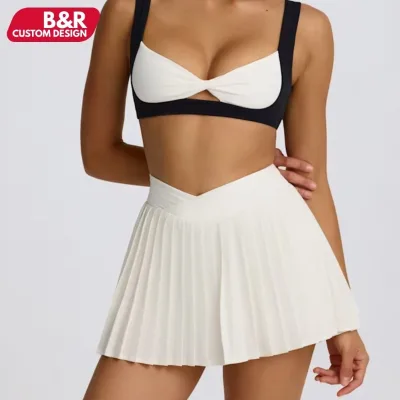


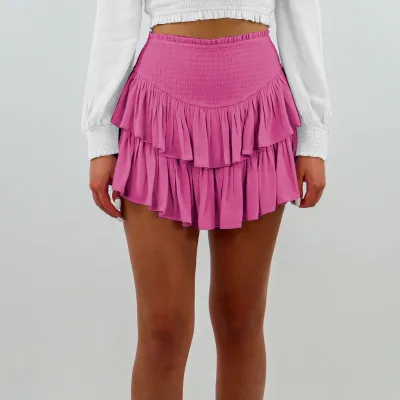


Comprehensive Sourcing Guide
Strategic Sourcing Guide for Sequined Knitted Mini Skirts
Understanding Product Attributes and Technical Specifications
When sourcing a Sequined Knitted Mini Skirt, the buyer must first reconcile the core keyword with the specific technical realities observed in the current market supply. The term "mini skirt" aligns directly with the observed specification of "Mini" length, which typically indicates a hemline positioned well above the knee. However, the market data reveals a diverse range of length specifications, including "Above Knee," "Below Knee," and "Full Length," necessitating precise definition in the initial inquiry. The "knitted" aspect of the core keyword suggests a fabric construction that offers stretch and drape, yet the observed material list includes "Leather," "Polyester," "Corduroy," and "Spandex / Nylon." While knitted fabrics often utilize Spandex for elasticity, the presence of non-knitted materials like leather and corduroy in the same supply pool indicates that buyers must explicitly confirm the fabric construction method to avoid receiving woven or stiff alternatives.
The aesthetic definition of the skirt is equally critical. The "A-Line" and "Pencil Skirt" styles are both prevalent in the observed data, representing distinct silhouettes that serve different functional needs. A-Line skirts offer a flared fit from the waist, while Pencil skirts provide a slim, body-hugging fit. The "Slim Fit" attribute is frequently paired with these styles, suggesting a tailored approach. Furthermore, the "High Waist" and "Medium Waist" options indicate that waist placement is a variable feature that must be specified. The "Sequined" element of the core keyword is not explicitly listed as a material property in the high-confidence facts, but the presence of "Printed," "Solid," and "Mixed Color" attributes suggests that surface embellishments are common. Buyers should verify if the sequins are heat-transferred, as "Heat-Transfer Printing" is a noted technique, or if they are sewn, which would impact the durability and washing method. The "Hand Wash" instruction observed in the data is a crucial constraint; sequined items often require delicate care to prevent the loss of embellishments, making machine washing a potential risk unless specific protective measures are taken.
Compliance, Certification, and Safety Standards
In the B2B procurement of apparel, particularly items involving embellishments like sequins, compliance and safety standards are paramount. The observed data mentions "Needle detection: YES," which is a significant indicator of quality control regarding physical safety. This process ensures that no metal fragments from the sequins or sewing needles remain in the finished garment, a critical requirement for markets with strict consumer safety laws. However, the absence of specific certification names in the supplied facts means buyers cannot assume compliance with international standards such as Oeko-Tex or REACH without direct verification from the supplier.
The "prod_standard" field lists "50*40 cm" and "S, M, L, XL, XXL etc." These represent packaging dimensions and size charts, respectively. While size charts are standard, the specific range provided (XXS to 3XL) suggests a broad sizing strategy that may or may not align with the buyer's target demographic. Buyers must verify if the size grading follows ISO standards or if it is a proprietary system. Additionally, the "prod_packing" details mention "Carton" and shipping methods via "Sea, Air, or Express" from "Shanghai" or "China." The origin location "Afghanistan" is also noted in the data, creating a potential discrepancy in supply chain transparency that requires clarification. Buyers should request documentation confirming the actual country of origin to ensure compliance with trade regulations and labeling laws, which often require accurate "Made in" declarations.
Cost Drivers and Pricing Dynamics
The observed price range of 3 to 17 USD provides a baseline for budgeting, but the final cost is heavily influenced by several variable factors. The "Supply Type" is listed as "In-Stock Items," which generally implies lower lead times and potentially lower costs compared to custom production. However, the "Customization: Available" attribute suggests that buyers can request modifications, which will inevitably increase the unit price. The "Number of Pieces: 2 Piece Set" indicates that some listings may be for coordinated sets rather than single skirts, which affects the per-unit cost calculation.
Material composition is a primary cost driver. While "Polyester" and "Spandex / Nylon" are generally cost-effective, the inclusion of "Leather" or high-quality "Corduroy" would push the price toward the higher end of the observed range. The "Fabric Weight" of 220 grams is a specific data point that buyers can use to benchmark quality; heavier fabrics often correlate with higher durability and cost. The "Single gross weight" of 0.200 kg and "Single package size" of 30X20X5 cm are critical for logistics planning. Shipping costs, which vary by method (Sea, Air, Express), can significantly impact the landed cost, especially for small MOQs. The "MOQ range" of 1 to 600 units offers flexibility, but ordering near the lower end (1 unit) may incur higher per-unit costs due to setup fees, while larger orders (up to 600) may benefit from economies of scale. Buyers should also consider the "7 days sample order lead time" as a factor in the overall timeline, as rapid sampling can sometimes come at a premium.
Typical Applications and Market Fit
The "Applicable Occasion" is listed as "Daily Commute," which suggests a versatile design suitable for everyday wear. However, the "Fashion Element" attributes include "Backless," "Simple," "cut-out," "Ruched Butt," and "Contrast Stitch," indicating a more stylized, fashion-forward product that may be better suited for evening wear, parties, or social events rather than strict corporate environments. The "Season" attributes cover "Spring / Autumn" and "Summer," implying that the product is designed for warmer weather or transitional seasons. This aligns with the "Mini" length and "Breathable" feature, which are ideal for heat dissipation.
The "Style" options, including "A-Line," "Pencil," and "Full Skirt," cater to different body types and fashion preferences. The "High Waist" design is particularly popular for elongating the silhouette, a common trend in modern fashion. The "Logo position: FRONT" suggests that branding is a key element for some suppliers, which may be relevant for private label opportunities. The "Strap Type: Others" indicates that the top portion of the skirt or any attached elements may vary, requiring close attention to design details. The "Element: Zipper" confirms the closure mechanism, which is essential for fit and functionality. Buyers should match these attributes to their specific target audience; for instance, a "Slim Fit" "Pencil Skirt" with "Ruched Butt" details would appeal to a different demographic than a "Full Skirt" with "Mixed Color" patterns.
Supplier Evaluation and Selection Criteria
Evaluating suppliers for this category requires a multi-faceted approach based on the available data. The "prod_origin" is listed as "Shanghai" and "China," with one instance of "Afghanistan," highlighting the need for rigorous due diligence regarding supply chain transparency. Buyers should prioritize suppliers who can clearly articulate their manufacturing location and provide proof of origin. The "Customization: Available" feature is a strong indicator of a supplier's flexibility and capability to meet specific design requirements. However, buyers must verify the extent of this customization, including whether it applies to color, pattern, or structural changes.
The "Needle detection: YES" attribute is a positive signal for quality control, but it should be part of a broader quality assurance protocol. Buyers should inquire about the supplier's testing procedures for fabric strength, colorfastness, and sequin retention. The "Washing Method: Hand Wash" suggests a need for clear care instructions to be provided to end-users, which reflects on the supplier's attention to detail. The "7 days sample order lead time" is a competitive advantage, allowing for faster product development cycles. However, buyers should also assess the "lead time" for bulk production, which is not explicitly defined in the facts but is crucial for inventory planning. The "Selling Units: Single item" and "2 Piece Set" options indicate that the supplier can handle different order configurations, which is beneficial for diverse product lines.
Quality Control and Long-Term Procurement Considerations
Quality control for sequined knitted mini skirts must address the specific risks associated with embellishments and stretch fabrics. The "Needle detection" process is a baseline requirement, but buyers should also implement checks for sequin adhesion, ensuring that the "Heat-Transfer Printing" or sewing methods used are durable. The "Fabric Weight" of 220 grams should be verified against the final product to ensure consistency. The "Single gross weight" and "Single package size" data points are essential for calculating shipping costs and optimizing container loading, which can significantly impact profitability.
Long-term procurement considerations involve building a relationship with suppliers who can maintain consistency in quality and delivery. The "In-Stock Items" availability suggests a ready-to-ship capability, but buyers should also evaluate the supplier's capacity for custom orders to ensure scalability. The "Customization: Available" attribute indicates potential for growth, but buyers must establish clear communication channels to manage design changes and quality expectations. The "Season" attributes suggest that the product may have a limited sales window, so buyers should plan their inventory levels carefully to avoid overstocking. The "Mixed Color" and "Single Color" options allow for variety, but buyers should monitor color trends to ensure the product remains relevant.
Comparative Analysis of Product Variants
To assist in decision-making, the following table compares key attributes observed in the supply pool:
| Attribute | Variant A (Standard) | Variant B (Custom/High-End) |
|---|---|---|
| Length | Mini / Above Knee | Mini / Full Length |
| Style | A-Line / Pencil | Full Skirt / Cut-out |
| Material | Polyester / Spandex | Leather / Corduroy |
| Waist | High Waist / Medium Waist | High Waist |
| Color | Single Color / Mixed Color | Mixed Color / Printed |
| Fit | Slim Fit | Slim Fit / Ruched Butt |
| Washing | Hand Wash | Hand Wash |
| Origin | Shanghai / China | China / Afghanistan |
| MOQ | 1 - 600 | 1 - 600 |
| Lead Time | 7 Days (Sample) | 7 Days (Sample) |
This comparison highlights the diversity within the market. Buyers must select the variant that best aligns with their brand identity and customer expectations. The "Needle detection" and "Hand Wash" requirements apply across most variants, emphasizing the importance of quality and care. By carefully analyzing these attributes, buyers can make informed decisions that balance cost, quality, and market fit.
FAQs
Can I customize sequined knitted mini skirts with specific details?
Customization is available for these skirts, allowing buyers to request specific modifications. However, this service may increase the unit price compared to standard in-stock items. Buyers should verify the extent of changes possible for color, pattern, or structure before ordering.
What is the typical price range for these skirts?
The observed price range for these items is between 3 and 17 USD per unit. Final costs depend heavily on material choices like leather or polyester and whether the order is a single item or a two-piece set. Customization requests will also influence the final unit cost.
How do I verify the material composition of the skirt?
Materials vary and include leather, polyester, corduroy, and spandex nylon blends. Buyers must explicitly confirm the fabric construction method to ensure it matches the knitted requirement, as non-knitted options like leather are also present in the supply pool. Requesting a fabric weight of 220 grams helps benchmark quality.
What are the minimum order quantity requirements for bulk orders?
The minimum order quantity ranges from 1 to 600 units depending on the supplier and product variant. Ordering near the lower end may incur higher per-unit costs due to setup fees, while larger orders up to 600 units can benefit from economies of scale. Buyers should confirm the specific MOQ for their chosen style.
Is needle detection performed on these garments before shipping?
Yes, needle detection is confirmed as a standard quality control measure for these products. This process ensures no metal fragments from sequins or sewing needles remain in the finished garment, meeting safety requirements for strict consumer markets. Buyers should request documentation to verify this testing protocol.
What is the lead time for sample orders?
A 7-day sample order lead time is supported for these items, facilitating faster product development cycles. This rapid sampling capability is a competitive advantage but may come at a premium compared to standard bulk production timelines. Buyers should plan their inventory schedules around this sample duration.
Which washing methods are recommended for these skirts?
Hand wash is the specified washing method for these skirts to prevent damage to embellishments. Machine washing is a potential risk unless specific protective measures are taken, especially for items with sequins or heat-transfer printing. Clear care instructions must be provided to end-users to maintain product integrity.