Source Waterproof Breathable Ski Mask for Skiing, Outdoor Sports, and Military Use
Compare 30 listings for Waterproof Breathable Ski Mask options tailored for skiing, outdoor sports, and military applications. Buyers can evaluate features like UV protection, material composition, and customization availability from verified Chinese manufacturers.
Key considerations
Products List


Balaclava Ski Mask-Face Mask for Skiing, Snowboarding, Motorcycle Riding
$2.99 - $3.20
MOQ: 500 Pieces


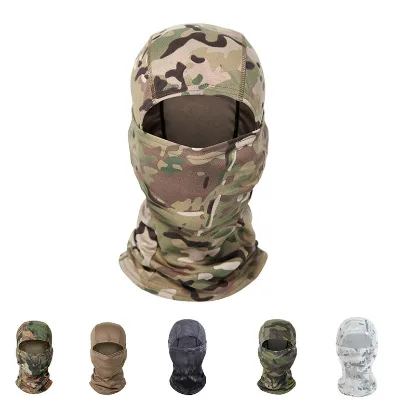
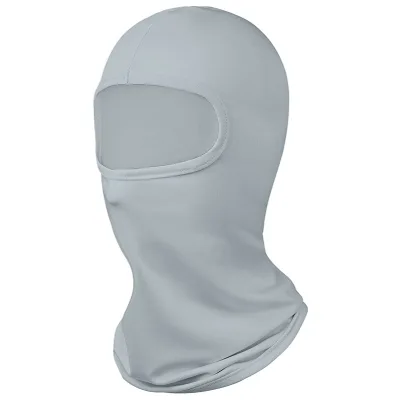
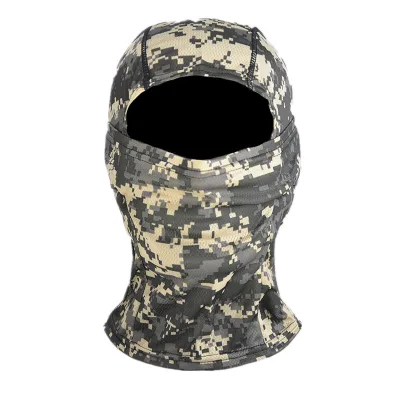
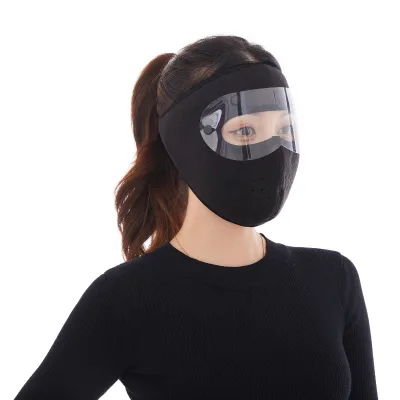



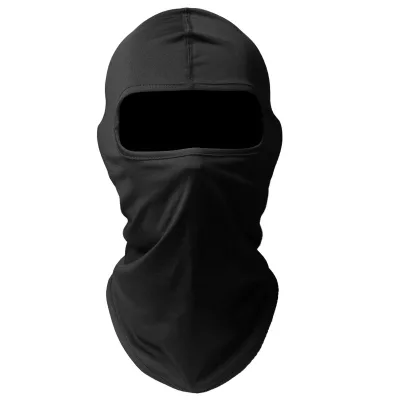



Comprehensive Sourcing Guide
Strategic Sourcing Guide for Waterproof Breathable Ski Masks
Understanding Product Specifications and Material Composition
When sourcing a Waterproof Breathable Ski Mask, the primary objective is to identify products that balance thermal retention with moisture management. Based on the available market data, the core material composition for these items frequently involves Polyester Fiber or 100% Polyester. While the keyword specifies "waterproof breathable," the supplied product attributes indicate that some listings feature Carbon Fiber in conjunction with specific certifications, suggesting a diverse range of material technologies available in the current supply chain. Buyers must verify the specific layering of these materials, as the "Main Material" listed as Polyester Fiber is a common baseline, but the functional performance regarding waterproofing often depends on the treatment applied to this base fabric.
The physical dimensions and sizing are critical for ensuring a proper fit across different demographics. The observed specifications include standard sizing categories such as S, M, and L, with some products explicitly marked as "Universal" fit. Length specifications vary, with observations of "Medium Long" and "General Long" designs, which directly impact the coverage area of the mask. Thickness is another variable, with "Medium" thickness being a noted attribute, likely correlating to the insulation level required for snowfield applications. Buyers should cross-reference these dimensional attributes against the specific needs of their target end-users, particularly regarding the "Age Group" which is predominantly listed as Adults, and the "Gender" classification which is often Unisex.
| Attribute Category | Observed Specification | Sourcing Implication |
|---|---|---|
| Main Material | Polyester Fiber, 100% Polyester, Carbon Fiber | Verify if the specific model requires a waterproof coating or membrane beyond the base fiber. |
| Size Options | S/M/L, Universal | Ensure the supplier can accommodate the full size run required for inventory diversity. |
| Length | Medium Long, General Long | Confirm coverage requirements for the specific skiing or outdoor activity. |
| Thickness | Medium | Assess thermal insulation needs against breathability requirements. |
| Fit People | Universal | Suitable for broad distribution without strict gender segmentation. |
Technical Performance and Functional Attributes
The functional requirements for a ski mask extend beyond simple warmth. The observed product attributes highlight several key performance indicators that buyers must validate. The "Application" is consistently listed as "Snowfield," while other usage contexts include "Outdoor," "Military," and "Leisure." This indicates that while the primary design intent is winter sports, the product may be marketed for broader tactical or recreational use. The "Style" is categorized as "Sport," and specific features such as "Sun UV Protection," "Lightweight," and "Breathable" are explicitly noted in product descriptions.
Breathability is a critical technical differentiator. In the context of high-intensity activities like skiing, a mask that traps sweat can lead to rapid cooling and discomfort. The attribute "Feeling: Comfortable" suggests that the internal lining or fabric texture is designed to mitigate irritation. Furthermore, the "Function" is listed as "Warm," which implies a focus on thermal regulation. Buyers should request specific test data regarding the breathability rate and waterproof rating (often measured in mm of water column) to ensure the product meets the "waterproof breathable" criteria implied by the core keyword. The "Feature" list also mentions "Sun UV Protection," which is essential for high-altitude environments where UV exposure is intense.
It is important to note that while some listings mention "Protective Clothing" under "Skating Type," this may refer to a broader category of safety gear rather than the specific ski mask itself. The "Pattern" is generally observed as "Plain," which simplifies the customization process but may limit aesthetic variety for certain retail segments. The "Usage" field also includes "Fancy," suggesting that some designs may incorporate decorative elements suitable for leisure rather than pure performance.
Compliance, Certification, and Quality Standards
Navigating the compliance landscape is essential for B2B procurement, especially when dealing with international trade. The supplied data indicates that some products carry the "ISO9001" certification, which relates to quality management systems rather than specific product performance. However, the text also contains a combined entry stating "ISO9001: Material:Carbon Fiber," which requires careful interpretation. Buyers should not assume that every product in the category holds this certification; rather, they must verify the certification status for each specific model, such as "TK2301," "FX-302," or "SM-MP-MEA-116."
Standards and specifications vary significantly across the product range. Some items list "M/L" as a standard, while others cite specific dimensions like "3236cm" or "3832*33CM." This inconsistency highlights the need for buyers to define their own technical standards before engaging with suppliers. The "prod_standard" field also includes "Customization," indicating that many manufacturers are willing to adapt their products to meet specific buyer requirements. For military or specialized outdoor applications, buyers should inquire about additional certifications related to flame resistance, chemical safety, or specific military standards (e.g., MIL-SPEC), as these are not explicitly detailed in the general product attributes.
Quality is a paramount concern, with attributes like "Superior" and "Reasonable" price points appearing in the data. However, these are subjective descriptors. To ensure consistent quality, buyers should establish a clear quality control protocol that includes material verification, stitching integrity checks, and performance testing for the waterproof and breathable claims. The "Quality" attribute being listed as "Superior" in some contexts suggests a high-end segment, but this must be validated through physical sampling and third-party testing before large-scale orders are placed.
Cost Drivers and Minimum Order Quantities
The economic structure of sourcing ski masks involves several variables that influence the final landed cost. The observed price range in the market is between $0.5 and $15.9 USD, a wide spectrum that reflects differences in material quality, brand positioning, and production complexity. The lower end of this range likely corresponds to basic polyester models with minimal features, while the higher end may include advanced materials like Carbon Fiber or specialized waterproof membranes.
Minimum Order Quantities (MOQ) are a significant factor in procurement planning. The data shows an MOQ range from 5 to 1000 units. A specific attribute lists "MOQ: 100," which serves as a common benchmark for many suppliers. However, the existence of lower MOQs (down to 5) suggests that some manufacturers cater to smaller buyers or offer flexible terms for custom orders. Buyers should negotiate based on their volume requirements and the complexity of the customization. Customization is explicitly listed as "Available" and "Customized," which often incurs additional costs and may raise the MOQ threshold.
Packaging is another cost driver. The observed packing methods include "Carton," "OPP Bag," and "Polybag." The choice of packaging affects both the unit cost and the logistics efficiency. "Full Consideration of Practical Situation" is listed as a packing attribute for some items, implying that suppliers may offer tailored packaging solutions to reduce damage or optimize space. Buyers should factor in the cost of packaging materials and the potential for value-added services, such as custom labeling or branding, which are often part of the customization offering.
Supplier Evaluation and Origin Verification
Identifying the right supplier requires a thorough evaluation of their capabilities and geographic location. The product origin is predominantly listed as "China," with a specific mention of "Guangdong Guangzhou" as a manufacturing hub. This region is known for its textile and apparel industry, offering a robust supply chain for polyester-based products. However, buyers should not limit their search to this single location, as the "prod_origin" attribute may vary by specific factory or batch.
Supplier evaluation should focus on their ability to meet the specific technical and compliance requirements outlined earlier. Key questions to ask include their experience with waterproof breathable technologies, their track record with ISO9001 or other relevant certifications, and their capacity for customization. The "Customization" attribute being available suggests that many suppliers are open to working with buyers to develop unique products. Buyers should assess the supplier's flexibility in handling different order sizes, from the low MOQ of 5 to the high volume of 1000.
Lead times and production capacity are critical for supply chain stability. While specific lead times are not provided in the data, the "prod_packing" and "prod_standard" attributes suggest a structured production process. Buyers should request detailed production schedules and capacity reports to ensure the supplier can meet delivery deadlines, especially during peak seasons. The "Usage" field, which includes "Military" and "Outdoor," indicates that suppliers may have experience with high-stakes contracts, which can be a positive indicator of reliability.
Long-Term Procurement and Quality Assurance
Sourcing a Waterproof Breathable Ski Mask is not a one-time transaction but a long-term partnership that requires ongoing quality assurance. The "Feature" list includes "Sun UV Protection" and "Breathable," which are performance claims that must be maintained over the product's lifecycle. Buyers should implement a rigorous quality control process that includes pre-production sampling, in-line inspections, and pre-shipment testing. The "Quality" attribute being "Superior" in some listings is a marketing claim that must be backed by consistent performance data.
Long-term considerations also include the scalability of the supply chain. As demand grows, the supplier must be able to maintain quality and meet increasing volume requirements. The "MOQ" range of 5 to 1000 suggests that suppliers can scale, but buyers should confirm the supplier's ability to handle larger orders without compromising on lead times or quality. The "Customization" option allows for product evolution, enabling buyers to adapt to changing market trends or specific customer feedback.
Finally, buyers should monitor the market for changes in material technology and standards. The presence of "Carbon Fiber" in some listings indicates that the industry is evolving. Staying informed about new materials and manufacturing techniques will help buyers maintain a competitive edge. By focusing on technical specifications, compliance, cost drivers, and supplier reliability, buyers can build a robust procurement strategy for waterproof breathable ski masks that meets the demands of the modern outdoor and sports market.
FAQs
What materials are used for waterproof breathable ski masks?
Most masks use Polyester Fiber or 100% Polyester as the main material. Some listings also mention Carbon Fiber combined with ISO9001 certification, indicating diverse material technologies available in the supply chain for different performance needs.
Which size options are available for adult ski masks?
Standard size options include S, M, and L, with some products offering a Universal fit. Length specifications vary between Medium Long and General Long to ensure adequate coverage for snowfield applications and outdoor sports activities.
Can I customize the ski mask packaging and design?
Yes, customization is available for both the product design and packaging. Suppliers offer options like Carton, OPP Bag, or Polybag, and some provide full consideration of practical situations for tailored packaging solutions to meet specific buyer requirements.
What is the typical minimum order quantity for these masks?
The observed minimum order quantity ranges from 5 to 1000 units, with a common benchmark of 100 units. Lower MOQs may be available for specific models, but customization often influences the required order volume and pricing structure.
How do I verify the quality and certification of suppliers?
Some products carry ISO9001 certification, though this varies by specific model like TK2301 or FX-302. Buyers should verify the certification status for each model and request test data for waterproof and breathable claims to ensure consistent quality.
Where are these ski masks typically manufactured?
The primary manufacturing origin is China, with specific hubs noted in Guangdong Guangzhou. This region offers a robust textile supply chain for polyester-based products, though the specific factory location may vary by batch and supplier.