Source Shock Absorbing Metal Chassis for rack-mount, inspection, and OEM enclosures
Compare 30 Shock Absorbing Metal Chassis options from verified Chinese manufacturers. Buyers can evaluate materials like SECC, SGCC, and stainless steel, surface treatments, and customization features for industrial and rack-mount applications; compare the available evidence and request quotations based on your requirements.
Updated
Key considerations
Products List

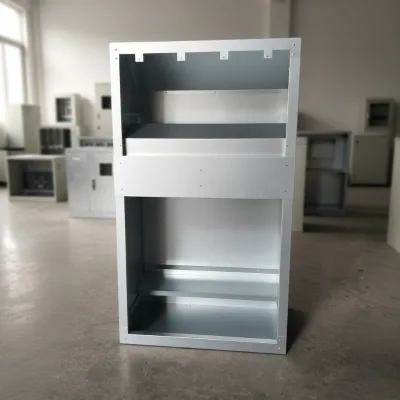
Wear-Resistant Surface Impact Resistant Customizable Cpci Secc Metal Chassis
$180.00 - $300.00
MOQ: 10 Pieces


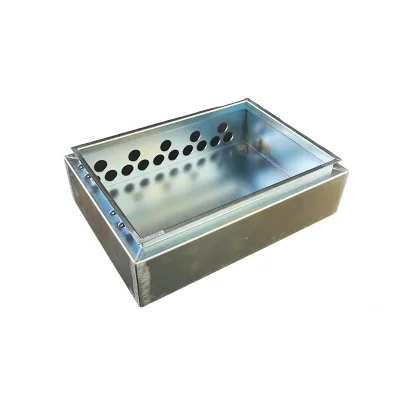
Abrasion Resistant Easy Clean OEM Custom Stainless-Steel Sheet Metal Chassis
$280.00 - $500.00
MOQ: 10 Pieces

Impact Resistant High Quality OEM Custom Stainless-Steel Sheet Metal Chassis
$280.00 - $500.00
MOQ: 10 Pieces

High Safety High Toughness Customization Cpci Sheet Metal Secc Chassis
$180.00 - $300.00
MOQ: 10 Pieces







Comprehensive Sourcing Guide
Shock Absorbing Metal Chassis Sourcing Guide
Procuring Shock Absorbing Metal Chassis requires a disciplined approach to material selection and structural design, particularly for industrial environments where vibration and impact are constant threats. Buyers must recognize that "shock absorbing" is not a single material property but a system-level characteristic achieved through specific chassis geometries, mounting strategies, and internal damping mechanisms. The core challenge lies in balancing rigid structural integrity with the ability to dissipate kinetic energy, ensuring that sensitive internal components remain protected without compromising the overall durability of the enclosure.
This guide focuses on evidence-based sourcing decisions derived from observed market listings and technical specifications. It emphasizes the verification of material grades, surface treatments, and manufacturing tolerances that directly influence shock resistance. By adhering to the factual data provided, buyers can avoid common pitfalls such as assuming all metal enclosures offer equivalent protection or overlooking the critical role of fastener integrity in maintaining structural cohesion under dynamic loads.
Product Scope and Observed Listing Signals
The observed market for Shock Absorbing Metal Chassis reveals a diverse range of form factors, from compact inspection cabinets to large 19-inch rack-mount systems. Listings indicate that materials such as SECC, SGCC, SPCC, and stainless steel (304 SUS) are prevalent, each offering distinct advantages in terms of weight, corrosion resistance, and structural stiffness. For instance, stainless steel enclosures often feature conductive powder coating for exterior protection while maintaining a bare interior finish, which is crucial for grounding and EMI shielding in sensitive electronic applications.
Key listing signals highlight the importance of customization and specific design features. Products are frequently described as fully customizable, with options for keyable guide rails, pre-installed ejectors, and specific front panel configurations. The presence of features like IP40 protection ratings and specific color codes (e.g., RAL 7007 or RAL 7035) suggests that buyers are looking for enclosures that not only withstand physical shock but also integrate seamlessly into existing infrastructure. These signals indicate that off-the-shelf solutions may require significant modification to meet specific shock absorption requirements.
Technical Specifications to Verify
Verifying technical specifications is paramount when sourcing Shock Absorbing Metal Chassis, as minor deviations can significantly impact performance. Buyers should closely examine material thickness, which typically ranges from 1 to 8mm, as this directly influences the chassis's ability to resist deformation under impact. Additionally, machining methods such as CNC stamping and welding play a critical role in determining the structural integrity of the chassis. Tight tolerances, such as +/-0.01mm or +/-0.10mm, are essential for ensuring that internal components fit precisely and that mounting points remain aligned during vibration events.
Surface treatment and coating thickness are also critical technical factors. Powder-coated surfaces, particularly outdoor-grade anti-UV or conductive variants, provide an additional layer of protection against environmental stressors that could exacerbate shock-related damage. Buyers must verify coating thickness, which is often specified between 60-80 μm, to ensure adequate durability. Furthermore, the compatibility with standard 19-inch IEC 60297 racks and the inclusion of specific guide rail systems are vital for ensuring that the chassis can be securely mounted, thereby enhancing its overall shock absorption capabilities.
Compliance and Safety Documentation
Compliance and safety documentation serve as the foundation for verifying the reliability and suitability of Shock Absorbing Metal Chassis in regulated industries. Buyers must ensure that materials used in the chassis construction comply with relevant standards, such as RoHS and Reach, which govern the use of hazardous substances. This compliance is particularly important for electronic enclosures where internal components may be sensitive to chemical interactions or where environmental regulations dictate material choices.
In addition to material compliance, buyers should verify adherence to structural and safety standards, including GB, EN, ASME, and JIS codes. These standards often dictate the testing protocols for shock and vibration resistance, ensuring that the chassis can withstand specified impact levels. Documentation should also include details on protection ratings, such as IP40, which indicate the level of protection against solid objects and water ingress. Ensuring that all documentation is up-to-date and verifiable is crucial for maintaining safety and regulatory compliance in the final application.
Cost Drivers and Commercial Terms
Understanding the cost drivers associated with Shock Absorbing Metal Chassis is essential for effective budgeting and negotiation. Material costs are a primary driver, with stainless steel and specialized alloys typically commanding higher prices than standard carbon steel options like SECC or SPCC. The complexity of the manufacturing process, including CNC stamping, welding, and surface treatments, also significantly impacts the final cost. Customization options, such as specific color codes, printed front panels, and tailored packaging, further add to the overall expense.
Commercial terms, including MOQ (Minimum Order Quantity) and lead times, vary widely based on the level of customization and production volume. Observed MOQs range from 1 to 500 units, allowing for flexibility in procurement strategies. Buyers should also consider the impact of packaging requirements, such as anti-static bubble bags or EPE foam, which can affect shipping costs and handling procedures. Negotiating clear terms regarding quality assurance and return policies is crucial to mitigate financial risks associated with potential defects or non-conformance.
Supplier Qualification and Quality Control
Supplier qualification is a critical step in ensuring the reliability of Shock Absorbing Metal Chassis, particularly given the diverse origins of manufacturers in regions like Guangdong and Qingdao, China. Buyers should prioritize suppliers with a proven track record in producing high-precision metal enclosures, verified by their adherence to strict quality control processes. This includes verifying the supplier's capability to maintain tight tolerances and consistent surface treatments, which are essential for shock absorption performance.
Quality control measures should extend beyond final product inspection to include raw material verification and in-process checks. Buyers should request documentation that confirms the use of specified materials, such as 304 SUS or Al6061, and verify that surface treatments meet the required thickness and adhesion standards. Additionally, suppliers should be able to provide evidence of their manufacturing capabilities, including CNC stamping and welding expertise, to ensure that the chassis can withstand the intended shock loads. Establishing a clear communication channel for addressing quality issues is also vital for long-term partnership success.
Long-Term Procurement Checks
Long-term procurement checks are necessary to ensure that Shock Absorbing Metal Chassis continue to meet performance expectations over time. Buyers should establish a routine for reviewing supplier performance, including on-time delivery rates, product quality consistency, and responsiveness to issues. This ongoing evaluation helps identify potential suppliers who may be struggling with quality control or production capacity, allowing buyers to make proactive adjustments to their supply chain.
Additionally, buyers should monitor changes in industry standards and regulations that may impact the suitability of the chassis for their applications. This includes staying informed about updates to GB, EN, or other relevant standards that govern material compliance and safety. Regularly updating technical specifications and requirements in procurement contracts ensures that suppliers remain aligned with the buyer's evolving needs. By maintaining a proactive approach to supplier management and regulatory compliance, buyers can mitigate risks and ensure the long-term reliability of their Shock Absorbing Metal Chassis solutions.
FAQs
What materials are used for custom CPCI chassis?
Custom CPCI chassis are typically constructed from SECC or SGCC steel. These materials provide the necessary structural integrity for 19-inch rack-mount applications. The exterior often features a powder-coated finish for durability. This ensures reliable performance in industrial environments while maintaining standard compatibility.
Can I get a fully customizable inspection cabinet?
Yes, inspection cabinets are fully customizable to meet specific requirements. Options include using 304 stainless steel for the primary structure with Al6061 aluminum front panels. Custom dimensions and surface treatments like conductive powder coating are available. This allows for tailored solutions that fit unique operational needs.
What is the typical tolerance for these metal enclosures?
Tolerances vary by manufacturing method and material. Standard CPCI chassis often maintain a tolerance of plus or minus 0.10mm. High-precision components may achieve plus or minus 0.01mm. These tight tolerances ensure proper fit within standard 19-inch racks and compatibility with guide rail systems.
Which surface treatments are available for metal chassis?
Common surface treatments include powder coating, electroplating, and conductive finishes. Exterior panels may feature outdoor-grade anti-UV powder coating for enhanced durability. Interior surfaces can remain bare stainless steel for specific conductivity or hygiene requirements. These treatments protect against corrosion and environmental wear.
Are these chassis compatible with standard 19-inch racks?
Yes, most CPCI chassis are designed for standard 19-inch IEC 60297 racks. They often include pre-installed keyable guide rails and ejectors for easy installation. This ensures seamless integration into existing server or equipment racks. The form factor supports standard 8U configurations for versatile deployment.
What certifications apply to these metal enclosures?
Materials used in these enclosures are often RoHS and Reach compliant. This ensures adherence to environmental standards for hazardous substances. Specific certifications may vary by manufacturer and product line. Buyers should verify compliance documentation to ensure alignment with regulatory requirements for their target markets.