Source Shock Proof Hybrid iPhone Case for Retail, Wholesale, and Personal Use
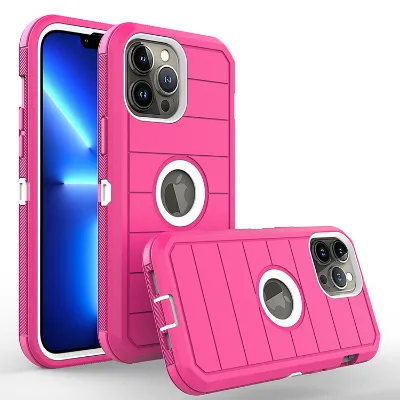
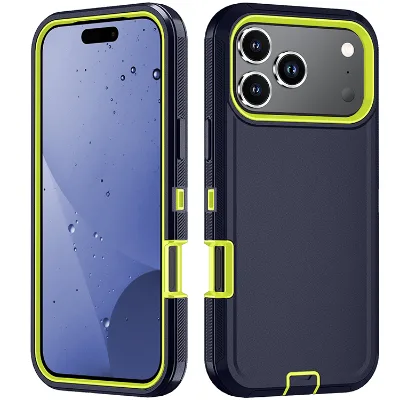
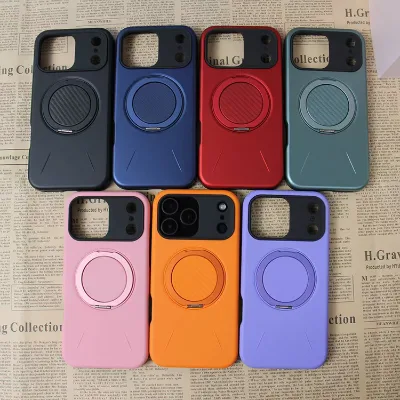
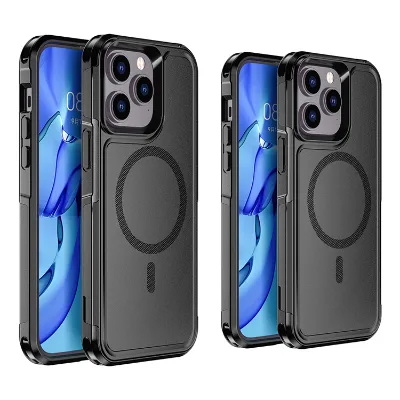
Find 30 verified options for the Shock Proof Hybrid iPhone Case featuring TPU and PC materials with shock absorption and dirt resistance. Compare specifications from manufacturers offering customization, various delivery times, and multiple shipping methods for global sourcing needs.
Key considerations
Products List


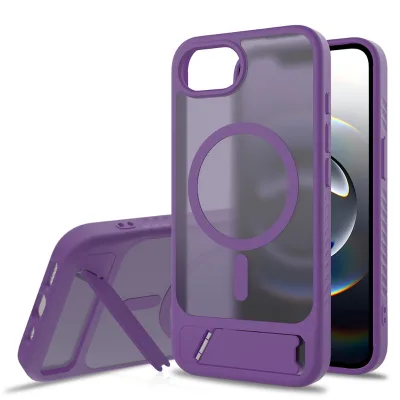
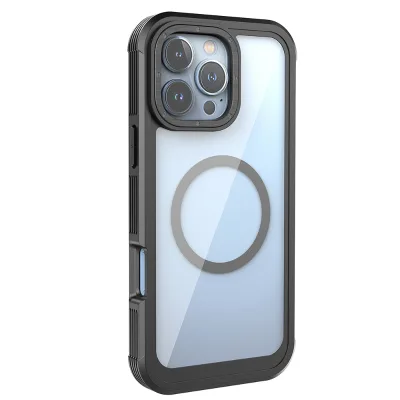
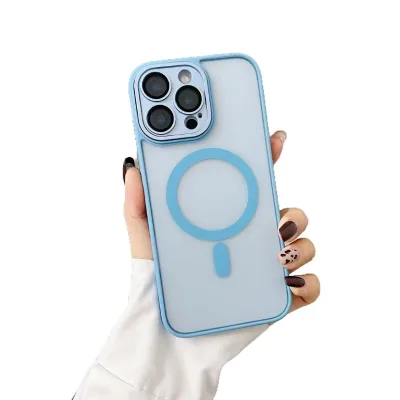
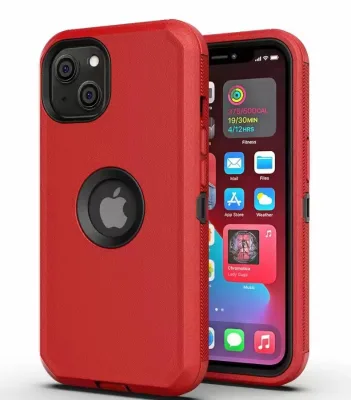
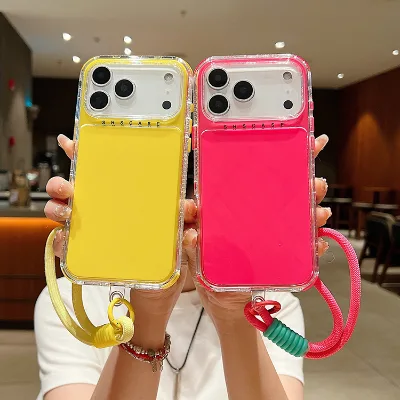
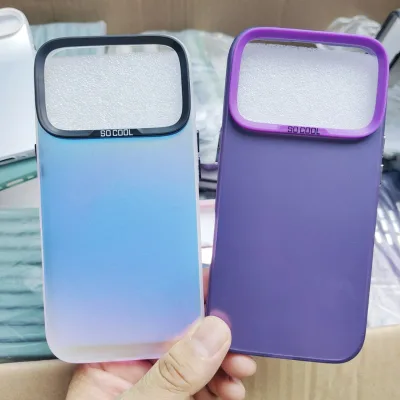

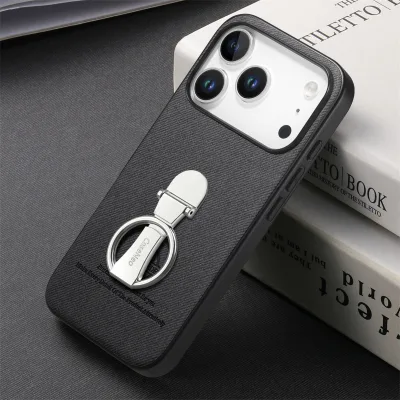


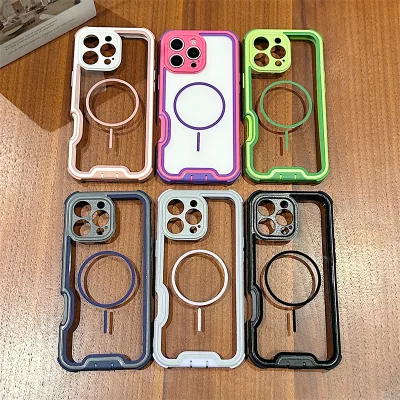
Comprehensive Sourcing Guide
Strategic Sourcing Guide for Shock Proof Hybrid iPhone Cases
Understanding the Technical Architecture of Hybrid Protection
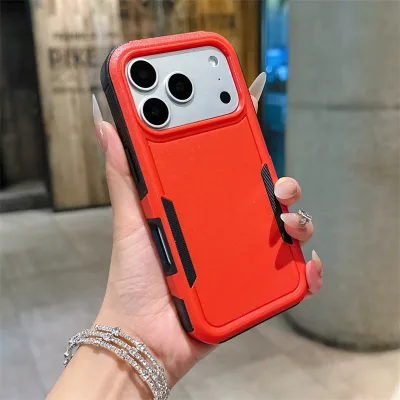
When sourcing a Shock Proof Hybrid iPhone Case, the primary objective is to identify a product that balances structural rigidity with flexible impact absorption. The supplied product data indicates a prevalent material composition of TPU (Thermoplastic Polyurethane) combined with PC (Polycarbonate). This TPU+PC hybrid configuration is critical for the "shock proof" attribute, as the PC layer provides a hard, rigid shell to resist deformation and scratches, while the TPU inner layer acts as a cushion to absorb and dissipate kinetic energy from drops. Some listings specify a "Medium Soft" or "Soft" hardness rating, which suggests a focus on the tactile feel and grip, while others note "Partial Hard" characteristics, indicating a mixed-material approach where specific zones are reinforced.
The functional requirements for these cases extend beyond simple drop protection. The observed data lists multiple functions including dirt-resistant, anti-slip, waterproof, and privacy filter capabilities. A true hybrid case designed for high-performance protection must integrate these features without compromising the structural integrity of the phone. For instance, the "anti-slip" function is often achieved through the texture of the TPU material, while "waterproof" claims require precise sealing of ports and buttons, a feature that must be verified against the specific model fit. The "Case to Pretect The Phones" function description highlights the fundamental role of the product, yet the specific "2 in 1" design mentioned in some records suggests a modular approach, potentially combining a hard back with a separate protective film or a distinct bumper system. Buyers must verify if the "shock proof" claim is a result of the material blend or an added structural element like an air-cushion corner, as the data does not explicitly confirm internal air chambers but does confirm the TPU+PC composition.
Compliance and Certification Verification Protocols
In the B2B procurement of electronic accessories, verifying compliance is as important as the physical product itself. The available data points to specific certifications, namely RoHS (Restriction of Hazardous Substances) and ISO9001. RoHS compliance is essential for ensuring that the TPU and PC materials do not contain restricted levels of lead, mercury, cadmium, or other hazardous substances, which is a mandatory requirement for selling into many global markets, particularly the European Union. The ISO9001 certification indicates that the manufacturing entity has a quality management system in place, suggesting a standardized approach to production consistency.
However, buyers must exercise caution when interpreting these certifications. The data lists "SGS" as a product standard, which typically refers to a third-party inspection or testing body rather than a material standard itself. It is imperative to request the actual test reports from the supplier to confirm that the specific batch of cases being ordered has been tested by SGS or an equivalent accredited laboratory. The data also mentions "50pcs/model/color" under standards, which likely refers to a sampling or production batch size rather than a technical standard. Buyers should not assume that a supplier's general ISO9001 status applies to every single SKU without verification. Furthermore, while "RoHS" is listed, the specific directive version (e.g., RoHS 2.0 or 3.0) is not provided. Procurement teams must explicitly request the version of the RoHS directive the product meets to ensure alignment with current local regulations. The absence of other common certifications like CE or FCC in the provided text means buyers should not assume their presence unless the supplier provides documentation.
Cost Drivers and Pricing Dynamics in Hybrid Case Manufacturing
The observed price range for these products spans from $0.20 to $5.50 USD, a wide variance that reflects differences in material quality, customization levels, and order volume. The lower end of this spectrum likely corresponds to basic TPU+PC cases with minimal customization, utilizing standard packaging like OPP bags or blister packs. The higher end of the price range suggests cases with advanced features, such as the "Privacy Filter" or "Waterproof" capabilities mentioned, or those with significant OEM customization, including custom logos and specialized packaging.
Several factors drive these costs. The "Annual Sales" figure of 1,000,000 PCS indicates a high-volume production environment, which typically allows for lower unit costs due to economies of scale. However, the "MOQ" (Minimum Order Quantity) ranges from 1 to 4,000 units, meaning buyers can access the product at various scales. Small buyers may face a higher per-unit cost due to the lack of volume leverage, while large buyers can negotiate closer to the $0.20 range. The "Customization" attribute is a significant cost driver; adding a customized logo or altering the mold for a specific iPhone model incurs additional tooling and setup fees. Additionally, the "Packing" options, ranging from natural to OEM or custom boxes, add to the final cost. A simple OPP bag is the most economical, whereas a custom retail box with branding increases the unit price. The "Weight" of 0.1kg per unit also influences shipping costs, particularly for air freight, which is a common shipping method listed alongside DHL, UPS, and FedEx. Buyers must calculate the total landed cost, including the base price, customization fees, packaging, and logistics, rather than focusing solely on the unit price.
Supplier Evaluation and Operational Capabilities
Selecting the right supplier requires a deep dive into their operational profile. The data identifies the company type as a "Manufacture" with "More Than 100" staff members. This suggests a direct factory relationship rather than a trading company, which can offer better price control and communication regarding technical specifications. The location is specified as "Guangzhou, China," a major hub for electronics manufacturing, which implies access to a robust supply chain for TPU and PC materials.
Lead time is another critical evaluation metric. The observed delivery times range from 3 days to 5 days. This short lead time is impressive and suggests that the supplier maintains significant inventory of standard models or has highly efficient production lines. However, buyers must distinguish between the lead time for stock items and the lead time for customized orders. The "3 days" figure likely applies to standard, non-customized units, while "5 days" might be the baseline for orders requiring minor customization. For large orders exceeding the standard stock, the lead time may extend beyond these figures. The supplier's ability to handle "OEM" (Original Equipment Manufacturer) requests is confirmed, allowing for branding and design modifications. Buyers should verify the supplier's capacity to handle their specific order volume, given the "Annual Sales" of 1 million pieces, to ensure they can meet demand during peak seasons without delays. Payment terms such as Western Union, Money Gram, and T/T (Bank Transfer) are standard, but buyers should negotiate terms that protect their interests, such as partial payments upon shipment or inspection.
Quality Control and Functional Testing Standards
Ensuring the quality of shock proof hybrid cases requires a rigorous quality control (QC) process. The data lists "Dirt-resistant," "Anti-slip," "Shock Absorbent," and "Waterproof" as key functions. To validate these claims, buyers should implement a multi-stage QC protocol. First, material verification is essential to confirm the TPU+PC composition and hardness ratings (Soft, Medium Soft, or Partial Hard). Second, functional testing must be conducted to verify the "Shock Absorbent" capability. While the data does not provide specific drop test results (e.g., MIL-STD-810G), buyers should request evidence of drop tests from a height of at least 1.5 meters onto a hard surface to confirm the case's protective efficacy.
The "Privacy Filter" function requires optical testing to ensure it blocks side viewing angles without significantly reducing screen brightness. The "Waterproof" claim is particularly sensitive; buyers must verify the IP rating (e.g., IP67 or IP68) if applicable, as the data does not specify a numerical rating. The "Anti-slip" property can be tested using a friction coefficient test to ensure the case provides a secure grip. Additionally, the "Car Holder" attribute is listed as both "Without Car Holder" and "Functional" in different records. This inconsistency highlights the need for buyers to specify their requirements clearly. If a magnetic or clip-on car mount compatibility is required, the supplier must confirm the presence of a metal plate or specific mounting points. The "Standard" of "50pcs/model/color" suggests a sampling protocol, but buyers should establish their own acceptance quality limits (AQL) for defects such as molding flash, color mismatches, or logo misalignment.
Long-Term Procurement and Market Adaptability
For long-term procurement success, buyers must consider the adaptability of the product line to market trends and technological changes. The "Style" is described as "Trend" and "Leisure," indicating that the designs are likely aligned with current consumer preferences. However, the iPhone model compatibility is a dynamic factor. The data lists compatibility with "iPhone," "Samsung," "LG," "Moto," and "Huawei," but specific models like "iphone12" and "WIX-CL-080201" or "WIX-AP765" are mentioned. As Apple releases new models, the supplier must demonstrate the agility to update their molds and production lines quickly. The "OEM" capability is a strong indicator of this flexibility, allowing buyers to rebrand or modify cases for new device launches.
Sustainability is another long-term consideration. While the data mentions "RoHS" compliance, which addresses hazardous substances, it does not explicitly mention recycled materials or biodegradable options. Buyers interested in green procurement should inquire about the sourcing of TPU and PC materials, specifically if post-consumer recycled content is used. The "Packing" options, including "Natural or OEM" and "Blister," offer opportunities to reduce plastic waste by opting for minimal or recyclable packaging. Finally, the "Shipping" methods listed, including DHL, UPS, FedEx, EMS, Post, Air, and Sea, provide flexibility for different logistics strategies. For long-term contracts, buyers should negotiate consolidated shipping rates and explore sea freight options for large volumes to reduce the carbon footprint and cost per unit. By focusing on these strategic elements, buyers can build a resilient supply chain that meets current demands while adapting to future market shifts.
FAQs
What materials are used for shock proof hybrid iPhone cases?
These cases typically use a TPU and PC hybrid material blend. The polycarbonate layer provides rigidity while the thermoplastic polyurethane inner layer absorbs impact energy to protect the device from drops.
Which certifications should I verify for these phone cases?
Look for RoHS and ISO9001 certifications to ensure safety and quality management. RoHS confirms the absence of hazardous substances, while ISO9001 indicates a standardized production process for consistent manufacturing.
How long is the delivery time for these custom cases?
Standard delivery times range from 3 to 5 days for most orders. This short lead time applies to stock items or basic customization, though larger orders may require extended production schedules.
Can I customize the logo and packaging for these cases?
Yes, customization is available for logos and packaging options like OEM boxes or blister packs. Buyers can request specific branding and packaging styles to align with their retail requirements.
What is the minimum order quantity for these products?
The minimum order quantity ranges from 1 to 4000 units depending on the supplier. Small buyers can start with single units, while larger volumes may access lower per-unit pricing tiers.
Which shipping methods are available for these phone accessories?
Suppliers offer multiple shipping options including DHL, UPS, FedEx, EMS, and air or sea freight. The choice depends on urgency, order weight, and the specific logistics requirements of the buyer.