Source Shock Resistant Air Cushion Film for Mailing Shipping Protection
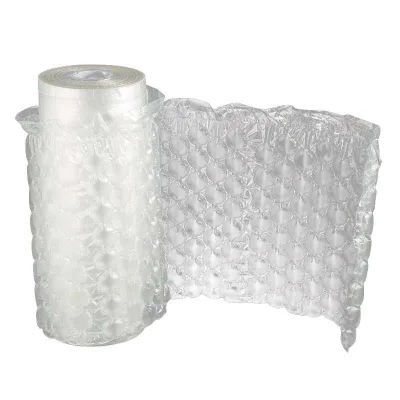
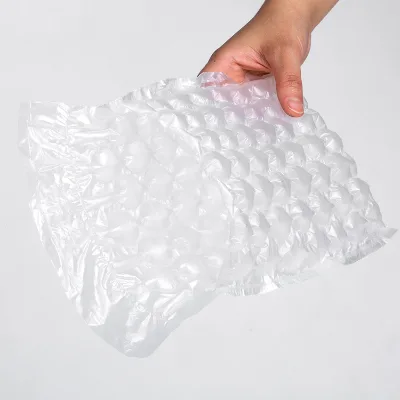
Find 27 listings for Shock Resistant Air Cushion Film designed for mailing, shipping, and parcel protection. Buyers can compare features like durability, waterproofing, and customization options across multiple suppliers offering PE and HDPE materials.
Key considerations
Products List







Comprehensive Sourcing Guide
Strategic Sourcing Guide for Shock Resistant Air Cushion Film
Understanding Material Composition and Structural Integrity
When sourcing Shock Resistant Air Cushion Film, the primary objective is to secure packaging that offers reliable protection against impact, compression, and crushing forces during transit. The core material composition is a critical determinant of performance. Based on available product data, the industry standard for this application involves Polyethylene (PE), specifically High-Density Polyethylene (HDPE) and High Pressure Polyethylene. These materials provide the necessary tensile strength and flexibility required for air cushioning. Some listings also reference LDPE (Low-Density Polyethylene) in the context of heat sealing properties, indicating that multi-layer structures may be employed to balance sealing capabilities with structural rigidity.
The physical structure of the film is equally vital. The product attributes highlight a "5-Ply Corrugated Carton" for packing, suggesting that the film itself may be part of a multi-layered system or that the final packaging solution involves robust outer protection. The film's performance is defined by its ability to be shock-resistant, compression-resistant, and crush-resistant. These features are achieved through the specific engineering of the air pockets within the film. Buyers must verify that the raw materials used are indeed High Pressure Polyethylene Plastic Bags, as this specific grade is associated with the durability and tear-proof characteristics required for heavy-duty shipping. The transparency of the film can vary; while some variants are described as transparent, others are noted as non-transparent or opaque. This distinction is important for branding requirements, where printed logos or opaque barriers against light and moisture are necessary. The hardness is generally characterized as soft, allowing the film to conform to irregular shapes while maintaining its protective air pockets.
Technical Specifications and Customization Capabilities
The technical specifications of Shock Resistant Air Cushion Film are not one-size-fits-all. Sourcing guides must account for the availability of both stock and custom dimensions. Standard stock sizes are often available, but the market also supports extensive customization for size, color, and logo printing. For instance, specific model numbers like AF-P or NA-L1 may correspond to distinct dimensional profiles, such as 20cm by 350M or other custom configurations. The standard sample availability is a key feature for buyers to validate these dimensions before committing to large orders.
Customization extends beyond physical dimensions to include printing capabilities. The ability to apply custom logos and colors is widely available, allowing brands to integrate their packaging into their overall visual identity. The printing process must be compatible with the PE material to ensure durability during handling. Furthermore, the sealing methods are a critical technical consideration. The product data indicates "Flat Bag Packaging" as a sealing method, and "Heat Seal" properties are linked to LDPE layers. This suggests that the film is designed to be sealed using heat, creating an airtight environment that prevents air leakage. The "No Air Leak" and "Durable Sealing" attributes are paramount; a failure in the seal renders the shock resistance useless. Buyers should verify that the sealing mechanism aligns with their existing packaging machinery, particularly if the film is intended for fully automatic filling and packaging lines, as indicated by the "Fully Automatic" grade attribute in some product listings.
Compliance, Certification, and Safety Standards
In the B2B procurement landscape, verifying compliance and certifications is non-negotiable. The supply chain for air cushion film must adhere to international quality and safety standards. The available data points to specific certifications that serve as markers of a supplier's reliability. These include ISO9001, which certifies the supplier's quality management system, ensuring consistent production processes. Additionally, RoHS (Restriction of Hazardous Substances) compliance is critical, particularly for electronics packaging, as it ensures the film does not contain restricted hazardous materials that could contaminate sensitive electronic components.
Another significant certification mentioned is BV (Bureau Veritas), which often relates to product inspection and verification services. The presence of these certifications suggests that the suppliers have undergone third-party audits. However, buyers must exercise due diligence. While the data lists these certifications, the specific scope of each certification (e.g., whether it covers the raw material sourcing or just the final assembly) should be confirmed. The product standard is listed as "Standard and Customization Available," implying that while there are baseline industry standards, custom requirements may need to be negotiated. For applications involving food, cosmetics, or drugs, additional food-grade certifications might be necessary, even if not explicitly listed in the general product attributes. The "Basic Level" classification of BOPP (Biaxially Oriented Polypropylene) in some contexts suggests a layered approach where different materials might be combined, requiring verification that the final composite meets the specific regulatory requirements of the destination market.
Cost Drivers and Economic Factors
The cost of sourcing Shock Resistant Air Cushion Film is influenced by several dynamic factors. The primary driver is the material cost of polyethylene, which fluctuates with global oil prices and supply chain dynamics. The choice between HDPE and LDPE, or the use of multi-layer structures like those involving VMPET (Vacuum Metallized Polyethylene Terephthalate) functional layers, will significantly impact the unit price. The data indicates a wide observed price range from $0.01 to $3000, reflecting the vast difference between a single roll of standard film and a complete automated packaging system or a bulk order of custom-engineered solutions.
Minimum Order Quantity (MOQ) is another critical economic factor. The observed MOQ range spans from 1 to 10,000 units. This flexibility allows small businesses to test the market with low-volume orders while enabling large enterprises to leverage economies of scale. The cost is also driven by customization. Custom sizes, colors, and logos incur additional setup and production costs compared to standard stock items. The "Standard Sample Available for Free" attribute helps mitigate initial costs by allowing buyers to evaluate quality without financial commitment, whereas "Customized Sample Available by Payment" indicates a cost barrier for tailored prototypes. Lead times and shipping costs, often bundled into the final price, are influenced by the origin of the product, which is frequently cited as China or specific regions like Zhangzhou. Buyers should consider the total landed cost, including duties and freight, rather than just the unit price, especially when dealing with international suppliers.
Typical Applications and Usage Scenarios
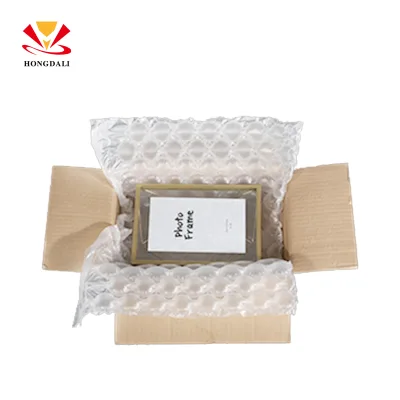
Shock Resistant Air Cushion Film is a versatile packaging solution utilized across a broad spectrum of industries. The primary applications include mailing, shipping, express delivery, parcel services, and post services. The film's "Shock-Resistant, Compression-Resistant, and Crush-Resistant" features make it ideal for protecting fragile items during the rigors of logistics. Specific industry applications are diverse, ranging from Electronics and Cosmetics to Drugs, Art & Craft, and Household Appliances. The versatility extends to food packaging, where the film's "Waterproof, Moisture-Proof, and Dust-Proof" attributes are essential for preserving product integrity.
The functional layers of the film, such as VMPET, suggest applications where barrier properties are crucial, potentially for high-value electronics or pharmaceuticals requiring protection from moisture and light. The "Vacuum" filling principle mentioned in the data points to advanced applications where the film is inflated to a specific pressure to maximize cushioning. The "High Efficiency, Ease of Use, and High Speed" performance attributes indicate that this film is suitable for high-volume production lines in packaging and filling operations. Whether used for wrapping individual items or lining large shipping boxes, the film's ability to be customized in size and color allows it to adapt to specific product shapes and branding needs. The "Shipping Protect" and "Bag Sealing Methods" further confirm its role in securing goods during transit, ensuring that the contents remain undamaged from the point of origin to the final destination.
Supplier Evaluation and Quality Control Protocols
Evaluating suppliers for Shock Resistant Air Cushion Film requires a rigorous approach to quality control and verification. Buyers should prioritize suppliers who demonstrate transparency in their manufacturing processes and provide clear evidence of their certifications. The presence of ISO9001 and RoHS certifications is a strong starting point, but buyers must request specific test reports to validate claims regarding "No Air Leak" and "Durable Sealing." The "Standard Sample Available for Free" offers an opportunity to conduct physical tests on the film's tear strength, air retention, and compression resistance before placing a bulk order.
Quality control should also focus on the consistency of the raw materials. Since the material is specified as PE or HDPE, buyers should verify that the supplier sources high-quality resin to ensure the film does not degrade or become brittle over time. The "5-Ply Corrugated Carton" packing method suggests a commitment to protecting the film during shipping, but the internal quality of the film itself must be inspected. Buyers should check for defects such as pinholes, uneven sealing, or inconsistent bubble sizes. The "Automatic Grade" and "Fully Automatic" attributes imply that the film must perform reliably on high-speed machinery; therefore, testing the film's compatibility with the buyer's existing equipment is essential. Supplier evaluation should also include an assessment of their customization capabilities, ensuring they can meet specific size and printing requirements without compromising quality.
Long-Term Procurement and Sustainability Considerations
For long-term procurement strategies, buyers must consider the sustainability and scalability of their packaging solutions. While the product data highlights the durability and reusability aspects of the film, the environmental impact of polyethylene production is a growing concern. Buyers should inquire about the recyclability of the HDPE and LDPE materials used. The "Customizable" nature of the product allows for the development of thinner, high-strength films that reduce material usage without sacrificing protection, contributing to cost savings and environmental benefits.
Scalability is another key consideration. As a business grows, the demand for packaging will increase. Suppliers with the capacity to handle large MOQs and offer consistent quality across different batches are preferable. The "Standard and Customization Available" standard suggests that suppliers can adapt to changing needs, whether it involves scaling up production or modifying the film for new product lines. The "High Efficiency" and "High Speed" performance attributes indicate that the film is designed to support rapid scaling of operations. Finally, buyers should establish a long-term relationship with suppliers who offer reliable after-sales support and technical assistance, ensuring that any issues with the film's performance can be addressed promptly. This partnership approach helps mitigate risks and ensures a steady supply of high-quality Shock Resistant Air Cushion Film for ongoing business needs.
FAQs
What materials are used for Shock Resistant Air Cushion Film?
The film is primarily made from Polyethylene, specifically HDPE and High Pressure Polyethylene. Some variants also incorporate LDPE for heat sealing and VMPET for functional barrier layers to ensure durability and protection.
Can I get custom sizes and printing on the film?
Yes, customization is available for size, color, and logo printing. Buyers can request specific dimensions or standard stock options, with free standard samples available for evaluation before placing a paid order for custom prototypes.
Which certifications do the suppliers typically hold?
Suppliers commonly hold ISO9001, RoHS, and BV certifications. These credentials verify quality management systems and compliance with hazardous substance restrictions, ensuring the packaging is safe for electronics, food, and cosmetic applications.
How is the film packed for shipping protection?
The product is packed in 5-Ply Corrugated Cartons or wooden cases depending on the order. This robust packaging ensures the film remains undamaged during transit and maintains its shock-resistant and compression-resistant properties until use.
What is the typical MOQ for ordering this film?
The minimum order quantity ranges from 1 to 10,000 units depending on the supplier and customization level. This flexibility allows small businesses to test products while enabling large enterprises to leverage bulk pricing for standard items.
Where are these air cushion films manufactured?
The products originate from China, with specific manufacturing hubs noted in regions like Zhangzhou. Buyers should verify lead times and shipping costs based on these origins when planning their procurement logistics.
Can the film be used for fully automatic packaging lines?
Yes, the film supports fully automatic filling and packaging operations. It is designed for high efficiency and speed, featuring durable sealing and no air leak properties to ensure smooth integration into automated production systems.