Source Shock-Resistant Electronic UV Ballast for Discharge Lamps
Find Shock-Resistant Electronic UV Ballast options for high intensity discharge and UV lamp applications. Compare 30 listings featuring active power factor compensation, quick start modes, and waterproof designs from verified manufacturers in China; compare the available evidence and request quotations based on your requirements.
Key considerations
Products List


55-95W UV Bulb Electronic Ballast
$8.20 - $8.50
MOQ: 100 Pieces
Jiangsu Shenxing Photoelectricity Medical Apparatus Co., Ltd.


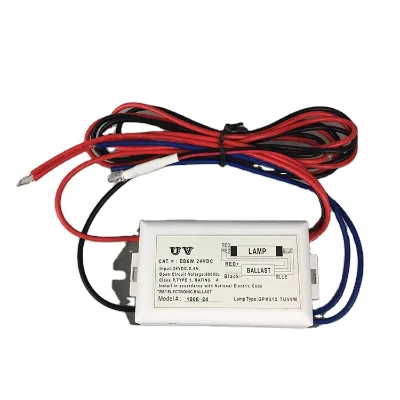
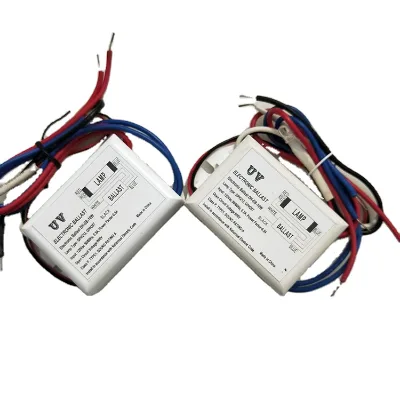

Hot Selling UV Ballast UV Lamp Ballast
$400.00 - $650.00
MOQ: 1 Pieces
Dongguan Lan Dun mechanical and electrical equipment Technology Co., Ltd.


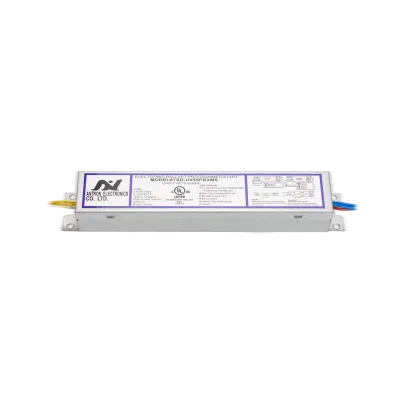


110V 10W Electronic Reactances for UV Lamp, UV Lamp Ballast Ultraviolet Choke
$3.52 - $5.15
MOQ: 100 Pieces


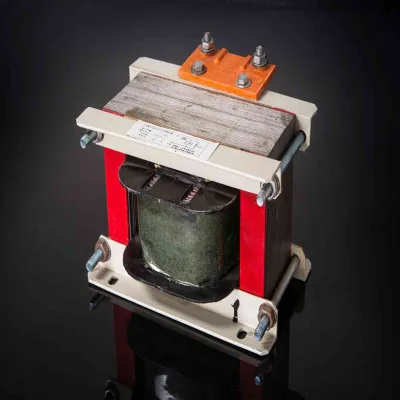

Comprehensive Sourcing Guide
Shock-Resistant Electronic UV Ballast Sourcing Guide
Procuring shock-resistant electronic UV ballasts requires a precise understanding of the specific operational environments where these components will function. The observed product attributes indicate that these units are engineered for high-intensity discharge applications, often utilizing LED light sources or matching specific tube types like TPower Factor Compensation models. Buyers must recognize that while the core function remains consistent, the physical robustness varies significantly between manufacturers, with some units explicitly rated as shock-resistant to withstand vibration in industrial settings.
The market data reveals a diverse range of input voltages and power ratings, necessitating careful matching between the ballast and the intended lamp load. Listings show input voltages ranging from AC110-120V to 230V, with power capacities spanning from 55W up to 95W or higher depending on the specific model. This variation means that a single procurement order often requires multiple SKUs to accommodate different lighting fixtures, making it essential to verify the exact load lamp requirements before finalizing any purchase agreement to ensure system compatibility.
Product Scope and Observed Listing Signals
The product scope for shock-resistant electronic UV ballasts encompasses a variety of configurations designed for different lighting solutions, including UV lamp services and high-pressure sodium applications. Observed listings highlight specific model numbers such as EC-LH9-2 and Sx08-800-100, which serve as critical identifiers for buyers seeking exact replacements or upgrades. These models often feature distinct physical dimensions, such as 2006330mm or 2154426mm, and come in shell colors like white, constructed from durable PC materials to ensure longevity in demanding environments.
Buyers should note that the observed price range is exceptionally broad, extending from $0.40 to over $1,200, which reflects the significant differences in power handling, certification levels, and customization options available. This wide variance suggests that low-cost options may lack advanced features like active power factor compensation or extended service life warranties, while premium units likely offer superior protection against short circuits and open circuits. Understanding these listing signals helps buyers distinguish between basic components and high-performance units capable of sustaining the rigorous demands of industrial UV lighting systems.
Technical Specifications to Verify
Technical verification must begin with the electrical parameters, specifically the input voltage and current ratings, which are critical for system stability. The available data indicates current ranges between 0.70A and 0.85A, with specific models supporting startup modes like quick start or pre-heat. Buyers must confirm that the selected ballast matches the lamp's startup requirements and that the current rating aligns with the fixture's design to prevent premature failure or inefficient operation under load.
Environmental resilience is another critical technical factor, particularly for shock-resistant units intended for harsh conditions. Specifications such as working temperatures ranging from -45°C to 55°C and ambient temperatures up to 70°C define the operational limits of the device. Additionally, the waterproof level, observed as IP64 in some listings, and the beam angle of 120 degrees must be validated against the installation site's exposure to moisture and the required light distribution pattern to ensure reliable performance over the stated service life of over 50,000 hours.
Compliance and Safety Documentation
Compliance documentation is non-negotiable when sourcing electronic ballasts, as these components must meet rigorous safety standards to operate legally in various markets. The observed product attributes frequently list certifications such as CE, RoHS, and CCC, which indicate adherence to European and Chinese safety regulations. Buyers should request valid certification certificates for every batch purchased, ensuring that the specific model number matches the documentation provided, as these marks are essential for passing customs inspections and meeting local electrical codes.
Safety features like short-circuit and open-circuit protection are integral to the design of these ballasts and must be verified through technical datasheets. The presence of these protections prevents catastrophic failures that could damage connected lamps or pose fire hazards. Procurement teams should explicitly ask suppliers to confirm the testing protocols used to validate these safety mechanisms, ensuring that the shock-resistant claims are backed by actual performance data rather than marketing assertions, thereby mitigating liability risks in the final installation.
Cost Drivers and Commercial Terms
Cost drivers for shock-resistant electronic UV ballasts are heavily influenced by the complexity of the internal circuitry and the quality of materials used in construction. Units featuring active power factor compensation and advanced protection mechanisms typically command higher prices due to the increased component count and engineering effort required. Additionally, the inclusion of customization options, such as specific lead lengths of 3 meters or unique packaging requirements, adds to the overall unit cost and must be factored into the total budget before negotiation.
Commercial terms regarding lead times and minimum order quantities (MOQ) vary significantly across the market, with observed ranges from 1 to 100 units and lead times as short as 3-5 working days. Buyers should clarify whether the quoted price includes neutral packaging or custom branding, as this affects the final landed cost. It is also prudent to discuss payment terms and warranty conditions, noting that a standard one-year warranty is common, but extended coverage may be available for bulk orders or specific high-value models.
Supplier Qualification and Quality Control
Supplier qualification should focus on verifying the origin of the products and the consistency of their manufacturing processes. The observed data points to origins in Guangdong and Jiangsu, China, regions known for electronics manufacturing, but buyers must confirm the specific factory location to ensure traceability. Requesting a facility audit or a detailed quality control plan helps assess whether the supplier maintains consistent standards for shock resistance and waterproofing across all production batches.
Quality control measures must extend beyond the final inspection to include incoming material checks and in-process testing. Suppliers should demonstrate their ability to test for critical attributes like the CRI (Ra) of 80 and the maximum temperature tolerance of 70°C before shipping. Buyers should insist on seeing sample test reports for shock resistance and waterproof levels, ensuring that the products meet the specified IP64 rating and can withstand the mechanical stresses of the intended application environment without degradation.
Long-Term Procurement Checks
Long-term procurement success depends on establishing a robust relationship with suppliers who can support ongoing maintenance and replacement needs. Buyers should verify the availability of spare parts and the consistency of the product model numbers over time, as changes in specifications can disrupt existing lighting systems. Confirming that the supplier accepts OEM and ODM requests ensures that future customizations can be handled seamlessly without the need to switch vendors.
Regular performance reviews are essential to validate that the shock-resistant ballasts continue to meet the required service life and efficiency standards. Buyers should track the actual operational hours against the claimed 50,000-hour service life and monitor any warranty claims to identify potential quality trends. Establishing a clear communication channel for technical support and warranty claims ensures that any issues arising during the product's lifecycle can be resolved quickly, minimizing downtime and maintaining the integrity of the lighting infrastructure.
FAQs
What is a Shock-Resistant Electronic UV Ballast used for?
A Shock-Resistant Electronic UV Ballast regulates current to UV lamps in high intensity discharge applications while withstanding vibration and impact. It is commonly used in water treatment, curing, and disinfection systems where equipment handling or installation conditions can stress components. Shock-resistant housings help maintain stable lamp operation and reduce failure risk in demanding environments.
How does active power factor compensation benefit a UV ballast?
Active power factor compensation improves how efficiently the ballast draws power from the supply, reducing wasted current and line losses. For buyers, this can mean steadier lamp output and better electrical efficiency across the AC110-120V input range. It is a key specification to compare when evaluating electronic UV ballasts for continuous-duty UV lamp systems.
Which protection features should I check before ordering a UV ballast?
Check for short-circuit and open-circuit protection, which safeguard the ballast and lamp during faults. Also review shock resistance or waterproofing depending on your installation environment, and confirm the input voltage matches your supply, such as AC110-120V. Matching tube type and rated power, for example 55-95W models, should be verified against your lamp requirements before ordering.
Can UV lamp ballasts be customized for specific project requirements?
Yes, customization is available, and OEM and ODM orders are accepted for UV lamp ballasts. Buyers can typically discuss specifications such as power ratings, lead length, housing color, and packaging preferences with manufacturers. Customization is most practical for volume orders, so confirm minimum order quantities, tooling needs, and lead times early when planning a customized ballast project.
What working temperature range do these electronic ballasts support?
Listed working temperature specifications range from -45 to 55 degrees Celsius for some models, while others specify an ambient range of -15 to 40 degrees Celsius with a maximum temperature of 70 degrees Celsius. Always match the stated range to your installation environment, since enclosures, airflow, and lamp heat can raise the actual operating temperature around the ballast.
How long is the typical lead time and service life?
Lead time is typically 3 to 5 working days for available models, though customized or large orders may take longer, so confirm before committing. Service life for listed LED-based units is stated as over 50,000 hours. Warranty coverage is 1 year, which is worth confirming in writing along with any support terms when placing a purchase order.
Which certifications do the listed UV ballast products carry?
Certifications listed for these UV lamp ballasts include CE, RoHS, and in some cases CCC, depending on the specific model. Certification can vary by product and destination market requirements, so verify the exact certificate status for the model you intend to buy. Requesting certificate copies before ordering is a standard step in B2B sourcing.
What are the packing and minimum order options?
Packing options include neutral packaging and carton packing, which suits resellers and project buyers who need unbranded goods. Minimum order quantities across the listed products range from 1 to 100 pieces, giving flexibility for sampling or small trials. Confirm the exact MOQ, packaging style, and shipping arrangements with the supplier for your chosen model before finalizing.