Source Shock Resistant EPE Foam Insert for Electronics, Toys, and Hardware
Compare 30 Shock Resistant EPE Foam Insert options from verified Chinese manufacturers. Buyers can evaluate customization, thickness, and material types like EVA, PU, and EPE for packaging and transportation protection needs.
Key considerations
Products List


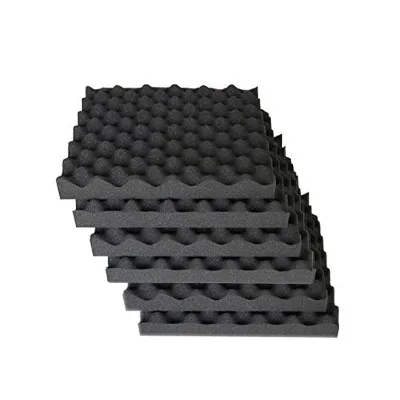


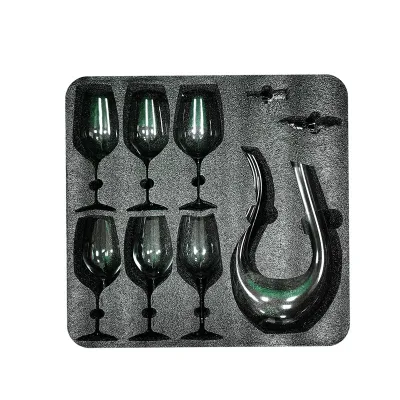
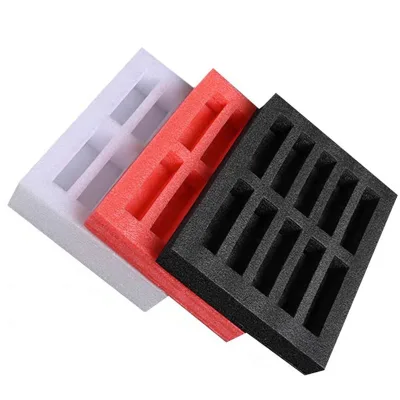


High Quality Customized Fireproof PE EVA Foam Insert for Packaging and Protection
$0.10 - $36.75
MOQ: 500 Pieces


Comprehensive Sourcing Guide
Shock Resistant EPE Foam Insert Sourcing Guide
Sourcing shock-resistant EPE foam inserts requires a disciplined approach to material selection, structural design, and supplier verification. Expanded Polyethylene (EPE) is a closed-cell foam known for its resilience, moisture resistance, and ability to absorb impact energy without permanent deformation. Unlike open-cell foams, EPE does not absorb water, making it suitable for a wide range of industrial and consumer applications where environmental stability is critical. Buyers must distinguish between standard EPE sheets and custom-molded inserts, as the latter often involve additional tooling and design considerations that significantly affect lead times and unit costs.
The procurement process begins with defining the specific protective requirements of the product being packaged. Shock resistance is not a single metric but a function of density, thickness, and geometry. Buyers should evaluate whether a simple die-cut insert suffices or if a molded PU integral skin foam is necessary for superior impact distribution. Understanding the mechanical properties of the material, such as its density and compression set, is essential for ensuring that the packaging performs consistently throughout the supply chain. This guide outlines the key technical, commercial, and quality factors to consider when sourcing these protective components.
Product Scope and Observed Listing Signals
The market for shock-resistant EPE foam inserts presents a diverse range of product configurations, primarily driven by customization needs. Observed listings indicate that suppliers offer materials in various forms, including die-cut shapes and molded PU foam inserts. The product name often highlights features such as "Eco-Friendly" and "Shockproof," signaling a focus on sustainable manufacturing processes and high-performance impact absorption. Buyers should note that while EPE is the core material, some suppliers may offer composite solutions, such as PU integral skin foam, which combines a soft inner core with a durable outer skin for enhanced protection and aesthetic appeal.
Color and appearance options are frequently customizable, with black, white, and red being common standard offerings. However, the ability to customize color and shape is a critical differentiator for brands seeking to align packaging with their visual identity. Listings often specify that the shape can be customized to fit specific product contours, ensuring a snug fit that minimizes movement during transit. This level of customization is typically supported by OEM design services, allowing buyers to provide their own CAD files or product samples for precise replication. The availability of these options underscores the importance of early engagement with suppliers to define design parameters accurately.
Technical Specifications to Verify
Thickness is a primary technical variable that directly influences the shock-absorbing capacity of the insert. Observed data suggests a wide range of available thicknesses, from 1mm to 100mm, with various intermediate options. Buyers must select a thickness that balances protection with cost and space efficiency. Thicker inserts generally offer better cushioning but may increase packaging volume and shipping costs. It is crucial to verify the exact thickness tolerance with the supplier, as variations can affect the fit and protective performance of the final assembly.
Density is another critical specification that determines the material's rigidity and energy absorption characteristics. Standard densities often start around 25kg/m³, but customized densities are available to meet specific impact requirements. Higher density foams provide greater structural support and resistance to compression, making them suitable for heavier or more fragile items. Buyers should request material data sheets to confirm the density and other mechanical properties, such as tensile strength and elongation at break. Additionally, the material's resistance to temperature extremes, including cold and heat, should be verified to ensure performance in diverse storage and transit environments.
Compliance and Safety Documentation
Regulatory compliance is a non-negotiable aspect of sourcing packaging materials, particularly for products destined for international markets. RoHS certification is a key indicator of compliance with restrictions on hazardous substances, ensuring that the foam does not contain lead, mercury, or other restricted materials. Buyers should request valid RoHS certificates from suppliers to verify that the materials meet these environmental and safety standards. This documentation is essential for maintaining brand integrity and avoiding regulatory penalties in regions with strict chemical regulations.
Beyond chemical compliance, buyers should also consider the environmental impact of the packaging. Many suppliers highlight the eco-friendly nature of their EPE and PU foam products, which are often recyclable and free from harmful chlorofluorocarbons (CFCs). However, buyers should verify these claims by requesting detailed material safety data sheets (MSDS) and environmental product declarations (EPDs) if available. Understanding the end-of-life options for the packaging, such as recyclability or biodegradability, can also support corporate sustainability goals and meet the expectations of environmentally conscious consumers.
Cost Drivers and Commercial Terms
The cost of shock-resistant EPE foam inserts is influenced by several factors, including material type, customization level, and order volume. Observed price ranges vary significantly, reflecting the diversity of product specifications and supplier capabilities. Customization, such as unique shapes, colors, or densities, typically incurs additional costs due to the need for specialized tooling and production processes. Buyers should request detailed quotations that break down material, tooling, and labor costs to understand the true cost drivers and identify opportunities for optimization.
Minimum Order Quantities (MOQs) and lead times are critical commercial terms that impact procurement planning. MOQs can range from small batches for prototyping to large volumes for mass production, with some suppliers requiring a minimum of 500 pieces. Lead times for production typically range from 15 to 40 days, depending on the complexity of the order and current factory capacity. Sample times are generally shorter, ranging from 3 to 7 days, allowing buyers to evaluate quality before committing to a full order. Buyers should negotiate flexible terms where possible, especially for initial orders, to mitigate risk and ensure timely delivery.
Supplier Qualification and Quality Control
Selecting a reliable supplier is paramount to ensuring consistent quality and service. Buyers should prioritize suppliers with a proven track record in manufacturing foam inserts, particularly those offering OEM design services. The ability to provide customized solutions, including molded PU foam and die-cut EPE, indicates a higher level of technical capability and flexibility. Suppliers should be evaluated based on their production capacity, quality management systems, and responsiveness to customer inquiries. Requesting references or case studies from previous clients can provide valuable insights into the supplier's reliability and performance.
Quality control measures should be clearly defined and agreed upon before production begins. Buyers should specify acceptance criteria for dimensions, density, color, and surface finish. Inspections can be conducted during production or upon completion, with third-party inspection services available for added assurance. Suppliers should provide detailed quality reports, including test results for impact resistance and compression set, to verify that the products meet the specified requirements. Establishing a clear communication channel for addressing quality issues and implementing corrective actions is essential for maintaining long-term supplier relationships.
Long-Term Procurement Checks
Continuous monitoring of supplier performance is essential for maintaining supply chain stability and quality. Buyers should establish key performance indicators (KPIs) such as on-time delivery rate, defect rate, and responsiveness to issues. Regular audits of the supplier's production facilities and quality management systems can help identify potential risks and areas for improvement. Building a strong relationship with the supplier, including regular communication and feedback, can foster collaboration and drive continuous improvement in product quality and service.
As market conditions and product requirements evolve, buyers should periodically review their sourcing strategy to ensure it remains aligned with business goals. This may involve evaluating alternative materials, exploring new suppliers, or negotiating better terms based on volume commitments. Staying informed about industry trends, such as advancements in sustainable packaging materials or new regulatory requirements, can help buyers proactively adapt their sourcing practices. By maintaining a flexible and informed approach, buyers can optimize their procurement of shock-resistant EPE foam inserts and support their overall business objectives.
FAQs
What materials are used for shock resistant epe foam inserts?
The inserts are made from EVA, PU, and EPE materials. These materials provide eco-friendly and shockproof protection suitable for various industries including electronics and hardware.
Can I customize the shape and thickness of the foam?
Yes, the shape and thickness are fully customizable to meet specific needs. Thickness options range from 1mm to 100mm, and the product supports OEM design requirements.
What is the minimum order quantity for these inserts?
The minimum order quantity is 500 pieces. This MOQ applies to the standard shockproof packaging boxes and allows for flexible customization options for buyers.
How long does it take to receive samples?
Sample preparation takes between 3 to 7 days. This lead time ensures that buyers can verify the quality and specifications before committing to a larger order.
What certifications do the foam products hold?
The products hold RoHS certification. This ensures the materials meet specific safety and environmental standards required for international trade and various industrial applications.
Where are these shock resistant inserts manufactured?
These inserts are manufactured in China. The products are shipped from China main ports, ensuring reliable logistics for international buyers seeking cost-effective solutions.
What payment methods are accepted for these orders?
Accepted payment methods include TT, LC, Western Union, and Paypal. These options provide flexibility for buyers to choose the most secure and convenient payment channel.