Source Silver Etch And Fill Control Panel Sticker for Electronics, Cosmetics, and Packaging
Find 30 verified listings for Silver Etch And Fill Control Panel Sticker options suitable for electronics, cosmetics, and packaging. Compare customization features, materials like vinyl and metal, and lead times from Chinese manufacturers to select the right adhesive labels for your industrial needs.
Key considerations
Products List


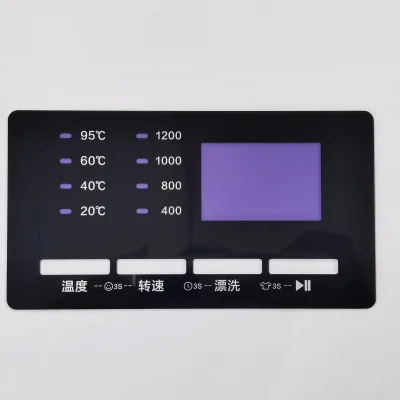
Custom Printed Graphic Overlay Sticker Front Membrane Touch Control Panels
$0.70 - $1.00
MOQ: 500 Pieces


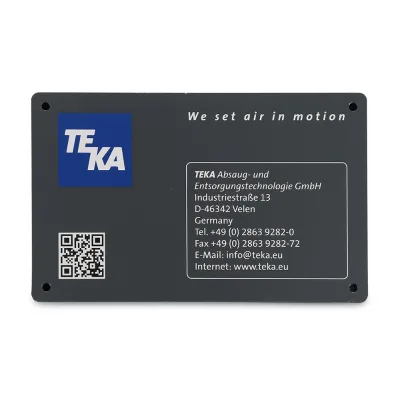
Durable Control Panel Nameplate with Custom Silk-Screen Printing Overlay
$0.70 - $1.00
MOQ: 500 Pieces



Comprehensive Sourcing Guide
Sourcing Guide for Silver Etch and Fill Control Panel Stickers
Understanding Technical Specifications and Material Composition
When sourcing silver etch and fill control panel stickers, buyers must first distinguish between the substrate materials and the specific surface finishing techniques that define the product's durability and aesthetic. The supplied product data indicates a diverse range of materials available in the market, including vinyl, metal, plastic, and nickel-based substrates. For a "silver etch and fill" application, the metal or nickel components are particularly relevant, as these materials allow for the electroforming and etching processes that create the desired metallic texture and depth. The observed product models, such as "Adhesive Electrical Touch Panel Control Label Stic" and "Custom Nickel Electroforming," suggest that the core functionality relies on a combination of structural integrity and precise graphic reproduction.
The surface finish is a critical differentiator. The data confirms that options include glossy, matte, UV coating, and gold or silver stamping. For silver etch and fill, the "silver stamping" or "nickel electroforming" attributes are essential to achieve the metallic look. The etching process typically involves removing material to create recessed areas, which are then filled with ink or epoxy to create contrast. The supplied facts mention "Screen Printing" and "Offset Printing" as available methods. Screen printing is often preferred for control panels due to its ability to lay down thicker ink layers, which is beneficial for the "fill" aspect of the etch and fill process. The ink itself is described as "UV Proof Eco Friendly," a crucial specification for control panels that may be exposed to varying environmental conditions or require resistance to fading over time.
Furthermore, the adhesive properties are non-negotiable for control panel applications. The data explicitly states that the products are "Self Adhesive" with features including "Waterproof" and "Moisture Proof" capabilities. This dual protection ensures that the sticker remains secure and legible even in environments where humidity or liquid exposure is a risk. The cutting method is specified as either "Die Cut or Kiss Cut," allowing for precise shapes that fit specific control panel layouts without the need for manual trimming. The weight of the product, observed in the range of 150-200g, suggests a substantial material thickness that contributes to the tactile feel and durability required for industrial or consumer electronics interfaces.
Compliance, Certification, and Safety Standards
Navigating the compliance landscape for control panel stickers requires a rigorous verification of certifications and standards, particularly when the product is intended for use in sensitive industries like medicine, cosmetics, or consumer electronics. The supplied facts list "CE" and "ISO9001" as available certifications. While the data notes "Computerized:Non-Computerized" in relation to these certifications, it is imperative for buyers to verify that the specific batch of silver etch and fill stickers holds valid, current certification for the intended application region. CE marking is essential for products entering the European market, indicating conformity with health, safety, and environmental protection standards. ISO9001 certification signifies that the manufacturer operates a quality management system, which is a strong indicator of consistent production quality.
Beyond general certifications, buyers must consider industry-specific standards. The product usage data includes "Medicine," "Bottled Beverage," and "Cosmetic/Personal Care," implying that the materials must meet specific chemical resistance and safety requirements. For instance, if the sticker is used on medical equipment, the ink and adhesive must be biocompatible and resistant to harsh cleaning agents. The "Eco Friendly" ink attribute is a positive signal, but buyers should request specific material safety data sheets (MSDS) to confirm that the silver etch and fill materials do not contain hazardous substances prohibited by regulations such as RoHS or REACH.
The standard for the product is listed as "Customized" or "As client's required." This flexibility is advantageous but places the burden of specification on the buyer. Buyers must ensure that the supplier can adhere to specific industry standards, such as UL standards for electrical components or FDA regulations for food contact if the sticker is used in a food processing environment. The "Standard specifications or customized" option suggests that while off-the-shelf solutions exist, custom compliance documentation is often necessary for specialized applications. Buyers should verify that the supplier has a track record of meeting these specific regulatory requirements before placing a large order.
Cost Drivers and Pricing Dynamics
The pricing structure for silver etch and fill control panel stickers is influenced by several variable factors, primarily driven by material complexity, customization levels, and order volume. The observed price range in the market spans from $0.01 to $5.47 per unit. This wide disparity indicates that the final cost is highly dependent on the specific configuration of the order. The lower end of the price spectrum likely corresponds to simple, high-volume orders of standard vinyl stickers with basic offset printing. In contrast, the higher end of the range is associated with complex metal or nickel electroforming processes, custom die-cutting, and specialized surface finishes like silver stamping or UV coating.
Material selection is a primary cost driver. The data lists vinyl, metal, plastic, and nickel as available materials. Metal and nickel substrates inherently cost more than vinyl or plastic due to the raw material cost and the additional processing steps required for etching and electroforming. The "Silver Etch and Fill" process itself adds significant value and cost, as it involves multiple stages of manufacturing, including etching, filling, and potentially secondary finishing like embossing or foil stamping. The "Surface Finish" options, such as "Glossy or Matte or UV or Gold/Silver Stamping," also impact the price, with specialized finishes like silver stamping commanding a premium.
Order volume, represented by the Minimum Order Quantity (MOQ), plays a crucial role in unit pricing. The observed MOQ range is 1 to 1000 units. Buyers ordering small quantities, such as prototypes or low-volume custom runs, will face higher per-unit costs due to the setup time for screen printing or electroforming processes. Conversely, larger orders can leverage economies of scale to reduce the unit price. The lead time, observed as 7-12 working days, also influences cost; expedited shipping or rush orders may incur additional fees. Additionally, the complexity of the artwork, requiring formats like PDF, AI, or CAD, and the need for custom tooling for die-cutting can add to the overall project cost. Buyers should request detailed quotes that break down material, setup, and printing costs to understand the true cost drivers.
Typical Applications and Industry Use Cases
Silver etch and fill control panel stickers are versatile components used across a wide array of industries, ranging from consumer electronics to heavy industrial machinery. The supplied product data highlights specific usage categories, including "Custom Sticker," "Bottled Beverage," "Shipping Labels," "Price Tags," "Medicine," and "Packaging Film." However, for the specific "silver etch and fill" variant, the primary application is in the realm of control interfaces and branding. The "Application Fields" listed as "Cosmetic/Personal Care/Consumer Electronics" confirm that these stickers are ideal for devices where aesthetics and durability are paramount.
In the consumer electronics sector, these stickers serve as durable nameplates and control interfaces for appliances, medical devices, and electronic gadgets. The "Electrical Touch Panel Control Label" and "Membrane Touch Panels" models indicate that the stickers are designed to function as part of the user interface, providing tactile feedback and clear visual indicators. The "Waterproof" and "Moisture Proof" features make them suitable for devices that may be exposed to cleaning agents or humid environments, such as kitchen appliances or medical diagnostic equipment.
The industrial sector also utilizes these stickers for equipment labeling and control panels. The "Industrial Use: Shopping" and "Medicine" categories suggest applications in retail environments and healthcare facilities. In these settings, the silver etch and fill finish provides a professional, high-end appearance that enhances the perceived value of the equipment. The ability to customize the design, including logo printing and specific color schemes (CMYK, Pantone, or no color), allows manufacturers to align the stickers with their brand identity. The "Nameplate" and "Faceplate" models further reinforce the use of these stickers for labeling and identifying equipment components, ensuring that operators can easily distinguish between different controls and settings.
Supplier Evaluation and Capability Assessment
Selecting the right supplier for silver etch and fill control panel stickers requires a thorough evaluation of their technical capabilities, production capacity, and quality assurance processes. The data indicates that suppliers are located in China, with specific mentions of "Shenzhen, Guangdong" and "Dalian." These regions are known for their robust manufacturing ecosystems, particularly in electronics and metal processing. Buyers should verify the supplier's location to assess logistics and potential supply chain risks.
A critical aspect of supplier evaluation is their ability to handle the specific manufacturing processes required for silver etch and fill. The presence of "Screen Printing," "Offset Printing," and "Electroforming" capabilities in the product data suggests that the supplier has the necessary machinery and expertise. Buyers should inquire about the supplier's experience with metal and nickel substrates, as these materials require specialized handling. The "Custom Order: Accept Customization" attribute indicates flexibility, but buyers must confirm that the supplier has a proven track record of delivering high-quality custom orders.
Quality control is another vital factor. The supplier should have a robust QC process that includes checks for adhesion, print quality, and dimensional accuracy. The "CE" and "ISO9001" certifications are positive indicators, but buyers should request evidence of these certifications and ask about the supplier's internal quality control procedures. The "Lead Time" of 7-12 working days suggests a relatively efficient production cycle, but buyers should verify if this timeline is consistent and if the supplier can accommodate rush orders if necessary. Additionally, the "After Printing" processes such as "Lamination, Varnishing, Foil Stamping, Embossed" should be evaluated to ensure the supplier can deliver the desired finish.
Quality Control and Long-Term Procurement Considerations
Ensuring the long-term reliability of silver etch and fill control panel stickers requires a comprehensive approach to quality control and procurement strategy. The "Waterproof" and "Moisture Proof" features are essential, but buyers should conduct rigorous testing to verify these claims under actual operating conditions. This includes testing for adhesion strength, resistance to chemicals, and durability against abrasion. The "UV Proof" ink attribute is a significant advantage, but buyers should request test reports or samples to confirm the ink's resistance to fading under UV exposure.
The customization aspect of the product, including "Die Cut or Kiss Cut" and "Customized" design, introduces potential variability in quality. Buyers should establish clear quality standards and specifications before production begins. This includes defining acceptable tolerances for dimensions, color accuracy, and surface finish. The "Artwork Format" of PDF, AI, or CAD should be reviewed for accuracy and compatibility with the supplier's printing equipment to prevent errors.
Long-term procurement considerations involve building a sustainable relationship with the supplier. The "Standard Packaging or Customized" option allows for flexibility in shipping and storage, which can impact the longevity of the product. Buyers should ensure that the packaging protects the stickers from damage during transit, especially for delicate metal or nickel components. The "Flat Packing" method mentioned in the data is suitable for maintaining the integrity of the stickers, but buyers should verify that the packaging is robust enough for their specific logistics needs.
Finally, buyers should consider the scalability of the supplier. As demand grows, the supplier must be able to maintain quality and consistency. The "MOQ" range of 1 to 1000 suggests that the supplier can handle both small and large orders, but buyers should confirm the supplier's capacity to scale up production without compromising quality. Regular communication and periodic audits can help ensure that the supplier continues to meet the required standards over time. By focusing on these quality control and procurement strategies, buyers can secure a reliable supply of high-quality silver etch and fill control panel stickers for their specific applications.
Comparative Analysis of Material and Finish Options
To assist buyers in making informed decisions, the following table compares the key attributes of the materials and finishes available for silver etch and fill control panel stickers based on the supplied data.
| Attribute | Vinyl | Metal / Nickel | Plastic |
|---|---|---|---|
| Primary Use | General labeling, stickers | Control panels, nameplates | Durable applications |
| Printing Type | Offset Printing | Screen Printing | Screen/Offset |
| Surface Finish | Glossy, Matte, UV | Silver Stamping, Etch | Embossing, Glossy |
| Key Feature | Waterproof, Self Adhesive | High Durability, Conductive | Moisture Proof |
| Customization | High | High (Electroforming) | Moderate |
| Typical Weight | 150-200g (Range) | Varies (Metal/Nickel) | Varies |
| Best For | Cost-effective, high volume | High-end, industrial | General purpose |
This comparison highlights that while vinyl offers a cost-effective solution for general labeling, metal and nickel substrates are superior for applications requiring high durability and a premium aesthetic, such as silver etch and fill control panels. The choice of material should align with the specific environmental and functional requirements of the end product.
FAQs
What materials are used for silver etch and fill control panel stickers?
These stickers are available in vinyl, metal, plastic, and nickel substrates. Metal and nickel components are particularly relevant for the etching process to create the desired metallic texture and depth required for durable control interfaces.
Which printing methods support the silver etch and fill finish?
Screen printing and offset printing are the available methods for these products. Screen printing is often preferred for control panels due to its ability to lay down thicker ink layers, which is beneficial for the fill aspect of the etch and fill process.
Can these stickers be customized with specific certifications like CE?
Yes, suppliers offer products with CE and ISO9001 certifications. Buyers must verify that the specific batch holds valid, current certification for the intended application region, as the standard is often customized as client required.
What is the typical lead time for custom silver etch and fill orders?
The standard lead time ranges from 7 to 12 working days. This duration applies to custom orders and may vary based on the complexity of the artwork and the specific manufacturing processes like electroforming or die cutting required.
How are these control panel stickers cut and finished?
The cutting methods include die cut or kiss cut for precise shapes. Surface finishes can be glossy, matte, UV coated, or feature gold and silver stamping, with additional options like embossing or foil stamping available for customization.
What are the adhesive and durability features of these stickers?
The stickers are self-adhesive with waterproof and moisture proof features. This dual protection ensures they remain secure and legible in environments where humidity or liquid exposure is a risk, suitable for medical and industrial applications.