Source Simple Daily Wear Huggie Earrings for gifts, decoration, and collection
Find 30 listings of Simple Daily Wear Huggie Earrings suitable for female buyers. Compare options featuring 925 sterling silver, cubic zirconia stones, and various plating colors from Guangzhou suppliers with OEM services.
Key considerations
Products List


Elegant Gold Plated 925 Sterling Silver Women's Earrings for Everyday Wear
$20.37 - $24.68
MOQ: 20 Pairs


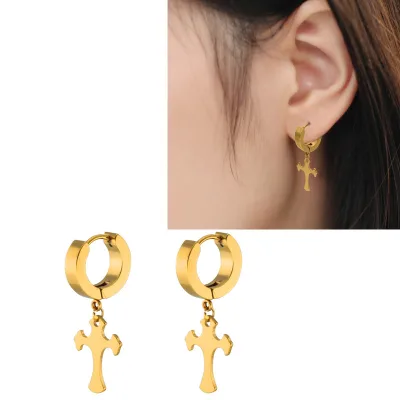




Ins Fashion Personality Trendy 925 Sterling Silver Versatile Zircon Huggie Hoop Earrings
$5.16 - $5.76
MOQ: 30 pair/pairs
Comprehensive Sourcing Guide
Simple Daily Wear Huggie Earrings Sourcing Guide
Sourcing Simple Daily Wear Huggie Earrings requires a strategic balance between aesthetic versatility and material integrity. These earrings are defined by their compact, hoop-like design that hugs the earlobe, making them ideal for continuous wear without causing discomfort or snagging on hair and clothing. Buyers must recognize that "simple" in this context often refers to a minimalist aesthetic rather than a lack of structural complexity. The market offers a wide range of options, from plain metal bands to those accented with cubic zirconia or other semi-precious stones, each requiring different verification protocols. Understanding the specific construction method, whether it is cast or fabricated through electroplating, is the first step in ensuring the product meets the durability standards expected for daily use.
The procurement process for these items is heavily influenced by the supplier’s capability for customization and original design. Many manufacturers in key production hubs, such as Guangzhou, China, offer OEM and ODM services, allowing brands to create unique 3D designs or customize logos and stamps. This flexibility is crucial for businesses looking to differentiate their offerings in a crowded market. However, this customization comes with specific commercial implications, including minimum order quantities (MOQs) and lead times that vary based on the complexity of the design and the plating process. Buyers must align their inventory planning with these production realities to avoid stockouts or excessive holding costs.
Product Scope and Observed Listing Signals
The current market landscape for Simple Daily Wear Huggie Earrings reveals a diverse array of product attributes that buyers must navigate. Observed listings indicate a price range of $0.20 to $24.68 USD, reflecting significant variation in material quality, plating thickness, and stone clarity. The minimum order quantities typically range from 1 to 100 pieces, with specific supplier requirements often set at 20 or 30 pieces per design. These signals suggest that the market supports both small-batch testing and larger volume orders, but buyers must carefully review each supplier’s specific MOQ policies to ensure they align with their initial procurement strategy. The wide price variance underscores the importance of verifying material specifications rather than relying solely on listed prices.
Product descriptions frequently highlight specific styles and materials that cater to different consumer preferences. Common attributes include 925 sterling silver as the main material, often plated with rhodium, rose gold, yellow gold, or black gold to enhance durability and aesthetic appeal. Some listings feature cubic zirconia stones, ranging from clear CZ to AAA/5A grade, set using techniques like micro wax setting. The shapes vary from geometric designs to round forms, with styles described as simple, creative, or unique. Buyers should note that while many products are marketed as suitable for females and youth, the actual suitability depends on the specific design and comfort features, such as nickel-free and lead-free compositions, which are critical for sensitive skin.
Technical Specifications to Verify
Verifying the technical specifications of huggie earrings is essential to ensure product quality and customer satisfaction. The primary material should be confirmed as 925 sterling silver, often stamped with an original "925" mark that can be customized. Buyers must verify the plating process, as electroplating is a common fabrication method that affects the longevity of the finish. The thickness and quality of the plating, whether it is standard gold plated or 14K/18K gold plated, directly impact the product’s resistance to tarnishing and wear. Additionally, the setting of any stones, such as cubic zirconia, should be examined for security and precision, as loose settings can lead to stone loss during daily use.
The manufacturing process and design details also play a crucial role in the final product’s performance. Casting is a common process for creating the base structure of the earrings, allowing for intricate designs and consistent shapes. Buyers should inquire about the specific model numbers and production standards, such as SGS certification, which may be referenced in product listings. The size of the earrings is often customized, so precise measurements and fit tolerances must be agreed upon before production. Furthermore, the packaging, typically an OPP bag or strong carton, should be evaluated for its ability to protect the earrings during shipping and storage, preventing scratches or damage to the plating.
Compliance and Safety Documentation
Compliance and safety are non-negotiable aspects of sourcing jewelry, particularly for items worn close to the skin. Buyers must ensure that suppliers provide relevant certifications, such as SGS, which verify that the products meet specific safety and quality standards. These certifications often include tests for heavy metals, ensuring that the earrings are nickel-free and lead-free, which is critical for preventing allergic reactions and skin irritation. Without proper documentation, buyers risk introducing hazardous materials into their supply chain, which can lead to product recalls and damage to brand reputation.
In addition to material safety, buyers should verify that the products adhere to international standards for jewelry labeling and marking. The presence of accurate stamps, such as "925" for sterling silver, is a legal requirement in many markets and serves as a guarantee of material purity. Buyers must also consider the environmental and ethical implications of the sourcing process, although specific ethical certifications are not always listed in standard product descriptions. It is advisable to request detailed test reports from independent laboratories to confirm that the plating and stone materials do not contain harmful substances, ensuring full compliance with regulations in target markets.
Cost Drivers and Commercial Terms
Understanding the cost drivers for Simple Daily Wear Huggie Earrings helps buyers negotiate better terms and manage their budgets effectively. The primary cost factors include the price of raw materials, such as sterling silver and gold plating, as well as the cost of stones like cubic zirconia. The complexity of the design, whether it is a simple geometric shape or a unique 3D design, also influences production costs. Additionally, the plating process and the thickness of the gold layer can significantly impact the final price, with thicker plating commands a premium due to the increased material usage and processing time.
Commercial terms, including payment methods and delivery times, are critical components of the procurement agreement. Suppliers typically accept payments via T/T, bank transfer, Western Union, or PayPal, each with its own implications for transaction security and speed. Delivery times can range from 20 to 35 days after receiving the deposit, depending on the order size and customization requirements. Buyers must factor in these lead times when planning their inventory and marketing campaigns. It is also important to clarify the shipping methods, such as DHL, FedEx, TNT, or UPS, and who bears the cost of freight, as these details can affect the total landed cost of the product.
Supplier Qualification and Quality Control
Qualifying suppliers for Simple Daily Wear Huggie Earrings requires a thorough assessment of their capabilities and quality control processes. Buyers should prioritize suppliers who offer OEM and ODM services, as this indicates a level of flexibility and expertise in custom manufacturing. It is essential to verify the supplier’s production capacity and their ability to maintain consistent quality across large orders. Requesting samples before placing a bulk order is a critical step in evaluating the product’s finish, stone setting, and overall craftsmanship. This allows buyers to identify any potential issues with plating adhesion or structural integrity before committing to a larger purchase.
Quality control measures should be clearly defined in the procurement agreement. Buyers must ensure that the supplier has robust inspection processes in place, including checks for material purity, plating thickness, and stone security. The use of strong carton packaging is a positive indicator of the supplier’s attention to product protection during transit. Additionally, buyers should inquire about the supplier’s policy on defective items and returns, as this can mitigate risks associated with production errors. Establishing a clear communication channel with the supplier for addressing quality concerns is vital for maintaining a successful long-term partnership.
Long-Term Procurement Checks
Long-term procurement success depends on continuous monitoring of supplier performance and market trends. Buyers should regularly review supplier delivery times, product quality, and responsiveness to ensure they meet evolving business needs. Keeping abreast of changes in material costs and plating technologies can help buyers anticipate price fluctuations and adjust their sourcing strategies accordingly. It is also important to stay informed about regulatory changes in target markets, such as new restrictions on heavy metals or labeling requirements, to ensure ongoing compliance.
Building a diversified supplier base can mitigate risks associated with single-source dependencies. By engaging with multiple suppliers, buyers can compare pricing, quality, and service levels, fostering a competitive environment that benefits their business. Regularly updating product specifications and designs in response to consumer preferences can also help maintain relevance in the market. Finally, maintaining strong relationships with suppliers through clear communication and fair business practices can lead to better terms, priority production slots, and collaborative innovation in product development.
FAQs
What materials are used for these earrings?
The earrings are crafted from 925 Sterling Silver and feature Cubic Zirconia stones. They are available in various plating options including Rhodium, Rose Gold, Yellow Gold, and Black Gold to suit different style preferences.
Can I customize the design and logo?
Yes, customization is available for both design and logo stamping. You can request unique 3D designs and have the original 925 stamp customized to meet your specific branding requirements for wholesale orders.
What is the minimum order quantity required?
The minimum order quantity varies by design, typically ranging from 20 to 30 pieces. Specific silver jewelry designs often require a minimum of 30 pieces per design to initiate production and processing.
How long does delivery take after payment?
Delivery time generally ranges from 20 to 30 days after receiving the deposit. Some orders may be completed within 3 to 35 days depending on the specific production schedule and customization needs.
Which certifications do the products hold?
The products are certified by SGS to ensure quality and safety standards. This certification confirms that the materials and manufacturing processes meet the required industry benchmarks for jewelry production.
Where are these earrings manufactured?
These earrings originate from Guangzhou, China, a major hub for jewelry manufacturing. The location supports efficient production and shipping via major carriers like DHL, FedEx, and UPS for global distribution.