Source Simple Ceramic Hanging Flowerpot for Balcony, Garden, Home
Source a Simple Ceramic Hanging Flowerpot from 30 verified listings. Compare models like ZT1601 and SY2411, noting sizes from small to large, colors including brown and grey, and finishes such as glazed or painted. Evaluate semi-manual production methods and carton packing for your sourcing needs.
Key considerations
Products List


Simple Style Flower Pot Custom Color Plant Flower Pot Ins Ceramic Flower Pot
$1.00 - $3.00
MOQ: 3000 Pieces

Simple Planting Round Flower Pot Custom Color Garden Flower Pot Ceramic Decoration Pot
$1.00 - $3.00
MOQ: 3000 Pieces


Creative Flower Pot Simple Decorative Plant Pot Ins Style Custom Ceramic Plant Pot
$1.50 - $3.00
MOQ: 3000 Pieces




Comprehensive Sourcing Guide
Simple Ceramic Hanging Flowerpot Sourcing Guide
Sourcing simple ceramic hanging flowerpots requires a careful balance between aesthetic minimalism and functional durability, particularly for buyers targeting modern interior design or contemporary garden decor markets. The term "simple" often implies clean lines, uncluttered forms, and neutral color palettes, yet the underlying ceramic construction must withstand environmental stressors if intended for outdoor or semi-outdoor use. Buyers must distinguish between purely decorative indoor pieces and those engineered for actual plant cultivation, as the latter demands specific drainage and structural integrity features that are not always apparent in product listings.
This guide focuses on the procurement of ceramic planters that align with straightforward, minimalist design principles while ensuring that technical specifications meet practical gardening needs. It addresses the critical verification steps necessary to confirm material quality, finishing processes, and dimensional accuracy. By understanding the nuances of ceramic production, from glazing techniques to firing temperatures, buyers can mitigate risks associated with cracking, chipping, or poor water retention, ensuring that the final products satisfy both visual expectations and functional requirements for their end-users.
Product Scope and Observed Listing Signals
The observed market signals indicate a diverse range of ceramic flowerpots varying significantly in size, shape, and intended application scene. Listings reveal products categorized as floor type, desktop use, and combined types, with sizes ranging from small to large dimensions. Specific models such as ZT1601 and ZT1603 demonstrate the availability of medium and large formats, while others like DL2003 and 20042- highlight smaller, desktop-oriented options. This variety suggests that buyers should not assume a one-size-fits-all approach but rather select models based on the specific spatial constraints and plant requirements of their target customers, whether for balcony gardens, home furnishing, or general home gardening applications.
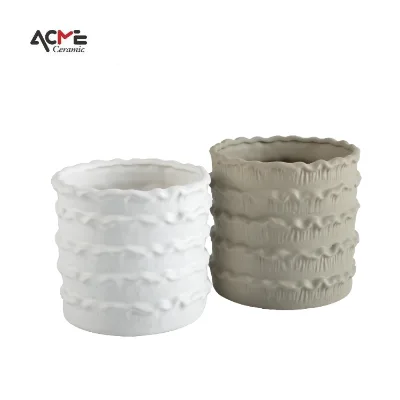
Color and style attributes further define the product scope, with observed listings featuring brown, grey, white, and blue options in simple, Chinese style, or artistic designs. The presence of glazed finishes and painted surface decorations indicates that aesthetic customization is a key differentiator in this category. Buyers must verify whether the "simple" style refers to the geometric shape, such as round forms, or the lack of ornate detailing. Understanding these visual cues helps in curating a cohesive product line that matches specific interior design trends, ensuring that the ceramic pots complement rather than clash with the surrounding environment in both residential and commercial settings.
Technical Specifications to Verify
Dimensional accuracy is paramount when sourcing ceramic pots, as discrepancies can affect plant health and display aesthetics. Buyers must verify standard dimensions provided in listings, such as 38.538.540cm or 14.512.522cm, against physical samples to ensure consistency across batches. The production method, often described as semi-manual or semi-mechanical, can introduce slight variations in wall thickness and weight. It is crucial to establish acceptable tolerance levels for these variations to prevent issues with stacking, packaging efficiency, and structural stability, especially for larger models like SY2411 which may have different height-to-width ratios compared to smaller desktop variants.
The glazing process and material composition directly impact the pot's durability and water management capabilities. A glazed finish not only enhances the visual appeal but also affects water permeability, which is critical for preventing root rot in certain plant types. Buyers should confirm whether the ceramic body is porous or vitrified, as this determines the need for additional liners or drainage solutions. Additionally, the weight of the pot, influenced by its size and material density, must be considered for hanging applications to ensure that the supporting structures can safely bear the load, particularly for larger, floor-type models intended for balcony gardens or heavy indoor plants.
Compliance and Safety Documentation
While specific certification statuses like ISO 9001 or ISO 14001 are noted as low-confidence background information, buyers should still request verifiable proof of quality management systems from suppliers. Compliance with international safety standards for ceramic products, particularly regarding lead and cadmium leaching, is essential for pots intended for indoor use or where human contact is frequent. Buyers must ensure that the glazes and paints used, especially in colored or painted designs, meet relevant regulatory limits for heavy metals, protecting both the end-user and the brand from potential liability issues related to toxic material exposure.
Documentation should also cover the origin and transportation methods to ensure proper handling and insurance coverage. Since products originate from China and are transported by sea, buyers need to verify that the packaging, typically in cartons, is robust enough to prevent breakage during long-haul logistics. Requesting detailed packing lists and damage reports from previous shipments can provide insights into the supplier's packaging efficiency and risk mitigation strategies. This due diligence helps in establishing clear responsibilities for transit damage and ensures that the products arrive in sellable condition, maintaining brand reputation and customer satisfaction.
Cost Drivers and Commercial Terms
The price range observed, from 0.3 to 260 USD, reflects significant variations in size, complexity, and material quality. Buyers must analyze the cost drivers behind these prices, such as the volume of ceramic used, the intricacy of the glazing process, and the level of customization available. Customization options, including logo printing and specific color matching, often incur additional setup fees and higher per-unit costs. Understanding these variables allows buyers to negotiate more effectively and align their procurement budgets with their target retail price points, ensuring healthy margins without compromising on quality.
Minimum Order Quantities (MOQs) ranging from 4 to 3000 units offer flexibility for different business models, from small boutique retailers to large-scale distributors. Buyers should assess their inventory turnover rates and storage capabilities to determine the optimal order size. For new product introductions, starting with lower MOQs may be prudent to test market response, while established lines can benefit from economies of scale through larger orders. Clear communication regarding payment terms, production lead times, and shipping schedules is essential to manage cash flow and ensure timely delivery, especially when coordinating with seasonal demand peaks in the home gardening and decoration sectors.
Supplier Qualification and Quality Control
Evaluating supplier capabilities involves assessing their production capacity, quality control processes, and ability to maintain consistency across large orders. Buyers should request samples of different models, such as ZT1601, ZT1603, and SY2411, to evaluate the finish, color accuracy, and structural integrity. Inspecting the glaze for uniformity and checking for cracks or chips is a critical step in quality verification. Additionally, assessing the supplier's responsiveness to customization requests, such as logo placement and specific dimensional adjustments, provides insight into their flexibility and commitment to meeting buyer specifications.
Establishing a robust quality control protocol is essential to minimize defects and returns. Buyers should define clear acceptance criteria for visual defects, dimensional tolerances, and packaging standards. Conducting pre-shipment inspections or hiring third-party inspection services can help identify issues before the goods leave the factory. Building a long-term relationship with a reliable supplier involves regular performance reviews and feedback loops, ensuring that any quality issues are addressed promptly and that the supplier continues to meet evolving market demands and quality expectations.
Long-Term Procurement Checks
Sustainable sourcing practices and supply chain resilience are critical for long-term success in the ceramic flowerpot market. Buyers should monitor supplier stability, including their financial health and ability to source raw materials consistently. Diversifying suppliers for different product lines or sizes can mitigate risks associated with production disruptions or quality inconsistencies. Regularly reviewing product performance in the market, including customer feedback on durability and aesthetics, allows buyers to refine their specifications and adjust their product offerings to better meet consumer preferences.
Continuous improvement in product design and functionality is also necessary to stay competitive. Buyers should explore opportunities for innovation, such as developing pots with improved drainage systems or eco-friendly materials, while maintaining the simple aesthetic that appeals to their target audience. Engaging with suppliers on future trends and technological advancements in ceramic production can lead to collaborative innovations that enhance product value. By maintaining a proactive approach to procurement and quality management, buyers can ensure a steady supply of high-quality ceramic flowerpots that satisfy both current market demands and future growth opportunities.
FAQs
What customization options are available for simple ceramic hanging flowerpots?
Customization is available for these ceramic pots, allowing buyers to tailor specific attributes to their needs. The production method is semi-manual and semi-mechanical, which supports flexible design adjustments. Buyers can request customized logos and specific finishing details like glazed surfaces. This flexibility ensures the final product aligns with unique branding or aesthetic requirements for garden or home use.
What sizes are offered for these ceramic flower pots?
These ceramic flower pots are available in small, medium, and large sizes to suit various planting needs. The product specifications include dimensions such as 14.5*12.5*22cm for smaller units and up to 38.5*38.5*40cm for larger options. This range allows buyers to select the appropriate size for desktop use, balcony gardens, or general home gardening applications effectively.
Can I get these flower pots in specific colors like grey or brown?
Yes, these ceramic flower pots come in various colors including grey, brown, white, and blue. The glazed finishing process enhances the color durability and aesthetic appeal. Buyers can choose from these standard color options to match their interior decor or outdoor garden settings. The simple style ensures versatility across different application scenes such as home furnishing and balcony gardening.
How are these ceramic pots packaged for shipping?
These ceramic flower pots are packaged in cartons to ensure safe transit. The standard packaging dimensions vary based on the pot size, such as 38.5*38.5*40cm for larger models. This carton packing method protects the glazed ceramic surface from damage during transportation. Buyers should consider these dimensions when planning logistics and storage, as the origin is China and transport is typically by sea.
What is the minimum order quantity for these ceramic pots?
The minimum order quantity for these ceramic flower pots ranges from 4 to 3000 units. This flexible MOQ allows both small-scale buyers and large distributors to place orders that fit their inventory needs. The specific MOQ may depend on the chosen model, size, and customization requirements. Buyers should confirm the exact quantity with suppliers to ensure alignment with production capabilities and shipping efficiency.
Are these flower pots suitable for indoor and outdoor use?
Yes, these ceramic flower pots are suitable for both indoor and outdoor use. They are designed for application scenes such as balcony gardens, home gardening, and home furnishing. The glazed finish provides durability against environmental factors, making them ideal for outdoor balconies. For indoor use, their simple style and various colors complement modern decor, while their sturdy construction supports flowers and plants effectively.